
Vintage Mahogany Storage Unit
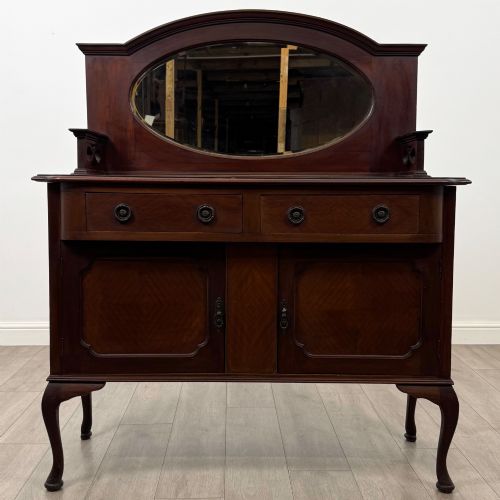
A vintage mahogany storage unit brings rich timber grain and period utility to any room, offering dependable drawers, cupboards, and shelving.
Vintage Mahogany Storage Unit
When you search for a vintage mahogany storage unit, you encounter practical furniture designed to hold books, sheets of music, files, or clothing. The selection spans distinct eras, reaching from Georgian and Regency pieces through Victorian and Edwardian examples into the early twentieth century.
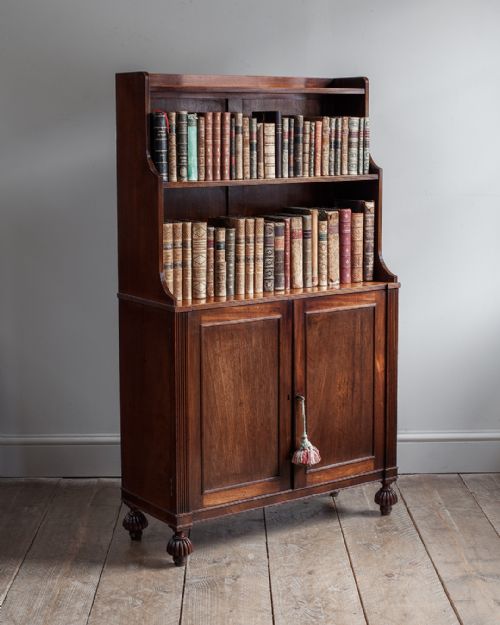
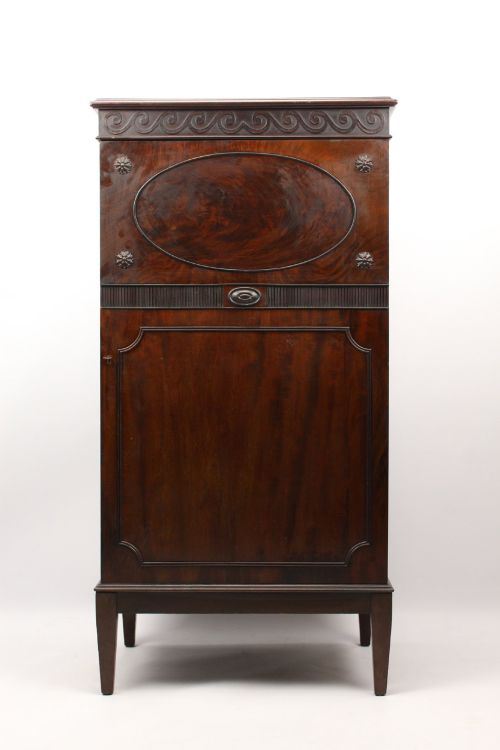
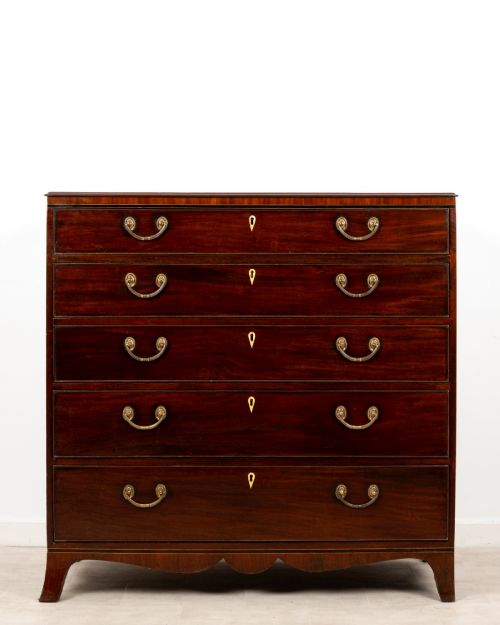
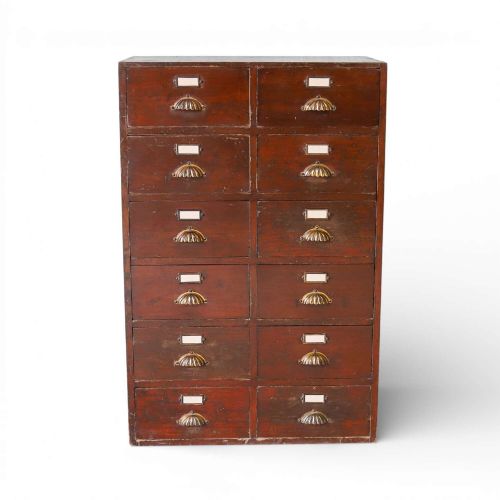
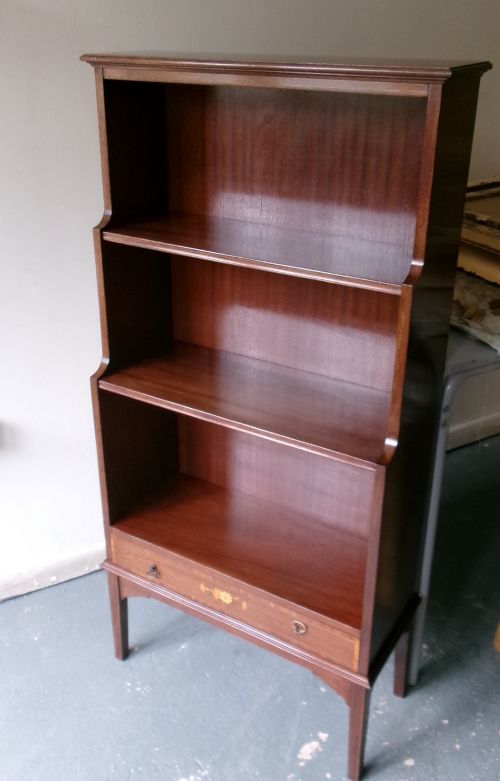
The forms vary widely according to their original domestic or commercial purpose. You meet tall bookcases, corner cupboards, music cabinets, and multi-drawer banks alongside standard bedroom chests.
Materials and construction
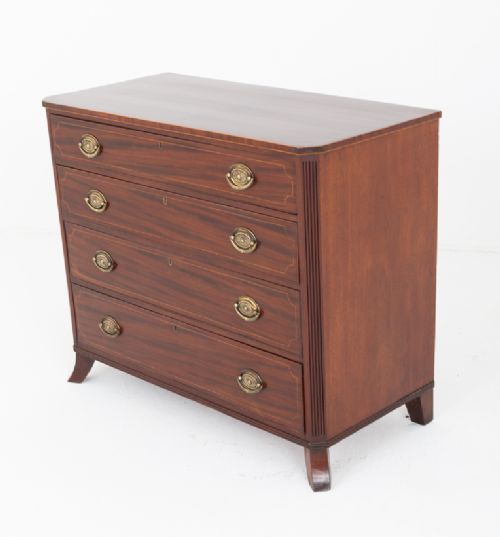
Makers built these pieces primarily from solid mahogany and flame mahogany veneer, often pairing the main timber with secondary woods such as oak and pine. Satinwood line inlay and contrasting stringing frequently provide decorative border work on Edwardian and Sheraton style surfaces.
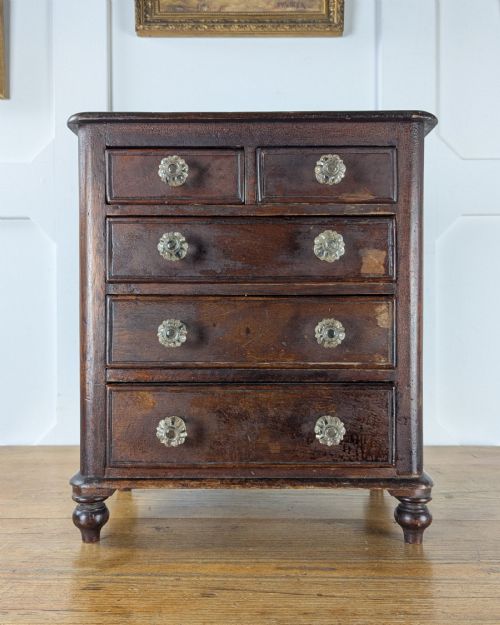
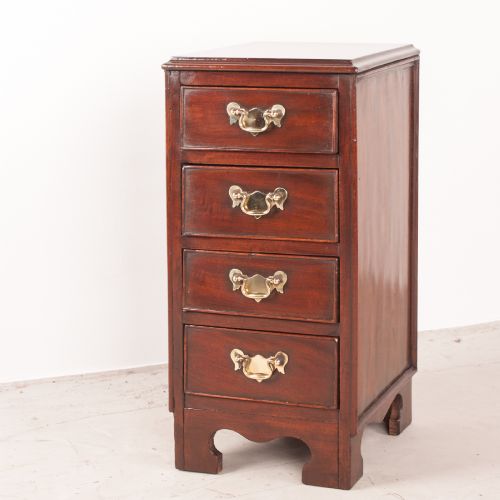
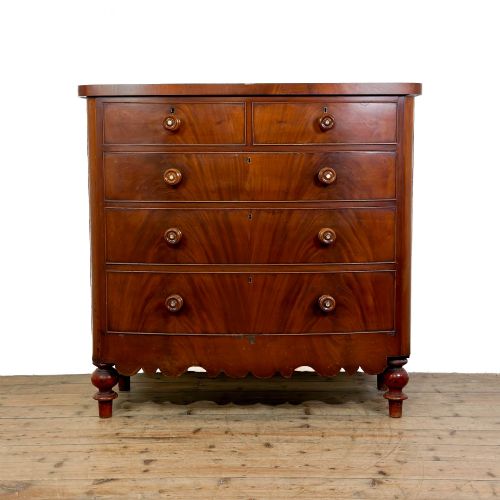
Hardware elements like brass drawer pulls, handles, and label holders add functional detail and structural contrast. Glass panels appear in bookcase doors and display shelves, while turned feet support miniature and full-size chests alike.
Listings incorporate items from the 18th, 19th, and early 20th centuries, utilising mahogany, oak, pine, and satinwood.
What separates the grades
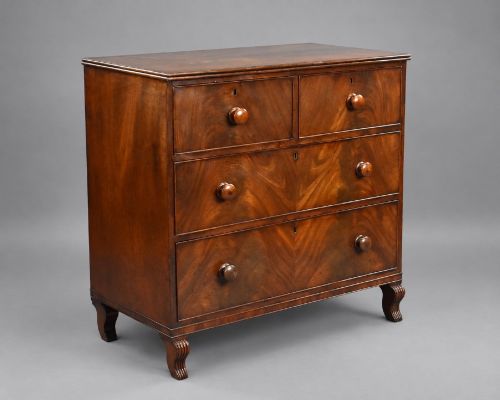
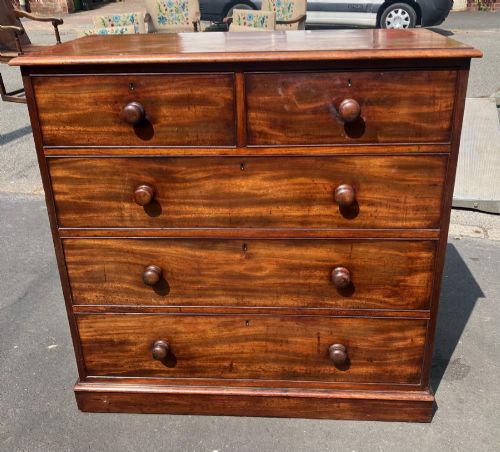
The standard of timber selection sets individual pieces apart, particularly where figured flame mahogany veneer or crisp satinwood inlay meets plain solid stock. Figured grain patterns demand greater skill in matching and application across drawer fronts and cabinet doors.
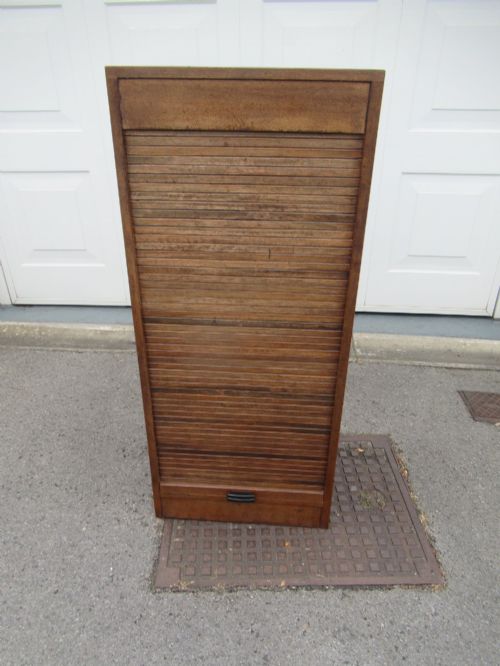
Refinement in hardware and secondary detailing marks the upper tier of execution. Original shell pulls, well-fitted tambour mechanisms, and precise corner joints distinguish superior workshop output from simpler utilitarian items.
Denby & Spinks
The Vintage Mahogany Storage Unit Glossary
- Flame mahogany
- A highly figured wood veneer featuring a distinctive flame-like pattern caused by the grain intersecting the growth rings at an angle. It is prized for its decorative movement across drawer fronts.
- Tambour front
- A flexible sliding shutter formed from narrow vertical strips of wood glued to a canvas backing. This mechanism conceals interior filing compartments or shelving smoothly.
- Whatnot
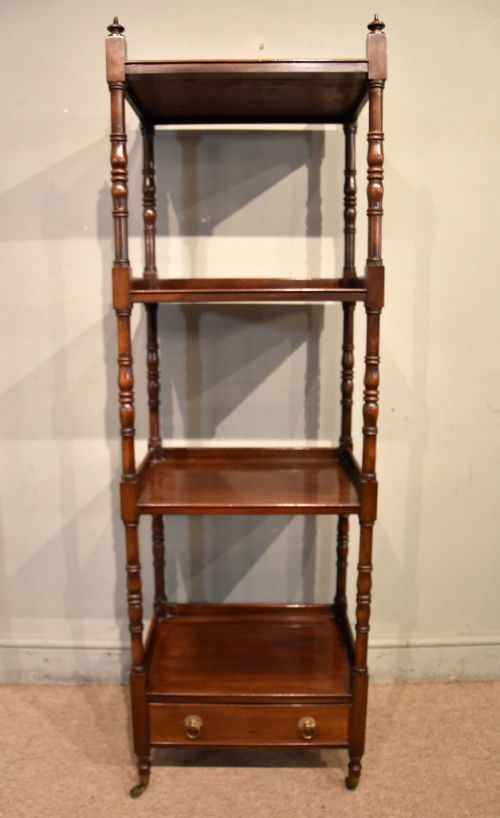
- An open set of freestanding shelves supported by vertical posts, designed for displaying decorative objects or holding books. They commonly feature three or four tiers.
- Apprentice piece
- A miniature version of a larger furniture form, created by a trainee craftsman to demonstrate mastery of joinery techniques. These small chests replicate full-size construction methods in miniature.
Vintage Mahogany Storage Unit: Frequently Asked Questions
What counts as a vintage mahogany storage unit?
The term covers a broad category of wooden furniture designed for organisation, spanning Georgian, Victorian, Edwardian, and early twentieth-century eras. It includes chests of drawers, bookcases, filing cabinets, and music cabinets.
These pieces rely primarily on mahogany timber, sometimes featuring flame veneer or satinwood inlay. Their forms reflect the specific domestic and commercial storage needs of their respective periods.
How do I identify a Victorian chest of drawers?
Victorian examples often display heavier proportions and deeper drawer configurations than their Georgian predecessors. They frequently utilise solid mahogany or flame veneer over sturdy secondary woods.
Details such as turned feet, brass pulls, and sometimes contrasting walnut elements help signal the mid to late nineteenth-century origin of the piece.
Where were music cabinets used?
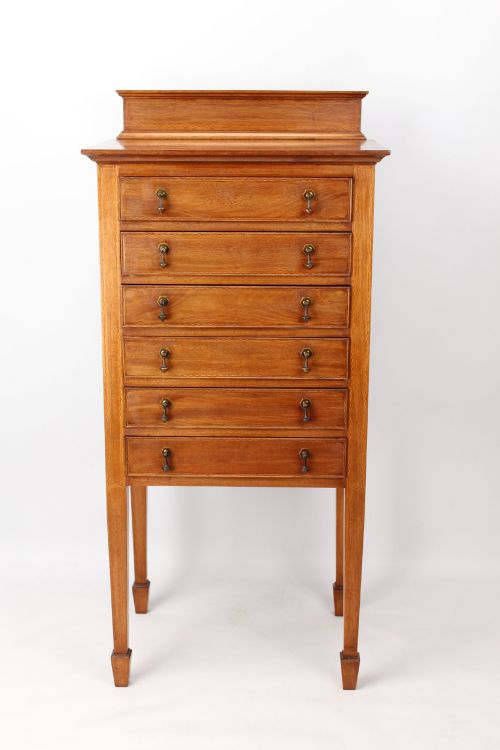
Edwardian and late Victorian music cabinets served in parlours and drawing rooms to store sheet music and songbooks near pianos. Their internal shelving or drop-front drawers kept paper collections orderly.
These compact storage units often feature glass doors, inlaid satinwood lines, or unusual brass hardware, combining decorative elegance with practical organisation.
What is a two-part chest of drawers?
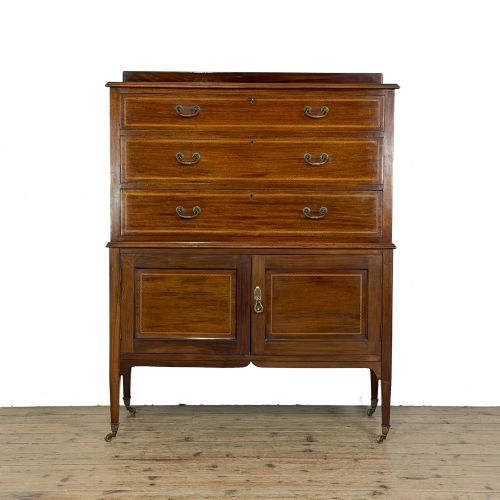
A two-part chest consists of an upper and a lower section built to stack together securely. This construction method originated to ease transport, particularly during the Georgian and Regency periods.
The horizontal split line usually runs midway down the carcase, allowing large storage units to move more easily through doorways and up staircases.