

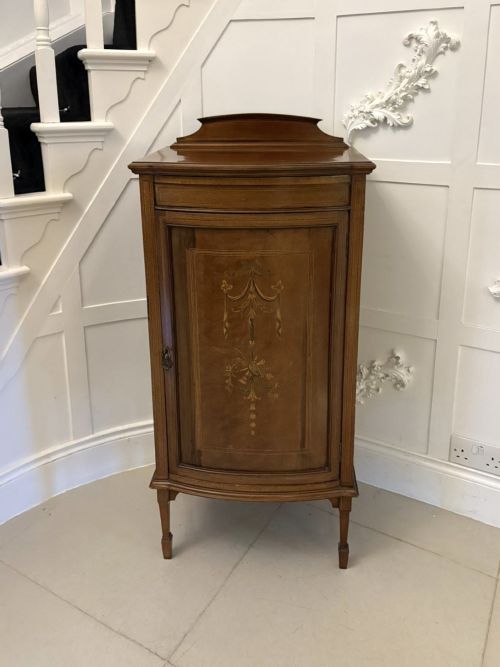

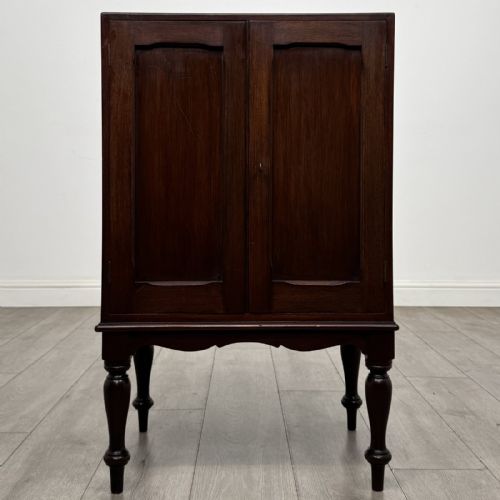
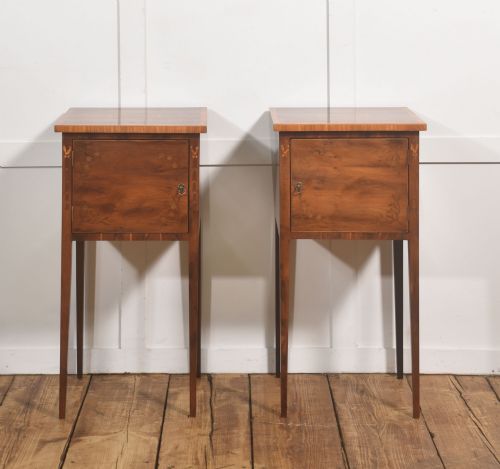
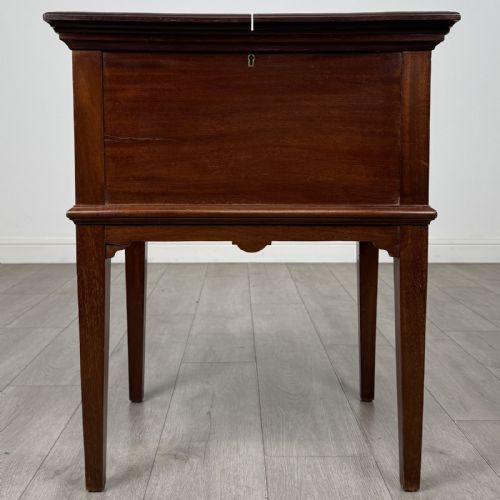
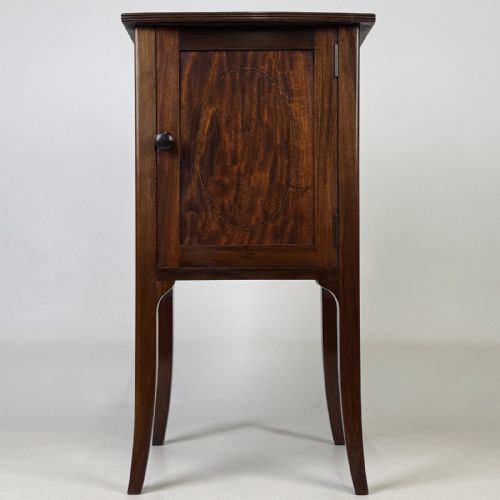
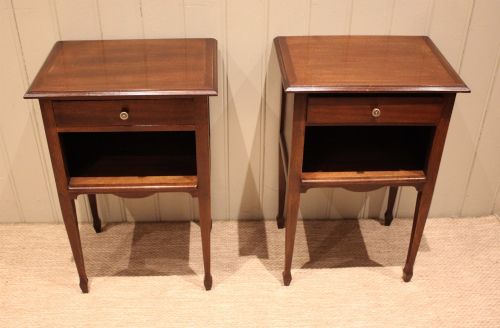
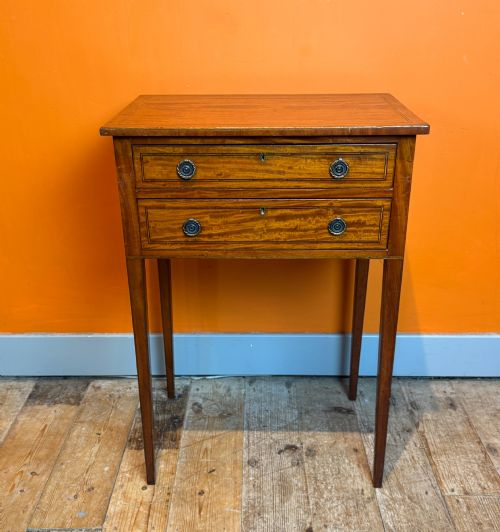
Vintage Mahogany Side Cabinet
A vintage mahogany side cabinet brings warmth and practical storage to a room, spanning periods from Georgian craftsmanship to Edwardian refinement.
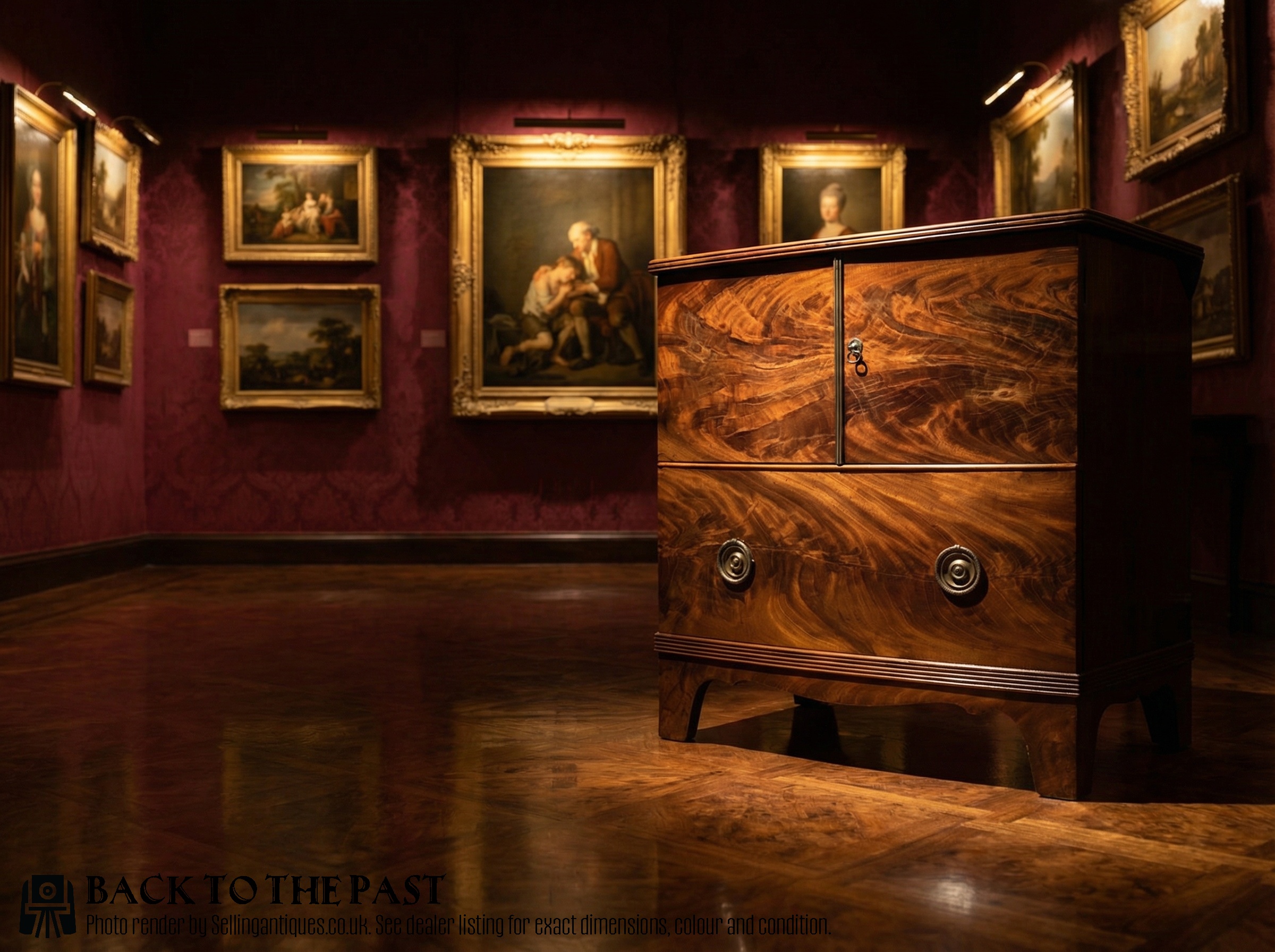
Vintage Mahogany Side Cabinet
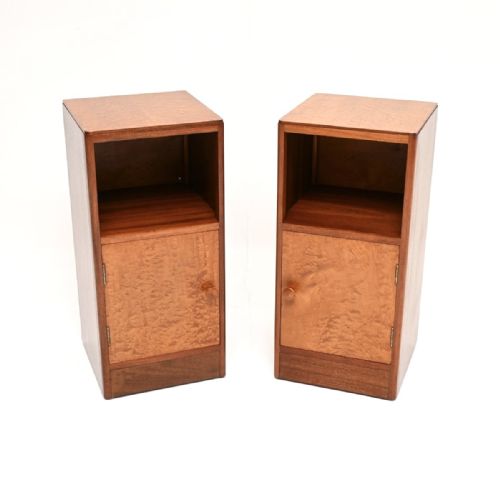
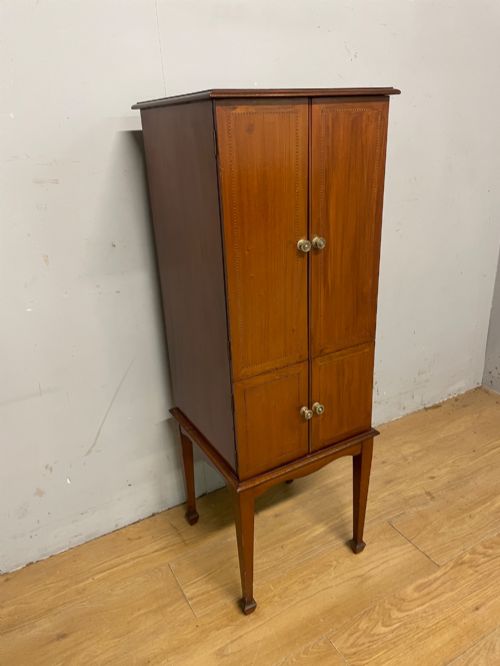
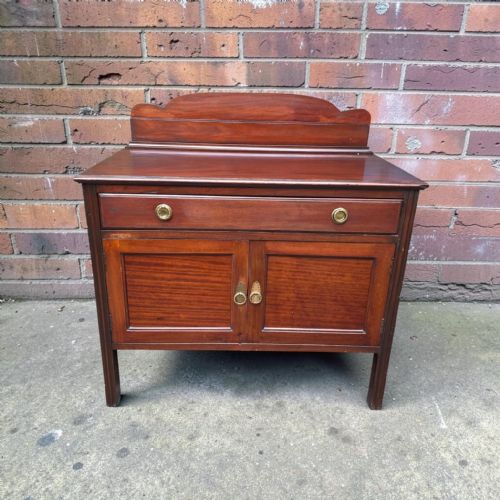
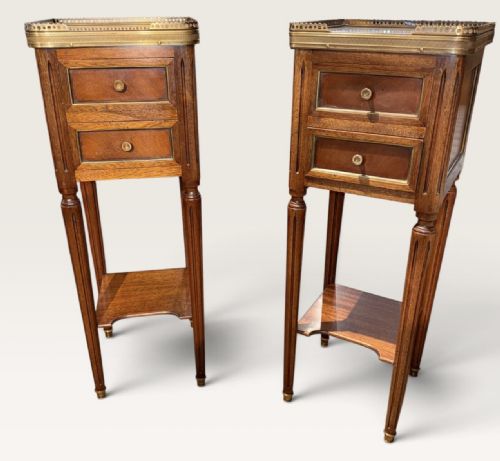
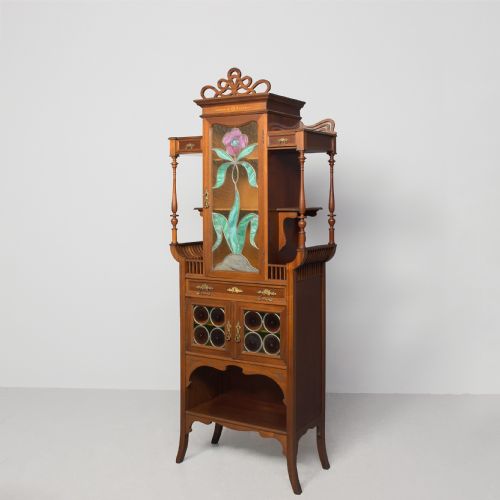
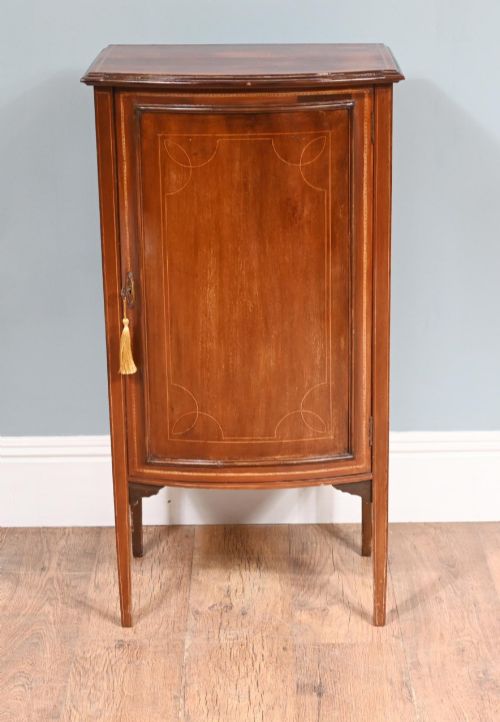
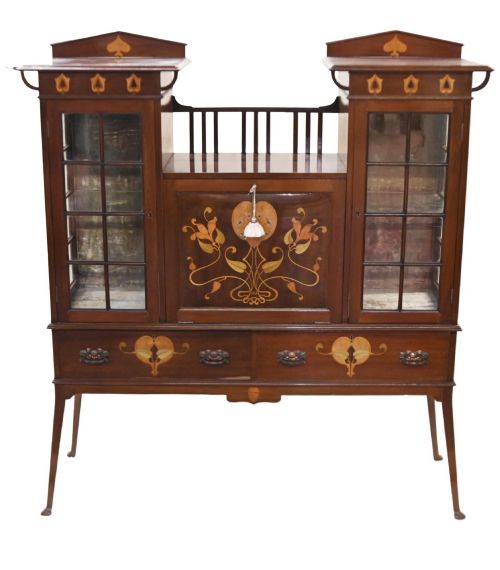
A vintage mahogany side cabinet provides compact storage and display surfaces, appearing frequently in forms such as bedside cupboards, nightstands, and small display units. These pieces emerge across several eras, with Edwardian and Victorian examples appearing most often alongside earlier nineteenth-century designs.
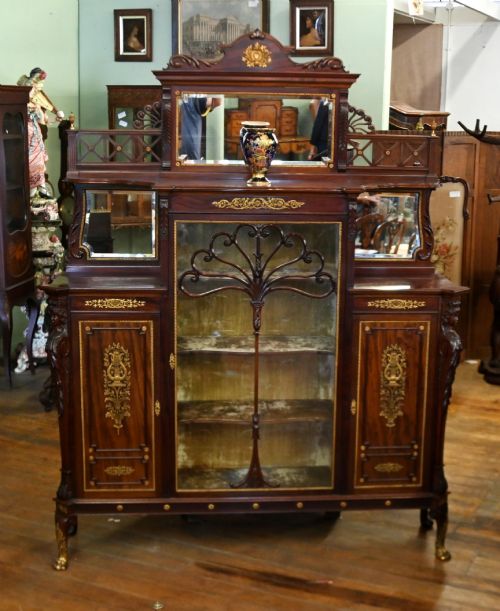
Makers and cabinetmakers produced these items in various configurations, including glazed four-door formats, concave shapes, and pieces fitted with drawers or interior shelving. Buyers often select them to fit smaller spaces where traditional sideboards or large bookcases prove too substantial.
The materials and styles span from strict Georgian proportion to Sheraton Revival and French influences, showing how adaptable this furniture type remains. Each piece reflects the functional requirements of its original period, whether designed for holding books, displaying ceramics, or serving as a bedside companion.
Assessing quality and finish
Quality in these cabinets rests upon the choice of timber and the precision of the veneer work, particularly where subtle inlay or cross-banding decorates the surfaces. Superior examples display thoughtful grain matching across drawer fronts and doors, paired with crisp carving or well-proportioned mouldings.
The execution of internal components, such as solid wood drawer bases and cleanly fitted partitions, distinguishes standard production from finer cabinetmaking. Original brassware and well-preserved structural joinery further elevate the standing of an individual piece.
Vintage Mahogany Side Cabinet Retail Price Guide 2026
Typical asking prices for vintage mahogany side cabinet among the pieces listed under this phrase on Sellingantiques today, from the lower quarter to the upper quarter. They describe what is for sale here now, not the wider market.
Materials paired with mahogany across these items include brass, satinwood, glass, marble, and ormolu.
Gillows·François Linke
The Vintage Mahogany Side Cabinet Glossary
- Mahogany
- A durable tropical hardwood known for its reddish-brown colour and stability, widely used in British furniture from the eighteenth century onward.
- Satinwood
- A pale, lustrous timber utilised for contrasting stringing, banding, and marquetry details on mahogany surfaces.
- Ormolu
- Gilded bronze used for decorative mounts and accents, frequently found on French cabinet pieces.
- Cross-banding
- A border technique where thin strips of veneer are laid across the grain to frame a panel or drawer front.
- Chiffonier
- A small sideboard or low cupboard developed during the nineteenth century, often featuring a shelf superstructure.
Vintage Mahogany Side Cabinet: Frequently Asked Questions
How do I date a mahogany cabinet?
Dating relies on examining construction methods, timber choices, and hardware styles. Hand-cut dovetails and secondary woods often point to earlier periods, while machine-cut elements suggest later manufacture.
Stylistic cues such as Edwardian inlay or Regency brass details help narrow the decade of production when combined with structural evidence.
Where should I place a side cabinet?
These versatile pieces work well in bedrooms as bedside tables, in hallways for small storage, or in living rooms alongside seating. Their compact footprints allow them to fit into alcoves and narrow passages.
Consider the door swing and drawer clearance when positioning a cabinet to ensure daily access remains practical and unobstructed.
Are these cabinets suitable for modern homes?
Their modest proportions make them exceptionally practical for contemporary interiors where floor space is at a premium. They provide concealed storage for everyday items while adding traditional character to a room.
Pairing antique wood with modern decor creates a balanced interior scheme that highlights the natural warmth of the timber.
How do I care for mahogany furniture?
Keep mahogany pieces away from direct sunlight and heat sources to prevent the wood from drying out or fading. Regular dusting with a soft, dry cloth maintains the surface finish without building up residue.
Applying a traditional beeswax occasionally helps nourish the timber and preserves the depth of the grain.