
Vintage Mahogany Console
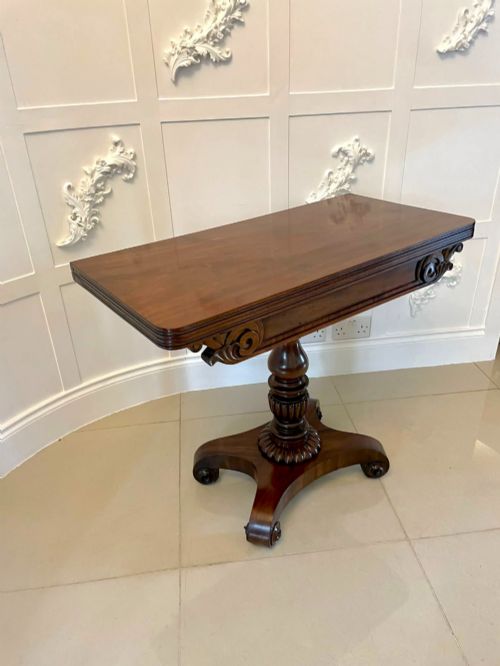
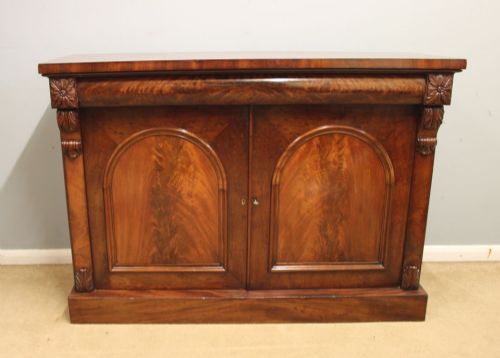
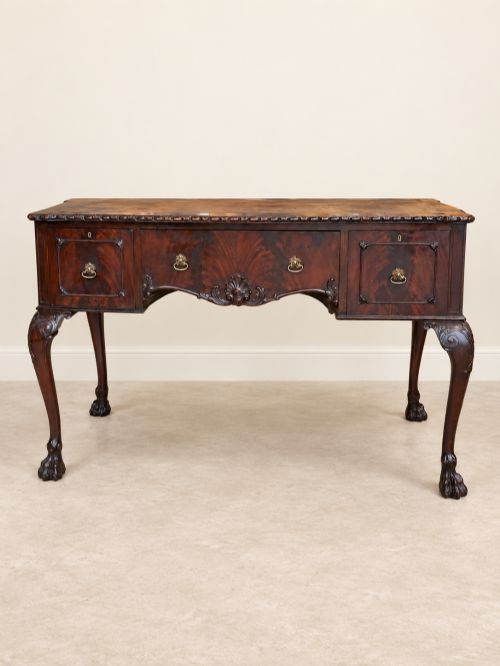
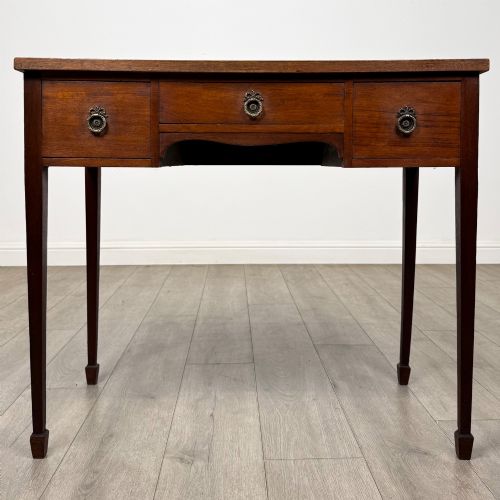
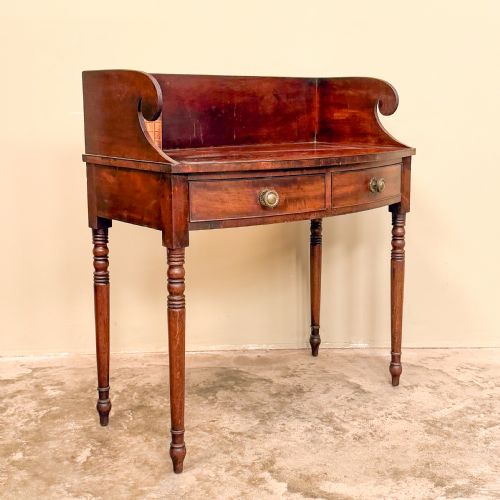
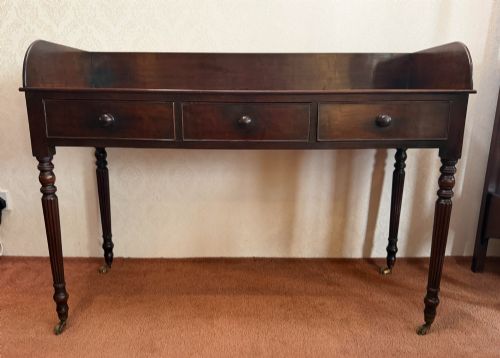
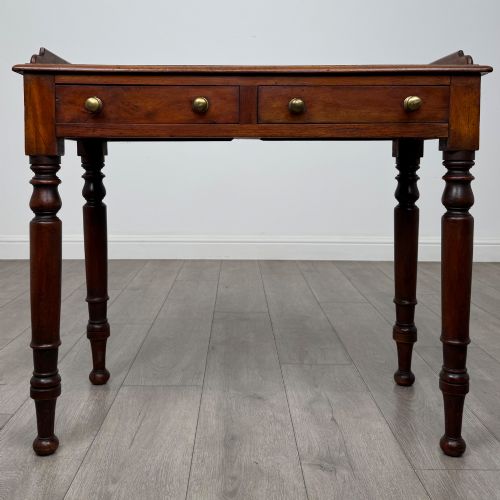
These vintage mahogany console tables and related hall pieces offer rich timber surfaces and classic proportions for entrance halls and living spaces.

Materials and construction methods
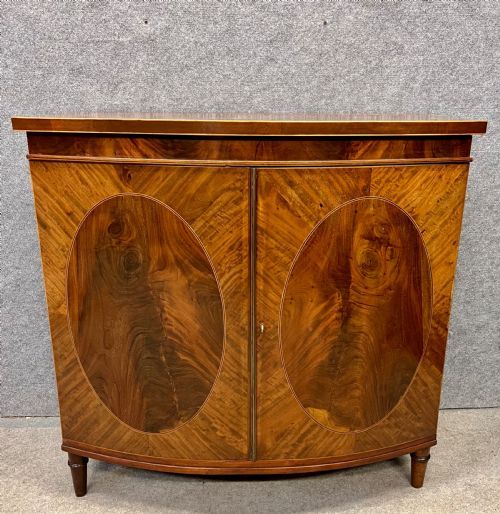
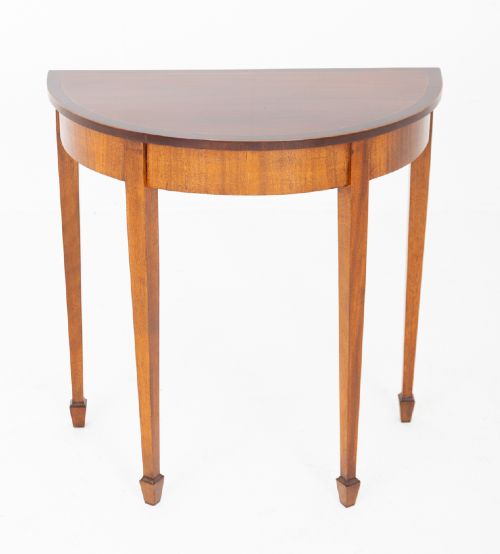
Makers relied principally upon solid and veneered mahogany, sometimes combined with secondary woods like satinwood, boxwood, and other timbers for contrasting stringing and decorative wood inlay. This dense tropical hardwood provided a stable carcase capable of taking a high polish.
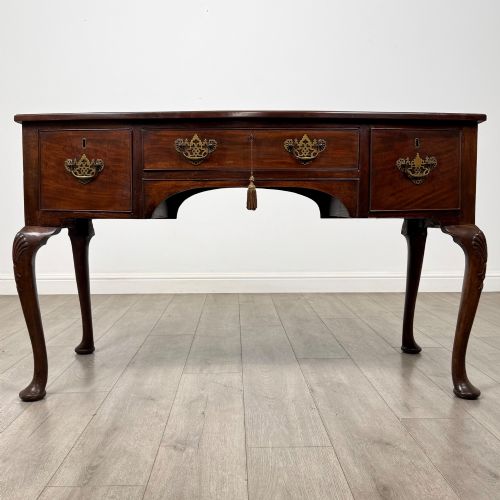
Surface ornamentation frequently incorporated delicate inlay work, brass fittings, leather writing inserts, and occasionally marble tops supported by timber or cast iron bases. Joinery techniques varied from traditional hand-cut joints in nineteenth-century pieces to simpler assembly methods in twentieth-century examples.
Distinctions in construction and finish
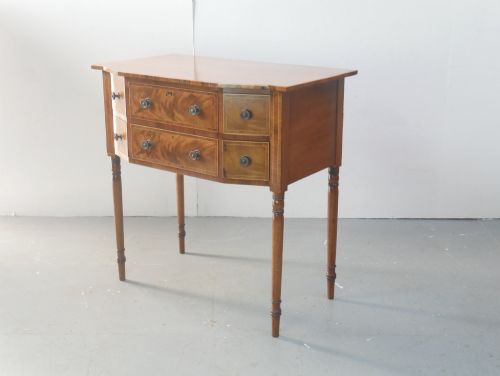
The standard of a piece rests heavily on the choice of timber, particularly the depth of figure in the mahogany and the precision of any wood inlay or brass hardware. Finer examples display carefully matched grain patterns across the top and drawer fronts.
Construction integrity separates standard items from superior pieces, demonstrated by smooth drawer operation, solid timber framing, and the preservation of original polished surfaces rather than heavy modern refinishing.
Several tables include hidden compartments or leather writing inserts designed for secret nineteenth-century correspondence.
The Vintage Mahogany Console Glossary
- Mahogany
- A durable reddish-brown tropical hardwood prized for its rich grain and stability in antique furniture construction.
- Demi lune
- A half-moon shape characteristic of console tables and sideboards designed to sit flush against a wall.
- Inlay
- A decorative technique inserting contrasting woods such as satinwood or boxwood into the primary mahogany surface.
- Console table
- A narrow table designed to stand against a wall, frequently used in entrance halls and reception rooms.
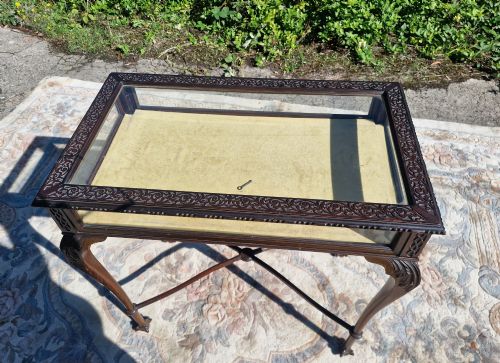
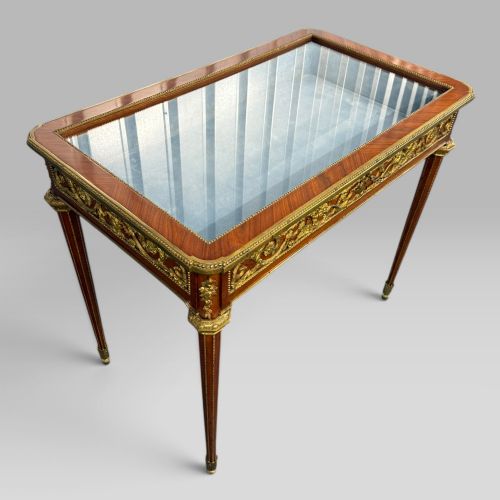
- Bijouterie table
- A glass-topped display table utilised for showcasing small collectables, jewellery, and curiosities.
Vintage Mahogany Console: Frequently Asked Questions
Where should I place a console table?
These narrow tables suit entrance halls, corridors, and reception rooms where floor space is restricted but surface area is required for lamps or decorative items.
They also function effectively behind sofas or against living room walls to hold books and small objects.
How do I care for mahogany furniture?
Maintain the polished timber by dusting regularly with a soft, dry cloth and avoiding placement near direct heat sources or strong sunlight.
Apply high-quality beeswax occasionally to nourish the wood and preserve the natural sheen of the finish.
Are these tables suitable for writing?
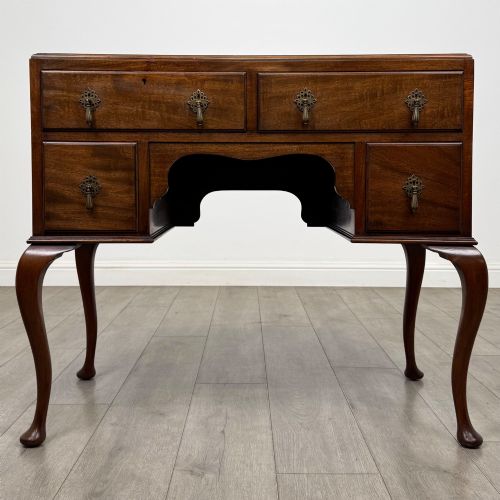
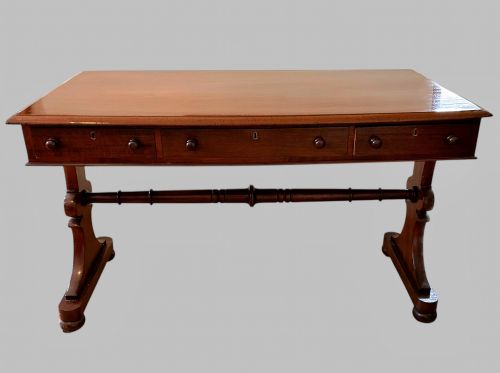
Many examples include writing tables and desks featuring fitted drawers and occasional leather-lined surfaces designed specifically for correspondence.
Check the height and knee clearance of specific models to ensure comfortable seating if used regularly for work.
How do I distinguish Edwardian from Victorian pieces?
Victorian examples generally exhibit heavier proportions, darker finishes, and robust construction typical of the nineteenth century.
Edwardian pieces often display lighter frames, delicate wood inlay, and influences from Sheraton and other revival styles.