





George III Serving Table
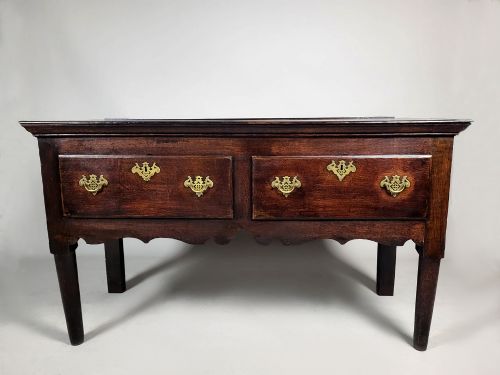
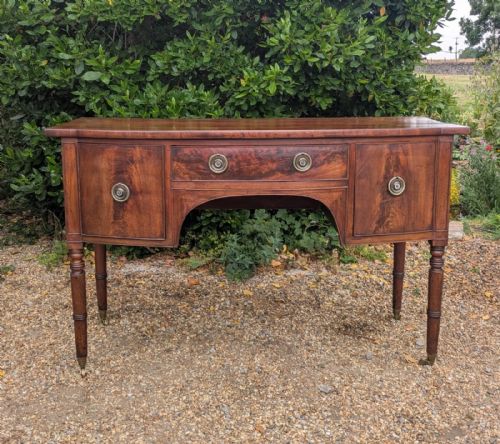
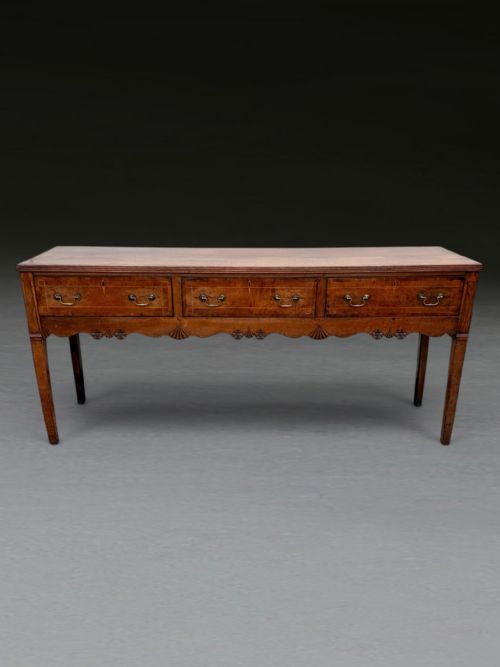
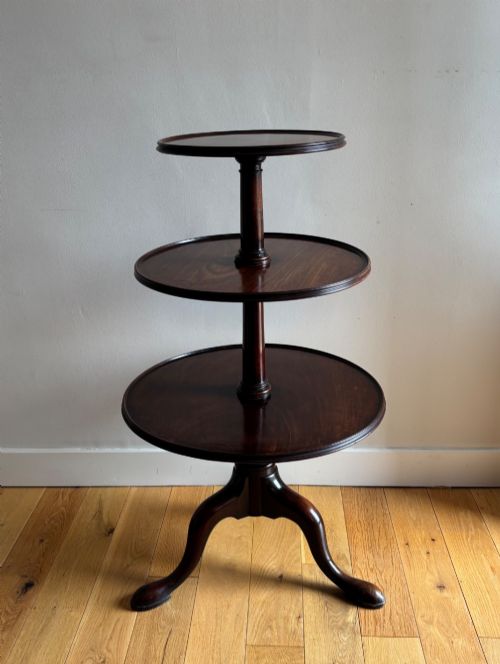
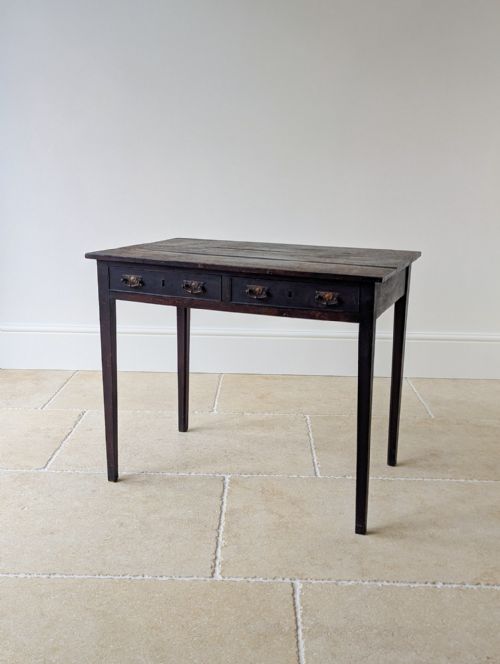
A george iii serving table brings architectural proportion and rich timber to a dining room, designed for display and service in the late eighteenth century.
George III Serving Table
When searching for a george iii serving table, a buyer encounters substantial dining furniture designed to hold silver and dishes during formal meals, predominantly originating from the Georgian period.
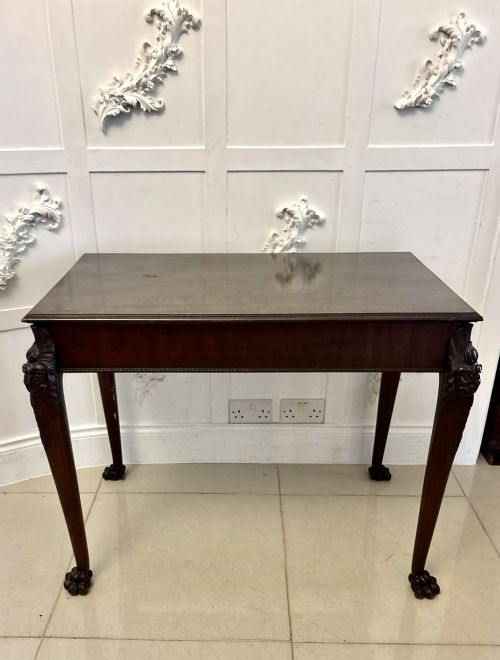
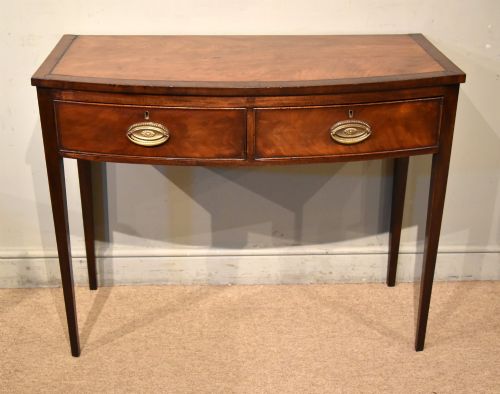
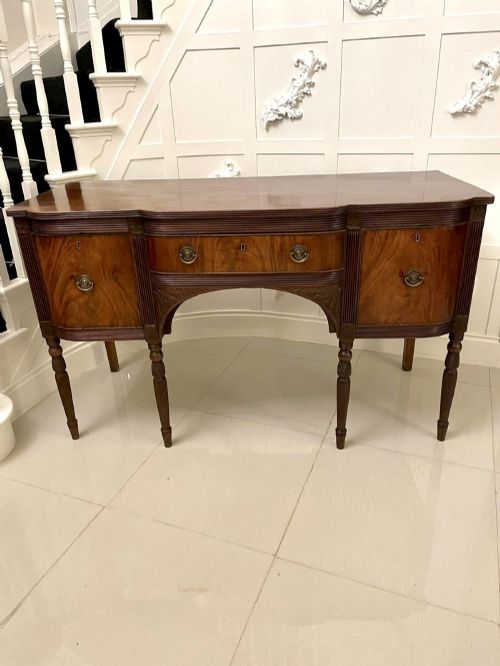
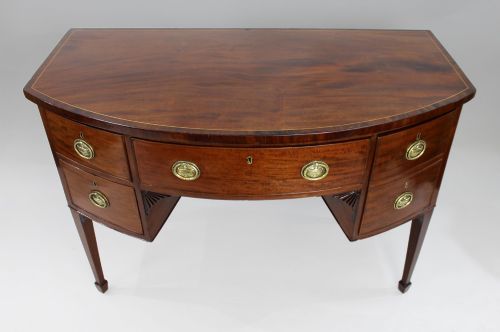
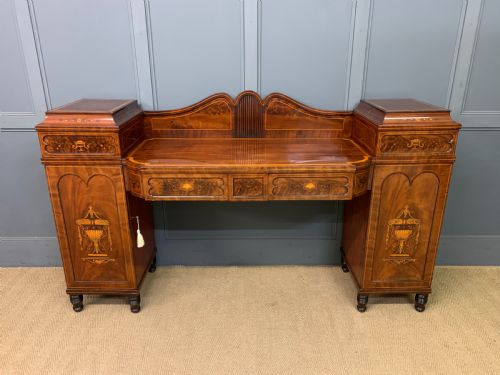
The pieces on this page appear most frequently as mahogany side tables, console tables, and serpentine-fronted servers reflecting neoclassical or Chippendale influences of the eighteenth century.
How they were made
Cabinetmakers constructed these tables using solid mahogany and flame mahogany veneers over oak or pine carcases, often incorporating satinwood and boxwood for decorative stringing and inlay.
Carved details such as neoclassical paterae, fluted legs, and serpentine edges relied on skilled hand-tooling, while structural joints utilised traditional mortise and tenon techniques.
George III Serving Table Retail Price Guide 2026
Typical asking prices for george iii serving table among the pieces listed under this phrase on Sellingantiques today, from the lower quarter to the upper quarter. They describe what is for sale here now, not the wider market.
Listings feature mahogany, oak, satinwood, and brass across periods from the seventeenth century through to the twentieth.
What varies in quality
The grade of a piece rests upon the figuring of the mahogany timber and the crispness of the hand-carved ornamentation along the frieze and legs.
Proportion and line dictate the hierarchy, where pieces with untouched surfaces and well-balanced serpentine fronts command greater architectural presence than simpler straight-fronted variants.
Gillow
The George III Serving Table Glossary
- Serpentine
- A furniture front curving outward in the centre and inward at the sides, demanding high joinery skill. It creates a dynamic silhouette typical of finer eighteenth-century case pieces.
- Breakfront
- A cabinet or table facade where the central section projects forward from the flanking wings. This architectural arrangement adds depth and shadow to large dining room furniture.
- Stringing
- Thin inlaid lines of contrasting timber such as boxwood or satinwood used to edge panels and legs. It provides a delicate linear contrast against dark mahogany surfaces.
- Console table
- A wall-mounted or freestanding table designed to stand against a flat surface, often supported by ornate legs. In Georgian interiors, these matched mirrors or served as sideboards.
- Neoclassical
- A late eighteenth-century style drawing inspiration from classical Greek and Roman architecture, marked by symmetry and restrained ornament. It replaced the heavier curves of early rococo designs.
George III Serving Table: Frequently Asked Questions
How were these tables used in period homes?
These tables stood against dining room walls to hold heavy dishes, silver tureens, and wine coolers before footmen served guests. They functioned primarily as auxiliary staging surfaces during large banquets.
Because formal dining rooms required substantial furniture to manage heavy service items, these tables were built with sturdy timber frames and wide tops designed to bear heavy loads of plate.
Where should I place a serving table today?
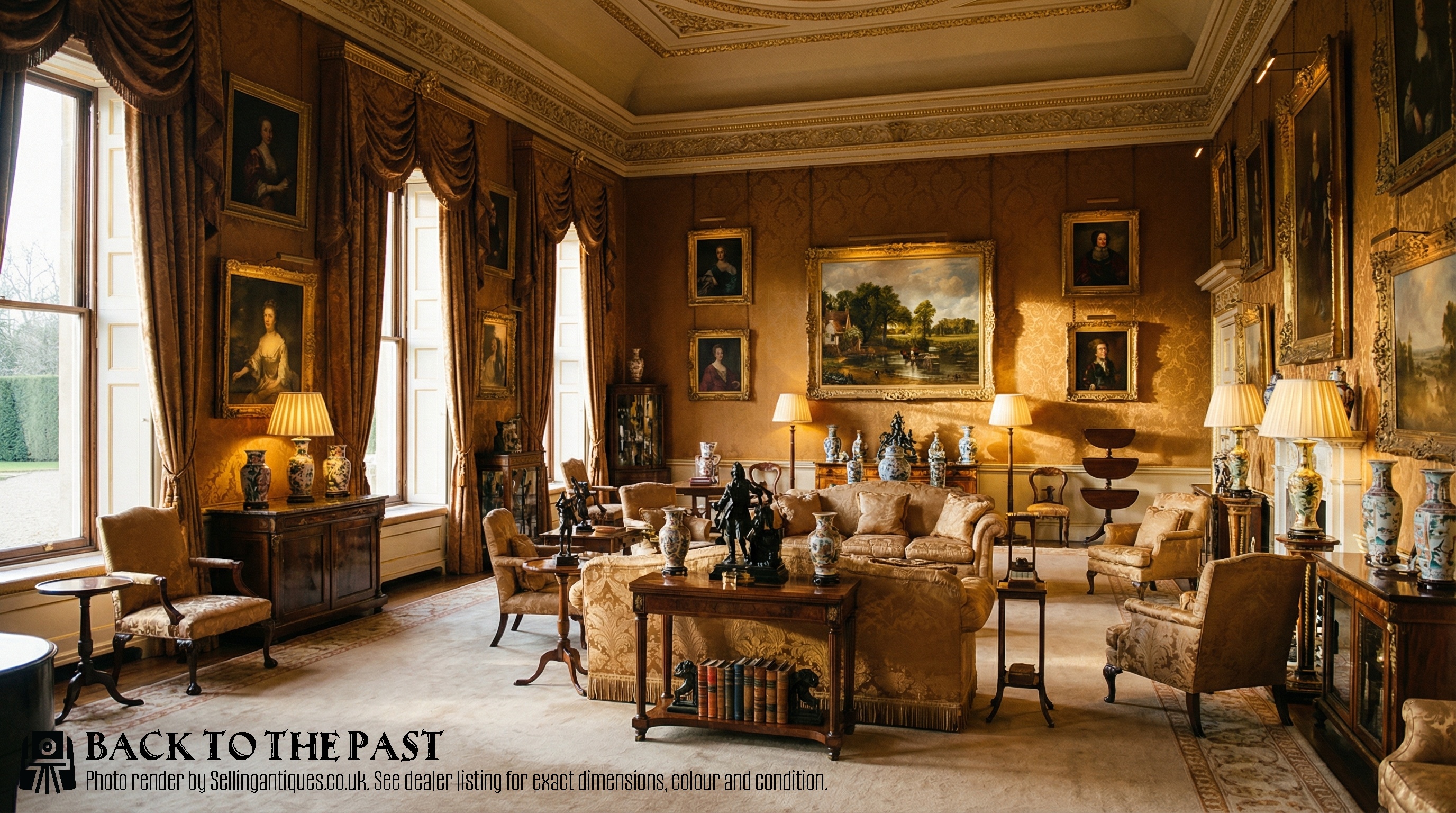
A serving table fits naturally in a modern dining room, hallway, or large living room against a blank wall. Its shallow depth compared to a standard dining table makes it practical for narrow spaces.
Styling works best when topped with lamps, ceramics, or a decorative tray while leaving the primary timber surface visible to showcase the grain and colour.
How do I distinguish regional styles?
Irish examples often display heavier, bolder carving and dense timber, while Scottish pieces feature distinct proportions and local hardwoods or dramatic flame veneers. English workshops adhered more strictly to published design books of the period.
Examining the secondary timbers used in drawer linings and carcases helps confirm the geographical origin of the workshop.
What is the difference between a sideboard and a serving table?
A serving table is an open-frame table with legs and occasionally a frieze drawer, whereas a sideboard typically incorporates enclosed cupboards and drawer banks built down to the floor.
Serving tables date earlier in the eighteenth century, while fitted sideboards gained popularity toward the end of the Georgian era.