
Vintage Mahogany Bench
A vintage mahogany bench brings warmth and practical seating to a hallway or bedroom, combining sturdy timber frames with traditional upholstery.

Vintage Mahogany Bench
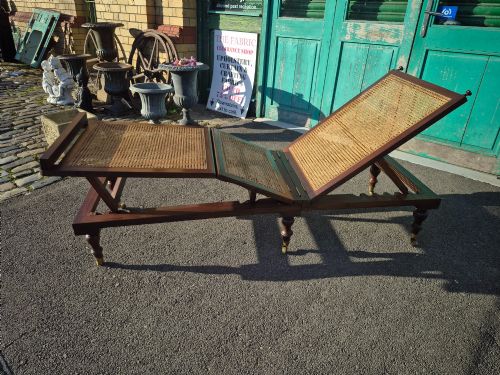
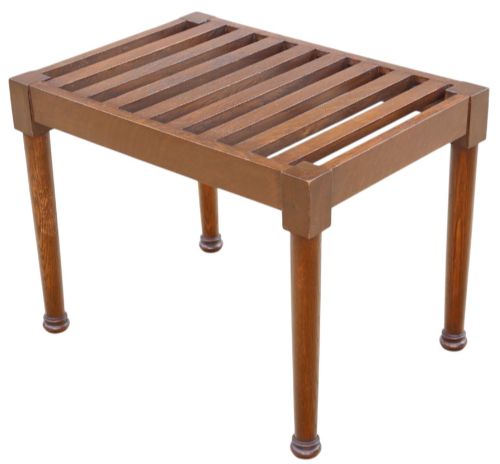
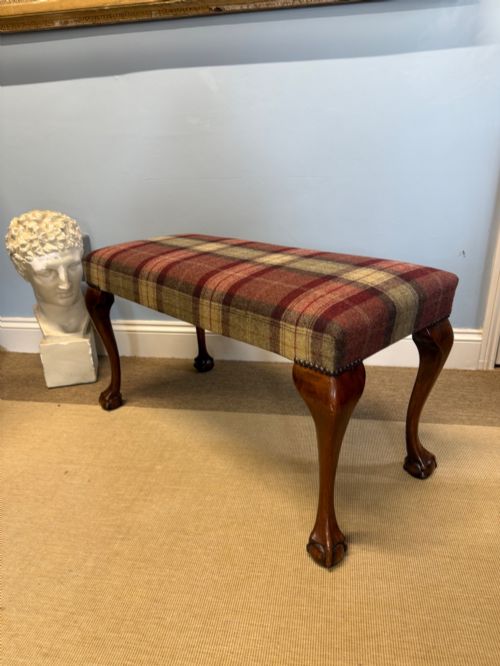
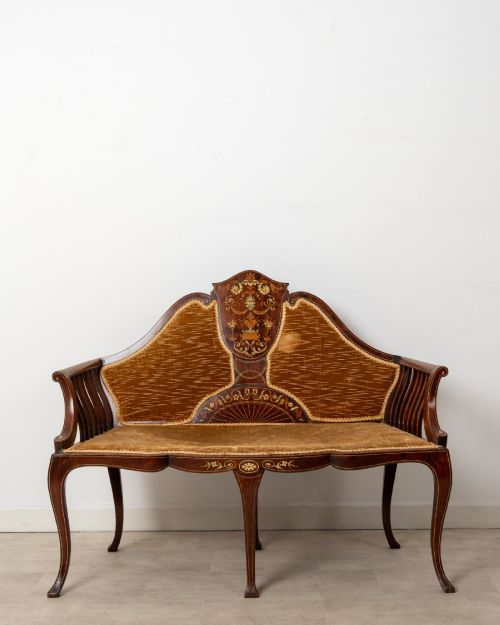
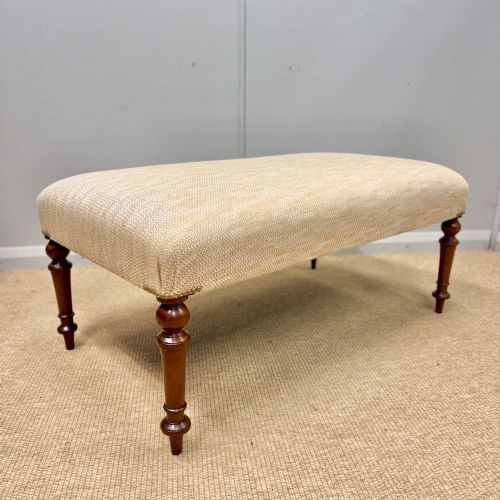
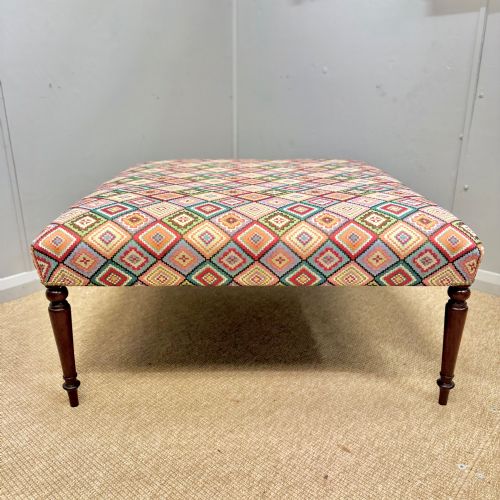
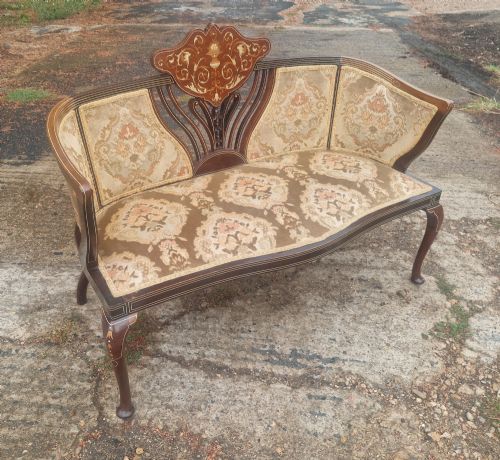
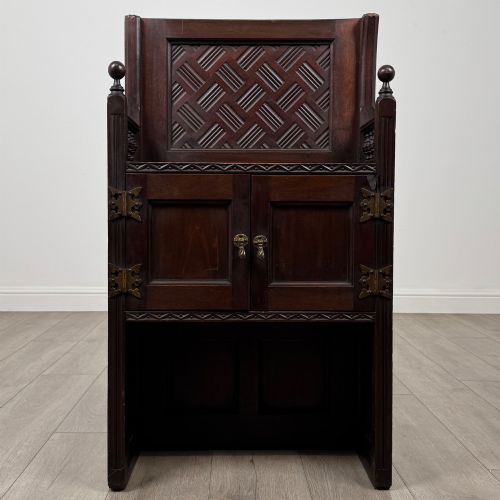
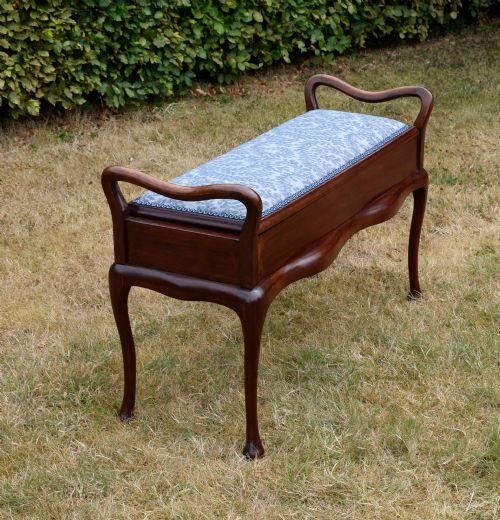
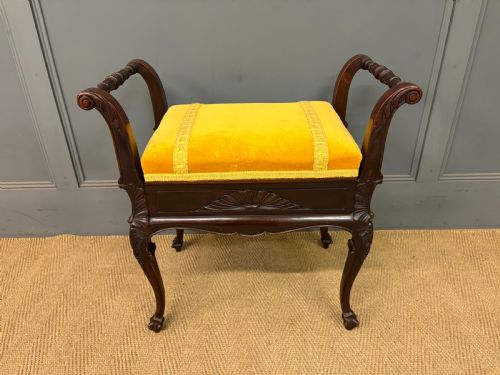
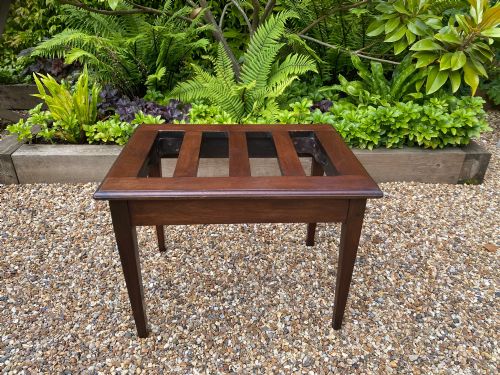
When you search for a vintage mahogany bench, you encounter a diverse range of seating forms spanning the nineteenth and twentieth centuries. The selection includes piano stools, luggage stands, footstools, and small settees constructed from rich brown timber. Edwardian examples and pieces from the nineteen twenties appear most frequently across the listings.
Makers often adapted these versatile forms for specific domestic spaces, from dressing tables to end-of-bed arrangements. Styles draw heavily on earlier design vocabulary, resulting in Georgian revivals, Chippendale influences, and campaign formats. Each piece serves a functional purpose while displaying the distinct grain of mahogany.
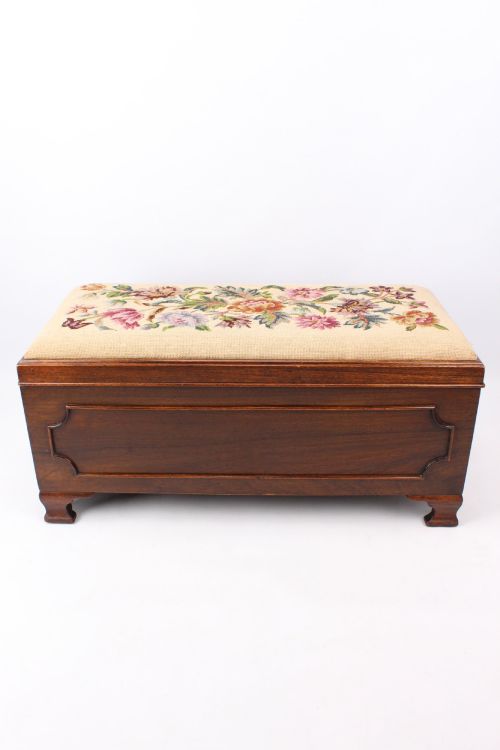
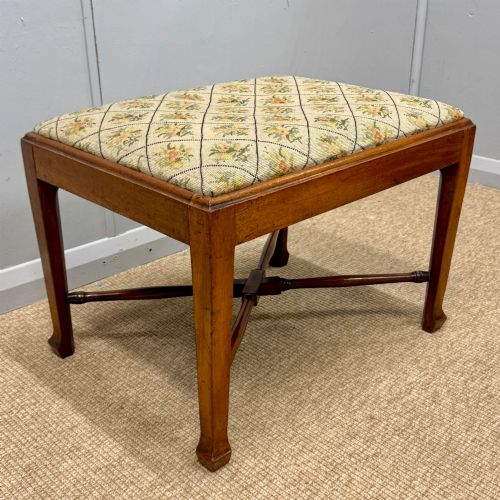
Formats range from simple low footstools with cross stretchers to larger upholstered window seats and duet piano stools. Many retain their original or later textile coverings, including needlework, leather, tapestry, and geometric fabrics. This variety allows a bench to integrate into both traditional interiors and more eclectic modern rooms.
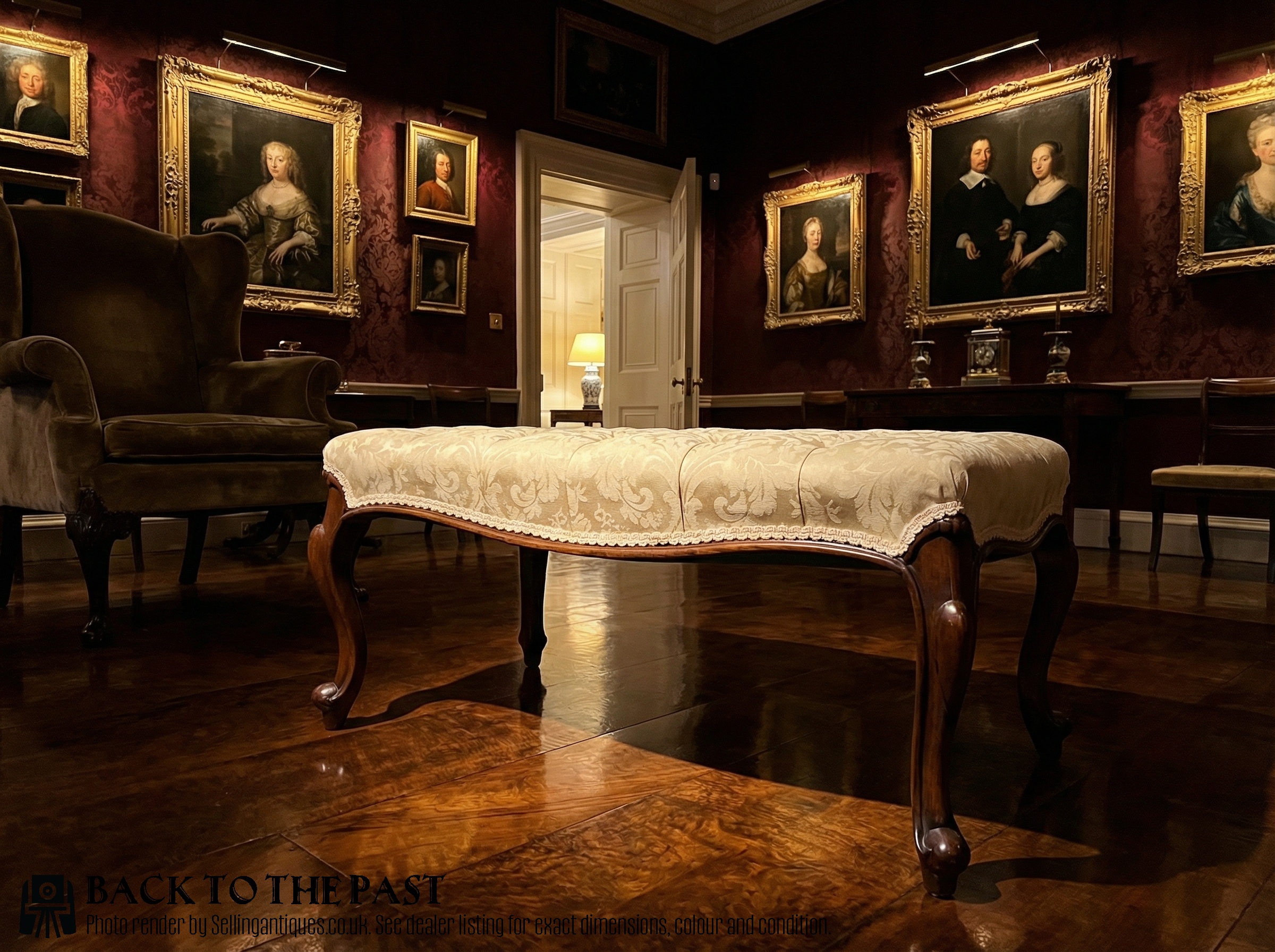
Materials and construction
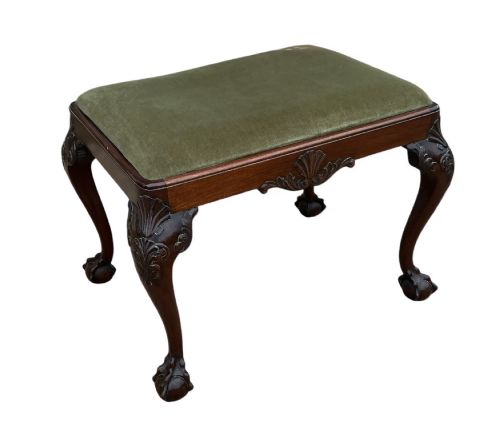
Cabinetmakers relied on solid mahogany for the structural frames, valued for its durability and deep reddish-brown colour. Workshops often enriched these surfaces with subtle inlay work, delicate carving, or turned legs depending on the prevailing style of the period.
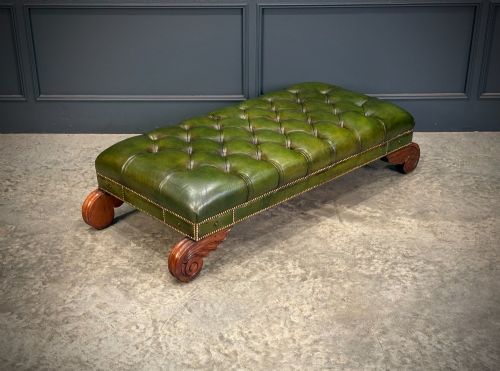
Upholstered elements frequently incorporate traditional stuffing materials secured beneath textiles such as velvet, wool, or buttoned leather. Brass hardware appears on campaign-style luggage stands and folding racks, providing both structural reinforcement and functional detail.
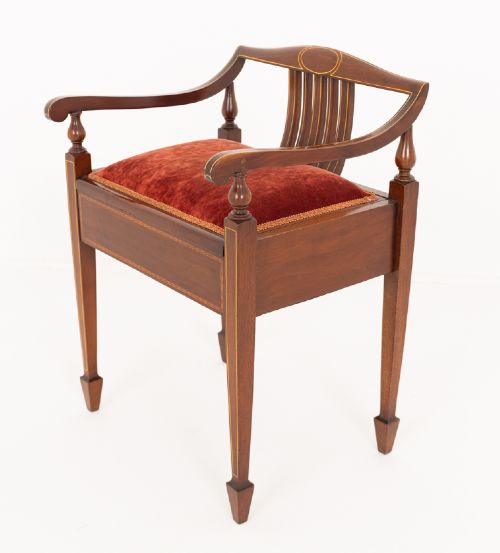
Some piano stools conceal secret sheet music compartments beneath their hinged velvet lids.
Judging quality in mahogany seating
Quality rests primarily on the crispness of the timber carving and the integrity of the underlying frame construction. Finer pieces demonstrate careful joinery and well-figured mahogany grain that has matured with a deep natural lustre over decades.
The standard of upholstery and the choice of covering fabric significantly affect the overall refinement of a bench. Examples that retain sympathetic traditional textiles or high-grade leather upholstery stand apart from simpler utilitarian pieces.
The Vintage Mahogany Bench Glossary
- Mahogany
- A durable tropical hardwood known for its reddish-brown hue and smooth grain. It forms the primary structural material for the frames seen in these listings.
- Luggage stand
- A low folding or rigid rack designed originally for guest chambers to hold trunks. These pieces typically feature slatted tops and raised rear supports.
- Piano stool
- A seat designed for keyboard players, often featuring adjustable height mechanisms or compartment storage beneath the hinged top for sheet music.
- Caned top
- A seating surface woven from split rattan or cane in a decorative mesh pattern. This technique offers a lightweight and flexible alternative to solid upholstery.
Vintage Mahogany Bench: Frequently Asked Questions
How were luggage stands used originally?
Hosts placed these stands at the foot of guest beds to hold heavy leather travel trunks off the floor. The raised rear upstand prevented luggage from sliding against the wall.
Today, buyers repurpose these sturdy racks as occasional tables or tray stands in living spaces. Their compact proportions make them useful in narrow hallways and bedrooms.
Where should I place an Edwardian window seat?
These upholstered benches fit naturally beneath low casement windows or at the end of a double bed. Their slender mahogany frames provide convenient seating without blocking natural light.
They also work effectively in entrance halls as a place to sit when removing shoes. The low profile keeps sightlines open across the room.
How do I care for mahogany and leather?
Apply a traditional beeswax polish sparingly to the timber frame to nourish the grain and maintain its subtle sheen. Avoid placing the bench near direct heat sources that might dry out the wood.
Treat leather upholstery with a suitable conditioner to keep the surface supple. Regular dusting with a soft dry cloth prevents particulate build-up on the textiles.
What defines a campaign style bench?
Campaign pieces draw inspiration from portable military furniture designed for officers on the move during the nineteenth century. They often feature robust mahogany frames and brass corner brackets.
This functional aesthetic translates into sturdy construction intended for easy relocation. The resulting look remains practical and visually distinct.