





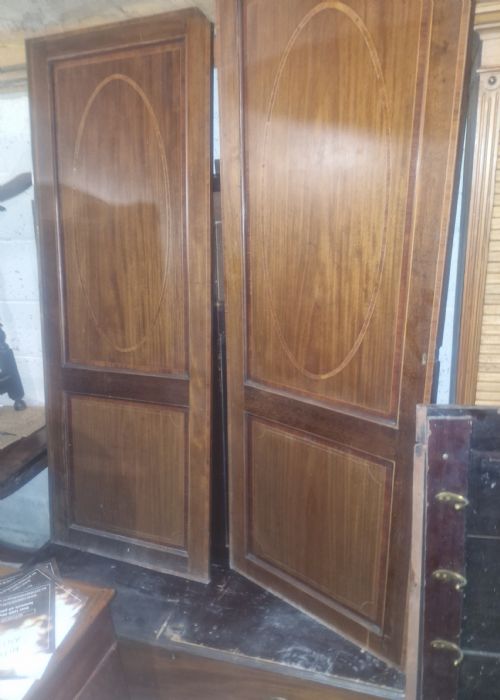


Inlaid Wood Sofa
When you trace an inlaid wood sofa through Regency parlours and Edwardian drawing rooms, you find timber enriched with precise botanical lines.

Inlaid Wood Sofa
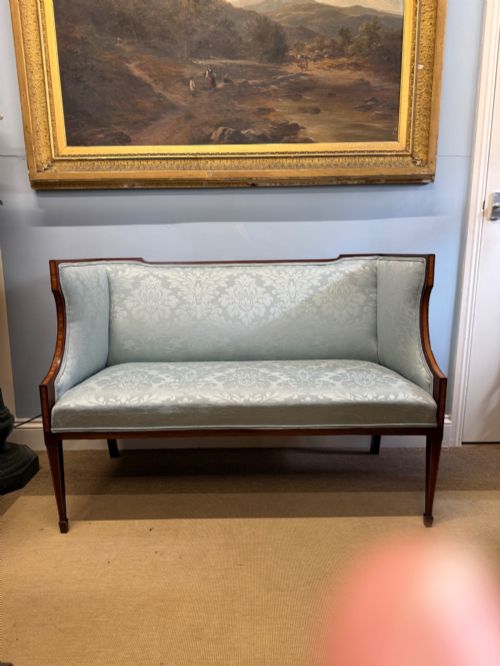
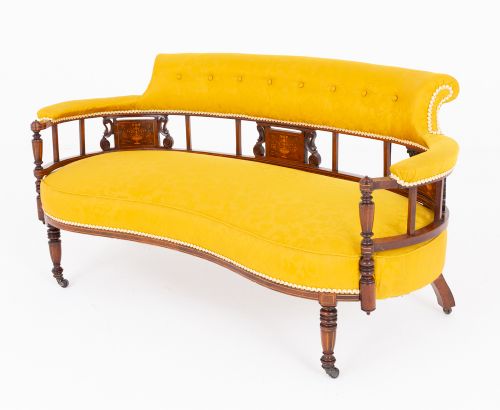
An inlaid wood sofa brings together structural timber and contrasting decorative veneers, spanning periods from the late Georgian era through to Edwardian production. The examples found here range from upholstered two-seater settees and salon couches to specialised tables designed to sit alongside seating.
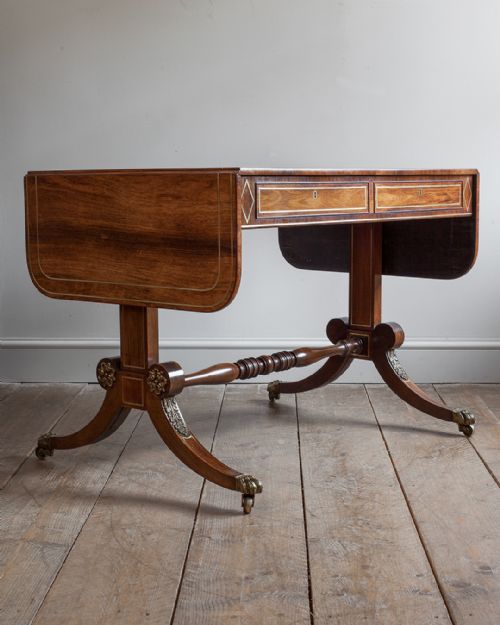
The form appears most frequently in Regency rosewood variants featuring cut brass or contrasting wood inlays, alongside Edwardian mahogany and satinwood frames. These pieces served as principal reception room seating or freestanding centre pieces in period homes.
How They Were Made
Cabinet makers utilised dense hardwoods such as mahogany, rosewood, and walnut as the primary structural foundations, often selecting burr or flame veneers for figured grain surfaces. Wood inlay, marquetry, and boxwood lines were meticulously fitted into routed channels to create geometric or floral motifs.
Metal elements played an integral structural and decorative role, with brass stringing and cut brass mounts embedded directly into the timber surfaces. Upholstered versions relied on traditional stuffing and webbing techniques beneath silk, velvet, or fabric coverings.
Listings feature rosewood, mahogany, satinwood, and walnut across Victorian, Edwardian, and Regency periods.
What Varies in Quality
The distinction between tiers rests upon the precision of the cabinet work and the choice of secondary timbers. Finer examples display seamless flush fitting of delicate veneers where contrasting wood types meet without gaps or excessive filler.
Makers achieved superior results through restrained, balanced composition in their marquetry rather than crowded ornamentation. The structural integrity of the frame, alongside the crispness of carved details and brass mounts, dictates the overall execution.
Gillows
The Inlaid Wood Sofa Glossary
- Inlay
- The technique of inserting pieces of contrasting material into a depressed wood ground to form a decorative design. This method defines the primary visual interest of these seating pieces.
- Marquetry
- Elaborate veneer work arranged to form pictorial or scroll patterns across furniture surfaces. It differs from simple inlay by covering the entire background rather than distinct lines.
- Satinwood
- A durable, lustrous yellowish timber native to India and Ceylon, frequently utilised for contrasting details. Cabinet makers prized its pale reflectance against darker woods like mahogany.
- Ormolu
- Gilded bronze mounts applied to furniture edges and legs during the Regency and nineteenth century periods. These elements provided metallic contrast to dark rosewood surfaces.
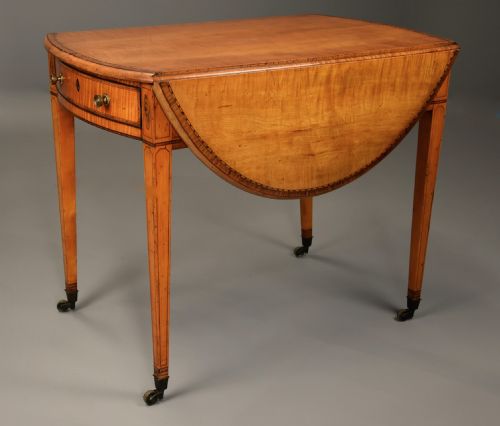
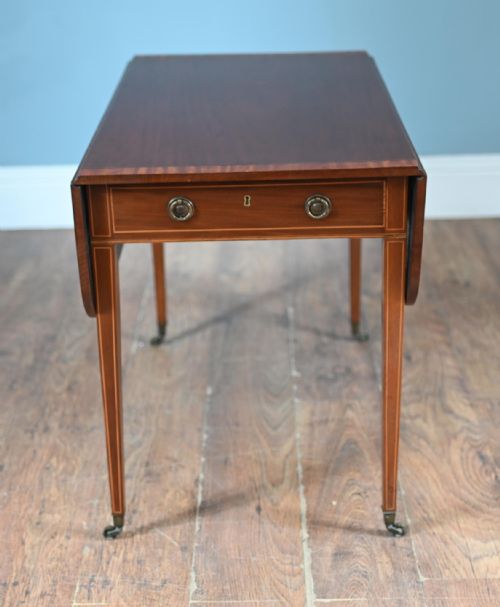
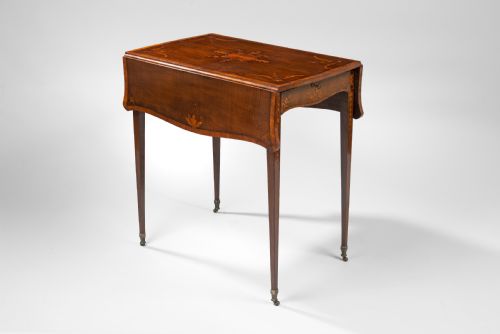
- Pembroke table
- A drop-leaf occasional table featuring hinged flaps on opposing sides, often grouped alongside seating furniture in historical interiors. They share material vocabularies with contemporary sofas.
Inlaid Wood Sofa: Frequently Asked Questions
Where did these sofas sit?
Historical interiors positioned these pieces centrally within principal drawing rooms or against panelled walls where light could catch the polished timber surfaces. They functioned as formal reception seating for guests rather than casual lounging furniture.
Smaller upholstered settees often anchored conversational groupings near fireplaces or beneath tall windows in nineteenth century townhouses.
How do I date an inlaid sofa?
Dating relies on combining the underlying wood species with the style of the decorative inlay and frame architecture. Regency examples favour rosewood with brass stringing, while Edwardian pieces often employ satinwood panels set into lighter mahogany.
Secondary timber choices and construction methods underneath the upholstery provide further clues to the exact manufacturing decade.
How should I care for inlaid wood?
Maintenance requires stable indoor humidity levels and protection from direct sunlight to prevent the natural wood veneers from drying and lifting. Regular dusting with a soft, dry cloth preserves the polished surface without abrasive cleaners.
Waxing should occur infrequently, utilising traditional formulations that nourish the underlying timber without building up heavy residues.
What is the difference between a sofa and a settee?
Period terminology often used these words interchangeably, though settees historically described fully upholstered two-seater wooden frames with arms. Sofas in nineteenth century contexts frequently incorporated exposed decorative wood show-frames alongside padded cushions.
Both forms shared the same drawing room environments and matched the accompanying occasional tables of their respective decades.