
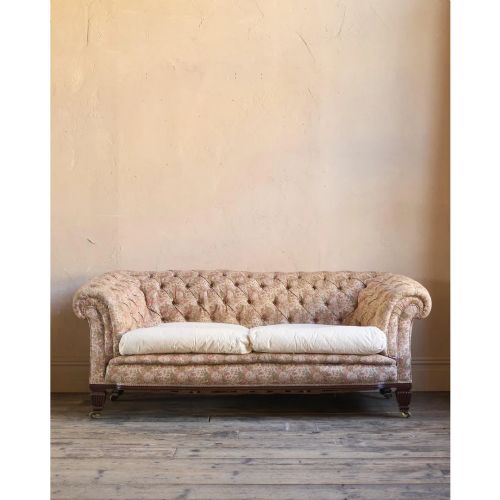

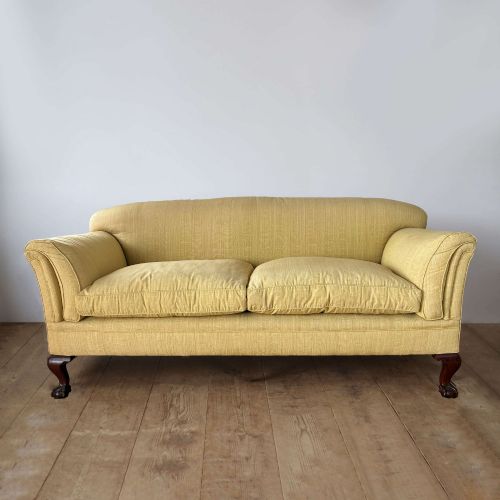


Two Seat Mahogany Settee
A two seat mahogany settee brings enduring warmth and formal seating to a room, offering compact luxury through classic wood frames and soft upholstery.

Two Seat Mahogany Settee
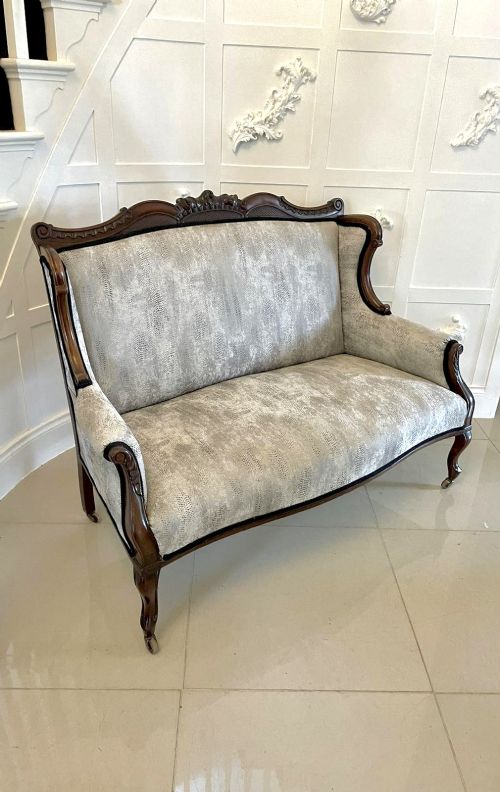
When you search for a two seat mahogany settee, you look at a compact upholstered seating form designed for parlours, drawing rooms, and bedrooms. These pieces provide comfortable seating for two individuals without dominating a smaller interior space.
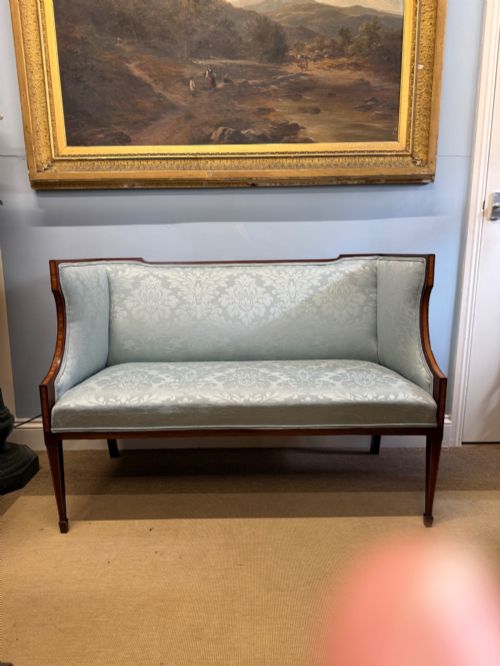
The selections available range from 18th Century Chippendale and Georgian examples to 19th Century Victorian creations and Edwardian salon pieces. Edwardian inlaid mahogany versions and late 19th Century revival styles appear most frequently across these records.
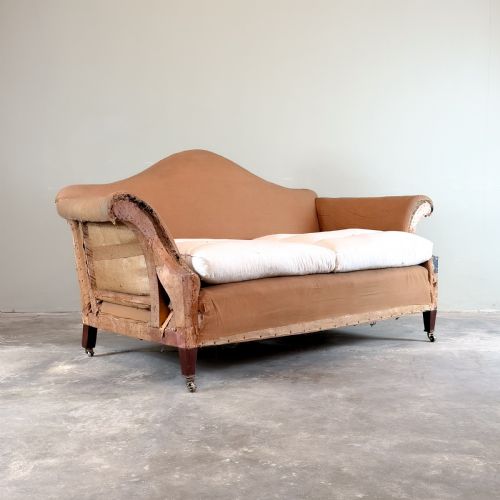
Makers and designers referenced in the broader historical context include Howard and Sons alongside Irish makers in the manner of Butlers of Dublin. The forms encompass camel backs, chair-back sofas, and show wood frames fitted with brass accents.
How They Were Made
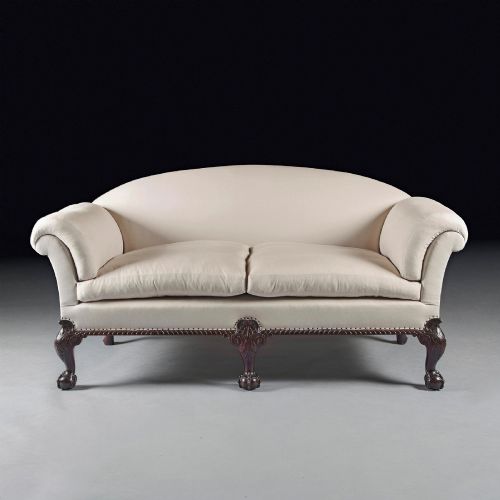
The primary structural timber is mahogany, often accented with satinwood inlay, marquetry, and bone details. Artisans shaped the dense wood into intricate frames featuring ball and claw feet, fretwork, and curved show wood borders.
Upholstery materials include traditional fabric, velvet, and specialised upholstery fabric paired with brass mountings or ormolu details. Many frames accommodate classic springing and stuffing methods designed to support long periods of sitting.
Some Edwardian settees arrived with matching armchairs, ensuring that nobody in the parlour had to sit alone.
What Varies in Quality
The refinement of the carved wood elements and the precision of the satinwood inlay set finer pieces apart from standard workshop output. Crisp execution of ball and claw feet and delicate fretwork demonstrate superior cabinet-making skill.
The integrity of the structural joinery and the selection of figured mahogany timber dictate the overall prestige of an example. Finer specimens display harmonious proportions and sophisticated stylistic revivals like French Empire or Chippendale forms.
Howard and Sons·Butlers of Dublin
The Two Seat Mahogany Settee Glossary
- Settee
- A long upholstered seat with a back and arms, designed for two or more people. This form serves as a lighter alternative to a bulky sofa.
- Satinwood
- A durable, yellowish timber native to India and Ceylon, frequently utilised for contrasting inlay work on mahogany furniture. Cabinet-makers prize it for its lustrous grain.
- Show Wood
- Exposed timber framing on an upholstered piece where the polished wood acts as a prominent decorative element. This highlights the joinery and carving skills of the maker.
- Camel Back
- A serpentine upholstered sofa back featuring a distinctive rising curve resembling a camel's hump. This profile gained popularity during the Georgian and Edwardian periods.
- Ormolu
- Gilt bronze ornamentation applied to furniture mounts, adding a neoclassical decorative touch. It appears frequently on French Empire revival salon pieces.
Two Seat Mahogany Settee: Frequently Asked Questions
Where did people place these settees?
These compact seats found homes in formal drawing rooms, private boudoirs, and window recesses where space remained at a premium.
They also served as end of bed furniture or intimate seating arrangements within larger reception spaces.
How do I style a mahogany settee today?
Pair the rich timber frame with neutral or patterned fabrics that complement the existing colour palette of your room.
Allow the exposed mahogany structure and inlay work to remain visible as a focal point against plain walls.
Can I use these for daily seating?
Most antique examples provide sturdy construction, though internal webbing and stuffing may require periodic professional updating.
Consider the depth and height of the seat to ensure it matches your comfort preferences for regular use.
How do I tell Edwardian from Georgian examples?
Georgian versions typically display heavier proportions, robust timber selection, and traditional Chippendale or George II stylistic influences.
Edwardian pieces often incorporate lighter satinwood inlay, delicate marquetry, and brighter polished mahogany surfaces.