






Vintage Lustreware Bowl
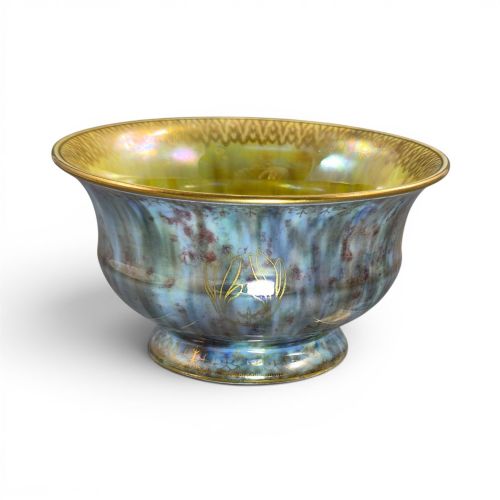
A vintage lustreware bowl brings an iridescent, metallic sheen to a room, catching the light with rich glazes and intricate patterns.
Vintage Lustreware Bowl
When searching for a vintage lustreware bowl, collectors typically encounter decorative vessels originating from the nineteenth and early twentieth centuries. These pieces display distinct styles ranging from Victorian folk art and Edwardian designs to striking Art Nouveau and Art Deco patterns.
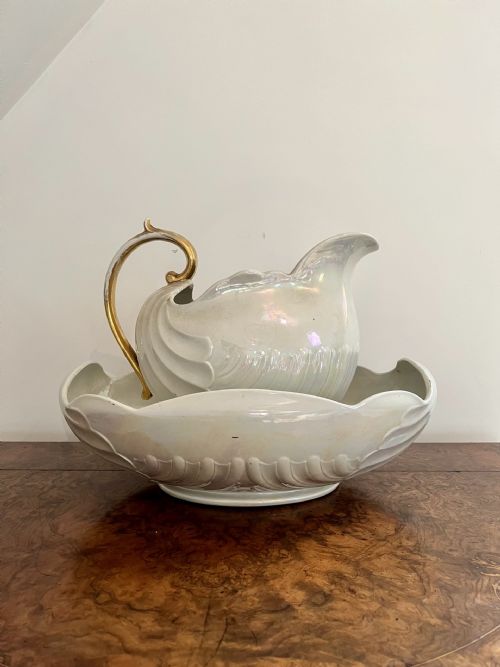
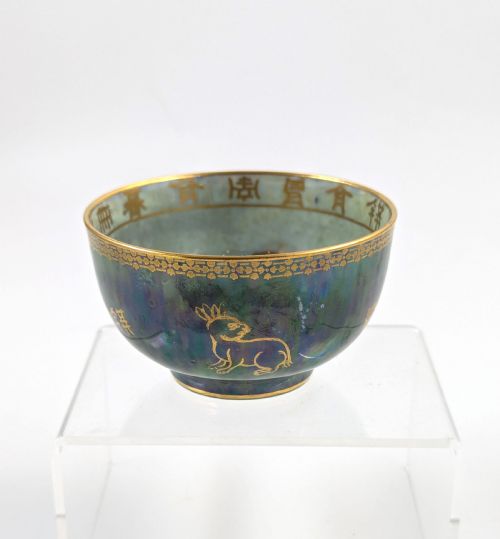
The selection on this page centres heavily on early twentieth-century examples, particularly Edwardian pieces from around nineteen fifteen, alongside nineteenth-century Sunderland ware and 1930s Maling pottery. Forms vary from large decorative bowls and octagonal shapes to miniature cups and jug and bowl sets.
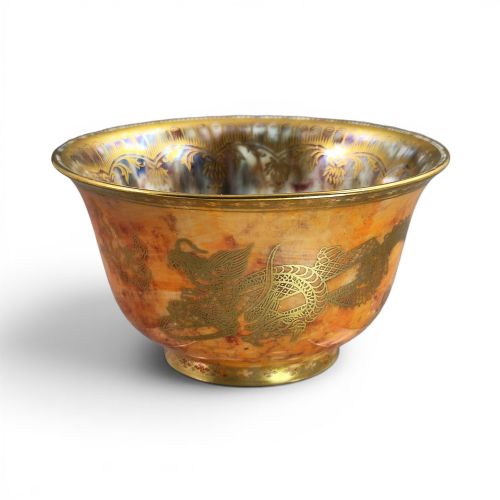
Makers utilise specific motifs such as dragons, butterflies, phoenixes, and tulips to decorate the surface. Buyers choose these items for their vibrant colour palettes and striking visual depth, which set them apart from standard ceramic tableware.
Assessing quality and execution
Quality in these bowls rests upon the complexity of the design and the richness of the metallic finish. Pieces featuring detailed pictorial scenes, such as dragons or fairyland motifs, demonstrate a higher tier of artistic execution than plain glazed surfaces.
The crispness of the transfer printing or hand-painted details dictates the overall refinement of the piece. Superior examples maintain an even, luminous iridescence across the entire glaze without dull patches or uneven pooling.
Vintage Lustreware Bowl Retail Price Guide 2026
Typical asking prices for vintage lustreware bowl among the pieces listed under this phrase on Sellingantiques today, from the lower quarter to the upper quarter. They describe what is for sale here now, not the wider market.
Sailors once carried heavy earthenware bowls home from port, trusting iridescent glazes to brighten dimly lit seaside cottages.
Wedgwood·Maling·Shelley·James Hodgkiss·Daisy Makeig Jones
The Vintage Lustreware Bowl Glossary
- Lustre Glaze
- A type of ceramic glaze containing metallic salts that produce an iridescent, reflective surface upon firing. This technique gives the pottery its characteristic metallic shine.
- Bone China
- A type of soft-paste porcelain incorporating bone ash, known for high strength and translucency. It provides a smooth white base for vibrant glaze applications.
- Octagonal Bowl
- A vessel shape featuring eight distinct sides rather than a standard circular profile. This geometric form appears frequently in early twentieth-century decorative pieces.
- Gilt
- A thin layer of gold applied to the surface of the ceramic for decorative emphasis. It highlights rims, handles, and specific pattern elements.
Vintage Lustreware Bowl: Frequently Asked Questions
What is a lustreware bowl?
A lustreware bowl is a ceramic vessel finished with a metallic glaze that creates a shiny, iridescent appearance. Potters achieve this effect by applying metallic compounds during the firing process.
These bowls served primarily as decorative display pieces rather than functional tableware. Their reflective surfaces catch ambient light, making them focal points in a room.
How do I date an Edwardian lustre bowl?
Dating an Edwardian lustre bowl involves examining the maker's mark, stylistic markers, and the period of production around nineteen hundred to nineteen ten. Design traits from this era often lean toward intricate illustrative motifs.
Comparing the specific pattern name and glaze style against known production records helps confirm the decade. Many pieces from this time bear distinct signatures or registry numbers.
What periods do these bowls come from?
The listings span from the nineteenth century through the Edwardian era and into the nineteen thirties. Each period brings distinct aesthetic choices, from folk art traditions to Art Deco styling.
Early twentieth-century pieces form a large portion of the available selection. Victorian examples often feature regional folk art designs such as Sunderland sailor themes.
How should I display a vintage bowl?
Display these bowls in well-lit areas where natural light can activate the iridescent glaze. Placing them on open shelves or cabinets allows the metallic sheen to stand out.
Ensure the bowls rest on stable, flat surfaces away from heavy foot traffic. Due to their decorative nature, keeping them out of daily utility use preserves the delicate surface.