

Vintage Library Book Stand
A vintage library book stand brings practical organisation and period charm to a study, offering sturdy platforms for daily reading.
Vintage Library Book Stand
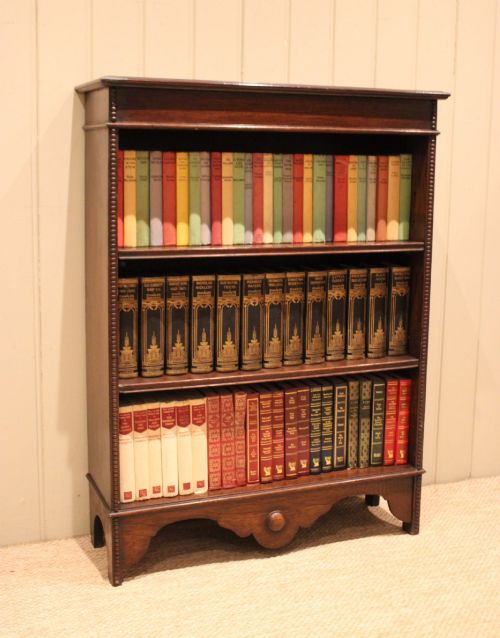
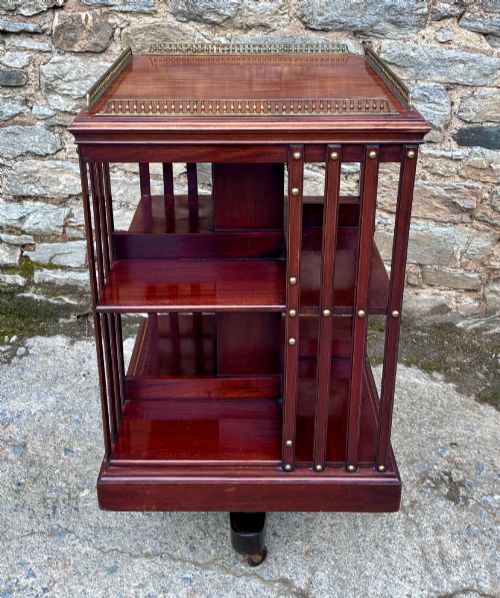
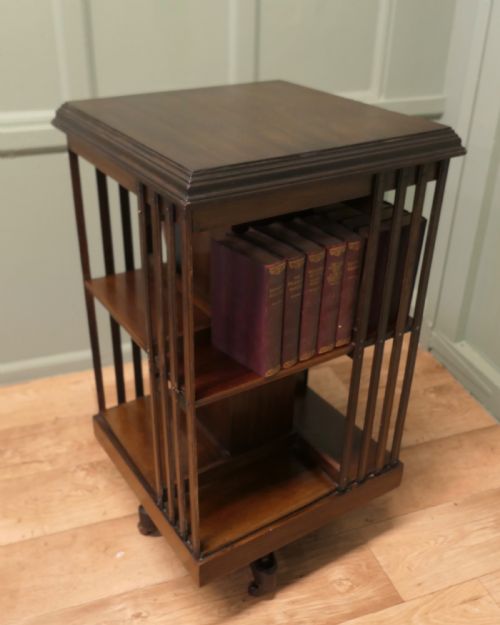
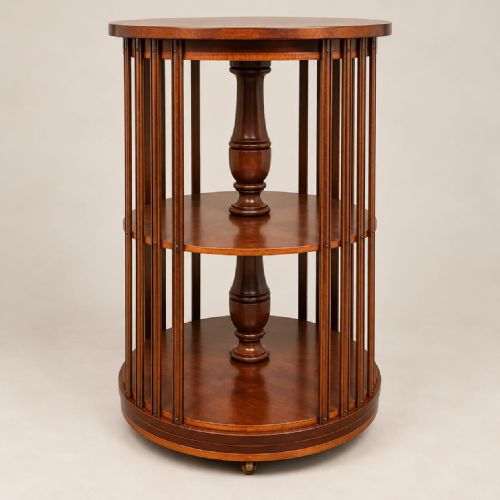
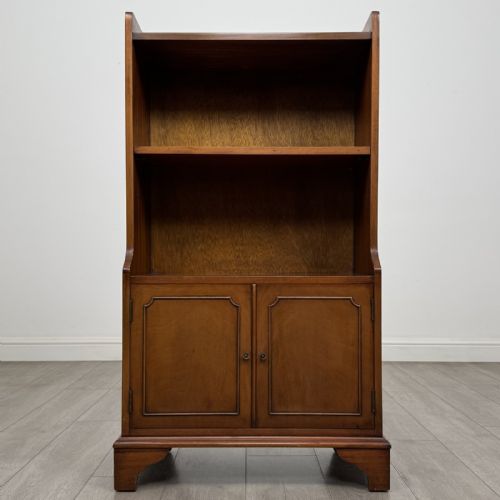
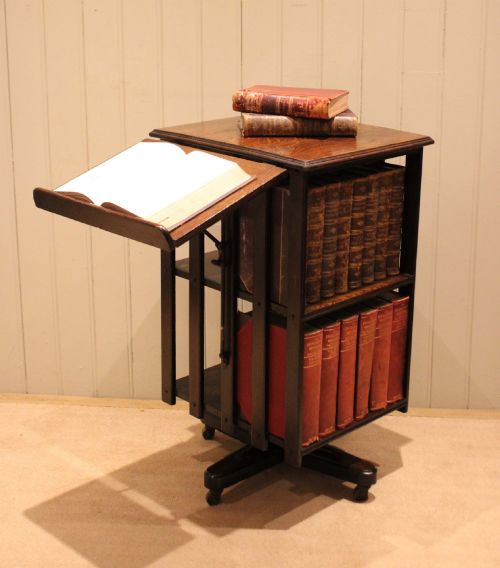
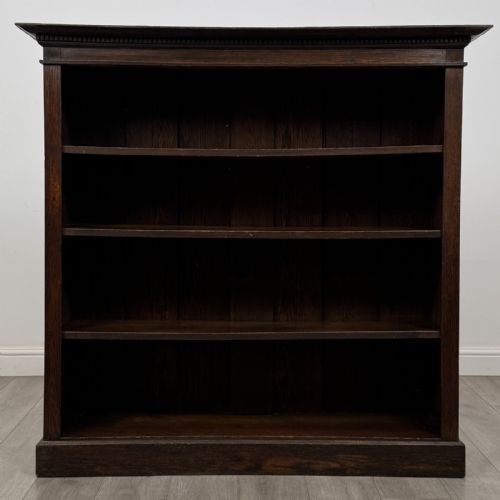
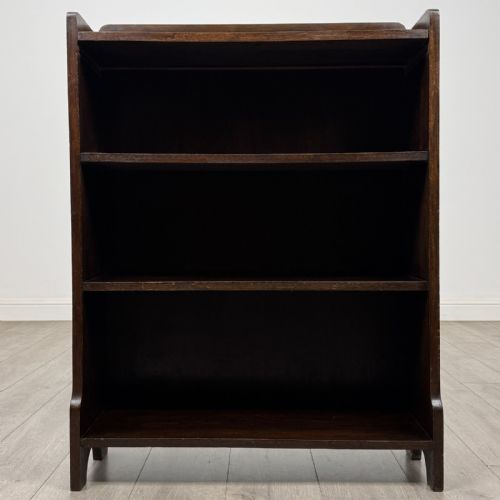
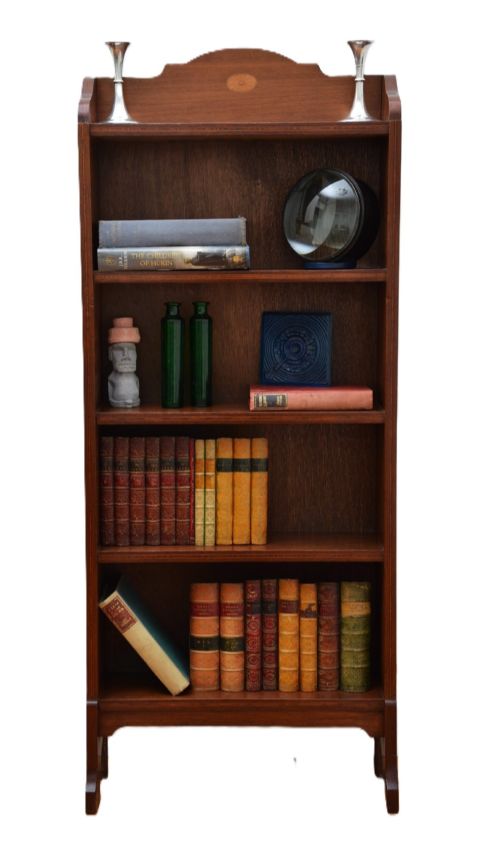
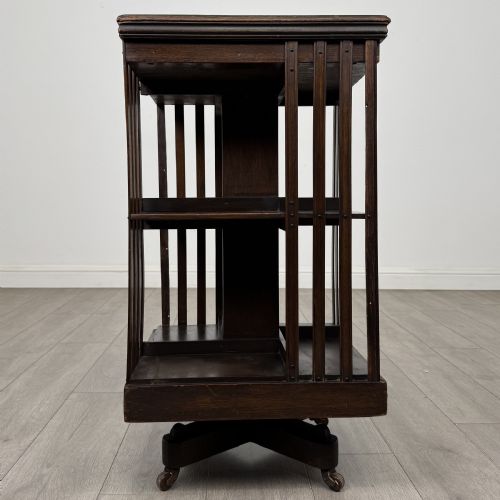
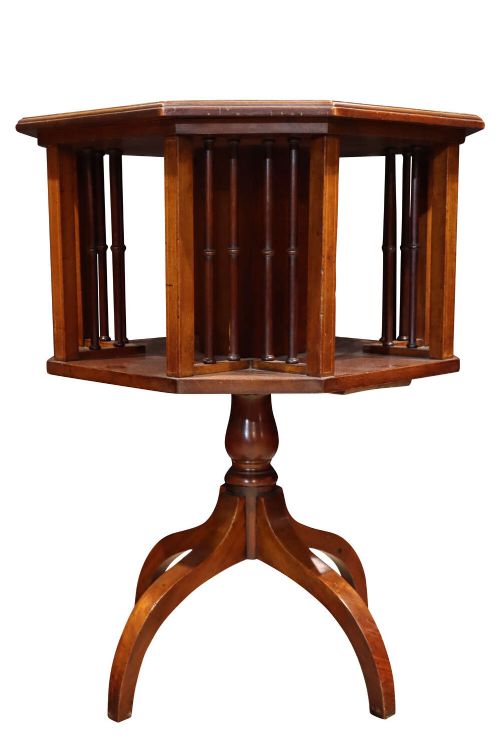
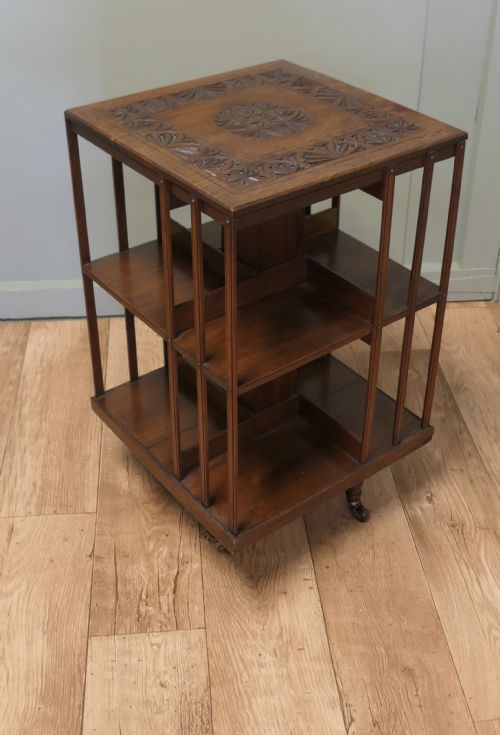
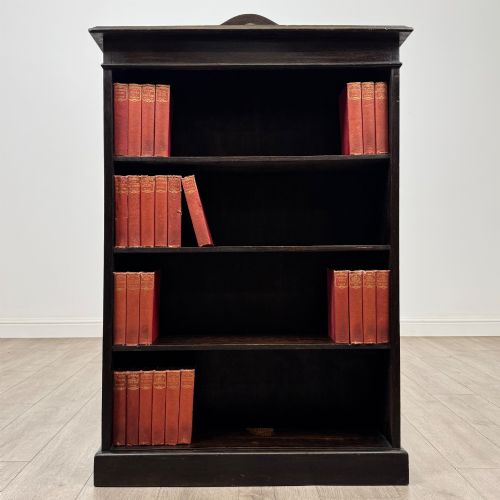
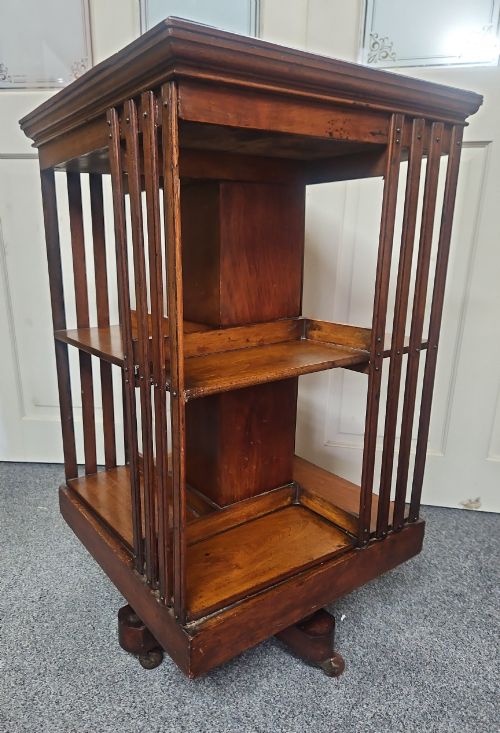
When you search for a vintage library book stand, you encounter a practical assortment of nineteenth and twentieth century furniture designed to hold volumes conveniently near a desk or chair. The selection spans open bookcases, revolving bookcases, reading tables, and reading stands originating from periods such as the Victorian and Edwardian eras.
How they were made
Cabinet makers utilised dense hardwoods like mahogany, oak, walnut, and satinwood to construct these pieces, ensuring structural durability for heavy volumes. Selected examples incorporate brass details, iron, cast iron, and metal fittings to support revolving mechanisms or adjustable reading frames.
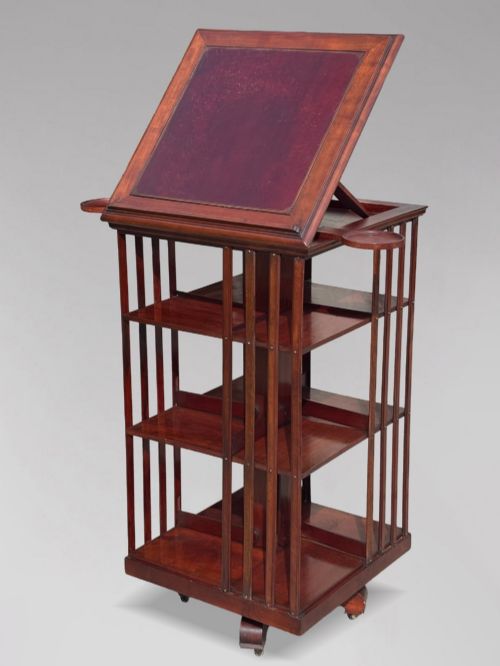
Construction techniques include traditional joinery paired with decorative elements such as flame mahogany veneers and inlaid woodwork. Certain items feature functional additions like brass castors for mobility and adjustable mechanisms for reading angles.
Vintage Library Book Stand Retail Price Guide 2026
Typical asking prices for vintage library book stand among the pieces listed under this phrase on Sellingantiques today, from the lower quarter to the upper quarter. They describe what is for sale here now, not the wider market.
Listings feature pieces spanning the Victorian and Edwardian periods, constructed primarily from mahogany, oak, walnut, and satinwood.
What varies in quality
The standard of a piece depends heavily on the selection of timber, visible in the grain of the figured walnut, mahogany, or oak. Superior examples display careful timber matching, refined inlay work, and robust revolving mechanisms that turn smoothly without wobbling.
Design sophistication also dictates the grade of the item, separating utilitarian storage from pieces featuring decorative brass mounts, shaped shelves, and well-executed joinery. The integrity of the original hardware and the crispness of any inlaid details further distinguish finer examples.
The Vintage Library Book Stand Glossary
- Revolving bookcase
- A freestanding bookcase designed to rotate on a central spindle or pivot base for easy access to books from any angle.
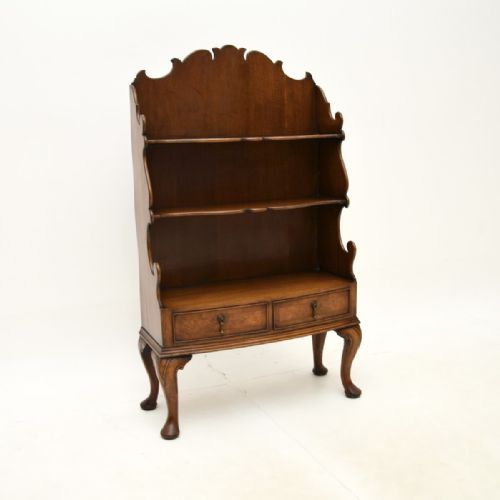
- Waterfall bookcase
- A set of open shelves arranged in a stepped progression where each tier is narrower than the one beneath it.
- Reading table
- A specialised table built with an adjustable top surface or book rest intended for comfortable study and writing.
- Inlay
- A decorative technique where contrasting strips of wood or other materials are fitted into the surface to form patterns.
- Castor
- A small wheel mounted on a swivel attached to the base of furniture to allow easy movement across the floor.
Vintage Library Book Stand: Frequently Asked Questions
What is a revolving bookcase used for?
A revolving bookcase provides accessible storage for a collection of frequently used volumes within arm's reach of a desk or armchair. Its rotating mechanism allows users to browse titles quickly without needing to move around the furniture.
These compact units serve well in studies, libraries, and living spaces where floor area is limited yet practical book storage remains essential.
How do I date an Edwardian oak bookcase?
An Edwardian oak bookcase typically dates from the period between nineteen hundred and nineteen ten, exhibiting the characteristic lighter timber tones popular during that era. Examining the construction methods, such as machine-sawn backing boards and simpler joinery, helps confirm the timeline.
These pieces often display understated Arts and Crafts influences or straightforward Edwardian styling without the heavy ornamentation found in earlier Victorian furniture.
Where should I place a reading stand?
A reading stand suits placement beside a comfortable armchair, reading desk, or by a window where natural light falls across the pages. Desk-top versions sit securely on larger tables to hold open volumes at a comfortable viewing angle.
Positioning the stand away from direct heat sources protects the timber and veneer from drying out or splitting over time.
What is the difference between Victorian and Edwardian bookcases?
Victorian bookcases generally feature darker, heavier timbers such as rich mahogany and walnut, often accompanied by dense carvings and formal styling. They reflect the more ornate interior tastes of the nineteenth century.
Edwardian pieces tend to utilise brighter oak and satinwood alongside lighter inlaid details, embracing a more open and simplified aesthetic as tastes shifted towards airier domestic spaces.