



Vintage Lalique Dish
A vintage lalique dish brings tactile French glass artistry into a room through moulded relief and catching light.
Vintage Lalique Dish
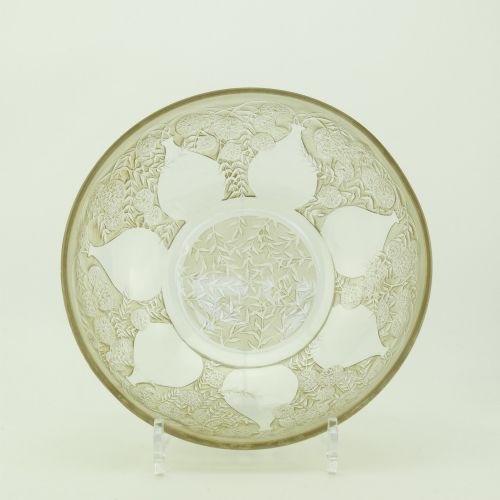
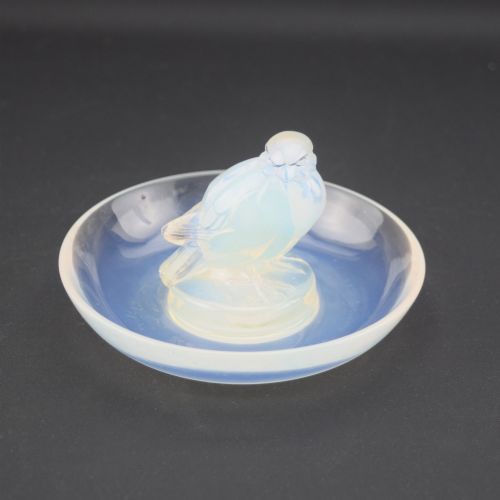
When you search for a vintage lalique dish, you encounter decorative plates, shallow bowls, chargers and pin dishes created during the early twentieth century. The period spans from the Edwardian era through the nineteen-twenties and nineteen-thirties, aligning with Art Nouveau and Art Deco aesthetics.
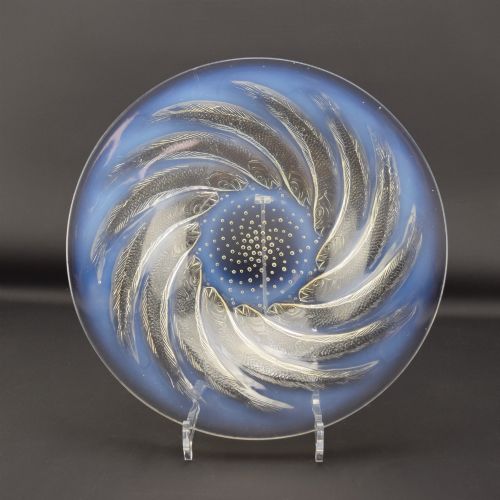
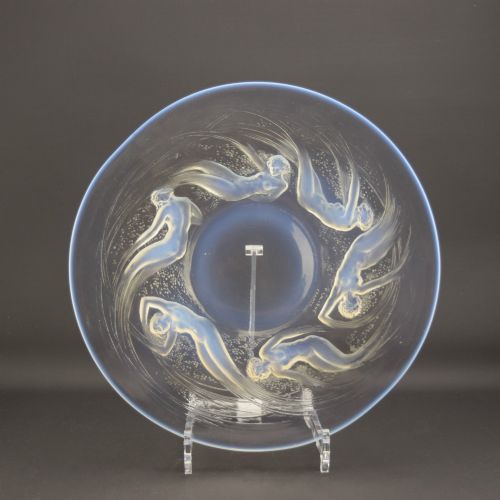
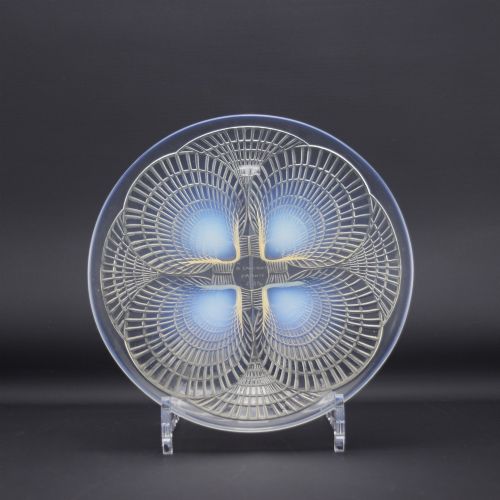
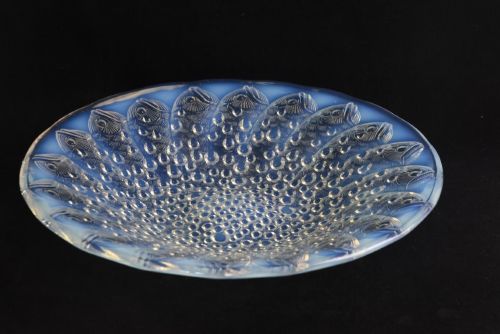
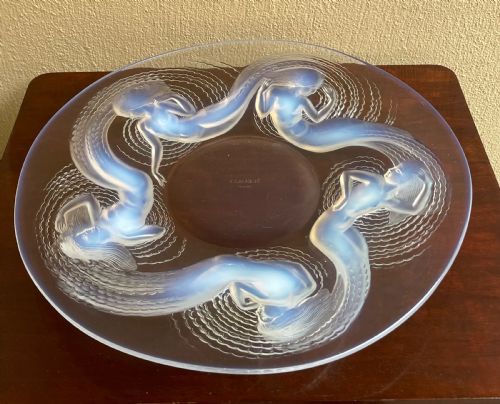
You meet pieces bearing specific naturalist and mythological titles such as Ondines, Coquilles, Poissons and Calypso. These forms range from small ashtrays and powder boxes to large chargers and footed bowls.
The objects combine utility with sculptural glass design, functioning historically as serving pieces, ashtrays, or decorative table centrepieces.
Materials and technique
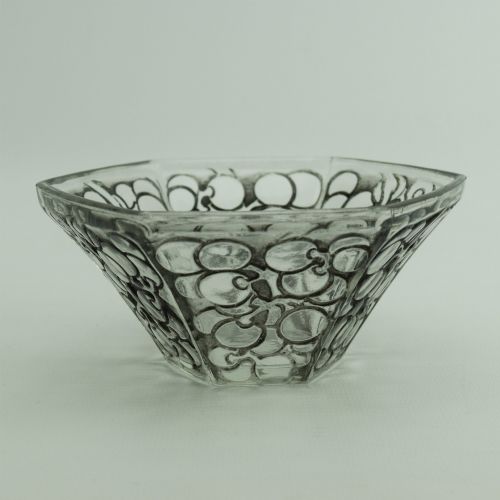
Makers utilise glass pressed into moulds, exploiting the tactile qualities of opalescent, frosted, clear, and amber glass. Some examples incorporate sepia stain, grey stain, or enamel to accentuate the moulded relief.
The manufacturing process relies on precision casting to achieve deep relief ornamentation, showing floral, animal, and human motifs that catch and refract ambient light across the surface.
Listings span periods from nineteen-ten through the nineteen-thirties, featuring Art Nouveau and Art Deco styles across various moulded glass forms.
Evaluating quality and execution
Quality rests upon the crispness of the moulded relief and the depth of the opalescence within the glass. Superior examples display vivid milk-blue optical effects in transmitted light and warm amber tones in reflected light.
The sophistication of surface finishes, including the selective application of sepia stain or enamel work, separates standard production from finer sculptural achievements.
Rene Lalique·Verlys
The Vintage Lalique Dish Glossary
- Opalescent glass
- A type of glass that appears milky-blue when viewed by transmitted light and warm amber or yellow when viewed by reflected light. This optical property creates shifting colour tones across moulded glass relief.
- Coupe ouverte
- An open bowl or shallow dish form utilised for decorative display or serving. These open vessels showcase continuous perimeter patterns.
- Sepia stain
- A dark brownish pigment applied to the recessed areas of moulded glass. The stain highlights sculptural details and contrasts against clear or frosted surfaces.
- Frosted glass
- Glass treated to achieve a matte, non-reflective surface texture. This finish diffuses light and accentuates the contours of botanical or figurative designs.
Vintage Lalique Dish: Frequently Asked Questions
What are vintage lalique dishes used for?
These glass objects served various domestic functions in the early twentieth century, acting as ashtrays, powder boxes, pin trays, and decorative table dishes.
Today, collectors display them on surfaces to appreciate their sculptural form and the optical properties of opalescent glass.
How do I identify Art Deco periods?
Art Deco pieces from the nineteen-twenties and nineteen-thirties typically exhibit geometric symmetry alongside stylised natural motifs like fish, flora, and female figures.
Earlier Edwardian or nineteen-tens items lean closer to flowing Art Nouveau curves and softer organic transitions.
What causes the milky blue colour?
The milky blue effect results from specific chemical agents added during the glass melting process, which scatter light waves as they pass through the material.
When light hits the glass from behind, it appears blue, but direct surface light reveals an amber tone.
How should I display my bowl?
Place the piece where light can pass through the glass body to activate the opalescent qualities and reveal the moulded relief.
Ensure stable placement on flat surfaces away from edges where heavy decorative bowls might sustain accidental impact.