




Vintage Lalique Crystal
These vintage lalique crystal objects combine moulded forms and intricate staining to define twentieth-century decorative glass.
Vintage Lalique Crystal
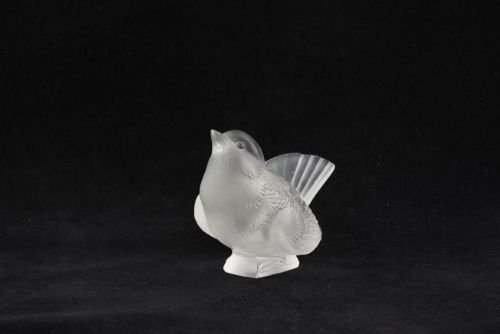
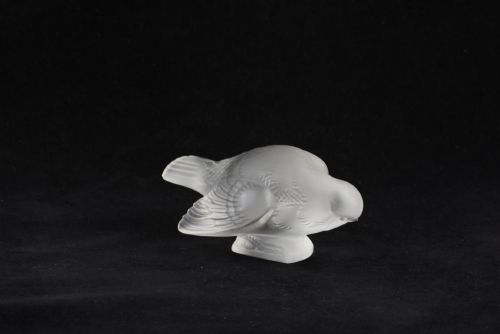
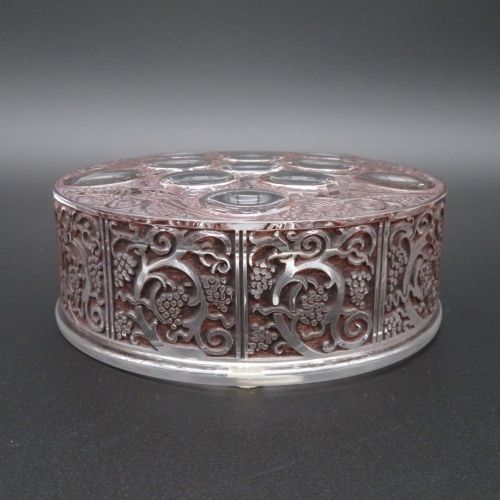
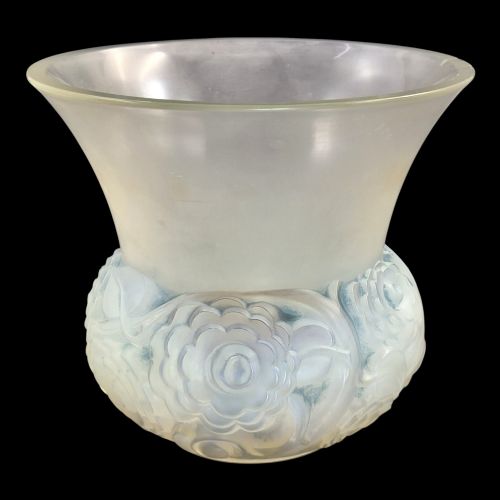
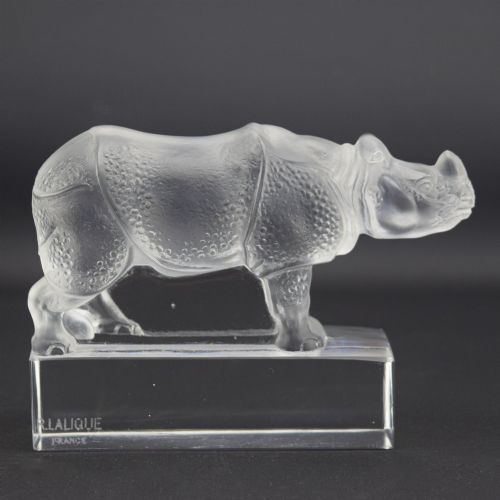
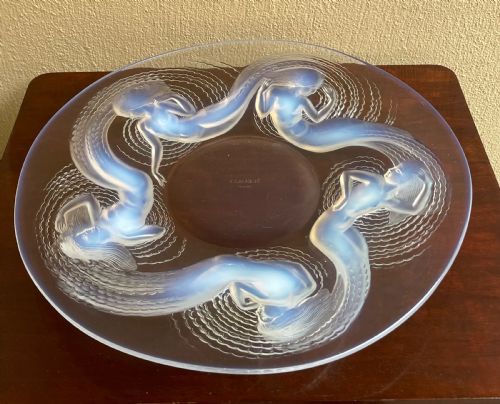
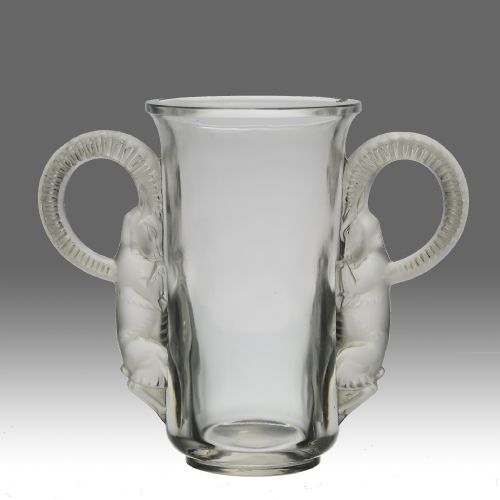
When you search for vintage lalique crystal, you encounter a selection of decorative glass objects that span the Art Deco and French Neoclassical styles. The pieces on this page comprise vases, paperweights, perfume bottles, decorative sculptures, powder boxes, candlesticks, and chargers originating primarily from the 1920 and 1930 periods, alongside Edwardian examples.
You are most likely to meet moulded glass and crystal forms that feature distinct natural motifs, animal figures, and geometric designs. These items range from small pin dishes and scent bottles to large chargers and substantial vases.
The objects demonstrate the shift from early decorative glass production toward streamlined modernist aesthetics. Each piece reflects the specific design vocabulary of its period, maintaining the characteristic finishes associated with the maker.
How they were made
Makers utilised frosted glass, clear glass, crystal, opalescent glass, and moulded glass to achieve contrasting textures across a single object. These glass varieties allowed the interplay of light to accentuate the sculpted surface details.
Detailing was frequently enhanced through the application of enamel and sepia stain to recesses and relief patterns. This coloration technique heightens the visual depth of motifs such as foliage, birds, and figurative subjects.
Listings feature Art Deco and French Neoclassical styles across objects dated to the 1920 and 1930 periods and the Edwardian era.
What varies in quality
Quality rests upon the crispness of the moulding and the successful integration of frosted and clear sections within the crystal. Superior examples display sharp relief definitions that preserve the intended contours of the design.
The retention and placement of enamel or sepia staining contribute to the visual merit of individual objects. The subtlety of the finish determines how effectively the piece captures light and shadow.
Rene Lalique·Roger And Gallet·Remy Martin
The Vintage Lalique Crystal Glossary
- Opalescent glass
- Glass that produces a milky, bluish appearance when viewed by transmitted light and a yellowish hue by reflected light. This optical property gives vintage pieces their characteristic glow.
- Frosted glass
- Glass that has been rendered translucent through chemical treatment or mechanical abrasion. It creates a matte surface texture that contrasts with clear sections.
- Sepia stain
- A dark brownish pigment applied to the recesses of moulded glass. It accentuates the fine details of birds, floral motifs, and figures.
- Charger
- A large decorative plate or platter intended for display rather than service. These pieces showcase expansive moulded designs across their surfaces.
- Pin dish
- A small shallow tray designed for holding small personal items. They often feature figural or botanical sculptures integrated into the rim.
Vintage Lalique Crystal: Frequently Asked Questions
What periods do these pieces date from?
The listings encompass objects created during the 1920 and 1930 decades, alongside Edwardian examples.
These periods capture the height of Art Deco design and French Neoclassical production in decorative glass.
How were perfume bottles used originally?
Perfume bottles served as functional dressing table accessories designed to hold and dispense scented liquids.
Their decorative stoppers and moulded bodies also allowed them to function as ornamental display pieces.
How do I display a charger?
Chargers are large decorative plates suited for placement on stands or flat surfaces where their full surface design remains visible.
Their scale allows the moulded motifs and opalescent qualities to catch the surrounding light.
What is the difference between clear and frosted glass?
Clear glass is transparent and allows light to pass directly through the material without diffusion.
Frosted glass diffuses light through a textured matte surface, creating contrast against the polished transparent sections.