


Vintage Kurdish Runner
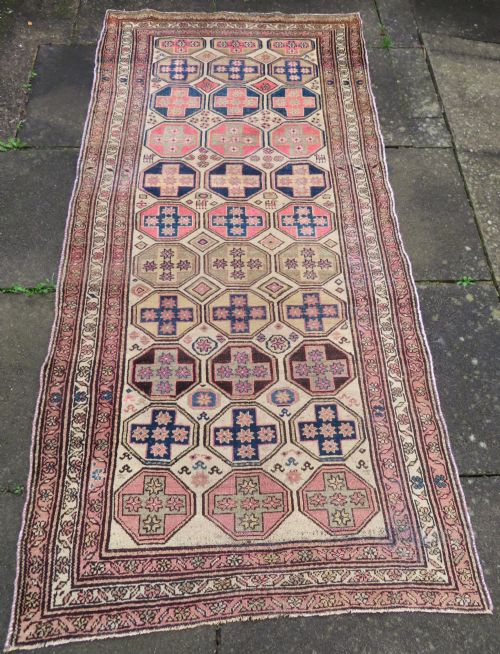
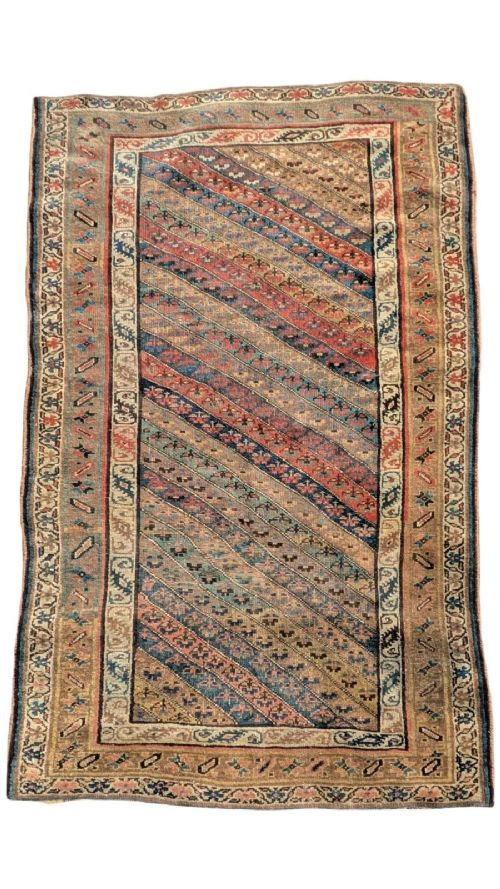
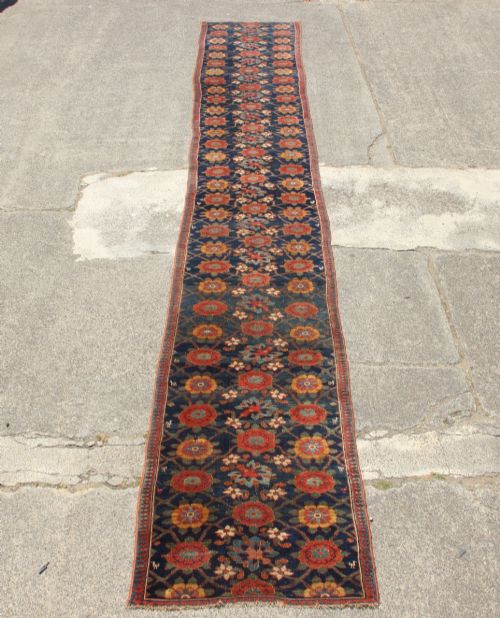
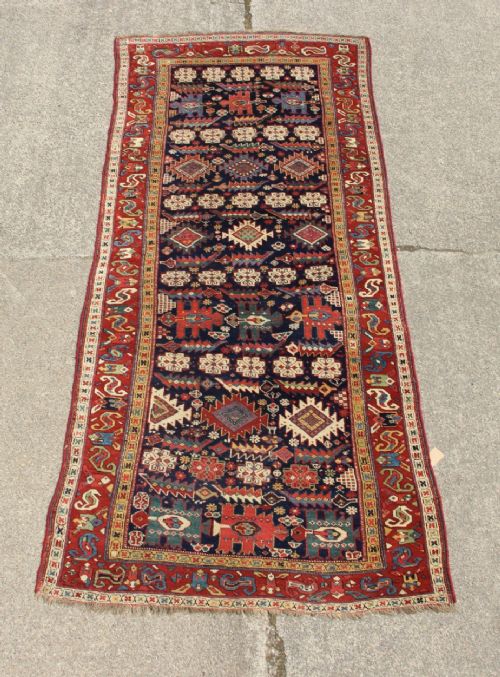
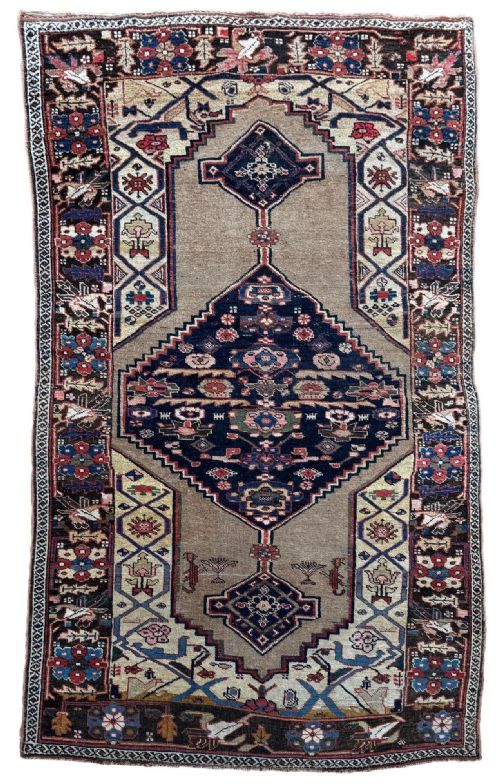
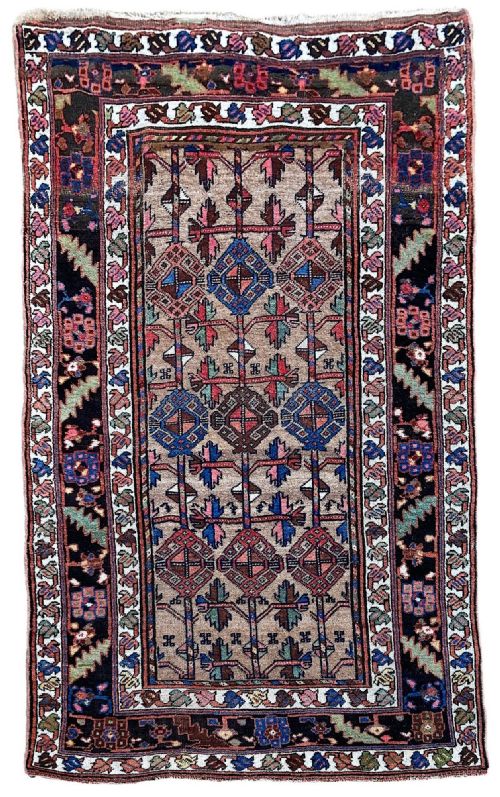
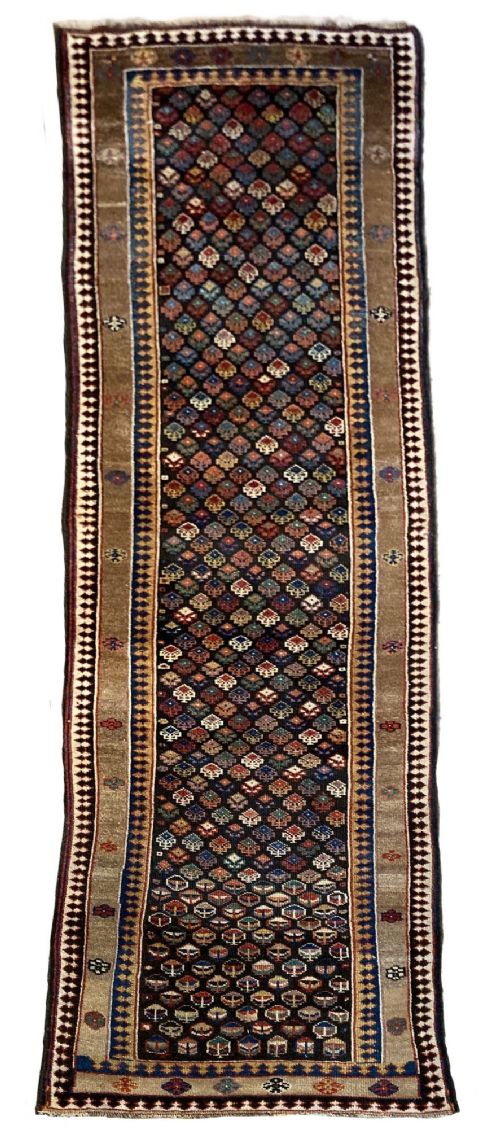
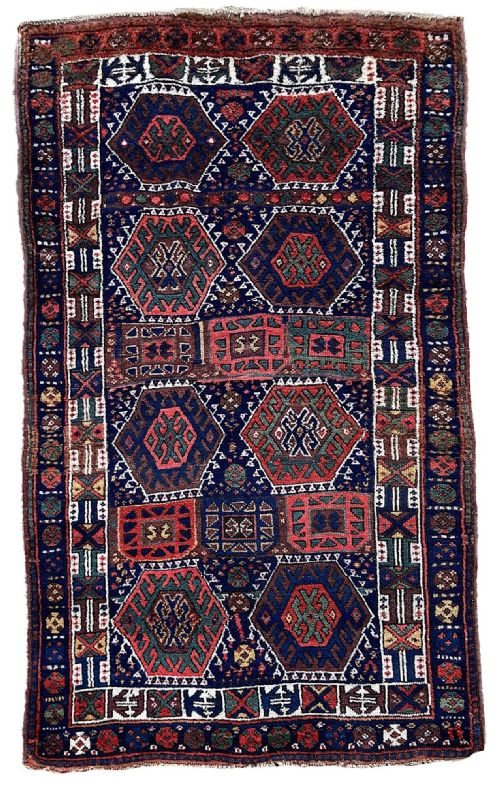
A vintage kurdish runner brings durable tribal craftsmanship and rich geometric patterns directly into narrow hallways and transitional spaces.
Vintage Kurdish Runner
When you search for a vintage kurdish runner, you encounter elongated floor coverings originating from tribal workshops and nomadic groups in regions spanning Persia, Anatolia, and the Caucasus. These textiles take the form of narrow, rectangular formats specifically designed for corridors, galleries, and hallways.
The examples available here date from the nineteenth and early twentieth centuries, encompassing periods from the eighteen-seventies through to nineteen-thirty. They display distinct tribal aesthetics, drawing on traditions associated with specific groups such as the Jaf and Quchan.
Most pieces on this page manifest as traditional runners or long rugs, combining utility with decorative tribal art. Their formats vary from moderately proportioned corridors to exceptionally lengthy gallery carpets.
What varies in quality
The standard of a runner rests upon the tightness of the weave and the precision with which the tribal motifs are executed across the elongated field. Finer knotting allows for crisper articulation of geometric designs, Memling guls, or Mina Khani patterns.
The integrity of the wool and the vibrancy of the natural dyes distinguish superior examples from ordinary production. Original edge bindings and well-maintained proportions at the ends elevate the standing of a piece within the range.
Listings span periods from eighteen-seventy through to nineteen-thirty, featuring wool, cotton, and natural dyes.
The Vintage Kurdish Runner Glossary
- Runner
- A long, narrow carpet format intended for corridors, staircases, and hallways. These pieces balance length with restricted width to fit transitional spaces.
- Gul
- A medallion or repeating octagonal motif often found in tribal and oriental rugs. It frequently acts as the primary geometric anchor of the field design.
- Kelleh
- A Persian format representing a rug that is longer than a standard room rug but wider than a traditional runner. It provides a substantial floor covering for medium-sized spaces.
- Mina Khani
- A repeating floral pattern arranged in a lattice grid across the field of the rug. This classical design appears frequently in Persian and Kurdish weaving traditions.
Vintage Kurdish Runner: Frequently Asked Questions
Where should I place a runner?
These narrow textiles suit hallways, corridors, and long entryways where floor space is constrained. Their elongated format introduces warmth and colour to transition areas without overwhelming the room.
Position them in spaces with moderate foot traffic where the wool pile can withstand daily movement while displaying the tribal patterns clearly.
How do I clean a wool runner?
Gentle surface cleaning and regular light vacuuming without a rotating brush help maintain the wool pile. Professional textile conservators should handle deeper washing to protect the natural dyes.
Avoid exposing antique rugs to excessive moisture or harsh chemical detergents, as these can damage the hand-spun wool and alter the original colour palette.
What is a tribal rug?
Tribal rugs are woven by nomadic or village populations rather than in urban manufactories. Their designs reflect local folklore, regional aesthetics, and traditional symbol systems.
These pieces often display geometric interpretations, asymmetrical variations, and spontaneous colour choices that distinguish them from formal court carpets.
How old is my rug?
Dating relies on structural analysis, wool characteristics, and design motifs associated with specific decades between the late nineteenth century and the nineteen-thirties. Natural dye palettes and hand-spun materials generally point toward the earlier end of this timeframe.
Comparison with documented examples from regions such as Bidjar, Senneh, or Hamadan helps narrow down the period of production.