

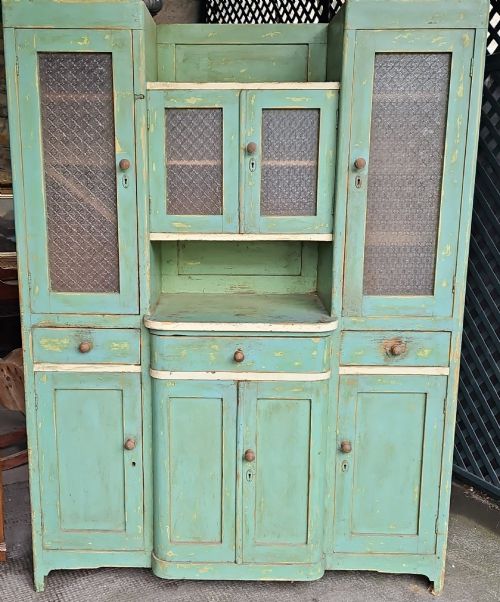


Vintage Kitchen Pantry
These vintage kitchen pantry pieces bring genuine utility and historic character to domestic spaces.
Vintage Kitchen Pantry
A vintage kitchen pantry encompasses practical storage furniture designed for food and domestic equipment, ranging from large larder cupboards to kitchen dressers. Buyers searching for this phrase seek robust storage solutions that reflect traditional kitchen organisation.
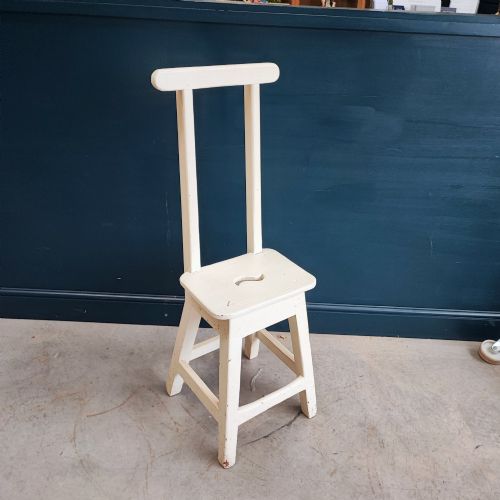
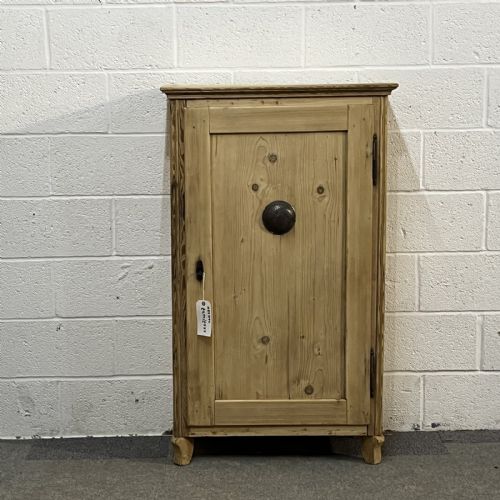
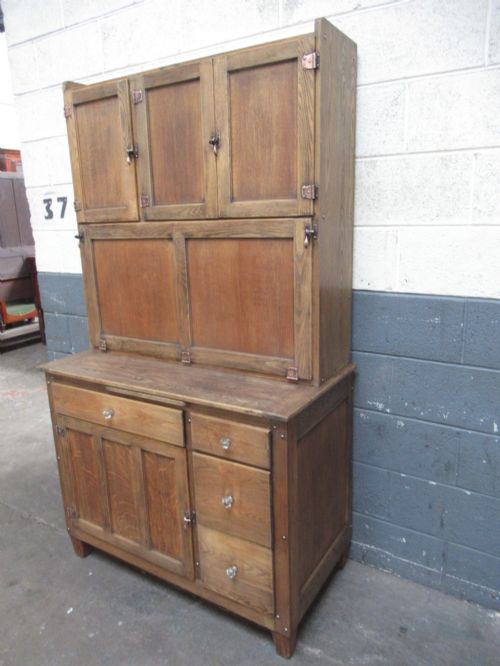
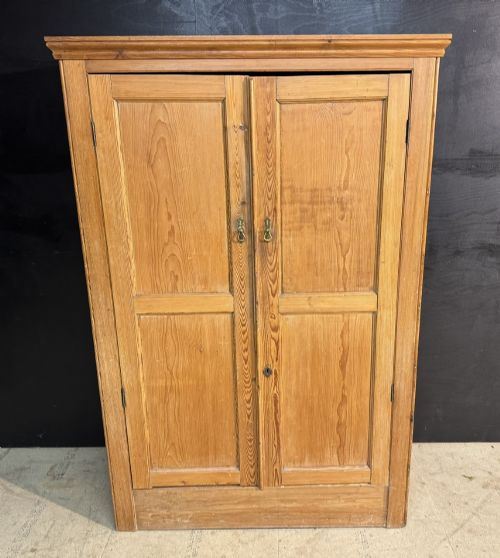
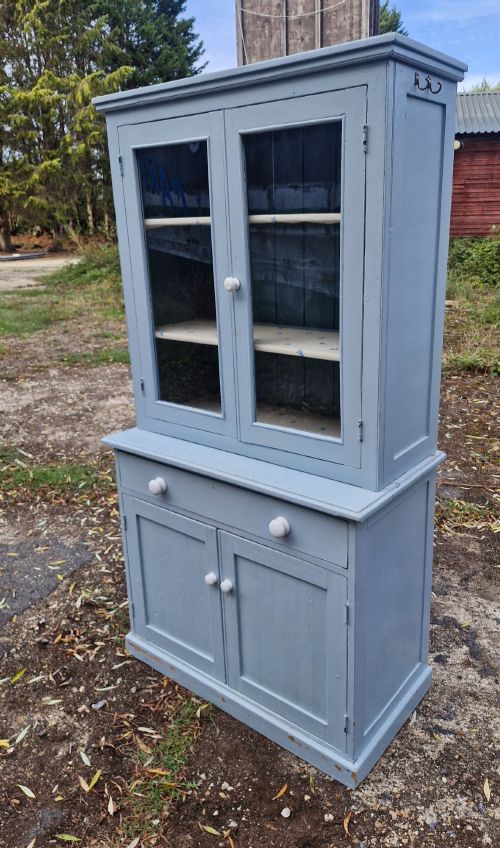
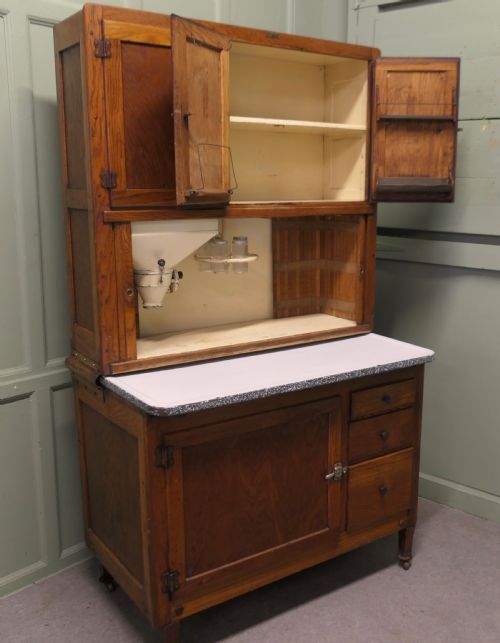
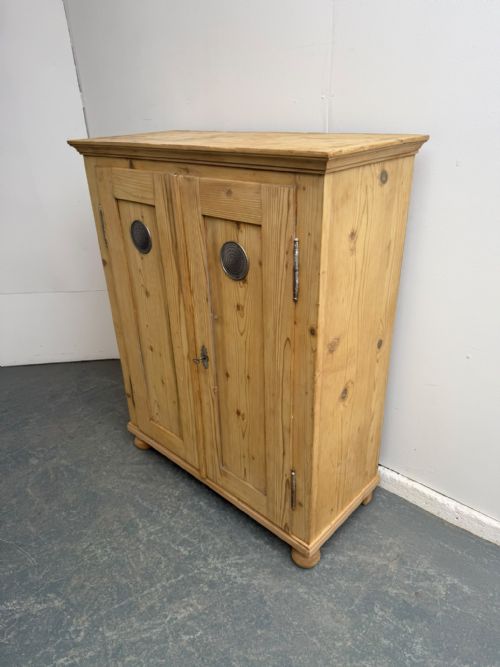
The pieces on this page are most frequently constructed from pine and oak, showing influences from rustic farmhouse and country styles. Examples include multi-part kitchen cupboards, food cupboards, and housekeeper's cabinets dating from the eighteenth century through to the mid-twentieth century.
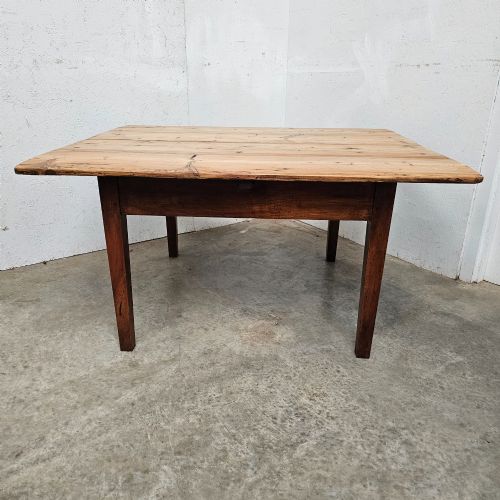
Forms vary from single door storage cupboards to expansive breakfront kitchen dressers and low pantry tables. Each type served a specific role in historic food preparation and domestic management.
How they were made
Construction relies heavily on solid timbers such as pine and oak, frequently paired with painted surfaces, brass, iron, and glass elements. Joinery techniques reflect the utilitarian demands placed on domestic furniture designed for daily use.
Many examples utilise layered paint finishes, natural wax applications, or scrubbed wooden tabletops designed for food preparation. Hardware such as brass and tin components added functional durability to doors and internal compartments.
Vintage Kitchen Pantry Retail Price Guide 2026
Typical asking prices for vintage kitchen pantry among the pieces listed under this phrase on Sellingantiques today, from the lower quarter to the upper quarter. They describe what is for sale here now, not the wider market.
Listings span the eighteenth, nineteenth, and twentieth centuries, featuring pine, oak, brass, glass, and painted finishes.
What varies in quality
Quality differences lie in the grade of timber selected, the integrity of original construction, and the preservation of authentic surface treatments like period paint or aged patina. Superior examples maintain structural soundness alongside honest signs of domestic history.
Hudson Bros
The Vintage Kitchen Pantry Glossary
- Larder cupboard
- A tall storage piece traditionally used for keeping food cool and ventilated before mechanical refrigeration became common.
- Housekeeper's cupboard
- A large storage cabinet typically utilised in larger households for storing linens, dry goods, and kitchen equipment.
- Breakfront
- A cabinet design where the central section projects forward from the flanking sections, creating architectural depth.
- Scrub top
- A plain wooden tabletop designed to withstand rigorous daily cleaning and scrubbing during food preparation.
- Hoosier cabinet
- A freestanding kitchen workstation designed to integrate multiple ingredients and tools into one compact unit.
Vintage Kitchen Pantry: Frequently Asked Questions
What is a vintage kitchen pantry?
A vintage kitchen pantry is a historic storage unit designed for food, dry goods, and kitchen utensils before modern fitted kitchens existed. These pieces include larder cupboards, housekeeper's cabinets, and kitchen dressers.
They reflect traditional domestic life and provide substantial, characterful storage for modern homes seeking authentic period furniture.
How do I date a pantry cupboard?
Dating a pantry cupboard involves examining the construction methods, timber types, and hardware used in its assembly. Eighteenth and nineteenth-century pieces often feature hand-cut joints and native woods like pine and oak.
Later pieces from the Edwardian era or the nineteen-forties incorporate different joinery techniques and standardised hardware components.
Where were these cupboards used?
These cupboards were utilised primarily in kitchens, sculleries, and larders of houses ranging from country cottages to larger estate homes. They served as central storage hubs for food preservation and kitchen organisation.
Today, they function well in contemporary kitchens and dining rooms as standalone storage furniture.
How do I care for painted pine?
Painted pine surfaces benefit from gentle cleaning with a soft, dry or slightly damp cloth to preserve the historic finish. Avoiding harsh chemicals protects the integrity of the paint layer.
Applying natural wax to unpainted wooden sections helps maintain the timber and prevents excessive drying.