






Rustic Green Cabinet
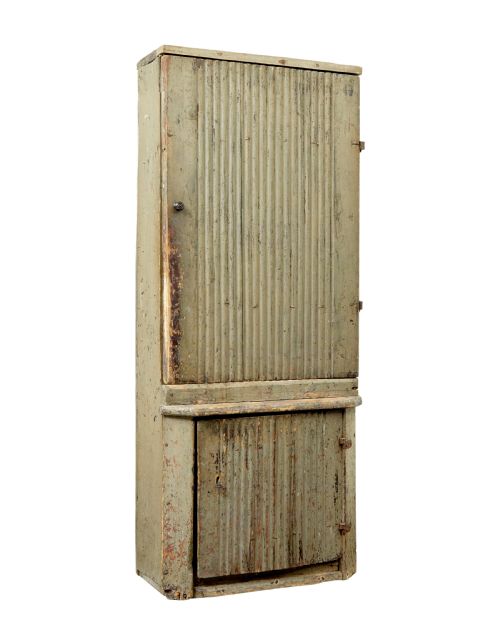
A rustic green cabinet brings practical storage and regional character into a room through weathered painted wood and straightforward lines.
Rustic Green Cabinet
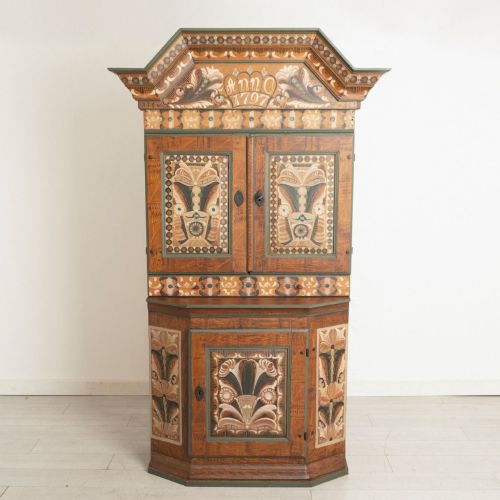
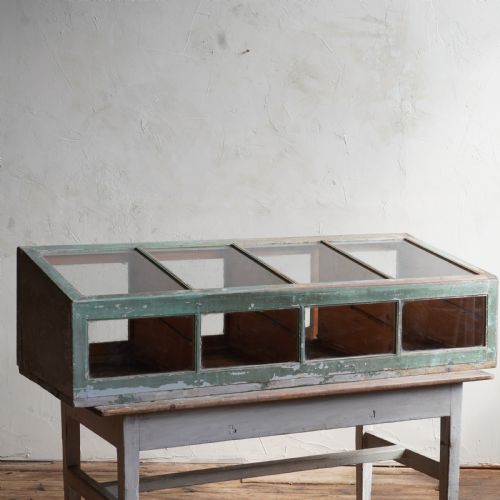
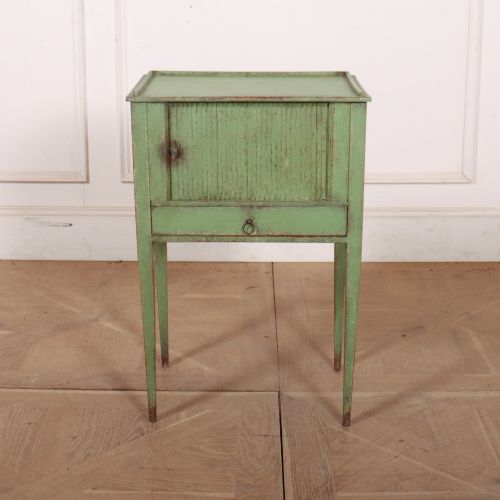
A rustic green cabinet spans utilitarian storage forms from the Georgian period through to the early twentieth century, including cupboards, dressers, bedside tables, and display cases. These pieces originate from various regional traditions such as English, Scandinavian, Dutch, and French country workshops.
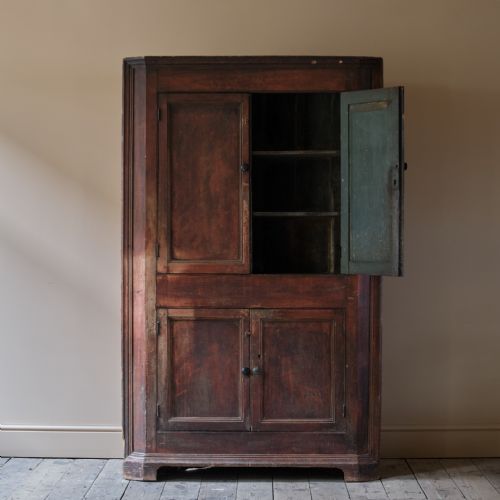
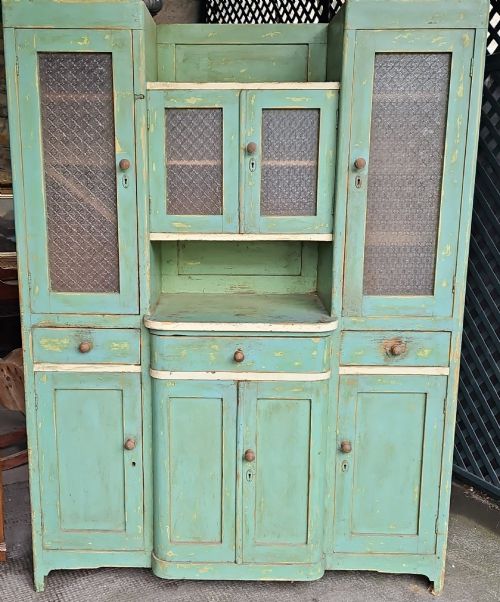
The version most commonly met on this page is the painted pine cupboard or kitchen dresser, often showing the marks of domestic utility over generations. Formats range from large standing corner cupboards and housekeeper cupboards down to miniature dressers and bedside tables.
Makers focused on robust utility rather than courtly refinement, utilising local timbers and straightforward construction methods suitable for provincial homes. The resulting objects carry historical layers of green paint and distemper applied across periods like the Victorian and Edwardian eras.
How they were made
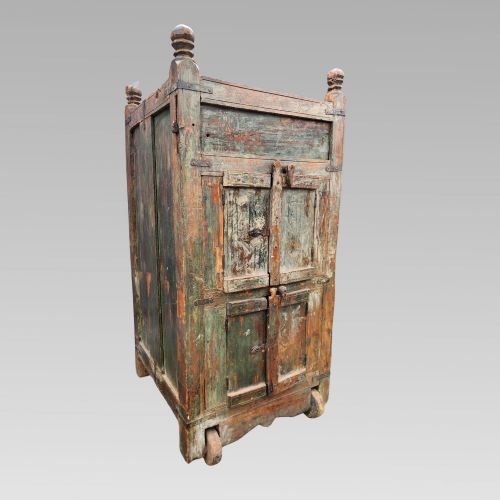
Constructed predominantly from pine and other softwoods, these cabinets rely on traditional panel and frame joinery to accommodate seasonal movement in domestic timbers. Iron, brass, and metal hardware such as hinges and latches are secured directly to the carcass.
Surfaces are finished with layers of paint or distemper, often built up over decades with subsequent coats applied in muted green tones. Distressed paint finishes arise from natural wear, cleaning, and the gradual softening of edges on pine and painted wood.
Rustic Green Cabinet Retail Price Guide 2026
Typical asking prices for rustic green cabinet among the pieces listed under this phrase on Sellingantiques today, from the lower quarter to the upper quarter. They describe what is for sale here now, not the wider market.
A miniature French dresser proves that even miniature furniture required proper drawers for tiny, important things.
What varies in quality
Quality in these provincial cabinets rests on the integrity of the original construction and the survival of early painted surfaces rather than academic precision. Pieces retaining untouched layers of green paint or original regional hardware possess greater character than those stripped or heavily reworked.
Proportion and scale also separate standard utility items from more considered regional pieces, such as a carved Scandinavian pine cupboard or a Swedish hall wardrobe. The balance of the doors, the depth of the cornice, and the weight of the timber define the presence of the cabinet in a room.
The Rustic Green Cabinet Glossary
- Distemper
- A water-based paint using size or glue as a binder, commonly found on older country furniture before the widespread adoption of oil paint. It tends to chalk and wear to a soft, matte finish over decades.
- Pine
- A soft timber extensively utilised in regional furniture across Britain, Scandinavia, and Europe for its accessibility and workability. It accepts paint readily and forms the structural core of most rustic cabinetry.
- Dresser base
- The lower section of a kitchen dresser, typically featuring cupboards and drawers without the upper shelving superstructure. These served as sturdy work surfaces and storage hubs in traditional farmhouses.
- Corner cupboard
- A storage cabinet specifically designed to fit into the right angle of a room to maximise floor space. They occur in both hanging and standing formats, often featuring single panelled doors.
- Almirah
- A freestanding cupboard or wardrobe of Indian origin, reflecting regional woodworking traditions distinct from European vernacular styles. These pieces often feature substantial teak construction and deep storage compartments.
Rustic Green Cabinet: Frequently Asked Questions
How do I clean a painted pine cabinet?
Dust the surfaces gently with a dry, soft cloth to remove everyday particles without disturbing the underlying paint layers.
Avoid chemical cleaning products and excessive moisture, which can soften historic distemper or distrub fragile painted finishes.
Where should I place a rustic green cabinet?
These cabinets suit kitchens, hallways, and living spaces where their practical storage and painted surfaces can anchor the room.
Keep them away from direct heat sources and strong sunlight to prevent the timber from warping and the paint from fading.
How can I tell the age of the paint?
Older painted surfaces display a fine network of craquelure, subtle fading, and natural wear around handles and edges from frequent contact.
Under magnification, historic layers show varied pigment particles and binding mediums quite distinct from modern synthetic paints.
What is the difference between a dresser and a cupboard?
A dresser traditionally combines drawers and cupboards in the base, often with plate racks or shelving above for display and kitchen use.
A cupboard is a dedicated enclosed storage unit with doors, designed purely for holding provisions, linens, or household goods.