



Traditional Pine Kitchen Hutch
A traditional pine kitchen hutch brings practical utility and enduring character to domestic spaces.
Traditional Pine Kitchen Hutch
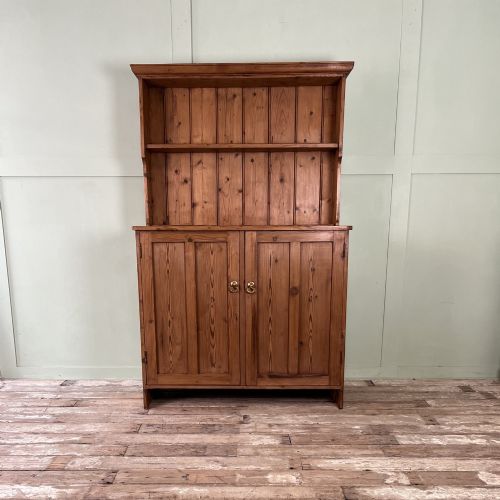
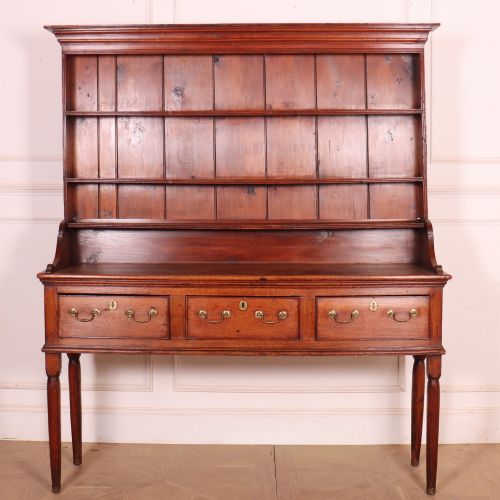
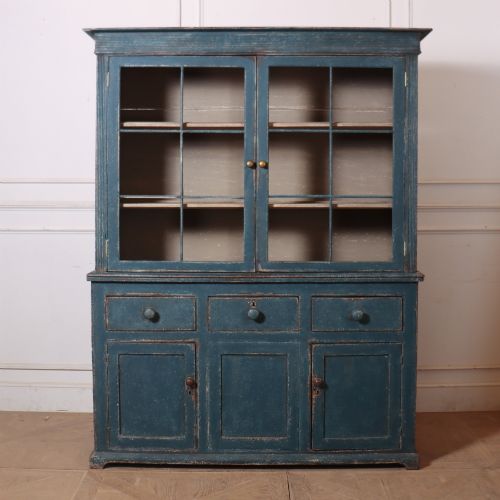
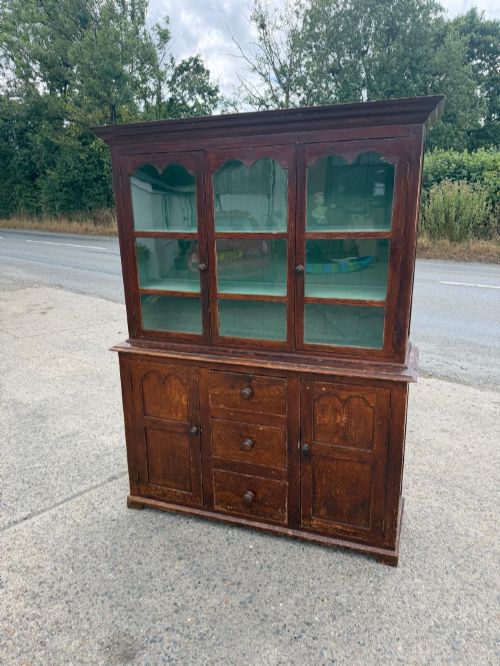
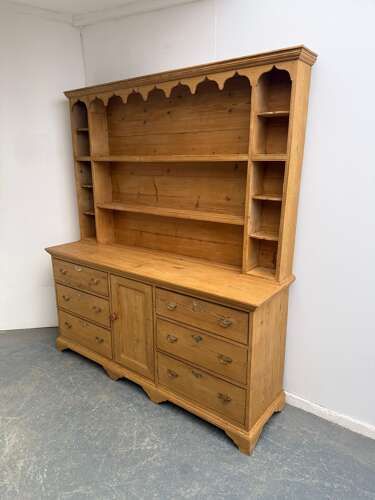
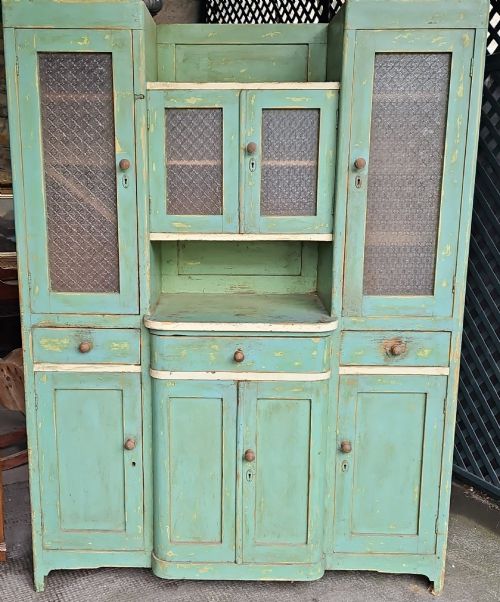
When you search for a traditional pine kitchen hutch, you encounter large storage furniture primarily built from pine during the 19th century and Victorian eras. These pieces typically combine a lower cabinet or base section with upper shelving racks or glazed display cabinets designed for domestic storage.
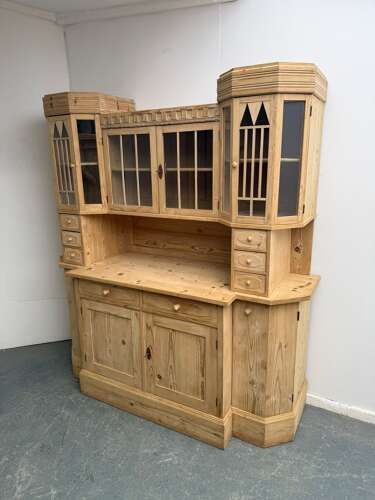
The regional variations appearing in these listings range from English country and West Country forms to Welsh vernacular and Alpine styles. Examples span from Georgian country pieces up to early 20th century items from the 1930s.
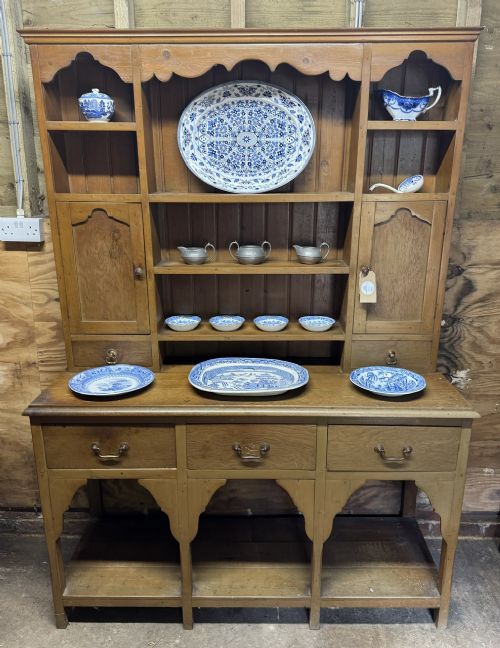
Most items function as kitchen dressers, kitchen cabinets, or two-piece dressers, offering substantial capacity for tableware and provisions. Each regional type displays distinct proportions and structural characteristics rooted in local cabinet-making traditions.
Factors influencing quality
Quality in these pieces rests upon the integrity of the original timber and the retention of authentic surface treatments like original paint or aged wax patinas. Substantial proportions and well-executed regional joinery distinguish finer examples from standard utilitarian furniture.
The preservation of original hardware, glass panels, and structural racks adds significant merit to a piece. Pieces retaining their uncompromised vernacular character demonstrate superior craftsmanship compared to heavily altered items.
Traditional Pine Kitchen Hutch Retail Price Guide 2026
Typical asking prices for traditional pine kitchen hutch among the pieces listed under this phrase on Sellingantiques today, from the lower quarter to the upper quarter. They describe what is for sale here now, not the wider market.
Listings span the 19th century, Victorian era, Georgian period, and the 1930s, constructed predominantly from pine with glass, brass, and painted finishes.
The Traditional Pine Kitchen Hutch Glossary
- Pine
- A soft timber widely used for country furniture due to its availability and workability. It accepts wax and paint finishes readily.
- Welsh Dresser
- A traditional regional furniture form featuring base cupboards and drawers surmounted by open plate racks for display. These items often showcase distinct local proportions.
- Breakfront
- A cabinet design where the central section projects forward from the flanking outer sections. This architectural arrangement creates depth and visual interest on larger pieces.
- Patina
- The surface sheen and colour developed by wood through age, handling, and regular waxing. This quality indicates long-term use and care.
Traditional Pine Kitchen Hutch: Frequently Asked Questions
What is a traditional pine kitchen hutch?
A traditional pine kitchen hutch is a large piece of storage furniture typically comprising a lower cabinet and an upper display rack. These items were built to hold domestic crockery, foodstuffs, and kitchen utensils.
Most examples seen here date from the 19th century and Victorian periods, reflecting regional British and European farmhouse styles.
How were these hutches used originally?
These pieces served as the central storage hub in domestic kitchens and sculleries. The upper racks displayed everyday plates and bowls, while lower cupboards and drawers concealed provisions and heavier pots.
Their sturdy construction made them reliable workstations for food preparation in busy country houses and farmhouses.
How do I care for waxed pine furniture?
Maintaining waxed pine involves regular dusting with a soft cloth and occasional application of quality beeswax to nourish the timber. Avoid placing these pieces near direct heat sources or in damp environments to prevent wood movement.
Gentle maintenance preserves the natural patina and protects the surface from daily wear.
How can I identify different regional styles?
Regional styles often reveal themselves through specific proportions, cornice designs, and the arrangement of drawers and cupboards. West Country and Welsh pieces, for instance, display distinct local traditions in their joinery and rack configurations.
Comparing the base cabinetry and the layout of the upper shelves helps pinpoint the geographical origin.