
Vintage Kitchen Dining Table
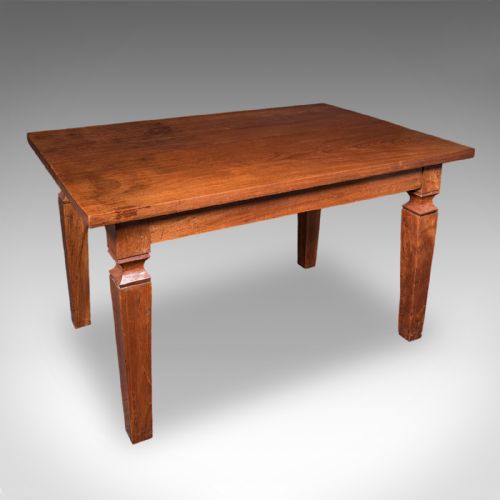
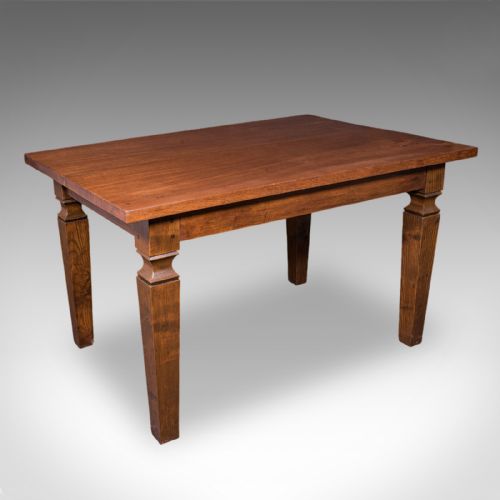
A vintage kitchen dining table brings genuine utility and historical character to a room, offering robust construction built for daily family life.
Vintage Kitchen Dining Table
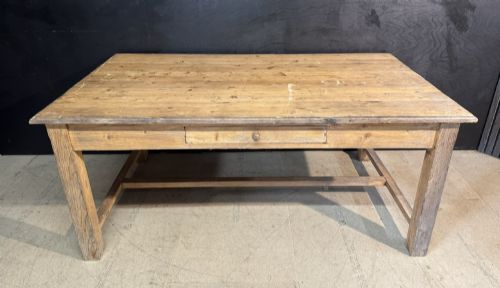
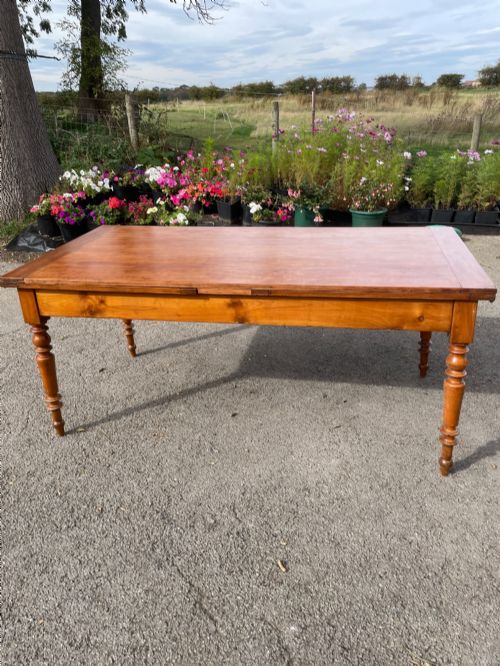
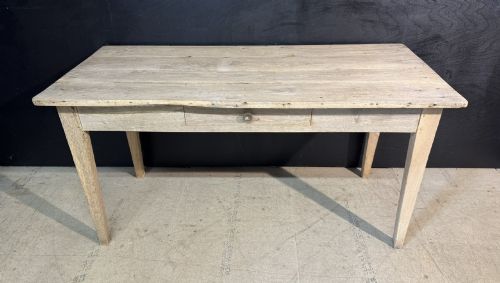
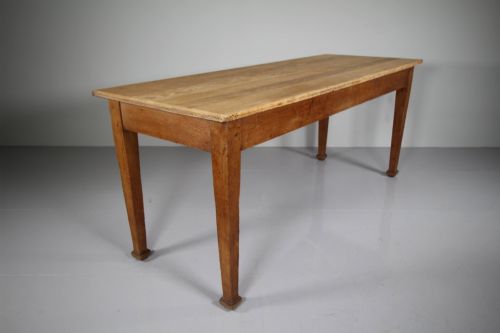
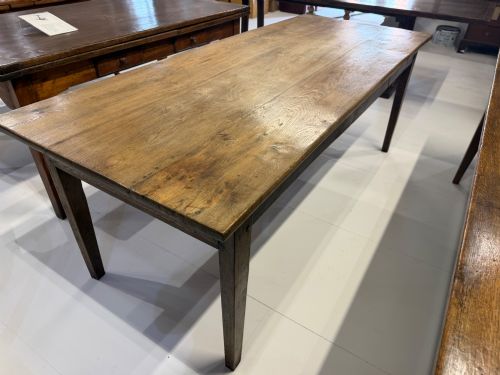
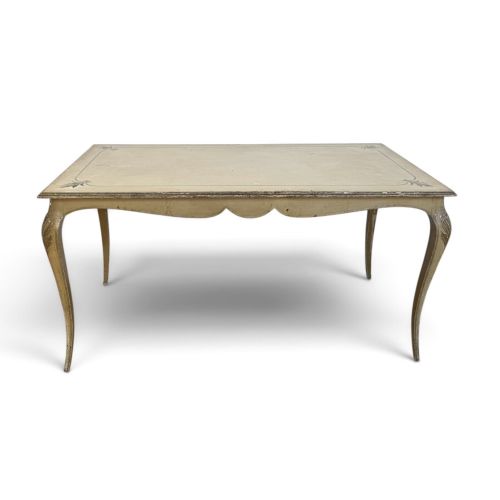
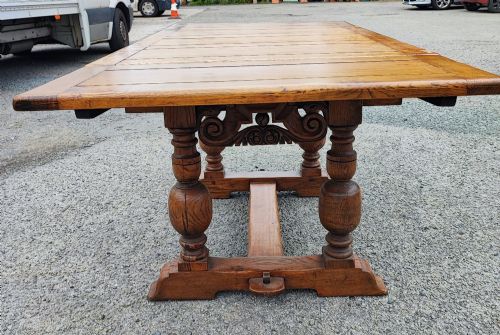
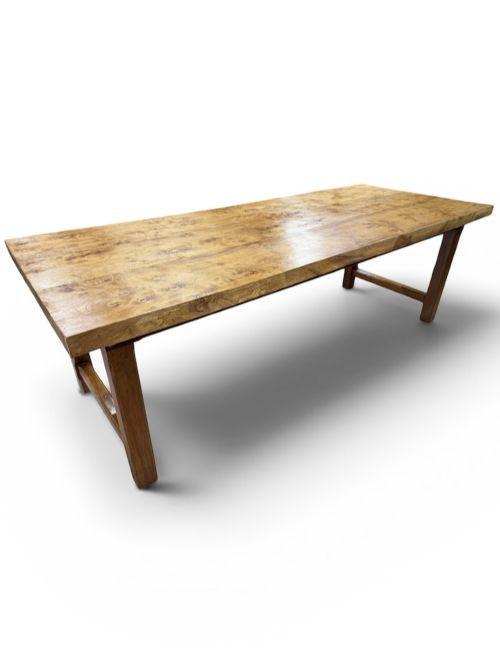
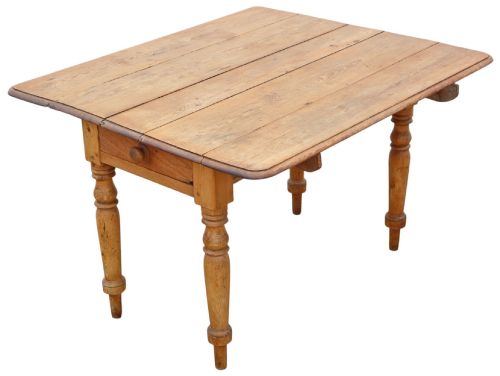
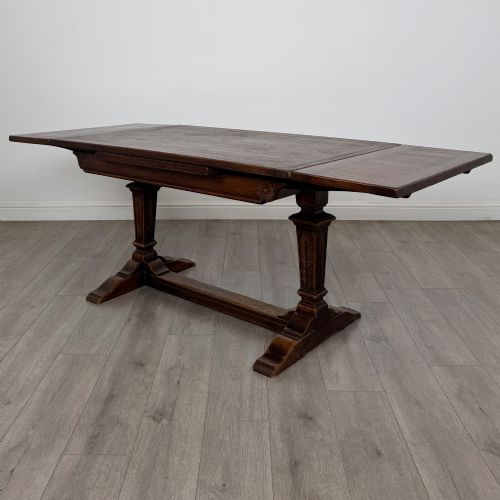
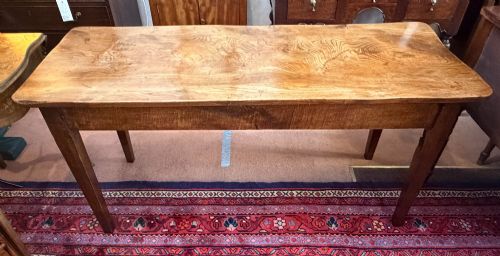
When you search for a vintage kitchen dining table, you find solid wooden pieces spanning from the late nineteenth century through to the interwar decades. The selection encompasses forms designed for domestic use, including sturdy farmhouse tables, extendable refectory designs, and drop-leaf variations.
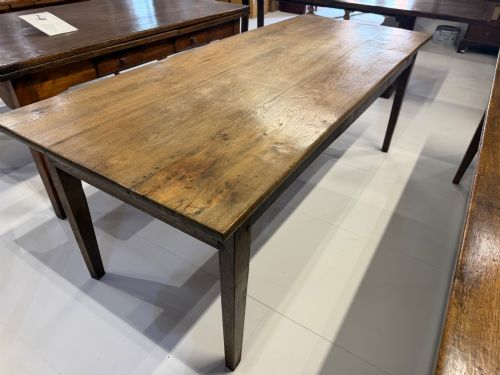
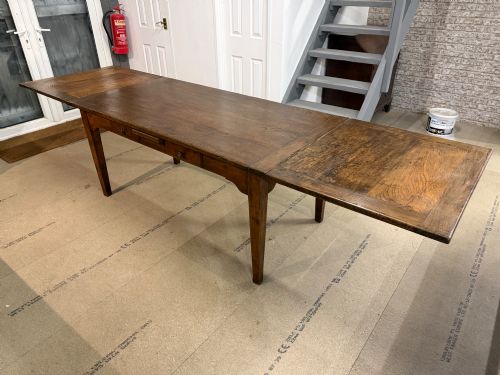
The version you are most likely to meet on this page is constructed from oak or pine, often displaying the generous proportions typical of nineteenth-century and Edwardian domestic spaces. Many examples incorporate practical additions such as drawers or extending leaves intended for accommodating larger gatherings.
Styles range widely across the periods, reflecting regional preferences from English country houses to French provincial farmhouses. Pieces span simple utility formats to revivalist interpretations of Jacobean and Arts and Crafts aesthetics.
What Varies in Quality
The distinction between tiers of quality rests upon the selection of timber and the integrity of the original construction rather than surface finish alone. Dense heartwoods and thick, stable pine scrub tops indicate superior structural longevity compared to lighter secondary timbers.
Refinement in joinery and the execution of mechanical elements, such as smooth-operating draw-leaf extensions or neatly fitted drawers, separate standard utility items from finer examples. The retention of original patination and uncompromised proportions further distinguish higher-grade specimens.
Commonly employed materials across the inventory include solid oak, pitch pine, fruitwood, and walnut.
The Vintage Kitchen Dining Table Glossary
- Refectory table
- A long, narrow dining table traditionally used for communal meals, often supported by trestle ends or heavy legs connected by stretchers. These pieces frequently incorporate extension mechanisms in later iterations.
- Draw-leaf table
- An extendable table featuring two leaves hidden beneath the main top that slide out to lengthen the surface. This mechanism allows the table to expand efficiently without requiring detached boards.
- Scrub top
- A plain wooden tabletop designed to be scrubbed clean with water and abrasive stones in a traditional kitchen setting. Pine boards are commonly found treated in this manner on nineteenth-century pieces.
- Bobbin leg
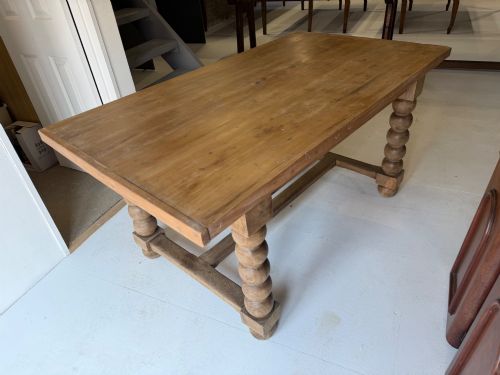
- A turned furniture leg shaped to resemble a series of wooden bobbins or spools stacked end to end. This decorative turning style appears frequently on seventeenth-century revival and nineteenth-century pieces.
- Farmhouse table
- A heavy, utilitarian wooden table built for everyday domestic labour and dining. These tables usually combine a thick plank top with a robust timber frame.
Vintage Kitchen Dining Table: Frequently Asked Questions
How do I date a wooden dining table?
Dating relies on examining the timber species, tool marks left by manufacture, and the joinery methods visible beneath the frame. Stylistic clues such as turned legs or specific revival motifs also indicate the period of origin.
Changes in hardware and the presence of extension mechanisms help narrow down the decade of production between the nineteenth and twentieth centuries.
Are these tables suitable for daily family use?
Solid wood construction makes these tables exceptionally durable and well-suited to the demands of a busy kitchen or dining room. Their robust frames and thick tops withstand regular use without losing structural integrity.
Many historic examples were built precisely for heavy domestic labour, ensuring they handle modern family life with ease.
What is a draw-leaf mechanism?
A draw-leaf mechanism allows the ends of the table to pull outward while the main surface drops slightly into place. This clever design extends the seating capacity quickly.
It provides extra length for guests while maintaining a compact footprint for everyday kitchen environments.
How should I care for an antique wood surface?
Maintenance involves wiping surfaces clean with a damp cloth and avoiding harsh chemical cleaning agents that strip natural oils. Regular application of suitable beeswax helps preserve the grain and patination.
Keeping the timber away from direct heat sources prevents the wood from drying out and splitting over time.