




Natural Elm Wood Table
A natural elm wood table brings organic warmth and sturdy utility to a room through visible grain and honest construction.
Natural Elm Wood Table
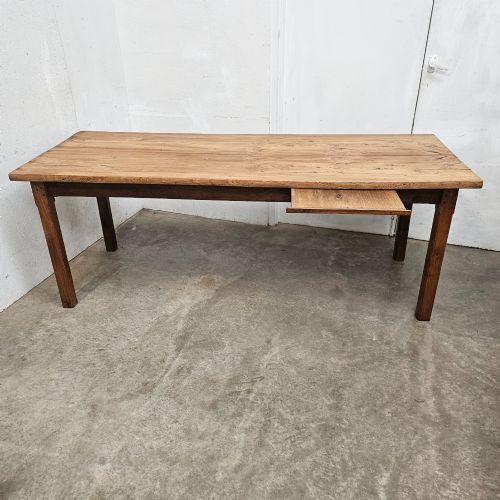
A natural elm wood table encompasses sturdy functional forms fashioned primarily from elm timber, alongside complementary hardwoods such as sycamore.
The selection ranges from large dining tables and harvest tables originating in rural France and Spain to smaller side tables and coffee tables from Qing Dynasty China.
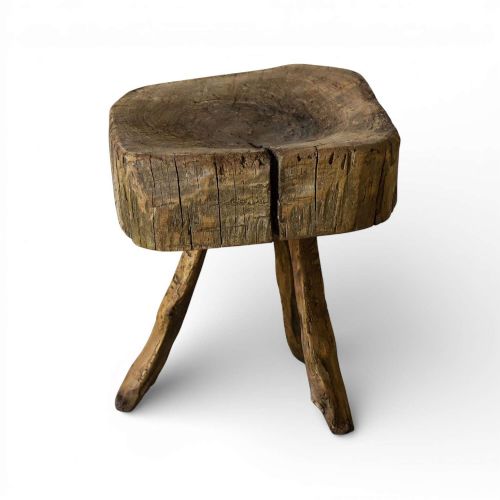
Buyers will also find utilitarian forms such as kitchen chopping blocks and rustic stools dating from the nineteenth century.
How they were made
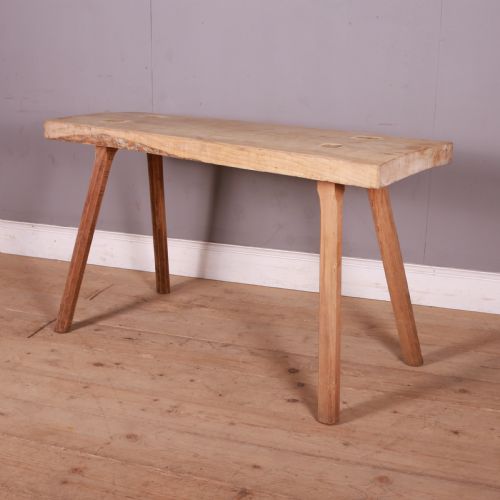
Maker construction relies heavily on solid elm planks, sometimes featuring two-board tops or live edge slices supported by gnarled legs or trestle bases.
Metal components appear alongside timber in certain pieces, while other surfaces show the effects of historic scrubbing and daily use.
One harvest table comes recommended specifically for a Christmas dinner picnic barbecue.
What varies in quality
Quality rests in the character of the timber grain, the integrity of the original joints, and the substance of the structural supports.
Pieces bearing authentic vernacular styling and unaltered surfaces hold more interest than those with routine repairs.
The Natural Elm Wood Table Glossary
- Elm
- A durable hardwood known for its interlocking grain pattern and resistance to splitting. It serves as the primary material for these rustic furnishings.
- Sycamore
- A dense hardwood often utilised alongside elm in French trestle tables. It provides a pale, smooth contrasting surface.
- Trestle table
- A table structure consisting of two or more support frames connected by a horizontal beam. This design offers robust stability for dining.
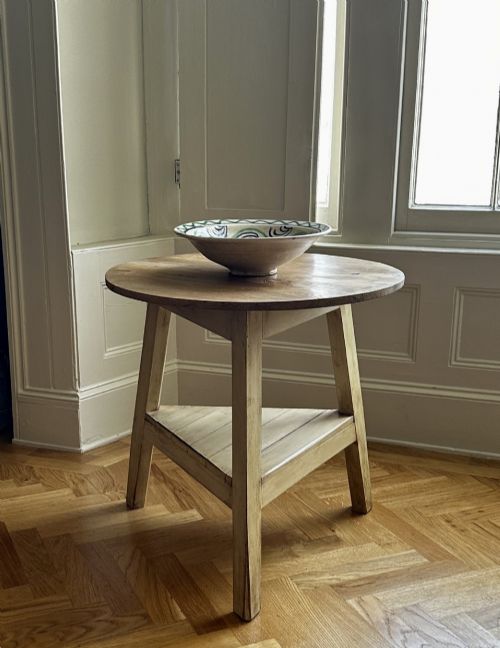
- Cricket table
- A small, lightweight occasional table typically featuring three splayed legs. This traditional form allows the piece to remain steady on uneven floors.
- Vernacular rural style
- A regional building approach using local materials and traditional methods for everyday utility rather than formal display.
Natural Elm Wood Table: Frequently Asked Questions
Where do these tables originate?
The pieces originate from various rural regions including France, Spain, and China.
They reflect local domestic traditions and working methods of the nineteenth century.
How do I care for elm?
Protect the timber from excessive moisture and sudden temperature shifts.
Regular dusting and mild soap help preserve the natural surface without stripping the aged finish.
Are these tables solid wood?
The selection consists of solid timber construction, utilising hardwoods like elm and sycamore.
Many examples feature thick plank tops and robust structural supports.
How do I identify Chinese elm?
Chinese elm tables display distinct regional joinery and proportions typical of Qing Dynasty furniture.
They contrast with European farmhouse designs through specific leg placements and edge profiles.
Can I use a chopping block daily?
Kitchen chopping blocks and butcher blocks were originally built for heavy culinary tasks.
Their thick wooden tops tolerate active functional use in a modern kitchen.