



Vintage Kerosene Desk Lamp
These vintage kerosene desk lamp pieces bring period warmth and heavy brass work to a modern writing surface.
Vintage Kerosene Desk Lamp
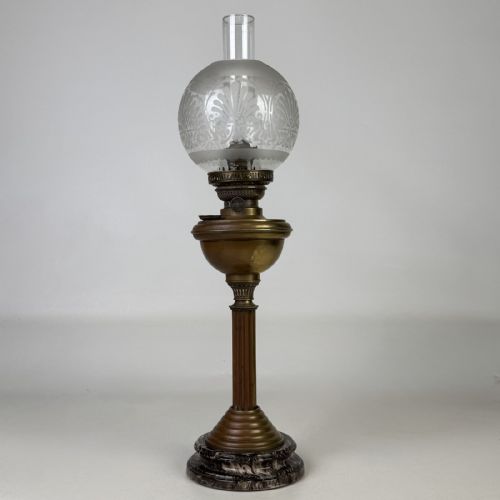
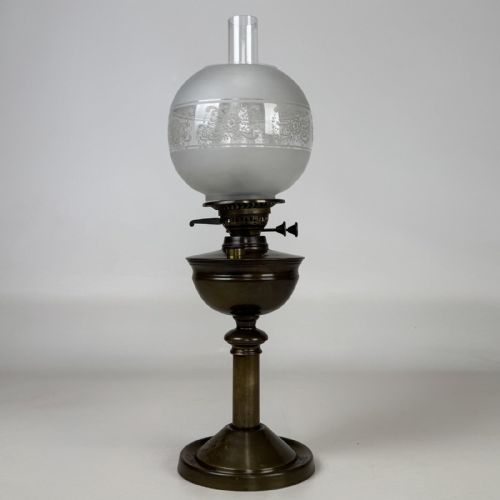
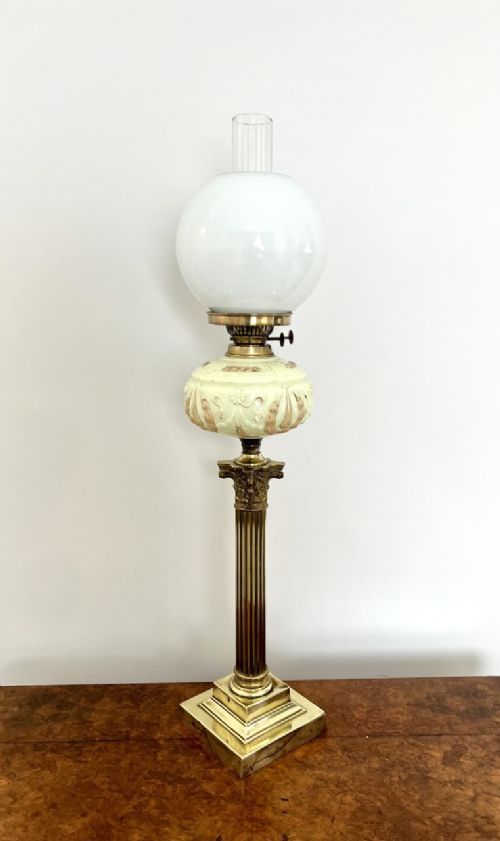
A vintage kerosene desk lamp stands as a practical domestic lighting source from the nineteenth and early twentieth centuries, usually encountered in Victorian or Edwardian configurations. These items combine a metal base with an oil reservoir and a glass shade, functioning as table lamps or oil lamps adapted for surface illumination.
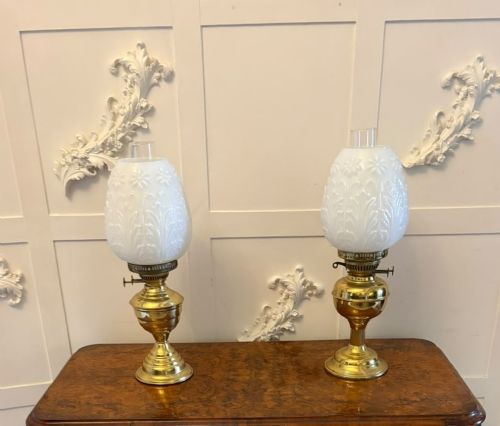
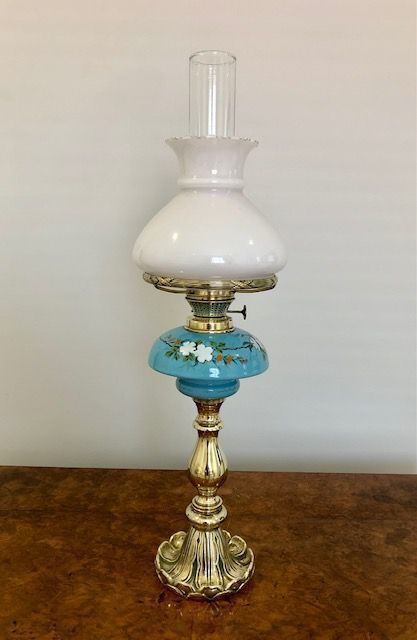
The selections available show standard forms from the 1860s through to the 1930s, encompassing styles such as French Chateau and Arts and Crafts. Most examples rely on brass and glass construction, often featuring opaline or white glass shades mounted upon heavy metal columns.
Materials and construction
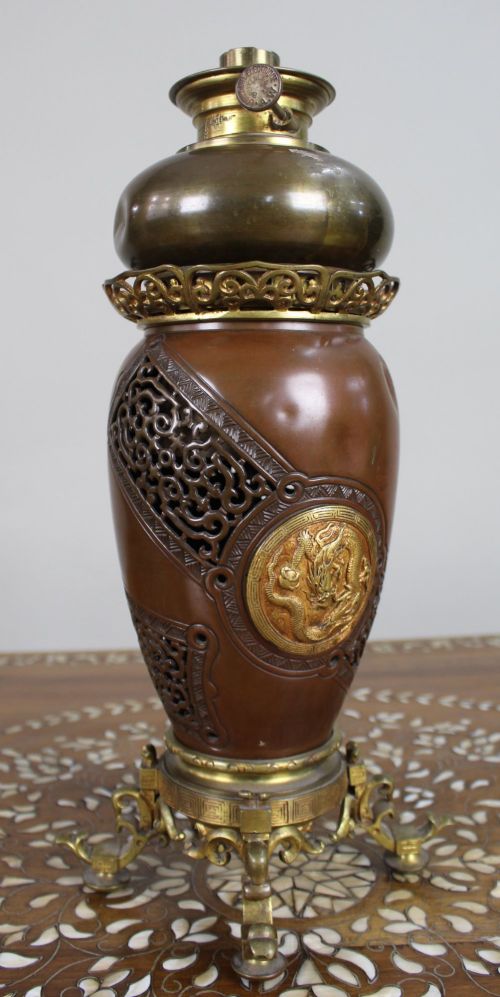
Makers constructed these pieces primarily from cast and spun brass, paired with hand-painted or moulded glass for the reservoirs and shades. Some variations incorporate ceramic components, crystal, cut glass, or ebonised wood bases to add weight and contrast.
Metalwork involved turning and soldering brass components, whilst glass shades were blown, moulded, and occasionally hand painted with decorative motifs. Copper also appears alongside brass in specific Arts and Crafts designs, reflecting the metalworking techniques of the period.
Vintage Kerosene Desk Lamp Retail Price Guide 2026
Typical asking prices for vintage kerosene desk lamp among the pieces listed under this phrase on Sellingantiques today, from the lower quarter to the upper quarter. They describe what is for sale here now, not the wider market.
The listings on this site span materials from brass and crystal to ebonised wood, alongside styles ranging from Victorian to Arts and Crafts.
Judging the standard of manufacture
Quality rests upon the weight of the brass casting and the clarity or decorative execution of the glass shade. Superior examples demonstrate heavier metal gauge, crisper ornamentation, and unblemished glass components rather than lighter, mass-produced assembly.
The integration of materials also dictates standing, where combinations of cut crystal, contrasting ceramics, or specialised opaline glass indicate more ambitious workshop production than standard brass and plain glass iterations.
Wild and Wessel
The Vintage Kerosene Desk Lamp Glossary
- Opaline glass
- An opaque, milky-white glass frequently used for lamp shades to diffuse the light evenly. It softens the glare from the burning fuel.
- Cut glass
- Glass decorated by cutting facets or patterns into the surface using a wheel. This technique adds brilliance and catches the ambient light.
- Arts and Crafts
- A design movement emphasising handcraftsmanship and simple forms. Objects from this style often feature exposed metalwork like copper and brass.
- Paraffin lamp
- An alternative term for an oil lamp using paraffin or kerosene as fuel. These terms appear interchangeably in period descriptions.
Vintage Kerosene Desk Lamp: Frequently Asked Questions
How do I date a brass oil lamp?
Dating relies on stylistic clues, manufacturing techniques, and material combinations recorded across the Victorian and Edwardian eras. Earlier pieces often display heavier cast brass and hand-finished components.
Later items from the turn of the century introduce different shade styles and simplified construction methods. Comparing the collar and burner mechanism can also help narrow down the decade.
Were these lamps meant for desks?
These pieces served as portable table or desk lighting before domestic electricity became widespread. Their compact proportions allowed them to sit on writing surfaces.
Most function as oil or paraffin lamps designed to illuminate a localized work area. Today, many find new purpose as decorative table lamps.
What is the difference between opaline and milk glass?
Opaline glass possesses a specific translucent, milky appearance with a soft fire-polished finish. It diffuses light effectively without total opacity.
Milk glass tends to be denser and completely opaque. Both materials appear frequently on shades paired with brass bases.
Can these old oil lamps still burn fuel?
Many retain their original burners and reservoirs, though using them with fuel requires careful safety checks. Most buyers prefer to keep them unlit as decorative objects.
Some examples have been adapted for modern electrical use. Consulting a specialist is recommended before attempting to burn kerosene in antique hardware.