

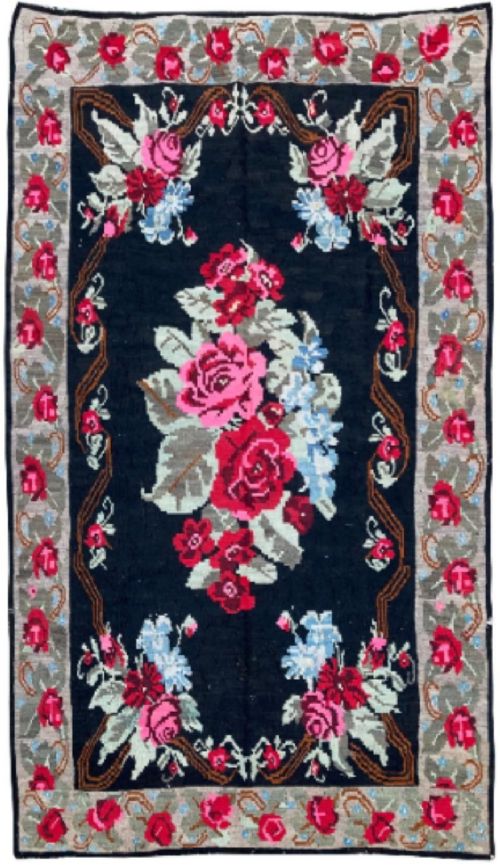
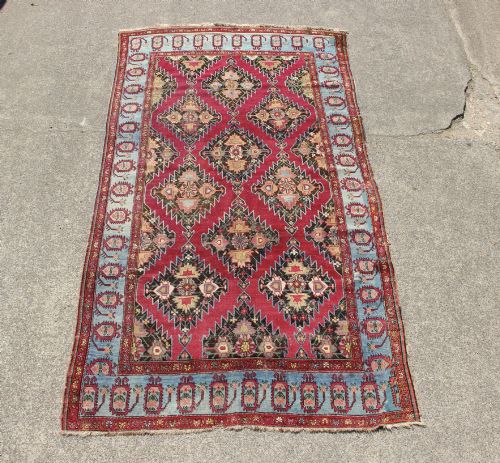
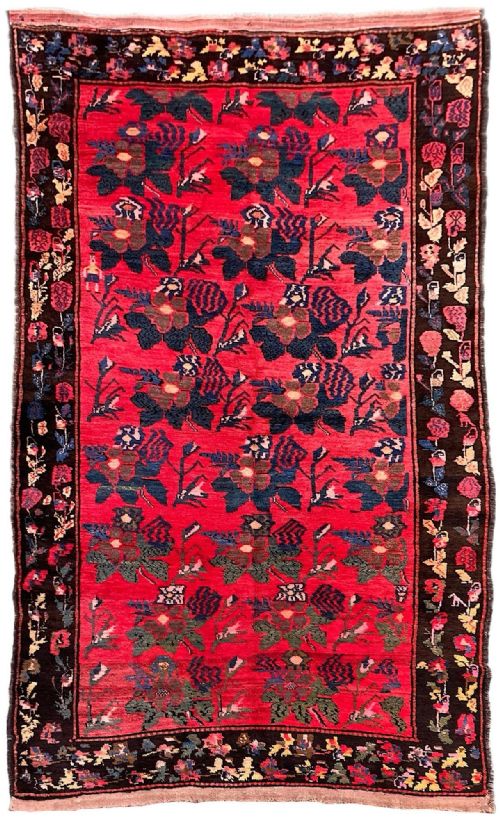
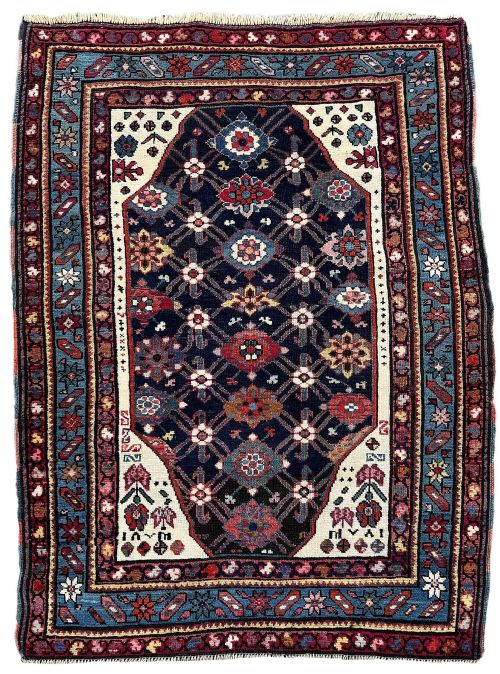
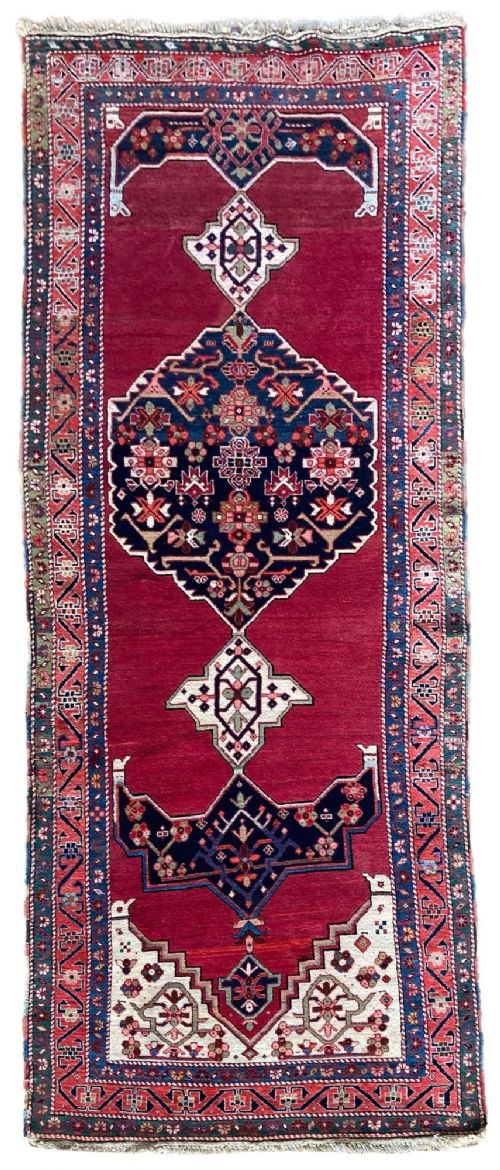


Vintage Karabagh Carpet
A vintage karabagh carpet brings regional Caucasian character to a floor, woven with traditional motifs that anchor a room in history.
Vintage Karabagh Carpet
A vintage karabagh carpet represents a distinct weaving tradition from the Caucasus, appearing in various formats on this page including area rugs, long runners, and flatwoven kilims. Buyers seek these pieces for their rich regional heritage and striking geometric or medallion layouts.
The selections span from the mid-nineteenth century through the early twentieth century, showing Caucasian, Armenian, and tribal design influences. Most examples take the form of practical floor coverings, ranging from compact village rugs to elongated hallway runners.
Makers utilised traditional formats such as single medallion layouts, repeating boteh motifs, and figurative depictions of people and animals. These floor coverings bridge decorative utility and historical textile art.
What varies in quality
The fineness of the weave and the clarity of the underlying tribal or regional design separate individual pieces. Tighter knot density and precise execution of medallions point to greater skill by the weaver.
The depth and vibrancy of the wool dyework also influence the overall standard of a textile. Examples displaying striking and well-preserved colour relationships stand apart from simpler or more muted productions.
Vintage Karabagh Carpet Retail Price Guide 2026
Typical asking prices for vintage karabagh carpet among the pieces listed under this phrase on Sellingantiques today, from the lower quarter to the upper quarter. They describe what is for sale here now, not the wider market.
Listings span from eighteen-fifty-six through the nineteen-thirties, utilising wool and cotton across diverse runner and rug formats.
The Vintage Karabagh Carpet Glossary
- Kilim
- A flatwoven textile produced without a pile. These pieces rely on interlocking weft threads to create geometric patterns.
- Medallion
- A large central ornamental motif placed in the field of a rug. This design element draws the eye and structures the surrounding composition.
- Boteh
- A stylised almond or pear-shaped motif representing a sprout or palm leaf. It appears frequently in repeating rows across Caucasian runners and carpets.
- Runner
- A long, narrow carpet format designed specifically for hallways and corridors. These pieces guide movement through domestic spaces.
- Pile
- The cut or uncut loop surface of a carpet formed by the vertical knotting yarns. This layer provides cushioning and warmth underfoot.
Vintage Karabagh Carpet: Frequently Asked Questions
What is a karabagh carpet?
A karabagh carpet is a handwoven textile originating from the Karabagh region in the Caucasus. These pieces encompass village rugs, long runners, and flatwoven kilims.
Weavers decorated them with geometric medallions, boteh patterns, and figurative designs influenced by Caucasian and Armenian traditions.
How do I use a runner?
Runners suit narrow spaces such as hallways, corridors, and gallery landings where traditional rectangular carpets do not fit. Their elongated format bridges rooms while protecting wooden floors.
Position them centrally in a passage to display the repeating motifs and regional borders clearly.
How do I date a rug?
Dating relies on stylistic clues, structural analysis, and the specific materials used in the foundation and pile. Earlier nineteenth-century examples often feature distinct regional colour palettes and natural dyes.
Comparison with documented village types helps narrow down the period of production.
Are these rugs durable?
These textiles were built using sturdy wool and cotton foundations designed for daily domestic use. Regular foot traffic can be accommodated provided appropriate underlays are utilised to prevent slipping and wear.
Gentle maintenance ensures the pile and flatwoven structures remain intact over time.