



Vintage Jewellery Chest
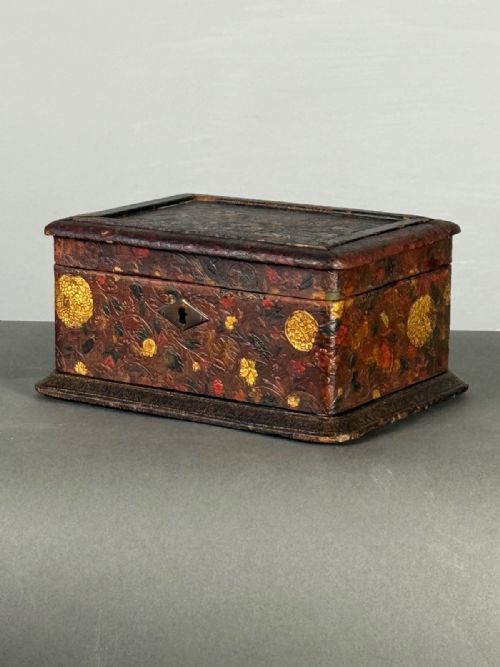
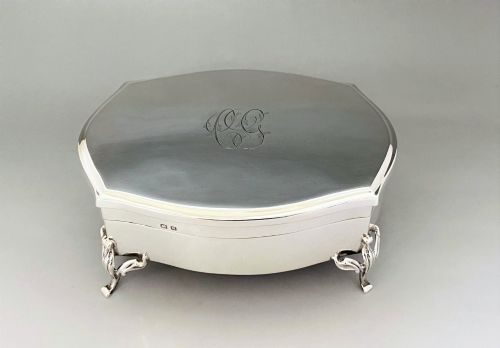
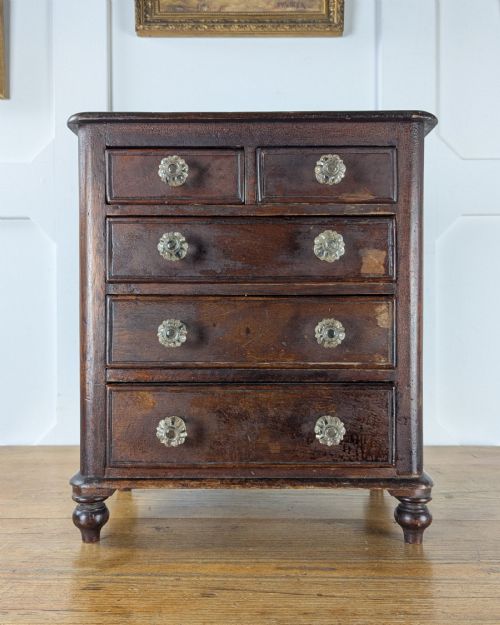
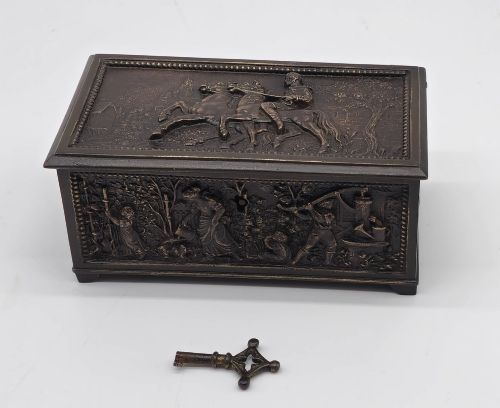
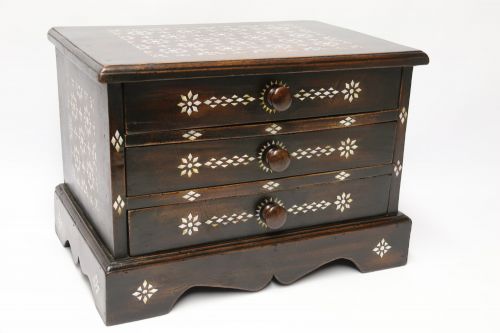
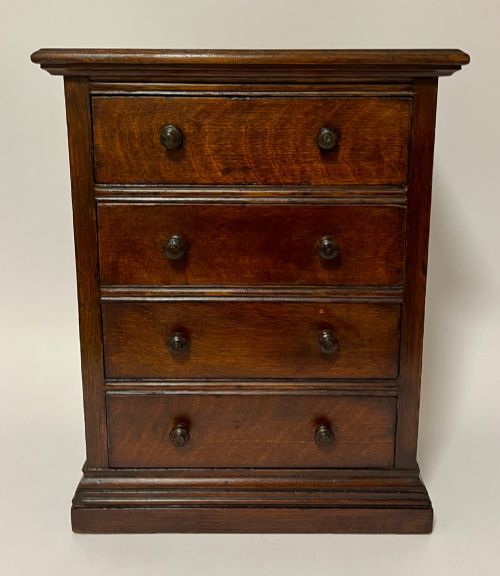
A vintage jewellery chest organises precious trinkets inside miniature drawer sets, polished caskets and inlaid boxes.
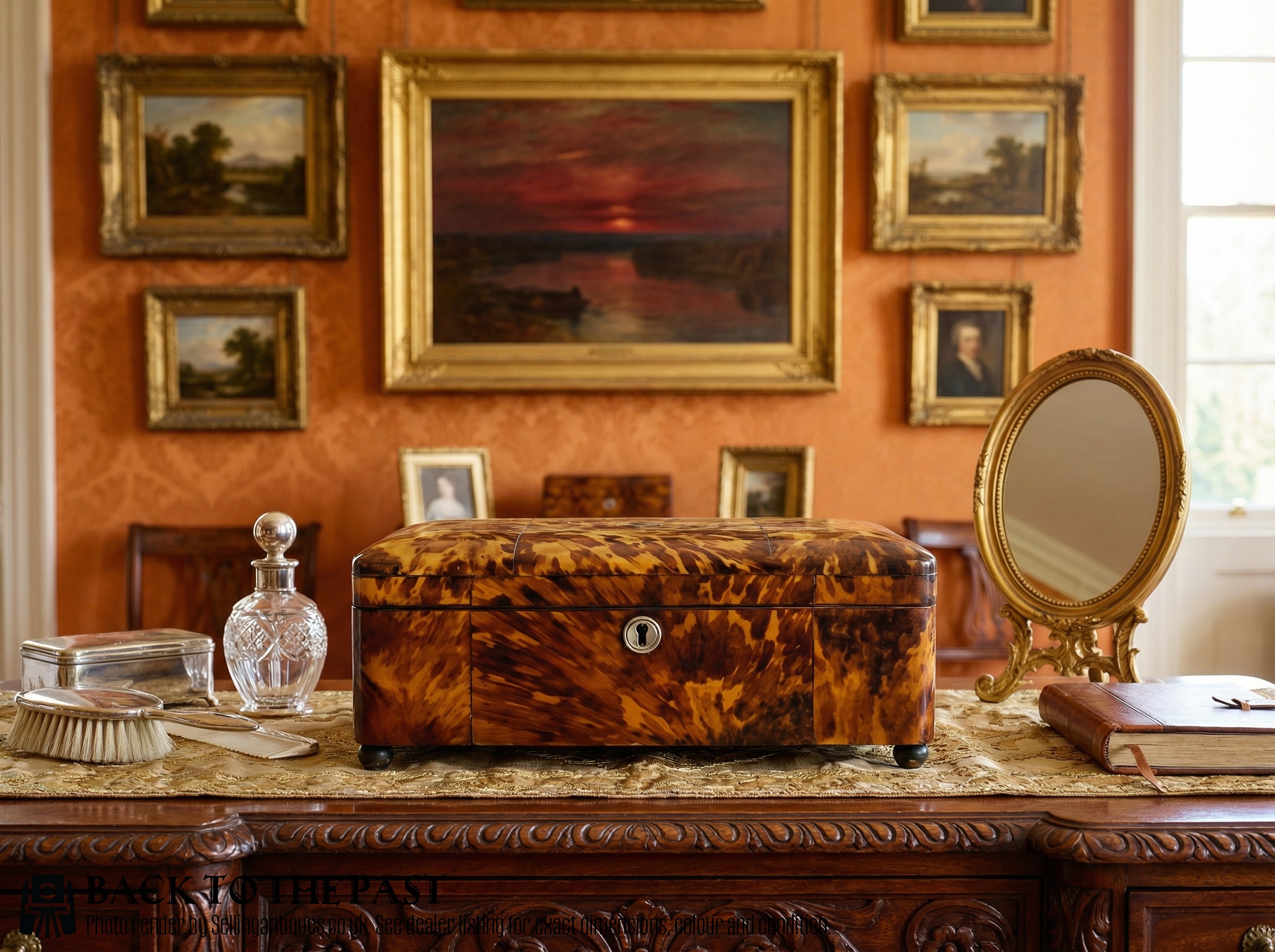
Vintage Jewellery Chest
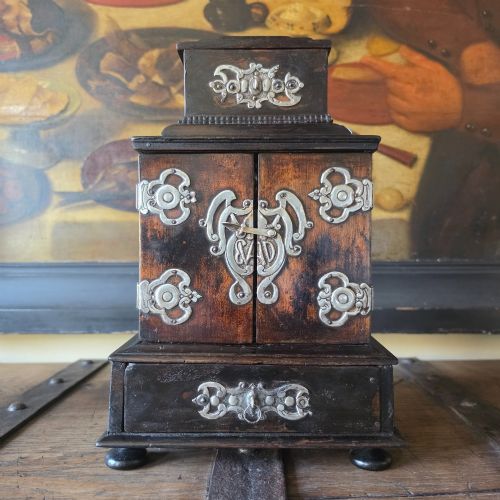
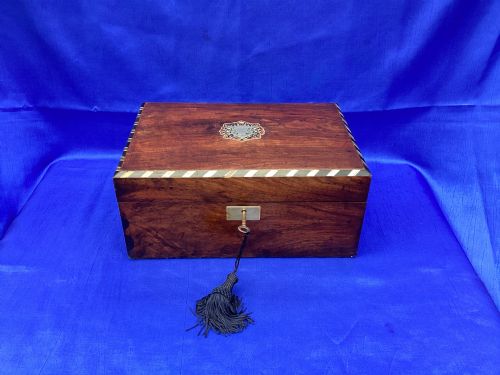
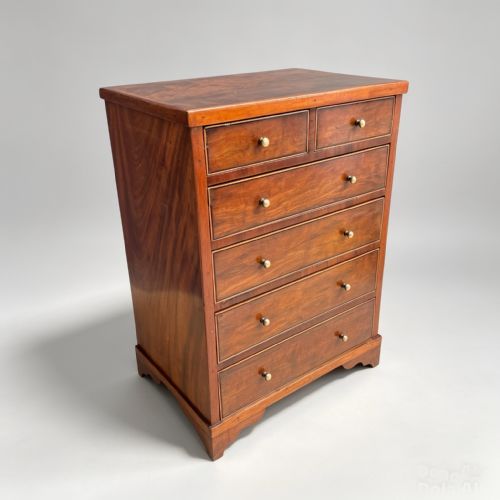
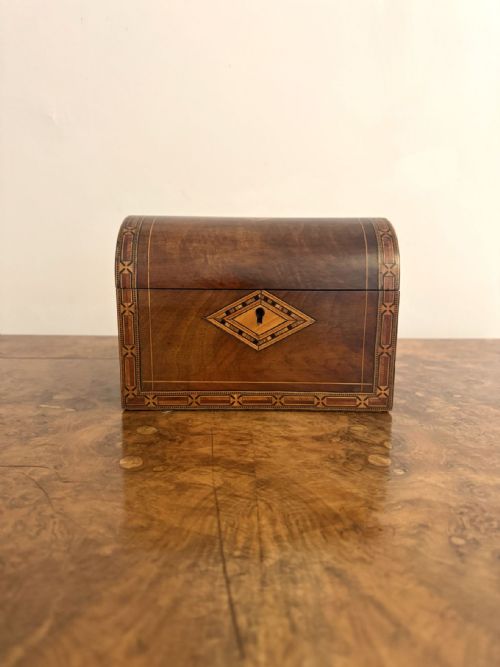
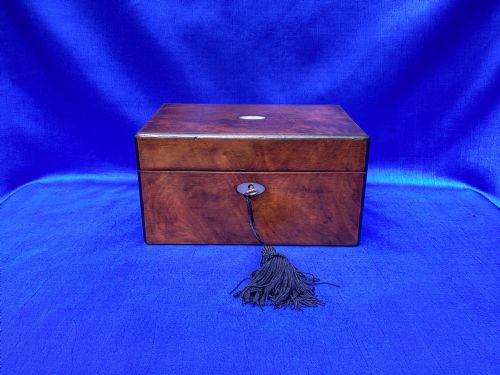
When you search for a vintage jewellery chest, you encounter a varied selection of miniature chests of drawers, tabletop cabinets, and fitted wooden boxes designed to hold small valuables. These pieces span centuries of craftsmanship, ranging from simple nineteenth-century mahogany storage units to ornate inlaid caskets.
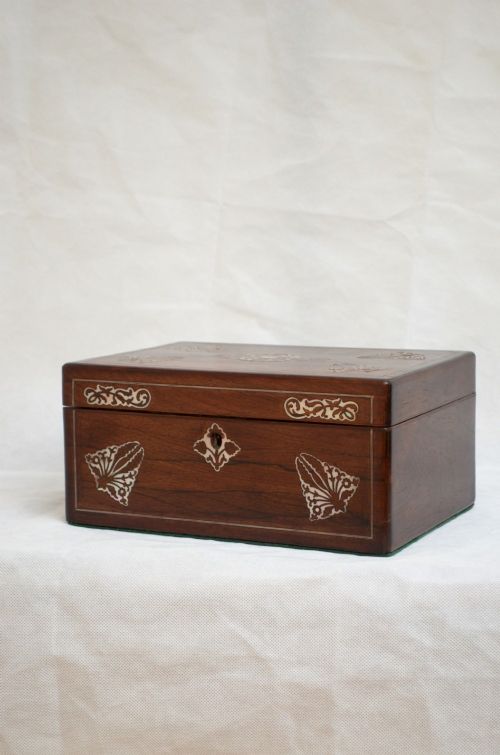
The most common versions on this page are mahogany and rosewood miniature drawer chests or lidded boxes featuring internal trays and lined compartments. Many reflect distinct regional and period characteristics, such as Anglo-Indian hardwood construction or elaborate Victorian marquetry.
Materials and construction methods
These items utilise dense timber foundations including mahogany, walnut, rosewood, and oak, frequently enhanced with decorative veneers and specialised surface treatments. Artisans applied intricate Tunbridge inlay, pearl details, and marquetry patterns directly onto the wooden carcase.
Metal elements provide both structural reinforcement and decorative flourish, employing brass handles, cast bronze mounts, leather coverings, and steel plating. Interior spaces are often fitted with fabric linings, fitted trays, and compartmentalised sections tailored for rings and watches.
Vintage Jewellery Chest Retail Price Guide 2026
Typical asking prices for vintage jewellery chest among the pieces listed under this phrase on Sellingantiques today, from the lower quarter to the upper quarter. They describe what is for sale here now, not the wider market.
Some miniature chests include tiny working locks, proving that even the smallest valuables once required serious security.
Judging the standard of execution
Quality rests upon the precision of the joinery, the crispness of any inlay or carved decoration, and the integrity of the materials employed. Superior examples demonstrate careful timber selection, such as burr walnut or figured mahogany, matched across visible surfaces.
Interior appointments further differentiate the pieces, where original silk or velvet linings, working locks with keys, and smoothly operating miniature drawers indicate a higher grade of original manufacture.
Edwards and Roberts·Susse Freres Paris·S Theeman
The Vintage Jewellery Chest Glossary
- Marquetry
- Decorative woodwork where small pieces of veneer are arranged to form pictorial patterns or geometric designs. This technique frequently graces the lids of nineteenth-century boxes.
- Casket
- A small decorative box or chest used for storing valuables, jewels, or documents. They often feature metal mounts or textile coverings.
- Tunbridge inlay
- A specialised form of woodworking involving thousands of tiny tinted wood blocks assembled to create mosaic pictures. It is characteristic of specific English decorative boxes.
- Miniature furniture
- Small-scale replicas of larger furniture items, such as chests of drawers or armoires, often made as apprentice pieces or cabinetmaker samples. They provide compact storage for trinkets.
- Tea caddy
- A container originally designed for storing loose tea leaves in dry conditions, frequently repurposed as a jewellery box due to its internal compartments.
Vintage Jewellery Chest: Frequently Asked Questions
What is a vintage jewellery chest used for?
These chests serve primarily to store rings, necklaces, watches, and small personal valuables in an organised manner.
Historically, they sat upon dressing tables, desks, or chests of drawers for daily access to precious accessories.
How do I identify a Victorian jewellery box?
Victorian examples frequently display rich timbers like rosewood or walnut, often featuring marquetry inlay or brass banding.
Internal fitted trays lined with velvet or silk are also characteristic of this nineteenth-century period.
How should I clean a wooden jewellery chest?
Maintenance requires gentle dusting with a soft, dry cloth to protect delicate veneers and old polished surfaces.
Harsh chemical cleaners and excessive moisture must be avoided to preserve the original timber and interior linings.