



Vintage Japanese Bronze
Vintage japanese bronze brings expressive animal sculptures, heavy vases, and patinated vessels into the home from the Meiji, Taisho, and Showa periods.
Vintage Japanese Bronze
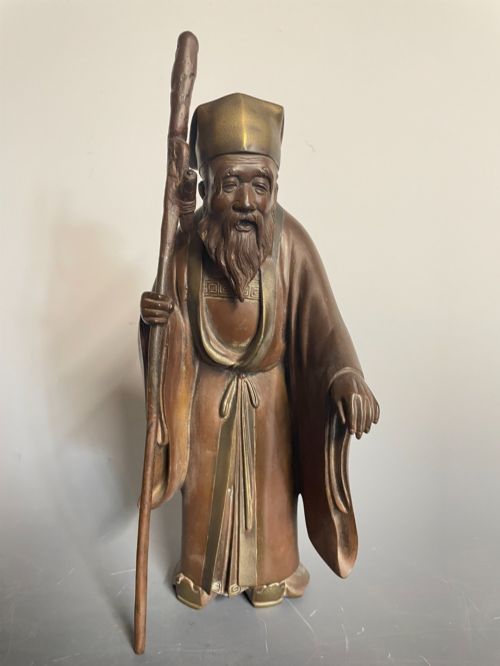
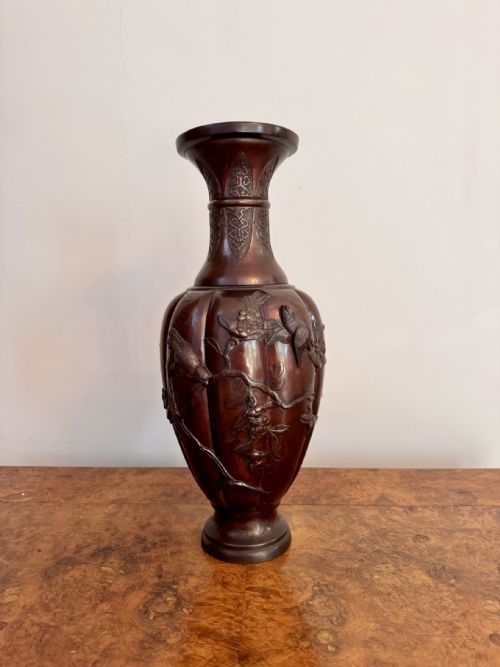
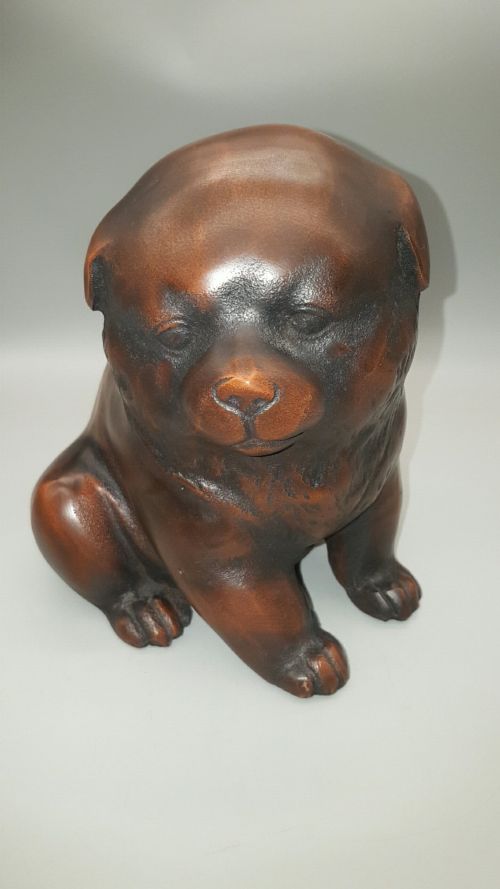
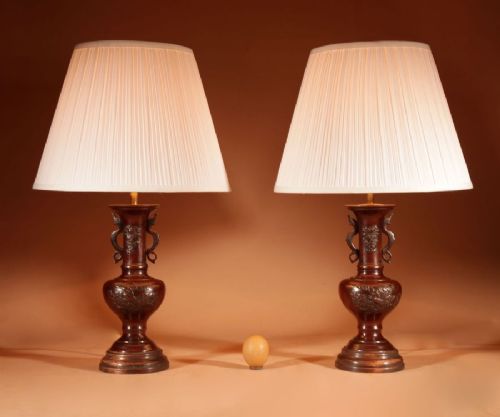
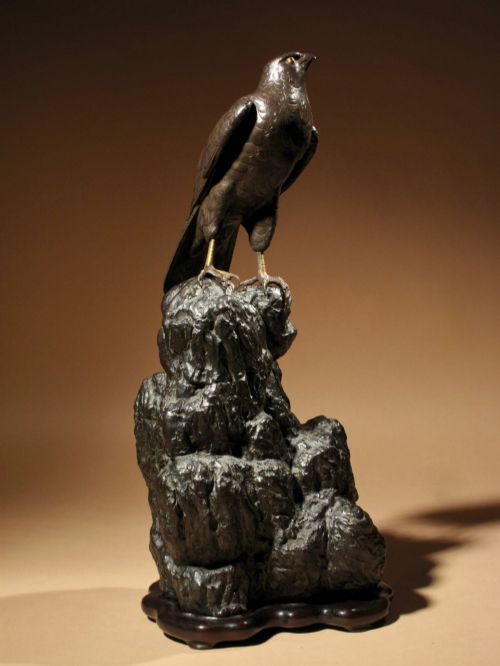
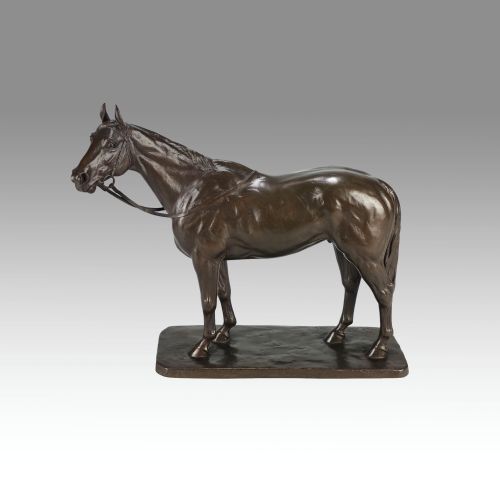
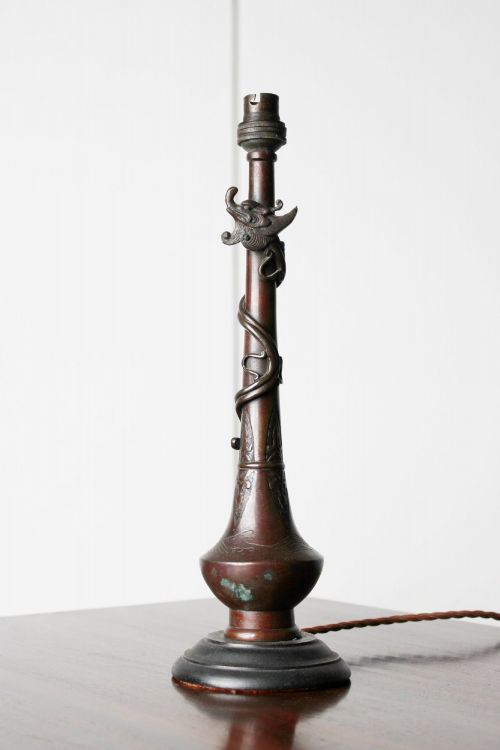
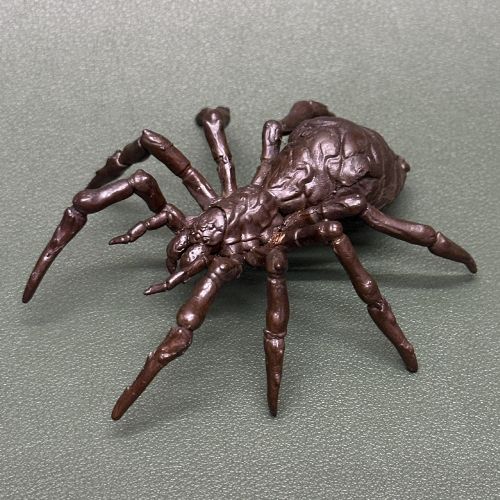
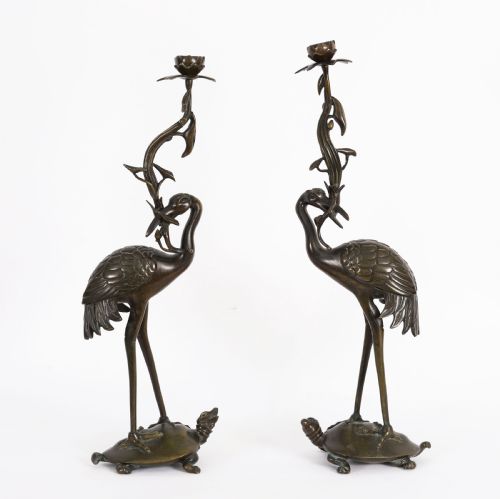
Vintage japanese bronze encompasses cast metal sculptures, animal figures, ceremonial vessels, and lighting fixtures produced across the late nineteenth and early twentieth centuries. Collectors encounter naturalistic sculptures of birds, horses, and spiders alongside utilitarian jardinieres, koro incense burners, and vases.
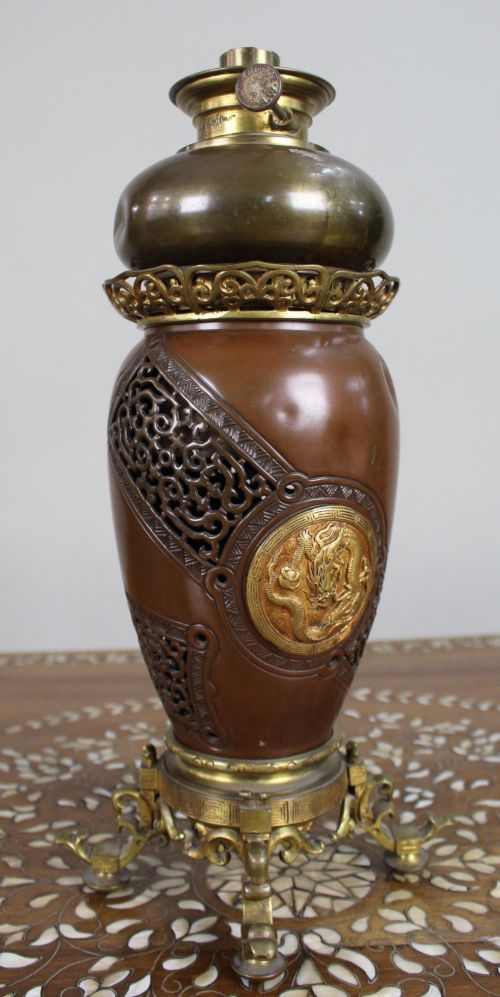
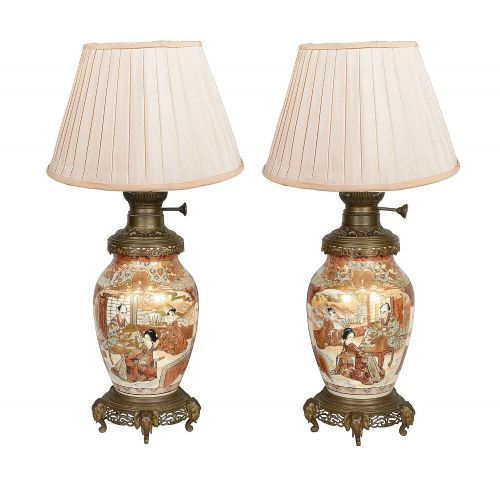
The objects frequently date from the Meiji period through the Showa period, reflecting traditional metalworking skills that adapted to international tastes during the late nineteenth and early twentieth centuries. Table lamps and wired oil lamps also appear, created by mounting period bronze bodies onto bases for modern domestic use.
How they were made
Metalworking combined traditional casting techniques with meticulous finishing, utilising copper alloy bronze alongside applied patination to achieve deep brown, black, or metallic tones. Artisans frequently integrated contrasting metals, applying silver or gold inlay to accent details on vases and incense burners.
Enamel enrichment appears on champleve and cloisonne vessels where vitreous pastes fill wire-formed cells or recessed channels before firing. Sculptures of animals and figures rely on lost-wax casting methods to capture complex anatomy, fur textures, and lifelike posture.
Animals hiding in bronze flora appear across the selection, including tiny frogs tucked inside pea pods and spiders perched on branches.
What varies in quality
Quality rests upon the precision of the casting and the sensitivity of the surface finish, distinguishing mass-produced commercial foundry work from accomplished studio pieces. Sculptures signed by known makers or associated with specific Tokyo and Kyoto foundries demonstrate superior anatomical definition and sculptural weight.
The integrity of the original patination and the crispness of applied surface decoration dictate the overall distinction of a piece. Well-preserved champleve enamel work and subtle silver highlights reveal a higher tier of craftsmanship than plain, unadorned surfaces.
Tsunemitsu·Kunio Ito·Sakai Kozan·Kibundo·Kinkozan·Takasetsu Onoda·Yoshizumi Yokoe·Nobuo Tsuda·Takashi Shimizu·Akira Tanaka
The Vintage Japanese Bronze Glossary
- Okimono
- A standalone decorative object or sculpture designed for display on a shelf or tokonoma alcove.
- Koro
- A traditional incense burner featuring a pierced lid to allow scented smoke to escape.
- Jardiniere
- A large ornamental pot or planter intended for holding large house plants or floral arrangements.
- Champleve
- An enamelling technique where enamel paste is applied into troughs or cells carved directly into the bronze surface.
- Patina
- The surface coloration and sheen developed naturally over time or applied chemically by the maker to alter the raw metal tone.
Vintage Japanese Bronze: Frequently Asked Questions
What is vintage japanese bronze?
It includes cast metal sculptures, vases, and vessels made in Japan during the late nineteenth and early twentieth centuries.
These pieces showcase traditional metal casting, patination, and decorative inlay work developed during the Meiji, Taisho, and Showa periods.
How do I care for bronze?
Dust the surface gently with a soft, dry cloth to prevent dirt accumulation without disturbing the patina.
Avoid using liquid cleaners, polishes, or abrasive cloths, as these can strip away the original chemical or natural surface coloration.
Are these pieces signed?
Many sculptures and vessels feature artist signatures, foundry marks, or seals cast directly into the base or body.
These marks often attribute the work to specific regional workshops or master metalworkers active during the Meiji and Showa eras.
How were these bronzes used originally?
Objects such as koro served as functional incense burners for home fragrance, while jardinieres held large indoor plants.
Figurative okimono and animal sculptures were displayed purely for aesthetic contemplation within traditional interior spaces.