


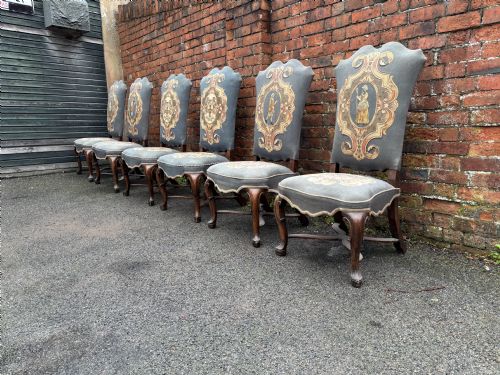


Vintage Italian Furniture
Vintage italian furniture brings together centuries of regional craftsmanship, decorative carving, and painted finishes for domestic interiors.
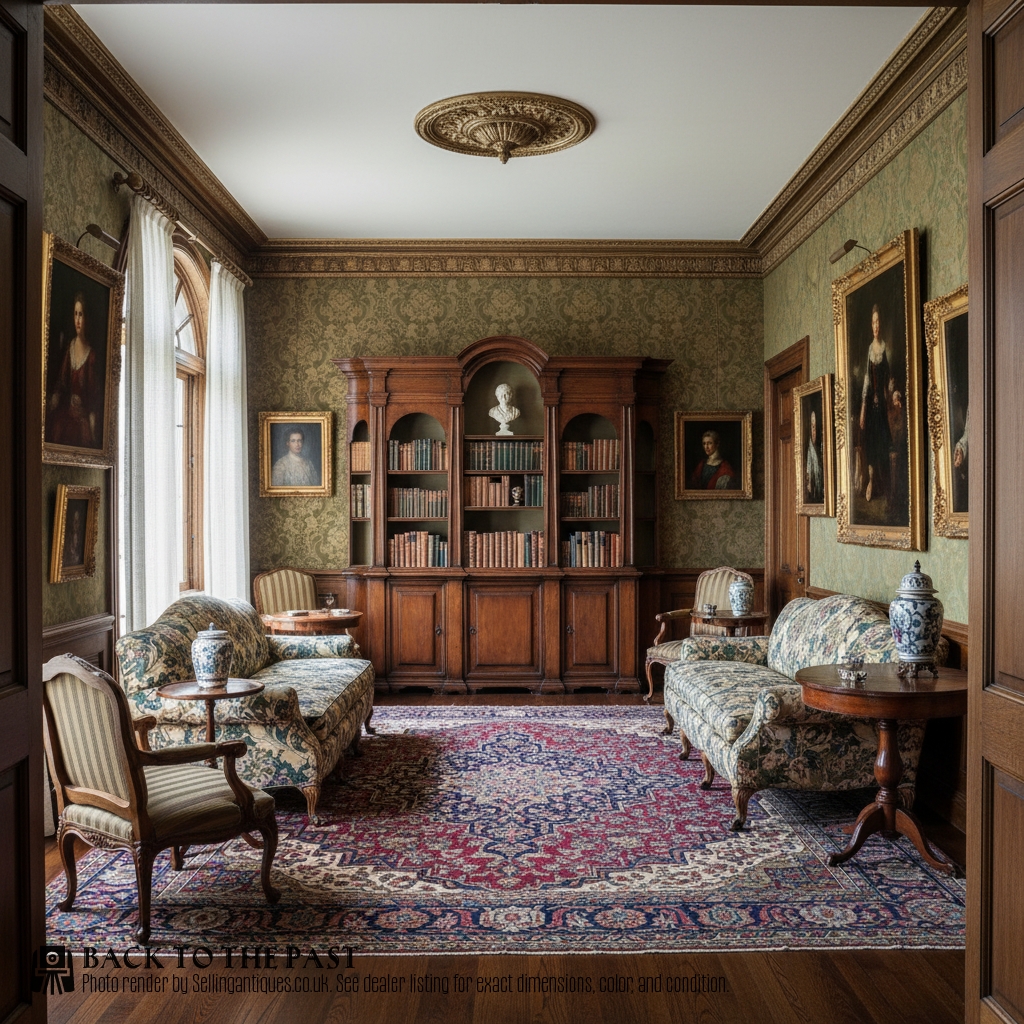
Vintage Italian Furniture
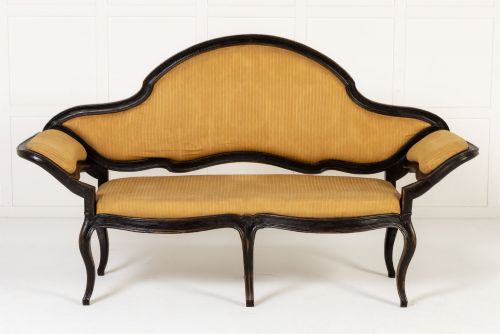
Vintage italian furniture encompasses a diverse selection of items created across different centuries, ranging from grand eighteenth-century walnut commodes and ebonised sofas to later painted side tables and occasional pieces. Buyers seeking this search phrase encounter various functional forms designed for storage and display, including chests of drawers, cupboards, console tables, and armchairs.
How they were made
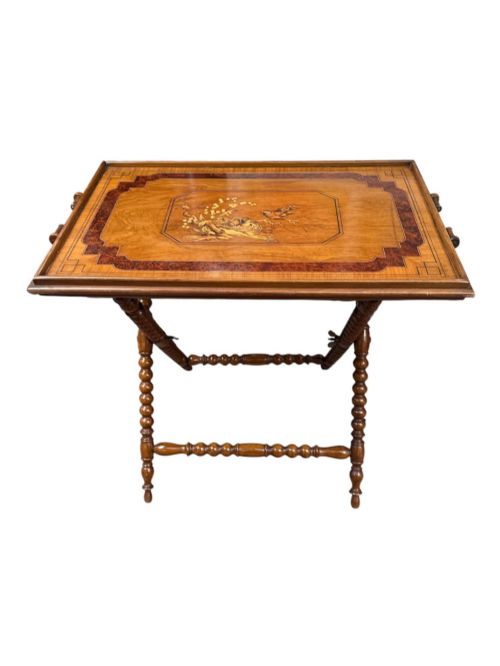
Makers utilised solid timbers such as walnut and mahogany as the foundational structure for desks, chairs, and commodes, frequently employing carved wood and delicate marquetry or inlay work for surface decoration. Joinery techniques varied from structural walnut framing on seating to intricate Sorrento inlay on small tables.
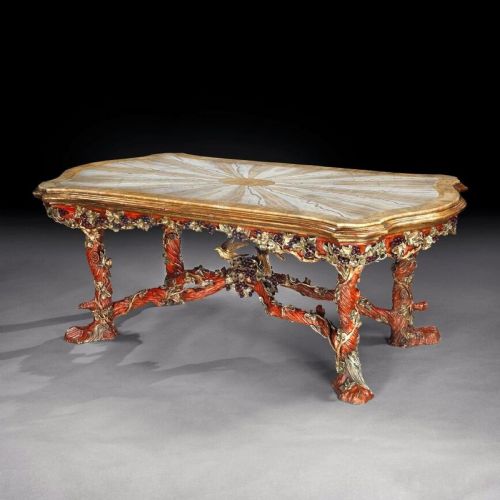
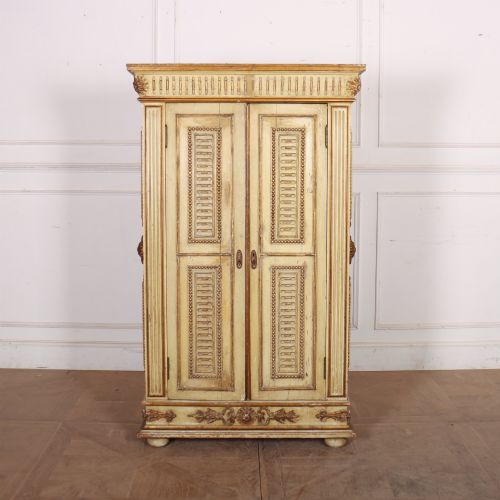
Decorative surface treatments involved layers of paint, gesso, and gold leaf applied to wood to create polychrome finishes, Venetian scenes, and distressed effects. Metal elements such as brass and engraved copper also appear on specific occasional and side tables from later periods.
Carved wooden dolphins occasionally support side tables, bringing a touch of coastal mythology straight into the parlour.
What varies in quality
Quality across these items depends upon the integrity of the original timber and the finesse of the hand-carved details or painted decoration. Pieces retaining their original polychrome surfaces or undisturbed marquetry demonstrate superior craftsmanship compared to later alterations.
The structural execution of complex forms, such as serpentine chests of drawers, bombe commodes, and tiered etagere tables, determines the overall refinement of the piece. Masterful execution in carving, such as detailed dolphin supports or floral inlays, elevates specific examples above standard production.
Amleto Bertoni·White Allom and Co
The Vintage Italian Furniture Glossary
- Sorrento Ware
- Wooden items decorated with meticulous micro-mosaic marquetry and inlay work. This technique originated in southern Italy and frequently adorns nineteenth-century butler trays and low tables.
- Cassapanca
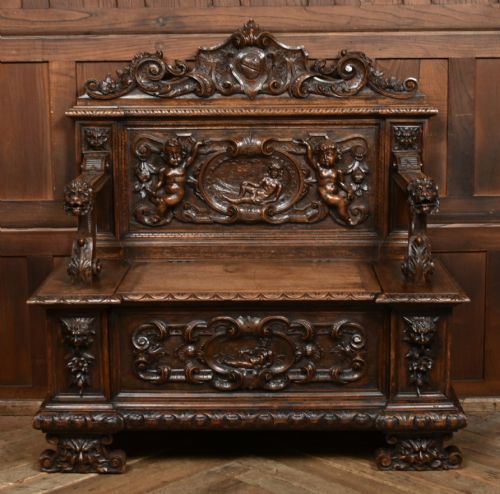
- A traditional Italian wooden bench featuring a built-in storage chest beneath the seat. These robust seating pieces often incorporate carved walnut panels.
- Commode
- A decorative chest of drawers or low cabinet originating in the eighteenth century. Examples often display serpentine or bombe contours alongside painted or polished walnut surfaces.
- Etagere
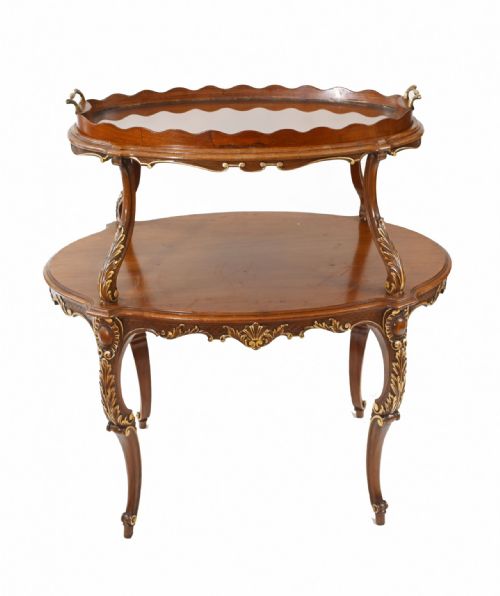
- A set of tiered open shelves or small tables designed for displaying decorative objects. These multi-level pieces offer practical surface space while maintaining a light visual profile.
- Polychrome
- A decorative finish utilising multiple colours of paint applied to carved wood surfaces. This technique is prominent on Venetian consoles, commodes, and side tables.
Vintage Italian Furniture: Frequently Asked Questions
What periods do these pieces cover?
The available selection spans from the mid-eighteenth century through to the early decades of the twentieth century. Earlier items typically showcase solid walnut construction and restrained classical lines, while later examples often feature painted finishes and revival styles.
Buyers will find that nineteenth-century items frequently display Sorrento inlay or ornate carving, whereas twentieth-century pieces lean towards painted Venetian aesthetics and practical occasional furniture.
How do I identify a Venetian commode?
Venetian commodes are generally characterised by curved serpentine or bombe shapes and decorative painted surfaces. These pieces often exhibit floral motifs or scenic decorations applied over a painted wood base.
Originating from the Venetian tradition, they serve as prominent focal points in a room, combining substantial storage capacity with elaborate decorative flair.
Where were these tables used?
These tables served various functional roles within historic domestic interiors, from grand reception rooms to private parlours. Centre tables and console tables were positioned against walls or in open spaces to display decorative items and lighting.
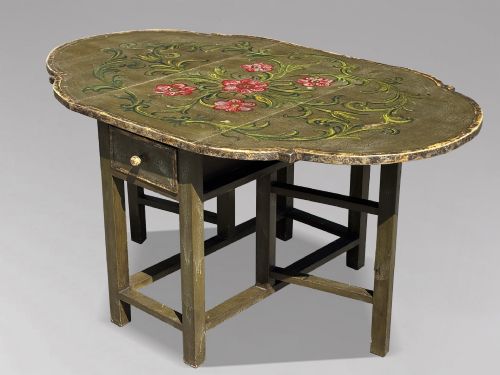
Smaller pieces like drop-leaf tables, etageres, and tray tables provided adaptable surface space for serving refreshments or holding books in sitting rooms.
Are painted finishes original?
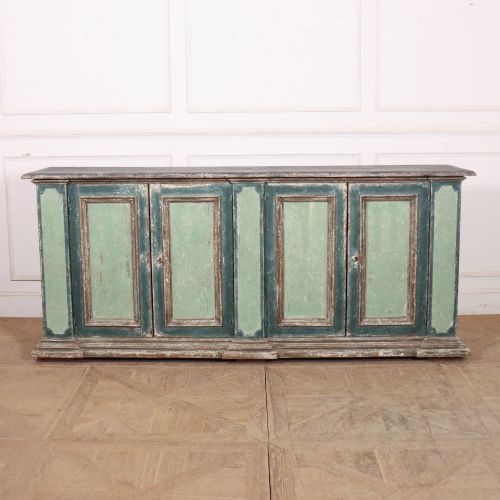
Many items retain their original painted surfaces, which have developed a soft patina through decades of domestic use. These historic finishes include monochrome tones, green painted treatments, and multi-coloured polychrome decorations.
Examining the paint surface closely reveals the natural ageing of the gesso and pigment underneath, distinguishing authentic period decoration from modern repainting.