
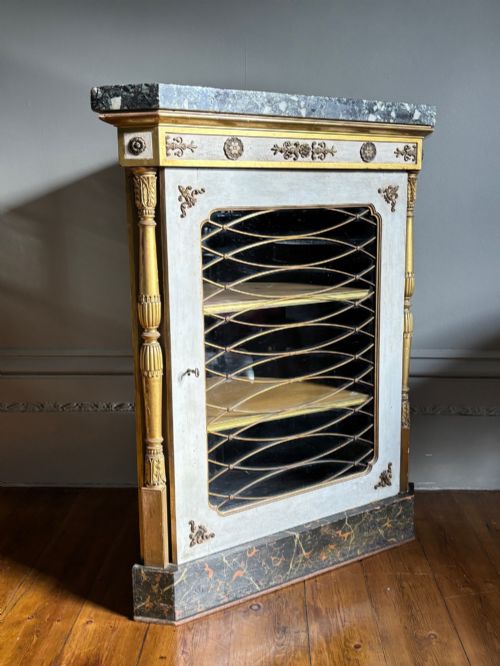
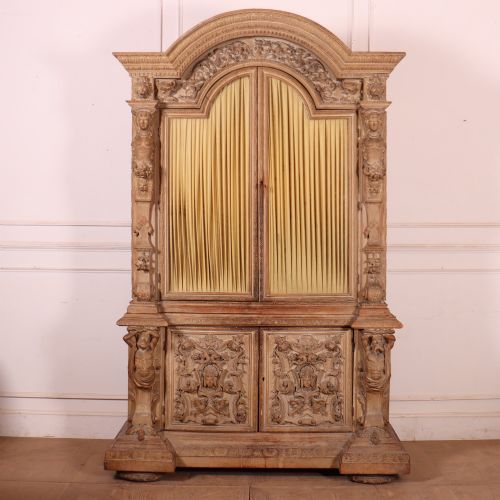


Italian Display Cabinet
An italian display cabinet brings architectural presence and visible warmth to a room, framing collections behind glass with centuries of craftsmanship.
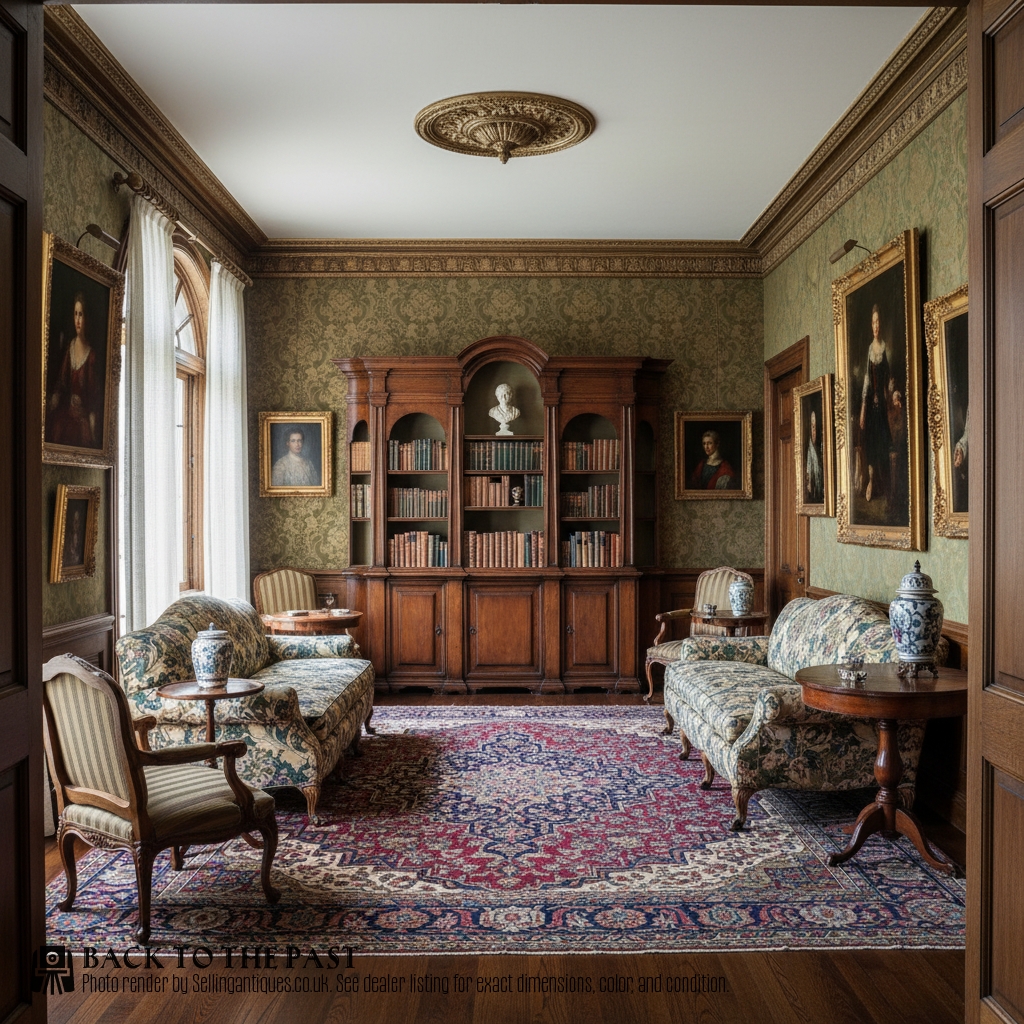
Italian Display Cabinet
When buyers search for an italian display cabinet, they encounter forms ranging from corner cupboards and tall bookcases to vitrines and cabinets on stands. These pieces emerge from periods spanning the eighteenth century through to the art deco era, reflecting diverse regional tastes.
The versions most commonly met on this page combine glazed upper sections with wooden bases, utilising walnut as a primary timber. Alongside traditional revival styles like renaissance and baroque, provincial and neoclassical iterations appear regularly across the selection.
Makers fashioned these cabinets to house books, ceramics, and curiosities while adding distinct vertical lines to domestic interiors. Each piece demonstrates how cabinet makers balanced utility with decorative display across successive centuries.
How they were made
Carpenters constructed these cabinets primarily using solid and veneered walnut, frequently incorporating glass panes within framed doors to showcase contents. Structural support often relied on secondary timbers, while brass fittings provided hinges and key escutcheons.
Carving and inlay formed the central decorative techniques, evident in relief work on cabinet frames and delicate surface patterns. Artisans also applied paint and gilt finishes to specific panels, depending on the prevailing aesthetic of the period.
Listings feature walnut as the predominant material, spanning periods from the 18th century through the art deco era.
What varies in quality
The refinement of carved detail and the choice of walnut veneers distinguish finer examples from simpler provincial work. Crisp execution in architectural mouldings and joinery indicates a higher tier of workshop production.
Original glass and intact hardware contribute significantly to the integrity of a piece. The proportional balance between the upper display area and the base determines the visual success of the design.
The Italian Display Cabinet Glossary
- Vitrine
- A glass-fronted cabinet designed specifically for displaying fine objects or porcelain. This form protects contents from dust while offering all-round visibility.
- Corner cupboard
- A specialised storage piece built to fit snugly into the internal angle of a room. These units make efficient use of dead space while exhibiting decorative doors.
- Cabinet on stand
- A freestanding storage compartment elevated upon a separate supporting frame or legs. This configuration lifts the main body of the furniture to create a lighter silhouette.
- Inlay
- A decorative technique where contrasting materials are inserted into recessed portions of a wooden base. This method creates flat patterns across cabinet doors and panels.
- Regency
- An English stylistic period from the early nineteenth century that heavily influenced contemporary European design. Pieces from this era often display classical restraint and clean lines.
Italian Display Cabinet: Frequently Asked Questions
What is an Italian display cabinet?
An italian display cabinet is a piece of case furniture designed with glass panels to showcase books, ceramics, or decorative objects. These cabinets originate from various periods including the eighteenth and nineteenth centuries.
They serve as both functional storage and prominent decorative fixtures within a room, utilising materials such as walnut, glass, and brass.
Where should I place a corner cupboard?
A corner cupboard belongs in the angle where two walls meet, turning unused architectural junctions into practical storage. These pieces make efficient use of awkward floor space in dining rooms or drawing rooms.
Ensure the dimensions match the specific wall angles of your chosen room before placement.
How do I care for antique walnut?
Antique walnut requires stable indoor humidity away from direct heat sources to prevent wood movement and veneer lifting. Dust regularly with a soft, dry cloth without applying modern silicone-based polishes.
Occasional application of traditional beeswax helps maintain the natural lustre of the timber surface over time.