




Vintage Iron Fire Supports
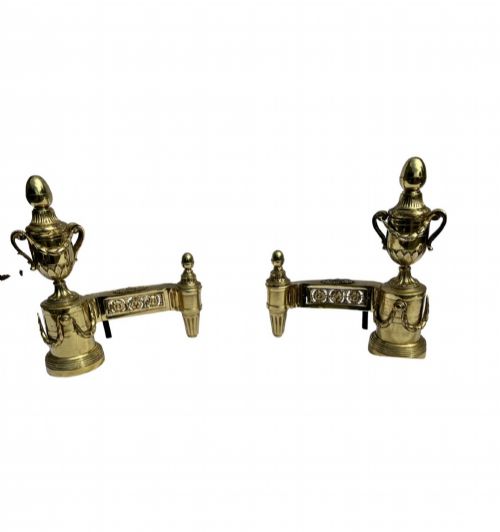
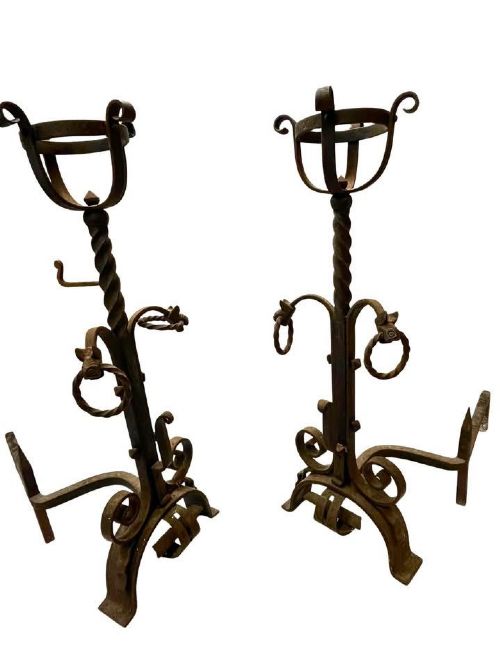
These vintage iron fire supports steady logs upon the hearth, bringing robust metalwork and period character to the fireplace.
Vintage Iron Fire Supports
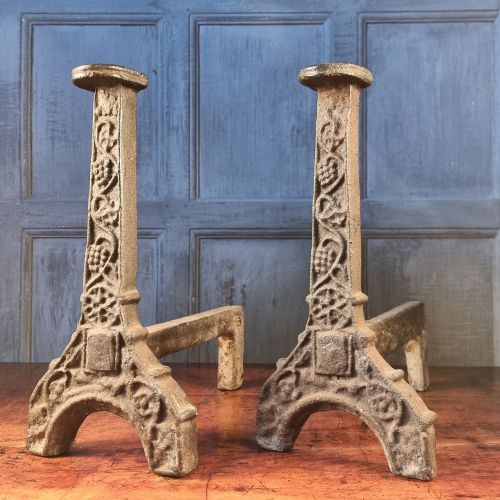
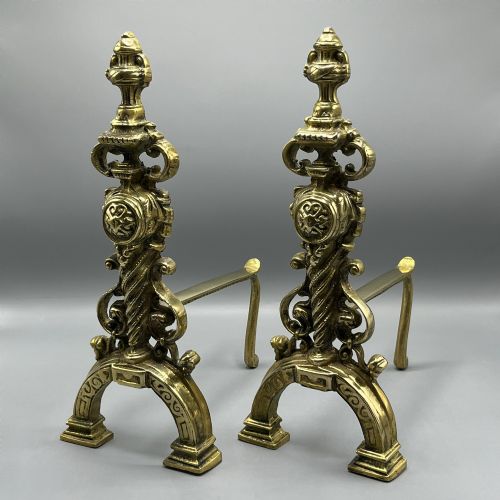
Vintage iron fire supports encompass utilitarian and decorative hearth furniture designed to hold logs above the base of the fireplace. Buyers search for these pieces to anchor a hearth scheme with functional metalwork that spans centuries of domestic design. Examples on this page range from early sixteenth century specimens to later Victorian and Edwardian iterations.
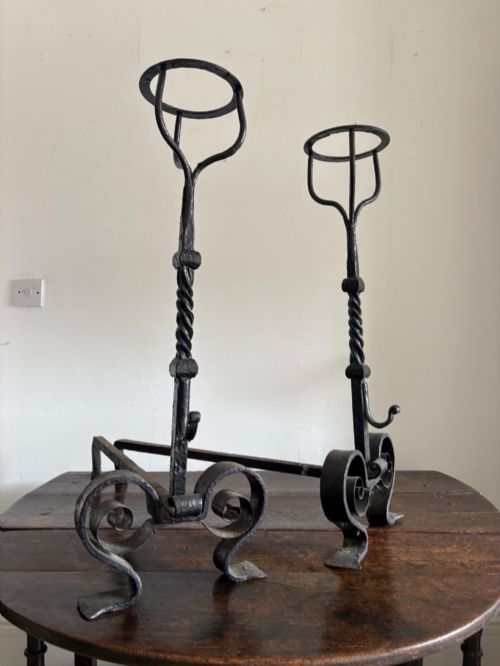
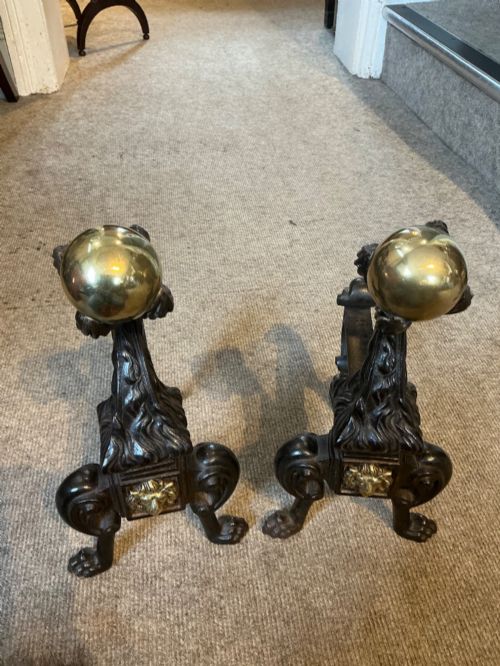
The primary forms found here are andirons, firedogs, and fireside tool rests, often presented in matched pairs. These supports appear in diverse styles including Gothic, Regency, Arts and Crafts, and Neoclassical. Form follows function closely, with sturdy standards and ornamental front terminals standing ready to support fuel.
Origin and period heavily influence the appearance of these pieces, extending from English workshops to French foundries. Collectors encounter everything from monumental nineteenth century wrought iron examples to compact forged iron variants. Each pair demonstrates the specific domestic requirements of its original era.
Judging quality in hearth supports
Quality in these metal supports rests on the heft of the materials and the skill of the hand-forging or casting. Superior examples display clean lines, balanced proportions, and robust gauge metal that resists warping under heat. Lesser pieces often lack the crisp detailing found in period foundry work.
The distinction between standard utility items and finer pieces lies in the articulation of the decorative terminals and the stability of the feet. Master craftsmanship shows in the seamless integration of wrought components and decorative brass accents. Original patination and substantial weight signal a higher grade of manufacture.
The Vintage Iron Fire Supports Glossary
- Andiron
- A metal support used in pairs to hold logs in a fireplace. They allow air to circulate beneath the wood for a better burn.
- Firedog
- An alternative term for an andiron, traditionally featuring an ornamental front standard. These objects served both practical and decorative purposes in the room.
- Wrought iron
- Iron that has been heated and worked with tools by a blacksmith. This material offers superior strength and flexibility compared to cast iron.
- Cast iron
- Iron poured into a mould to create specific shapes and decorative patterns. It provides rigidity and detailed surface ornamentation for hearth accessories.
- Gothic Revival
- A nineteenth century design movement drawing inspiration from medieval architecture. Pieces from this style often incorporate pointed arches and heavy ecclesiastical motifs.
Vintage Iron Fire Supports: Frequently Asked Questions
How do I use fire supports?
Place a matched pair inside the fireplace hearth with the long billets or legs pointing backward into the firebox. Logs rest across the horizontal bars to improve airflow underneath the fuel.
Ensure the supports stand level on the hearth floor before loading wood onto them. This arrangement keeps the fire stable and protects the back wall of the fireplace.
Can I burn real wood with them?
Most historic metal supports are built from robust iron or brass designed to withstand high hearth temperatures. Traditional pieces handled daily coal and wood fires for generations.
Check the thickness of the metal and any historic repairs before lighting a heavy fire. Lighter decorative variants suit display or gas-effect hearths better than heavy log burning.
How do I clean iron hearth pieces?
Remove accumulated soot and ash using a soft dry brush or a lint-free cloth. Avoid harsh chemical cleaners that can strip historic patination or damage brass accents.
Apply a light microcrystalline wax to wrought or cast iron surfaces to protect against moisture. Regular dusting maintains the finish without altering the character of the metal.
How do I date antique fire supports?
Examine the manufacturing technique, as hand-forged wrought iron typically points to earlier production periods. Cast iron pieces often feature style markers like Gothic Revival or Neoclassical motifs that align with nineteenth century design trends.
Tool marks, construction methods, and material combinations provide reliable clues to the age of the metalwork. Comparing the design to documented period examples helps narrow down the decade.