


Vintage Iron Finial
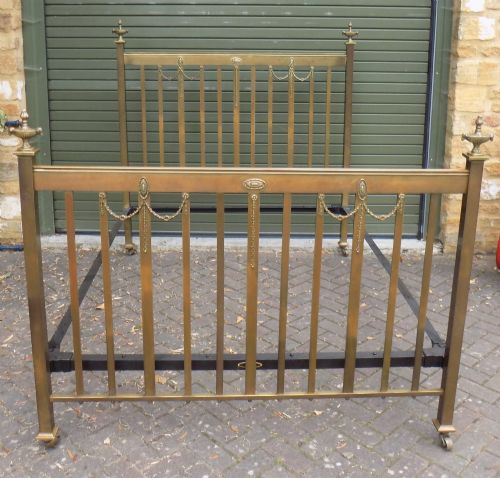
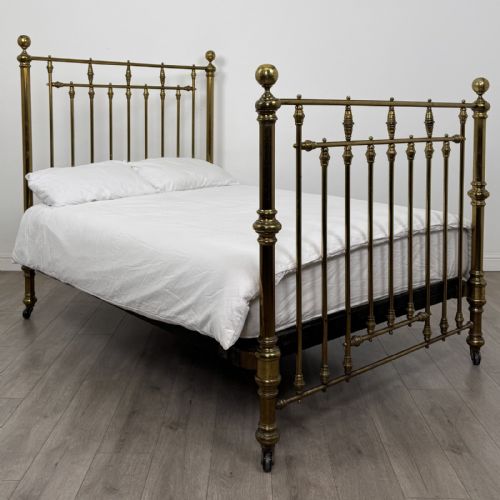
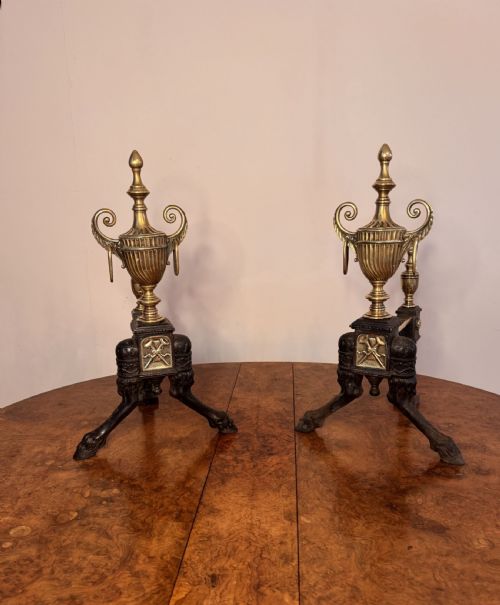
These vintage iron finials and related ironwork components bring solid metal weight and period character to architectural and furniture settings.
Vintage Iron Finial
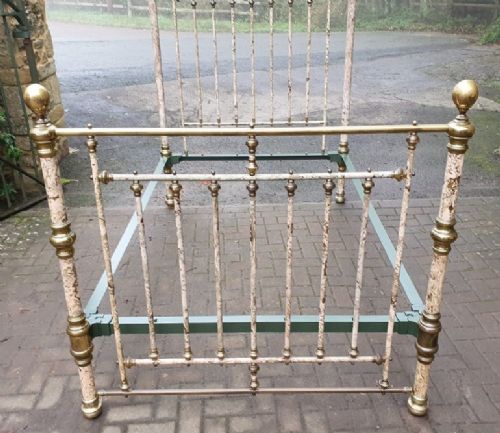
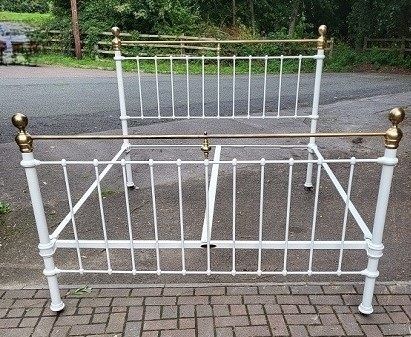
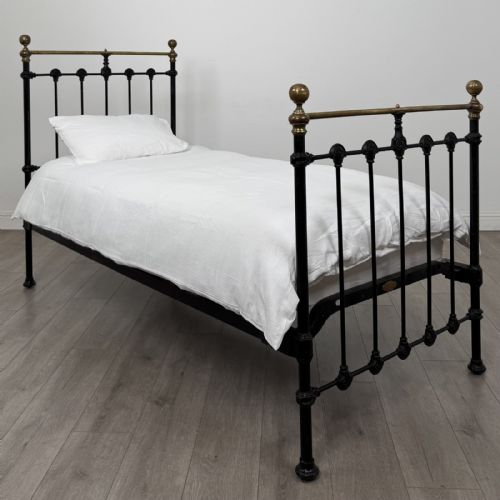
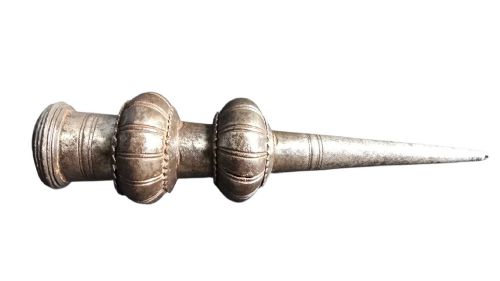
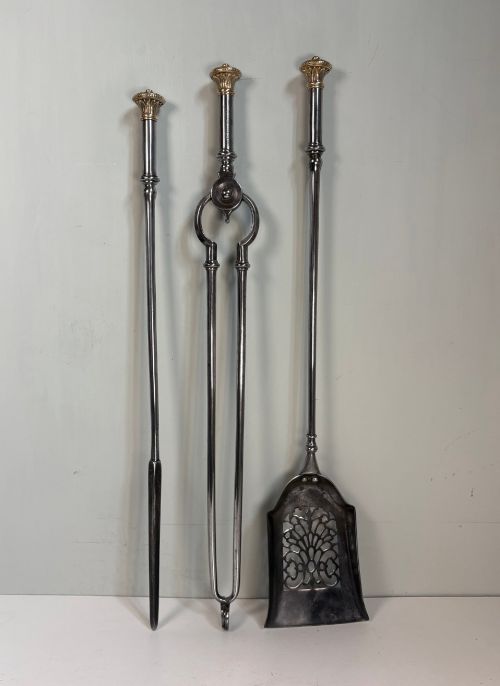
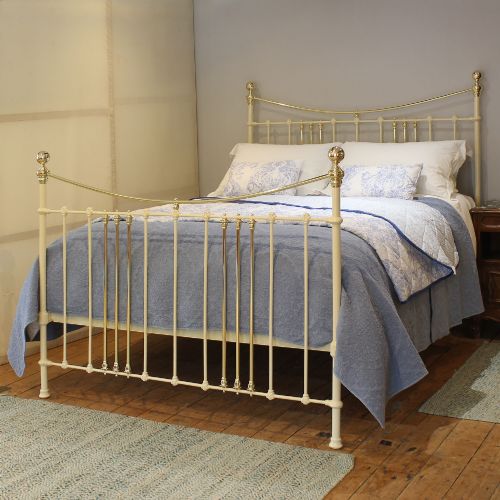
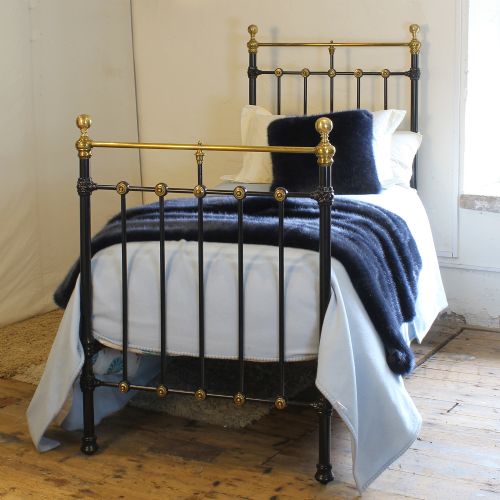
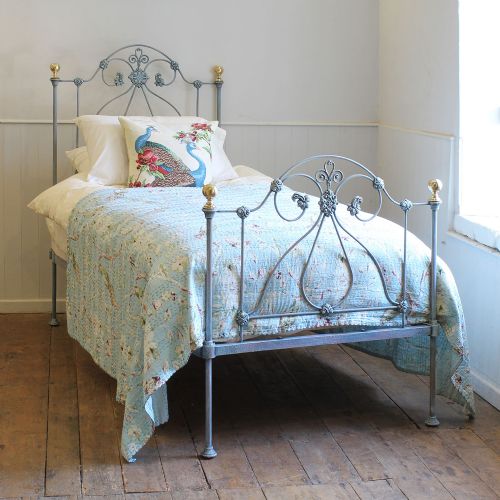
A vintage iron finial search brings together architectural elements, furniture components, and hearth hardware spanning the nineteenth century and early twentieth century. Buyers encounter smaller decorative terminals alongside larger structural pieces cast or forged from iron, often paired with brass or steel.
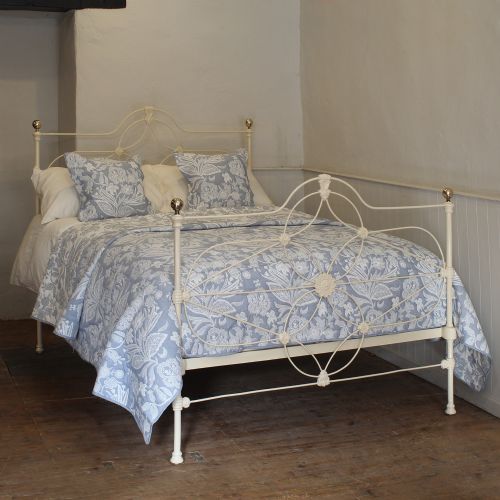
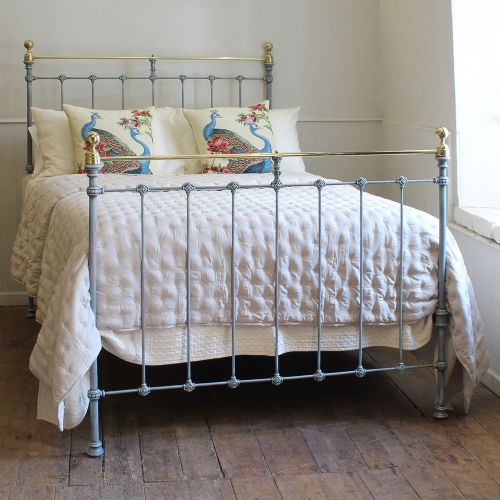
The selection leans heavily toward hardware associated with beds, fire dogs, and architectural accents from the Victorian and Edwardian eras. Pieces range from simple utilitarian mountings to ornate cast iron forms intended to cap posts and structures.
How they were made
Makers utilised casting and forging techniques to shape iron and steel into structural and decorative items. Cast iron allowed for repeatable ornamentation in moulds, while wrought iron was beaten and bent by hand into durable forms.
Many objects combine iron bodies with brass details, polished steel accents, or painted wooden elements. Surface finishes include plain black iron, verdigris, and applied paint over metal.
Vintage Iron Finial Retail Price Guide 2026
Typical asking prices for vintage iron finial among the pieces listed under this phrase on Sellingantiques today, from the lower quarter to the upper quarter. They describe what is for sale here now, not the wider market.
Listings span the Victorian, Edwardian, and Regency periods, featuring cast iron, wrought iron, brass, and polished steel.
What varies in quality
Quality rests in the crispness of the casting detail and the integrity of the metalwork joints. Finer examples show sharp definition in moulded or forged motifs without surface pitting or crude repair marks.
The weight of the metal and the precision of assembly distinguish workshop production from standard utility items. Selection of supplementary materials, such as heavy brass components or robust steel frames, elevates the overall standard.
Winfield·R W Winfield
The Vintage Iron Finial Glossary
- Finial
- A decorative terminal ornament that caps the top of a post, bedstead, or architectural feature. These metal points draw the eye upward and finish a composition.
- Cast Iron
- Molten iron poured into a mould to create complex shapes and heavy structural components. This material holds fine ornamental detail well.
- Wrought Iron
- Iron heated and worked by hand with hammers and tools to produce tough, pliable hardware. It shows subtle hammer marks and fibrous textures.
- Andirons
- Metal supports used to raise firewood off the hearth floor for better airflow. They often feature decorative fronts facing into the room.
- Brass
- An alloy of copper and brass used alongside iron for contrasting metallic colour and decorative highlights. It brings a bright golden tone to darker ironwork.
Vintage Iron Finial: Frequently Asked Questions
What is a vintage iron finial used for?
These pieces serve as decorative caps on furniture posts, bedframes, and architectural structures. They provide a finished termination point to upright elements.
Buyers often select them to complete restoration projects on period bedsteads or to incorporate reclaimed metal details into interior schemes.
How do I identify Victorian ironwork?
Victorian pieces typically display robust casting techniques, often combining dark iron with polished brass details or painted finishes. Styles range from utilitarian forms to ornate Gothic Revival and neoclassical motifs.
Examine the weight and construction methods, as nineteenth-century pieces rely on traditional joinery, heavy casting, and hand-forged elements.
Are these items made entirely of iron?
Many listings combine iron with complementary materials such as brass, steel, and painted wood. Cast iron and wrought iron form the structural core of most pieces.
Makers frequently mounted iron components on brass frames or added brass finials and collars for visual contrast.
How should I clean antique iron?
Maintenance involves removing surface dust with a dry cloth and preserving the existing metal patina. Avoid harsh chemical cleaners that strip historical finishes.
Light applications of protective wax help guard against rust while maintaining the aged appearance of the iron and brass surfaces.