



Black Metal Finial
These black metal finial pieces anchor structural ironwork and bedframes with quiet authority, offering an authentic period finish for restoration projects.
Black Metal Finial
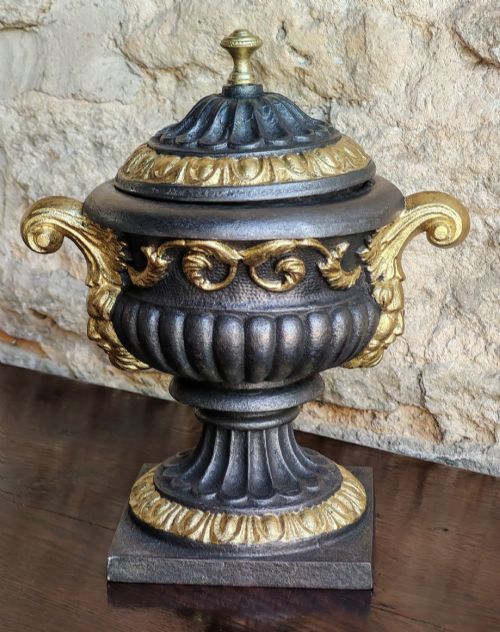
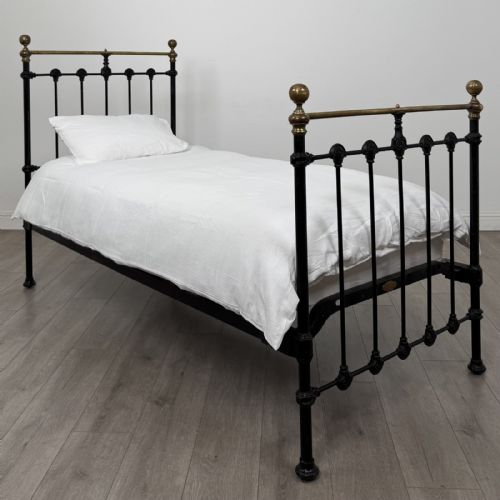
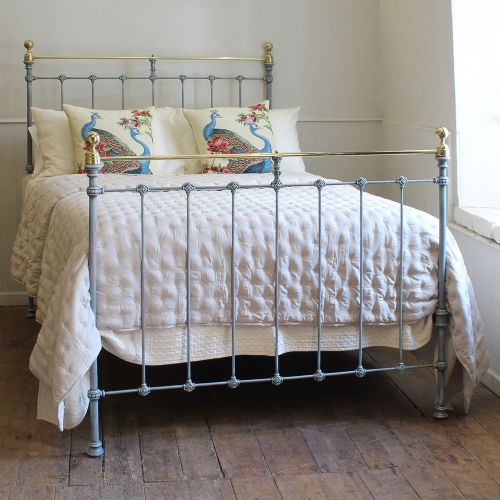
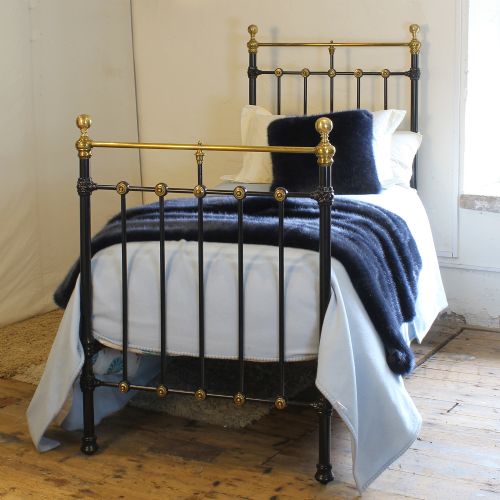
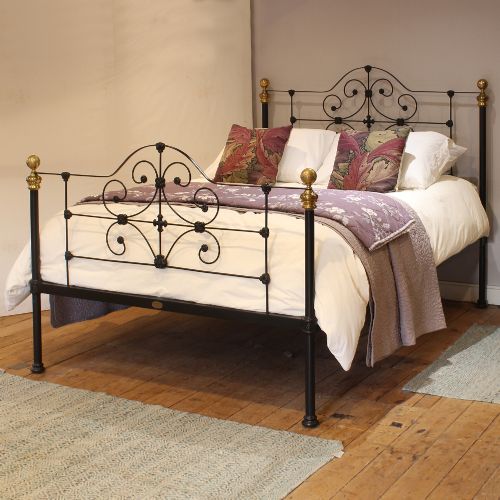
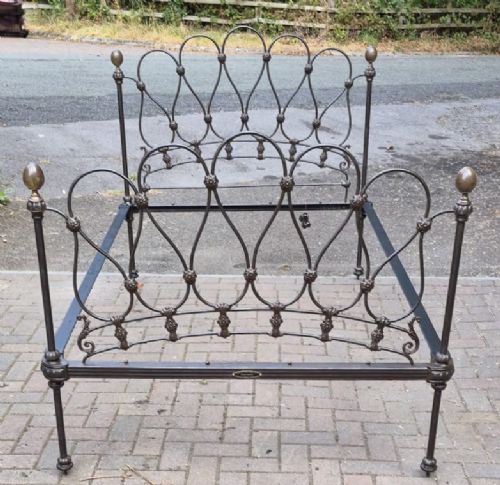
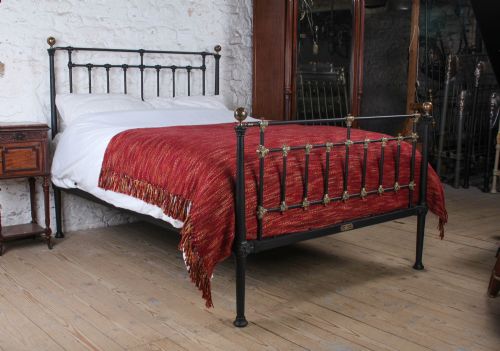
When you search for a black metal finial, you encounter architectural and domestic hardware that once capped iron beds, gates, and decorative metalwork. The listings here primarily draw from Victorian iron and brass bedframes, garden gates, and structural mounts where dark metal components provide functional termination.
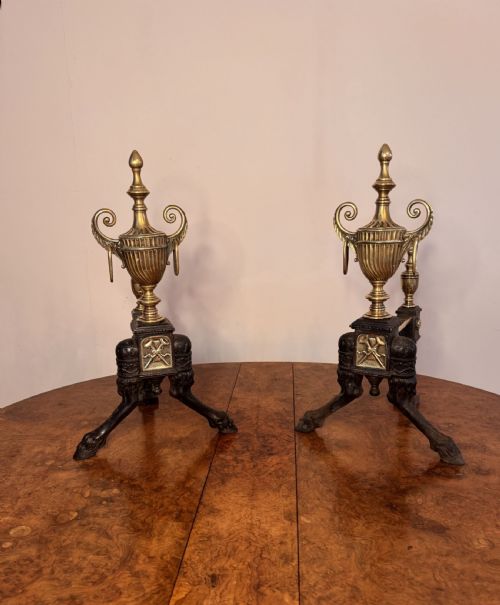
These elements emerge across diverse forms, spanning Victorian single and king size beds, cast iron hitching posts, and wrought iron andirons. The selection reflects both domestic bedroom furnishings and robust outdoor metalwork from the nineteenth century.
How they were made
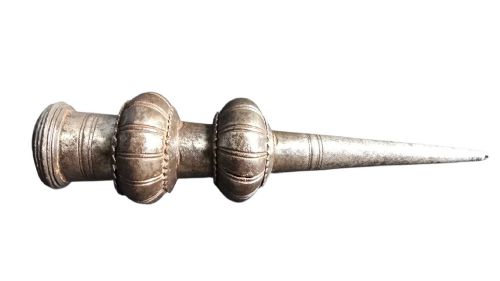
Makers utilised cast iron, wrought iron, and steel, frequently pairing the dark metal body with contrasting brass details or mounting them alongside pine and marble. Techniques combined traditional forging with fine casting, visible in pieces featuring ribbed and incised decoration or japanned lacquer finishes.
Construction methods relied on the inherent strength of iron and steel, shaped into tapered posts or decorative urns. The application of japanning provided a durable dark surface protection characteristic of the period.
Black Metal Finial Retail Price Guide 2026
Typical asking prices for black metal finial among the pieces listed under this phrase on Sellingantiques today, from the lower quarter to the upper quarter. They describe what is for sale here now, not the wider market.
Nineteenth-century ironfounders cast everything from bed finials to equine anatomy, leaving us with steadfast iron horse heads to watch over the hallway.
What varies in quality
The distinction between ordinary utility hardware and superior examples lies in the crispness of the casting and the integrity of the original surface finish. Finely cast components retain sharp definition in their decorative motifs without the softening often caused by successive layers of modern paint.
Proportion and material combination also dictate standard, particularly where black iron meets polished brass elements or intricate hand-forged scrollwork. Original patination and intact surface treatments command greater regard than stripped or heavily restored surfaces.
Maple & Co.
The Black Metal Finial Glossary
- Japanned lacquer
- A European imitation of East Asian lacquerwork, producing a hard, glossy black finish on metal or wood. This protective coating was widely applied to nineteenth-century iron furniture.
- Wrought iron
- Iron that has been heated and worked with tools by a blacksmith, characterised by a fibrous structure resembling wood grain. It offers high resistance to fatigue and shock.
- Cast iron
- Iron poured into a mould in a liquid state, allowing for the creation of complex decorative forms and structural components. It provides rigidity and compressive strength.
- Finial
- A relatively small decorative ornament fixed to the apex of a roof, piece of furniture, or metalwork assembly. It serves to visually cap a vertical post or upright.
Black Metal Finial: Frequently Asked Questions
How do I clean a black metal finial?
Dust the surface regularly with a dry, soft cloth to prevent the accumulation of grit and moisture. Avoid harsh chemical cleaners that can strip original japanned or painted finishes.
Apply a light coat of microcrystalline wax if the metal requires protection against oxidation. Buff gently with a clean cloth to maintain a stable, matte or satin appearance.
Are these finials solid cast iron?
The construction depends on the specific object, as makers utilised both cast and wrought iron alongside brass and steel elements. Cast components offer intricate detail, while forged sections provide structural strength.
Inspect the surface texture and weight to determine the manufacturing method. Cast pieces often display mould seams, whereas wrought items show subtle hammer marks from manual shaping.
How do I date a nineteenth-century iron bed?
Examine the assembly joints, fixing bolts, and the style of any brass decoration. Victorian manufacturers frequently utilised tapering posts and specific spindle arrangements that help narrow the production window.
Reference the overarching design style, whether Neoclassical, Arts and Crafts, or Empire. Maker stamps and registration marks, when present, provide definitive chronological markers.
Can I use these outdoors?
Suitability for outdoor placement depends on the original protective finish and the current condition of the metal. Wrought iron garden gates and hitching posts were designed for exterior exposure.
Indoor items finished with japanned lacquer or delicate brass components require protection from damp conditions. Assess the existing rust and coating stability before exposing historical metalwork to weather.