

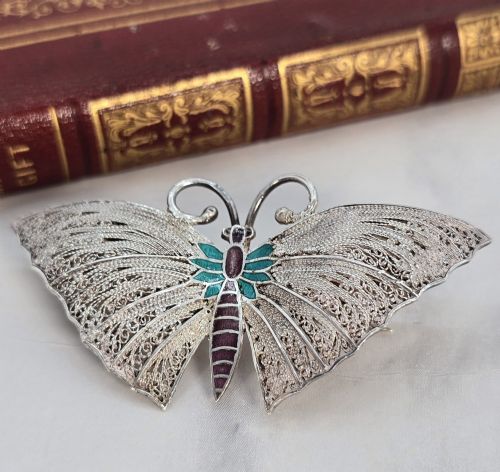


Vintage Insect Jewellery
These small wearable creatures capture natural forms in precious metals and glass, offering a distinct wearable motif for collectors.
Vintage Insect Jewellery
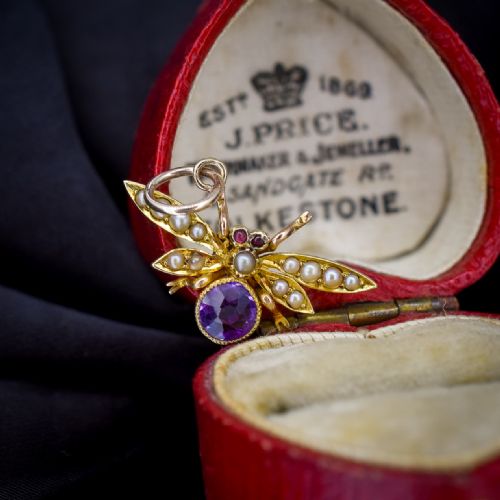
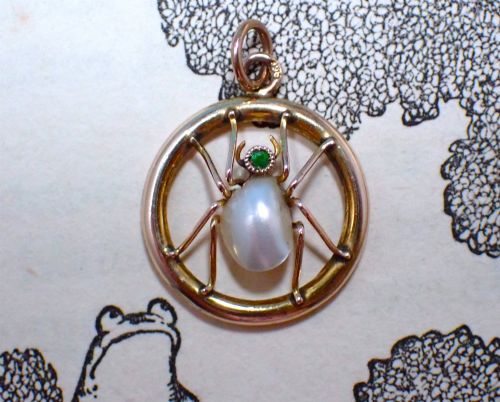
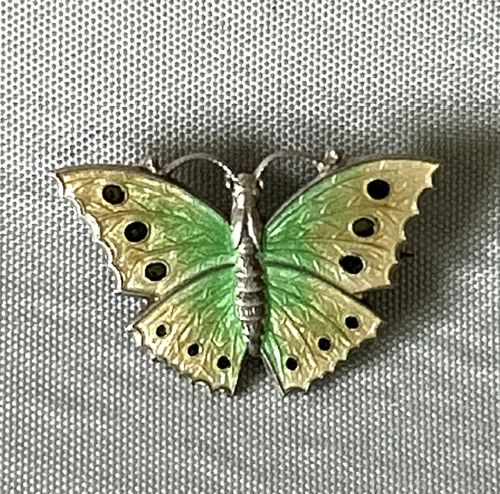
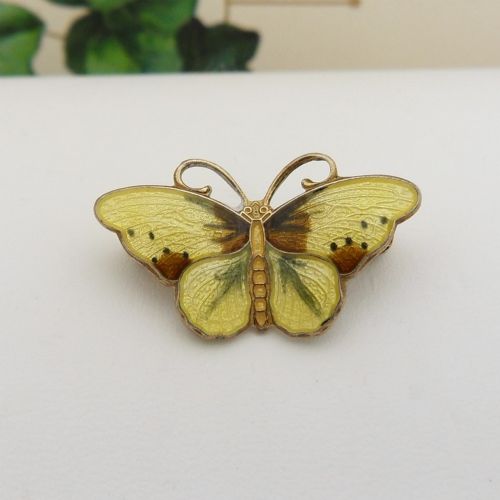
Vintage insect jewellery comprises brooches, pendants, charms and hatpins shaped as butterflies, dragonflies, flies, spiders, frogs, scorpions, cicadas and scarabs. These pieces span periods from Victorian times through the Edwardian era, Art Nouveau and Art Deco movements, up to mid-century Scandinavian designs.
Origins stretch from continental workshops and Chinese export studios to Scandinavian design houses, reflecting diverse regional interpretations of natural subjects. Wearers select these forms to add a distinct zoological accent to lapels, chains and hats.
Materials and construction methods
Goldsmiths and silversmiths utilised sterling silver, silver gilt, and yellow gold of varying carats such as nine, fifteen, and fifteen-carat grades to form the structural bodies and mounts. Pewter and base metals also appear in specific Arts and Crafts or Art Nouveau iterations.
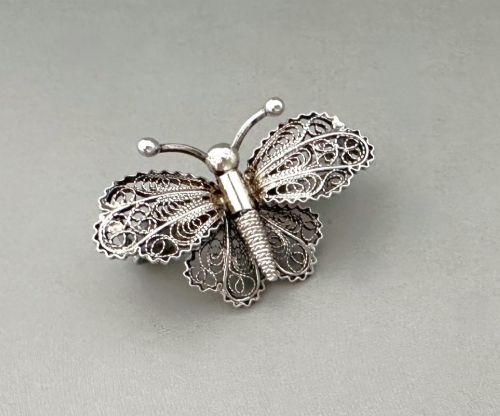
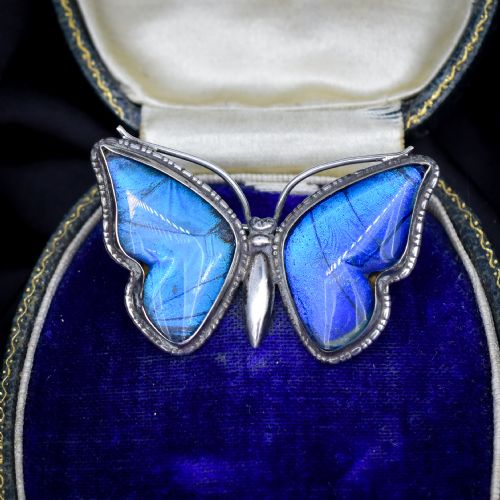
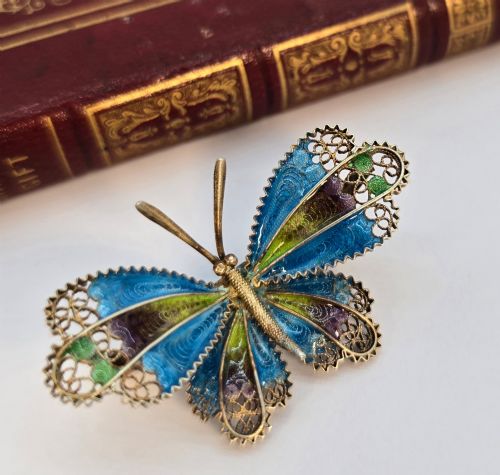
Enamelling techniques including guilloche, plique-a-jour and pate de verre provide vibrant colour across wings and bodies, often combined with delicate silver filigree work. Gemstones like diamonds, pearls, emeralds, rubies, amethysts, moonstones and sapphires are set alongside organic elements like butterfly wings and basaltic sapphires.
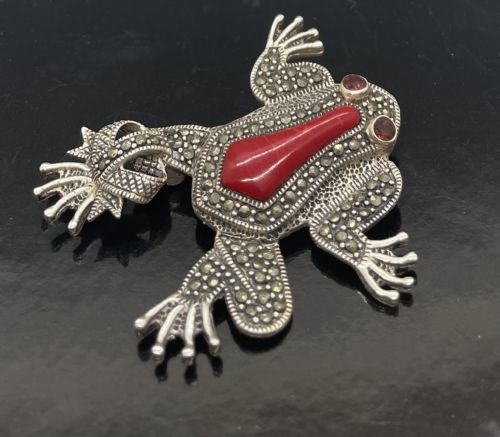
Frogs, scorpions and spiders join the butterflies and dragonflies, proving that even creeping crawlers had their stylish moments in metal.
Distinctions in quality
The sophistication of the enamel work dictates the upper tier of the range, where translucent plique-a-jour or layered guilloche enamel displays precise shading without chipping or clouding. Simpler stamped metal components with opaque painted surfaces sit lower down the scale.
Hand-wrought silver filigree and intricate stone settings by known makers demonstrate superior craftsmanship compared to mass-produced stamped frames. The integration of precious gems like diamonds and rubies alongside fine gold or silver gilt elevates an item above standard silver and enamel output.
Hroar Prydz·Knoll and Pregizer·Gabriel Argy-Rousseau·Martin Mayer·Rene Lalique
The Vintage Insect Jewellery Glossary
- Filigree
- Delicate wirework soldered into openwork patterns, frequently forming the detailed wings of butterflies in silver or gold.
- Guilloche enamel
- Enamel applied over a metal surface that has been machined with an engraved geometric pattern, creating repeating translucent waves under the colour.
- Plique-a-jour
- An enamelling technique similar to stained glass where enamel is fired in open cells without a backing, allowing light to pass directly through.
- Pate de verre
- A method of glasscasting where crushed glass is packed into a mould and fused in a kiln, utilised for sculptural pendants like cicadas.
- Butterfly wing
- Iridescent wing scales preserved beneath bevelled glass panels, prominent in decorative pieces produced during the early twentieth century.
- Scarab
- An amulet carved in the likeness of a dung beetle, often mounted as a brooch during the Victorian and Art Nouveau periods.
Vintage Insect Jewellery: Frequently Asked Questions
What metals are used?
Makers utilised sterling silver, silver gilt, and yellow gold in nine and fifteen-carat standards for the structural mounts. Pewter and base metals also appear in specific period items.
Precious and semi-precious stones are frequently set into these metal frames alongside enamel and glass components.
How do I date them?
Stylistic indicators point towards specific eras, such as flowing organic lines for Art Nouveau and geometric symmetry for Art Deco pieces. Materials like butterfly wings and specific enamel types align with early twentieth-century production.
Maker marks, where present, help pinpoint the exact workshop and decade of origin.
Were they worn daily?
These decorative items functioned as everyday accessories, pinned to lapels, secured on hats, or suspended from chains as pendants. Their sturdy metal and enamel construction suited regular wear.
Victorian and Edwardian examples often served as sentimental gifts or fashionable attire for social gatherings.
How should I store them?
Keep items in dedicated lined boxes or soft pouches to prevent scratching between the delicate enamel surfaces and metal filigree. Avoid stacking brooches directly on top of each other.
Keep gemstone and enamel pieces away from prolonged direct sunlight and moisture to preserve the materials.