



Vintage Inlaid Pedestal Stand
These vintage inlaid pedestal stand examples bring elevated display surfaces to any room, combining rich timber grains with fine decorative detail.
Vintage Inlaid Pedestal Stand
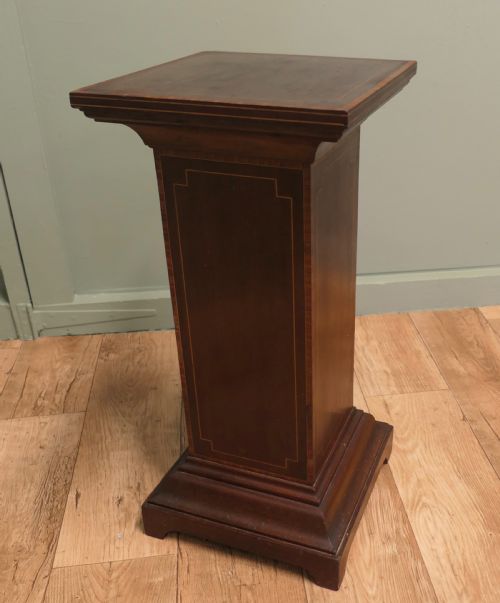
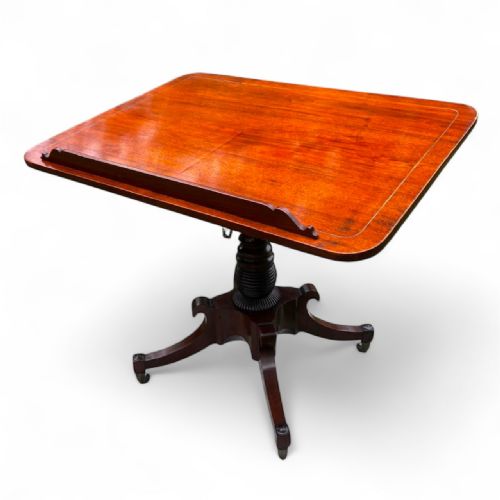
A vintage inlaid pedestal stand encompasses elevated surfaces designed to hold plants, lamps, and decorative objects. The selections here draw heavily from Edwardian and Victorian periods, alongside 19th-century and 1930s examples.
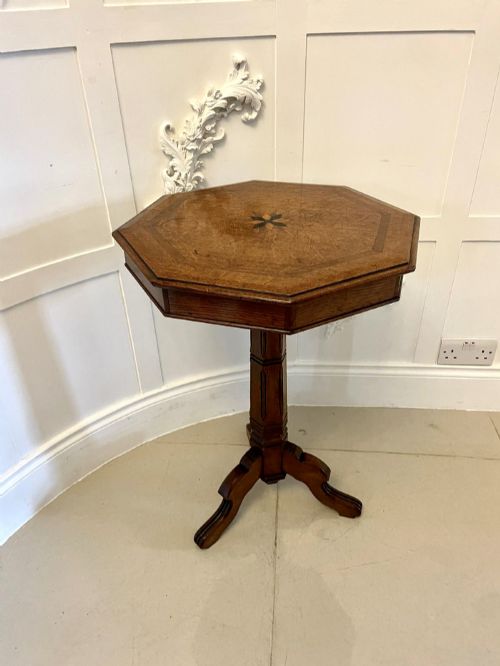
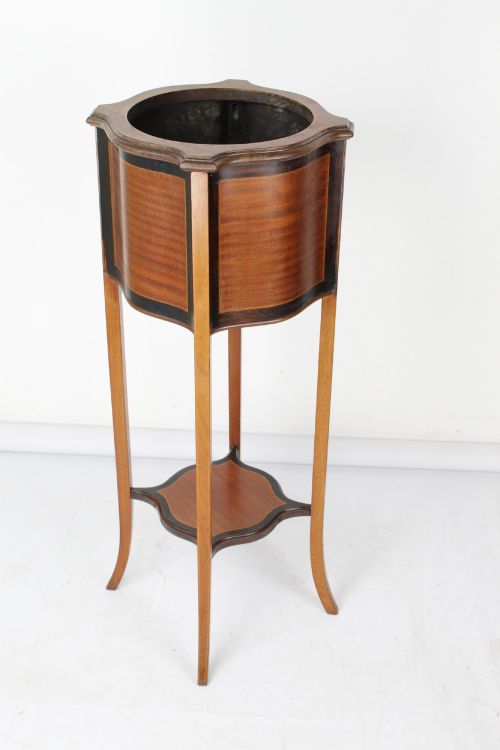
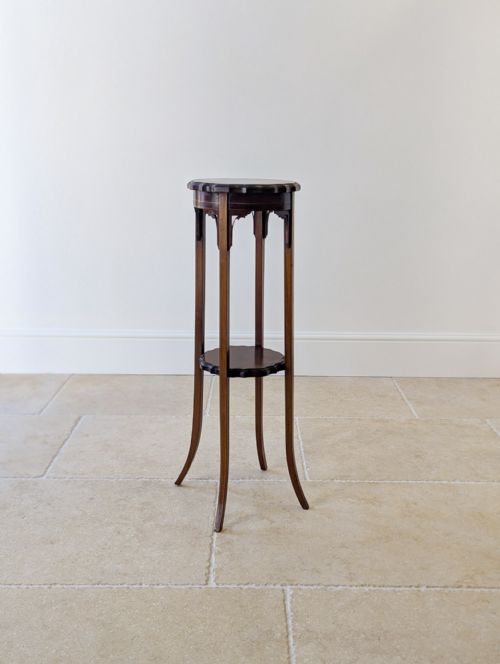
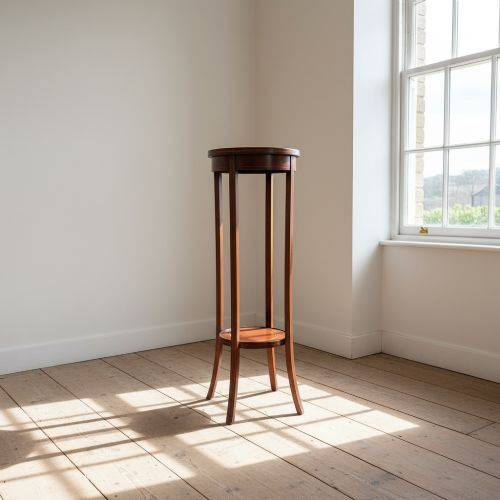
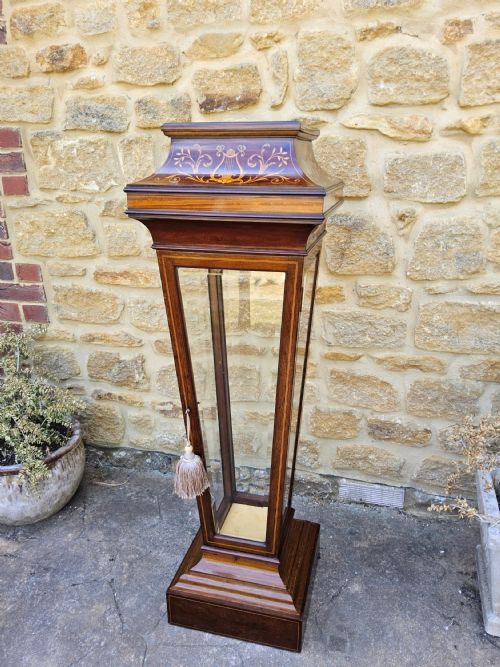
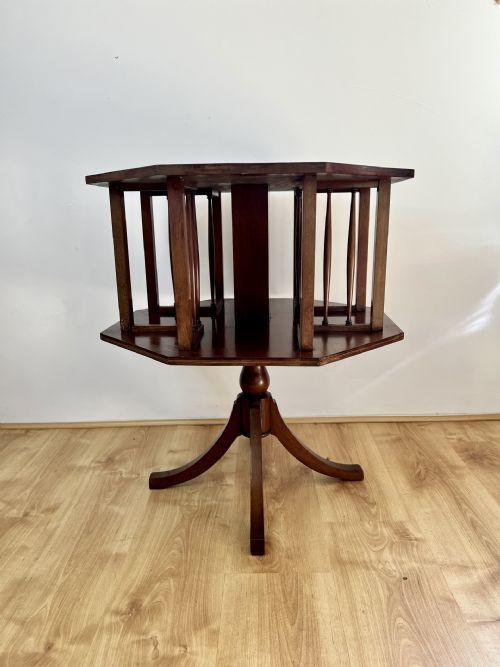
Buyers will most frequently encounter Edwardian mahogany plant stands and torchères featuring delicate inlay work. Other variations include occasional tables, display cabinets, and revolving bookcases utilising similar pedestal or column supports.
Materials and construction methods
Construction relies primarily on timbers such as mahogany, walnut, satinwood, and burr elm. These foundational woods provide durable framing for elevated columns and flat display tops.
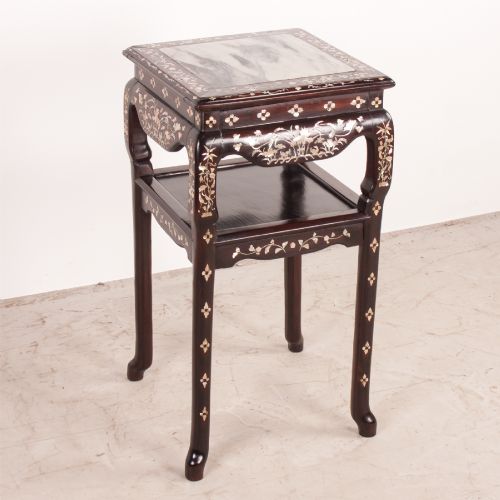
Decorative surface enrichment is achieved through boxwood inlay, marquetry inlay, and mother of pearl detail. Brass elements and metal components also appear to accent joints and feet.
The listings here span the 19th Century, Victorian, Edwardian, and 1930s periods, executed in mahogany, satinwood, walnut, and burr elm.
What separates standard pieces from the finest examples
Quality variation rests in the crispness of the timber preparation and the precision of the inlay work. Finer examples display tightly fitted boxwood or marquetry details that integrate seamlessly into the primary wood grain.
The architectural stability of the central column and the choice of secondary timbers also dictate overall grade. Superior pieces maintain rigid vertical alignment and balanced proportions across the base and top.
The Vintage Inlaid Pedestal Stand Glossary
- Torchere
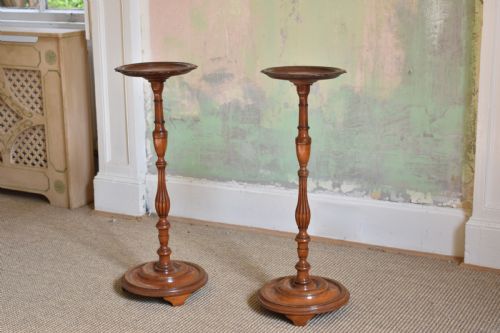
- A tall, slender stand traditionally used to support a candelabrum or lamp. These pieces feature elevated platforms supported by slim columns.
- Marquetry inlay
- Decorative patterns formed by fitting small pieces of veneer into a prepared wooden surface. This technique creates complex pictorial or geometric designs.
- Jardiniere
- An ornamental stand or container specifically designed to hold plants or floral arrangements. They often incorporate waterproof liners or metal inserts.
- Boxwood inlay
- Contrasting pale wood inserted into darker timber to create fine linear borders and geometric motifs. It provides sharp visual definition along table edges.
- Pedestal
- A supporting column or base that elevates an object above floor level. In these pieces, it forms the central vertical shaft carrying the top.
Vintage Inlaid Pedestal Stand: Frequently Asked Questions
What is a torchere stand used for?
A torchere stand serves as an elevated platform for displaying decorative items, lamps, or potted plants. Its tall profile draws the eye upward and fits neatly into corners.
Historically, these stands held lighting devices in rooms lacking sufficient wall sconces. Today, they function primarily as display furniture in living spaces and hallways.
How do I identify an Edwardian stand?
Edwardian stands typically feature light mahogany framing complemented by delicate boxwood inlay and slender proportions. The aesthetic leans toward refined, lighter construction compared to earlier Victorian furniture.
Many examples from this era function specifically as plant stands or torchères. They reflect a design shift toward grace and decorative surface refinement.
Where should I place a pedestal stand?
These stands suit corners, entryways, or empty wall spaces where a vertical accent is needed. Their compact footprints allow them to occupy minimal floor space while adding height to a room's layout.
Placement should avoid direct sunlight and major heat sources to protect the polished wood surfaces and delicate inlay. They work well paired with table lamps or trailing plants.