


Vintage Indian Trunk
A vintage indian trunk brings rich timber, heavy metal bindings and centuries of global trade directly into a modern room.
Vintage Indian Trunk
A vintage indian trunk encompasses robust storage chests, dowry boxes and campaign pieces originating from the nineteenth and early twentieth centuries. These items reflect traditional craftsmanship, utilitarian military design and extensive trade routes connecting Britain and the subcontinent.
Originating across periods from the Georgian era through to the Victorian age and early twentieth century, these items bridge functional storage and decorative statement furniture. Each piece carries the distinct marks of colonial craftsmanship and traditional regional joinery.
How they were made
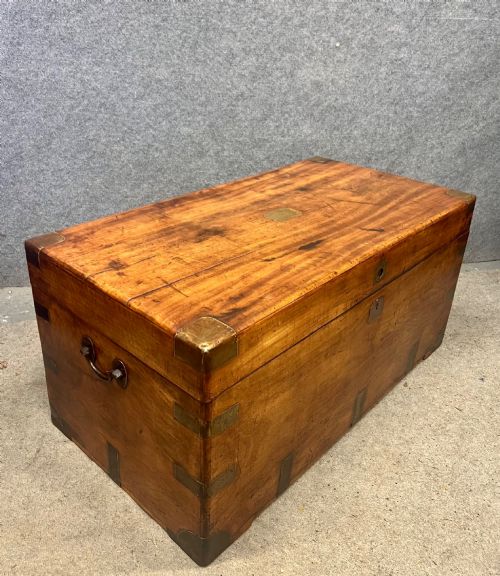
Cabinetmakers utilised durable regional timbers such as teak, camphor wood, padouk and rosewood to withstand tropical climates and long journeys. These dense woods were joined with tight framing and substantial panel construction.
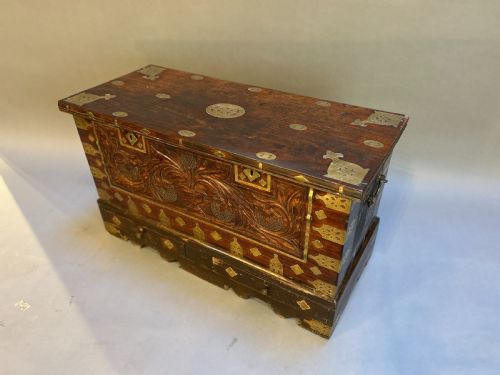
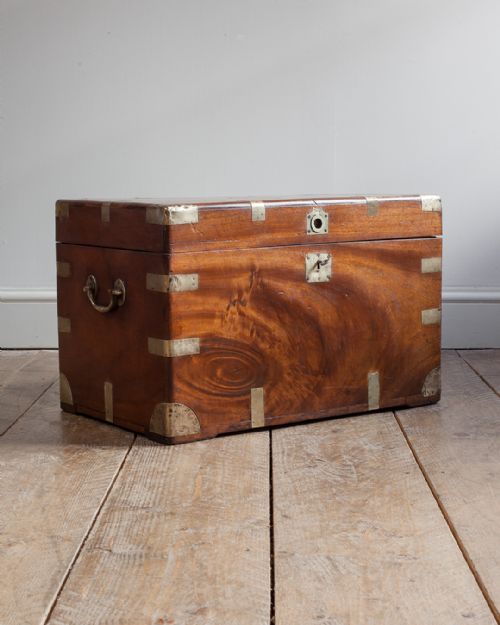
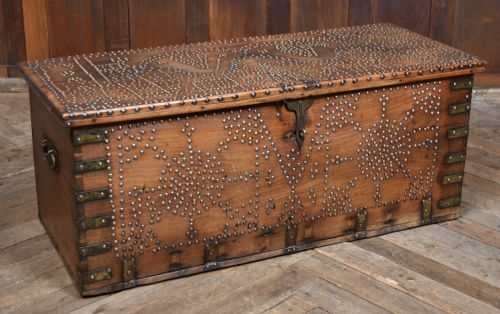
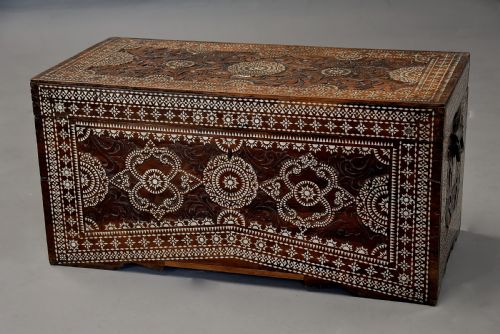
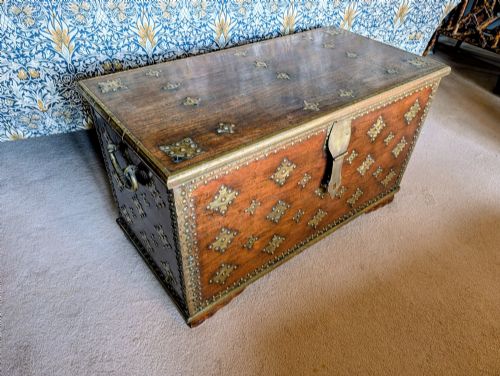
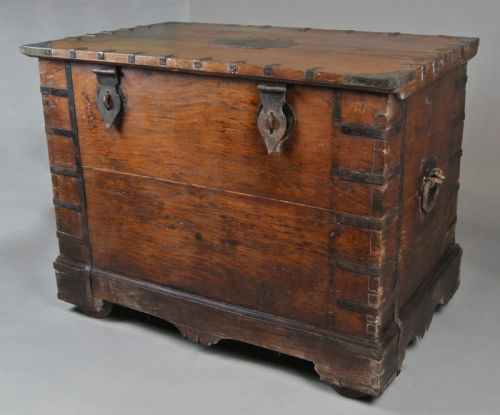
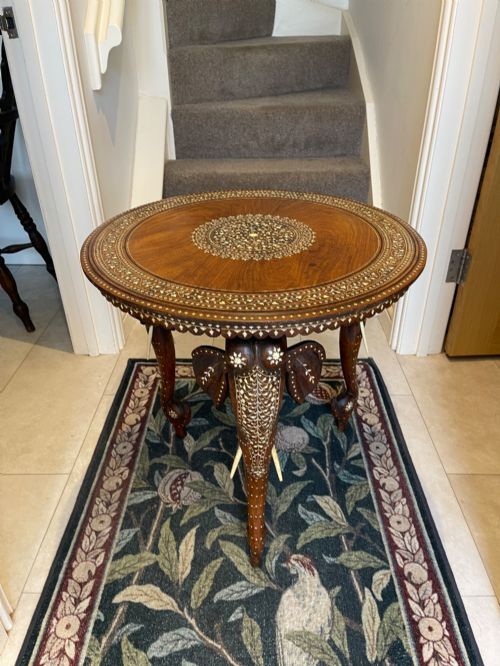
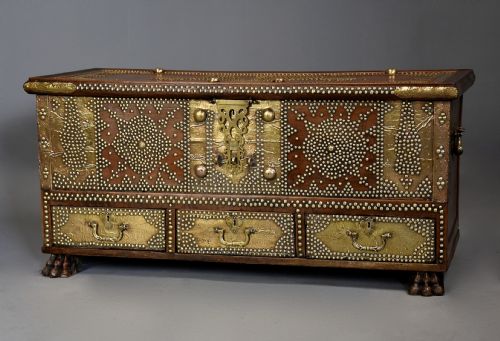
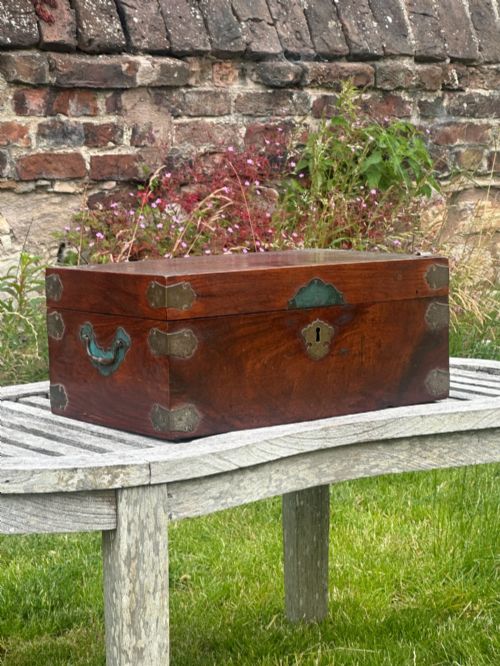
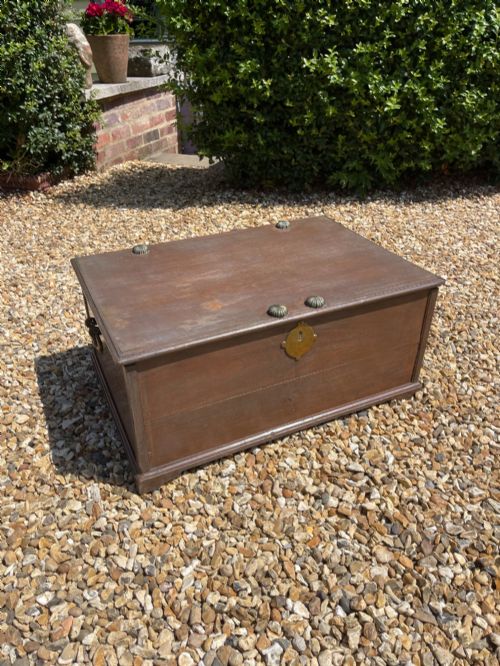
Metalwork played a critical structural role, with heavy brass straps, corner brackets and iron banding securing the timber boxes. Brass stud decoration and intricate mother of pearl inlay frequently embellished the surfaces of more decorative pieces.
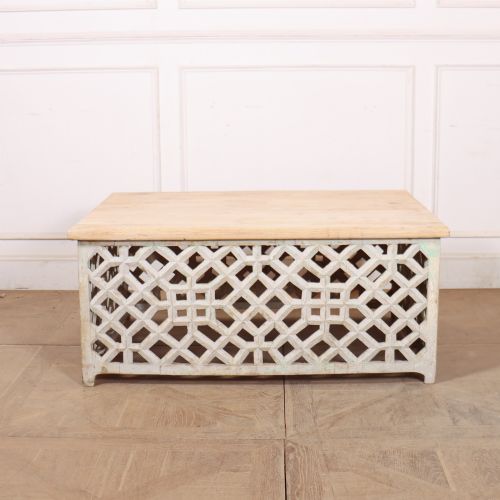
Many items incorporate flush brass carrying handles and recessed locks suited for military transport and maritime travel. Carved elements on related tables and chests display detailed regional carving traditions.
Vintage Indian Trunk Retail Price Guide 2026
Typical asking prices for vintage indian trunk among the pieces listed under this phrase on Sellingantiques today, from the lower quarter to the upper quarter. They describe what is for sale here now, not the wider market.
Current listings span the nineteenth century, Victorian era and early 1900s, featuring teak, camphor wood, padouk and rosewood.
What varies in quality
The distinction between standard utility boxes and exceptional pieces rests upon the choice of timber and the complexity of metal mounts. Dense padouk and richly grained camphor wood signify superior material selection compared to plain secondary timbers.
Original hardware integrity defines the upper tier of these items, particularly complete brass binding systems, intricate lock mechanisms and undisturbed surface patination. Secondary replacements or stripped mounts lower the overall decorative merit.
Fine craftsmanship shows in the precision of the dovetail joinery and the restraint or elegance of inlaid mother of pearl details. Pieces retaining their original structural ironwork and uncompromised internal compartments command greater attention from collectors.
The Vintage Indian Trunk Glossary
- Campaign chest
- A modular wooden trunk designed to separate into sections for military transport during the British colonial period. These pieces typically feature recessed brass handles and corner protection.
- Zanzibar chest
- A heavy timber storage chest featuring elaborate brass studding, strapwork and decorative corner mounts reflecting trade connections between India and East Africa. They often include internal compartment drawers known as secrets.
- Dowry chest
- A traditional marriage trunk utilised to transport household goods and valuables for a bride. These pieces frequently display regional carving, heavy iron banding or specialised locking mechanisms.
- Padouk
- A dense, heavy tropical hardwood displaying a distinctive reddish-brown tone that deepens with age. Cabinetmakers favoured it for durable furniture and maritime trunks.
- Camphor wood
- A fragrant timber utilised extensively for nineteenth century storage chests because its natural scent deters insects. The wood ranges in colour from pale honey to rich golden brown.
Vintage Indian Trunk: Frequently Asked Questions
What is a camphor wood trunk?
A camphor wood trunk is a storage box made from aromatic timber designed to protect garments from moths and dampness. These pieces were heavily utilised during the nineteenth century for domestic storage and colonial travel.
The distinctive natural scent remains active over generations, protecting textiles while giving the wood a pale honey hue. They appear frequently in campaign and domestic formats across the nineteenth century.
How do I date an Indian trunk?
Dating relies on examining the timber species, construction joints, brass hardware style and lock mechanisms. Nineteenth-century examples often feature hand-hammered brass bindings and traditional dovetailing.
Earlier pieces from the Georgian era show different joinery methods and simpler ironwork compared to Victorian brass-bound campaign items. Examining the interior construction helps clarify the manufacturing period.
Were these trunks used for travel?
Many of these boxes served as military campaign chests or merchants trunks designed for frequent transit by sea and land. Recessed brass handles and reinforced corners protected the contents during long journeys.
Other examples, such as dowry chests from Rajasthan, remained stationary within family homes as ceremonial storage for textiles and valuables. Both types share robust timber construction.
How do I clean a brass bound chest?
Maintenance involves dusting the timber with a dry cloth and feeding dry wood surfaces with appropriate natural wax. Harsh chemical cleaners must be avoided on both the timber and the metal.
Allowing the brass mounts to retain their natural aged patina preserves the historical character of the piece. Regular gentle care keeps the dense hardwoods stable in modern indoor climates.