
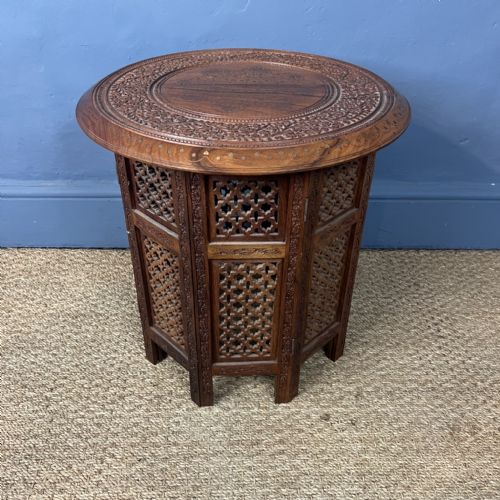


Vintage Indian Brass Table
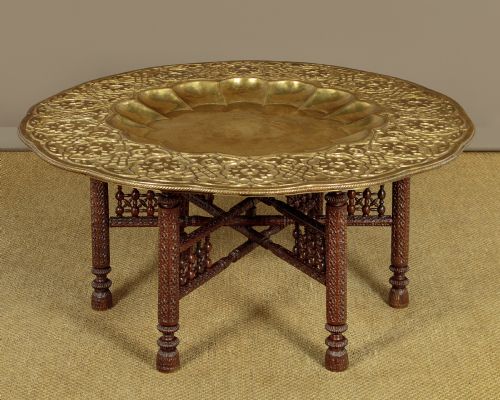
A vintage Indian brass table brings distinct hand-engraved metalwork and rich timber into a room.
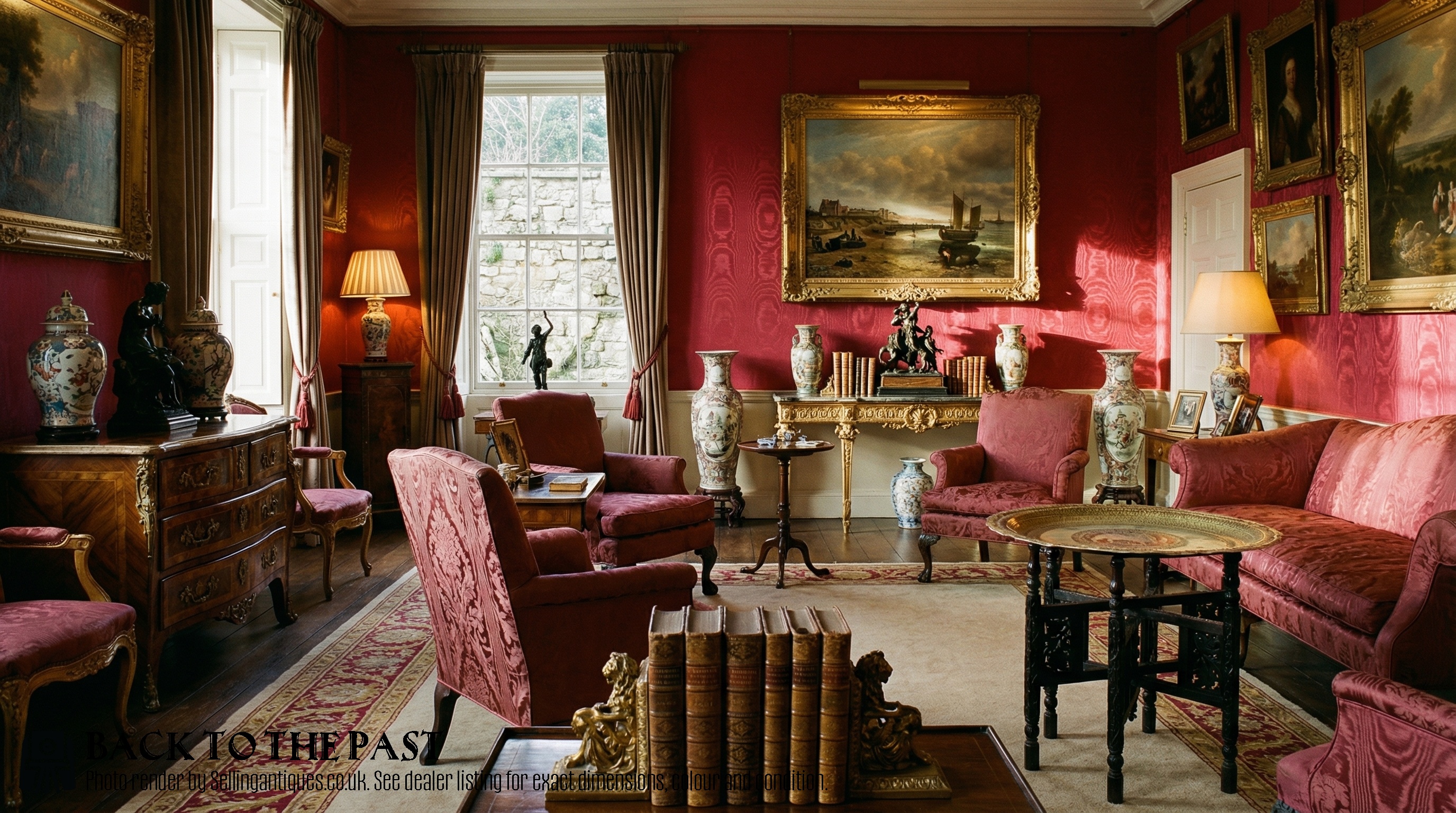
Vintage Indian Brass Table
A vintage indian brass table encompasses low coffee tables, folding tray tables, and octagonal occasional pieces originating from the subcontinent. Most examples combine a removable or fixed metal top with a collapsible wooden base designed for easy transport.
The selection here draws primarily from the Victorian era up to the mid-twentieth century. Buyers encounter Anglo-Indian, Kashmiri, and Persian styles displaying traditional surface decoration.
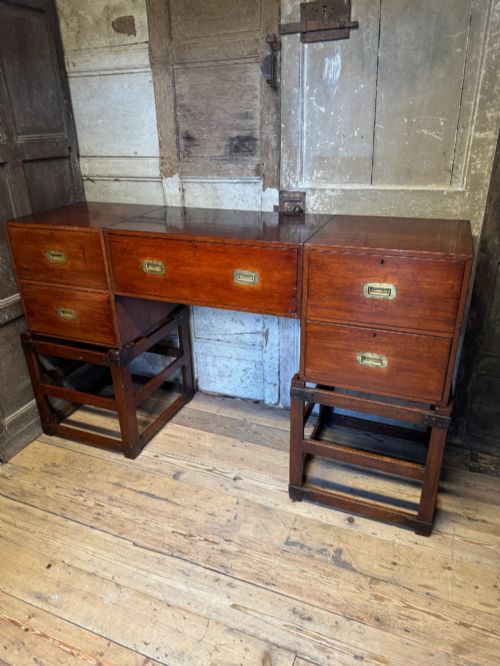
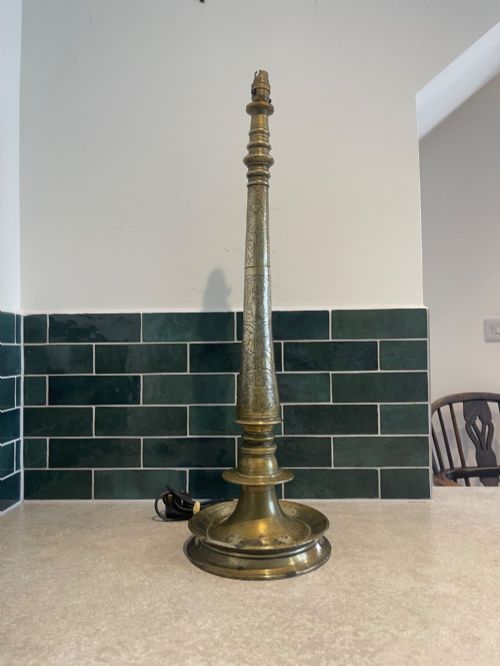
Beyond standard side tables, related forms such as desks, lamp tables, and storage trunks appear frequently within the inventory. These items reflect colonial trade and regional craftsmanship from centres such as Hoshiarpur.
How they were made
Artisans built the structural supports using dense hardwoods like teak, padauk, and general tropical timber. Metal tops were beaten from sheet brass or copper, often supplemented by intricate wire inlay or bone insertions.
Surface patterns relied on hand chasing, repoussé, and engraved detailing to depict foliage, geometric motifs, and zodiac signs. Folding mechanisms utilised clever interlocking wooden hinges without modern mechanical fasteners.
Several tables feature engraved signs of the zodiac, allowing tea drinkers to ponder their astrological alignment between sips.
What varies in quality
Quality depends on the crispness of the hand-engraving across the metal surface and the precision of the wood inlay. Superior examples feature deeply chased brass work with minimal wear and tight joinery in the folding bases.
The choice of secondary materials also dictates value, with dense hardwoods like padauk or teak marking finer production than simpler softwood or iron combinations.
Chandy Charan and Co of Calcutta
The Vintage Indian Brass Table Glossary
- Anglo-Indian
- Describing furniture made in India during the British colonial period, often combining European forms with local decorative techniques. These pieces frequently merge British room layouts with traditional Indian carving.
- Repoussé
- A metalworking technique where the artisan hammers the design from the reverse side to form a raised pattern on the front. This method creates the tactile surface relief seen on many table tops.
- Hoshiarpur
- A town in Punjab renowned for intricate wood carving and micro-mosaic inlay work involving brass, bone, and wire. Tables from this region are easily identified by their dense overall surface decoration.
- Tray table
- A piece comprising a detachable metal serving tray resting upon a folding or fixed wooden stand. This portable format originated for convenience and campaign use.
Vintage Indian Brass Table: Frequently Asked Questions
How do I clean a brass table top?
Dust the engraved surface regularly with a soft, dry cloth to prevent dirt accumulation in the recessed channels. Avoid harsh chemical polishes that strip away the aged patina accumulated over decades.
For stubborn grime, use a mild soapy solution on a damp cloth, drying the metal immediately afterwards to prevent spotting.
Are these folding bases sturdy?
Traditional folding bases rely on interlocking wooden segments designed for collapse and travel rather than permanent heavy weight bearing. They remain stable for drinks, lamps, and daily use when fully expanded.
Take care when moving the assembled table to lift it by the wooden frame rather than the removable tray top alone.
How do I date a vintage table?
Dating relies on examining the construction marks, timber choice, and the style of the brass engraving. Pieces from the nineteenth century often feature heavier hardwood bases and hand-beaten copper or brass tops.
Mid-century or later examples sometimes incorporate simpler joinery and machine-assisted finishing alongside traditional motifs.
What is an octagonal table used for?
Octagonal tables served as versatile occasional or corner furniture in colonial and domestic interiors. Their multi-sided shape allowed them to fit neatly into smaller spaces while offering ample surface area.
They frequently held table lamps, decorative objects, or tea services in nineteenth-century reception rooms.