



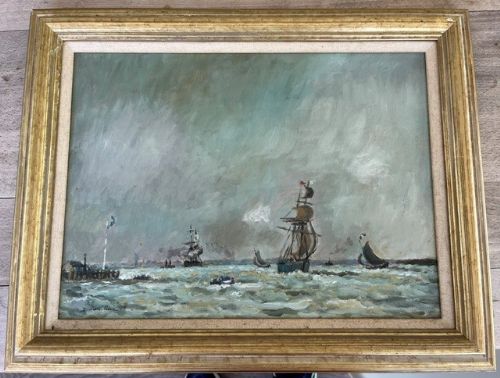
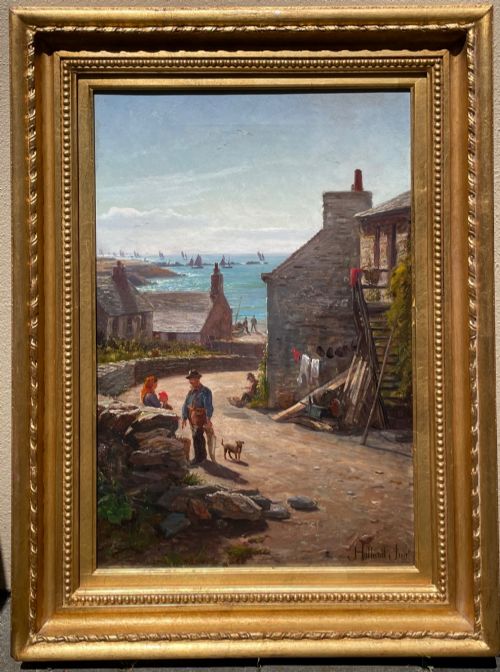
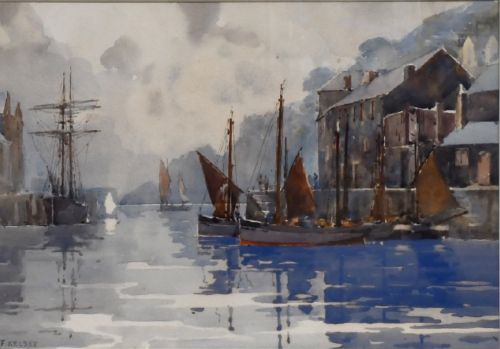


Vintage Impressionist Seascape
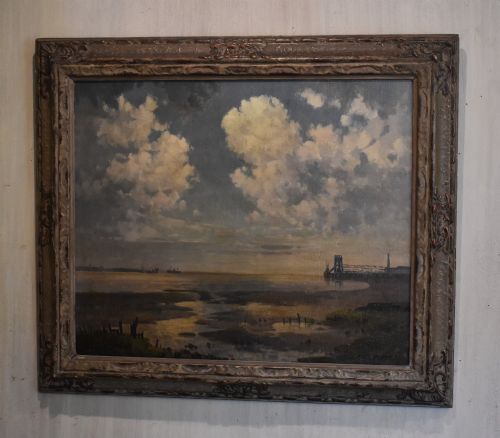
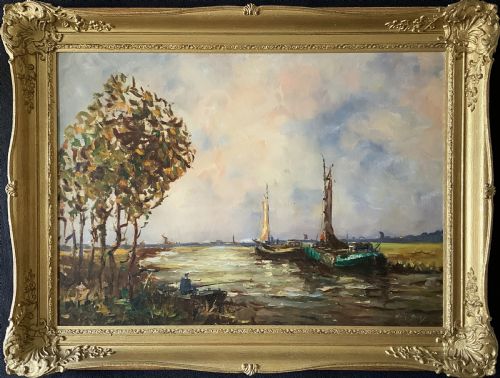
A vintage impressionist seascape captures salt air and shifting light through broken brushwork and luminous colour.
Vintage Impressionist Seascape
When searching for a vintage impressionist seascape, collectors encounter oil paintings and watercolours executed across the late nineteenth century and the mid-twentieth century. These pieces record coastal harbours, open oceans, and tidal inlets through the lens of plein air observation and atmospheric mood.
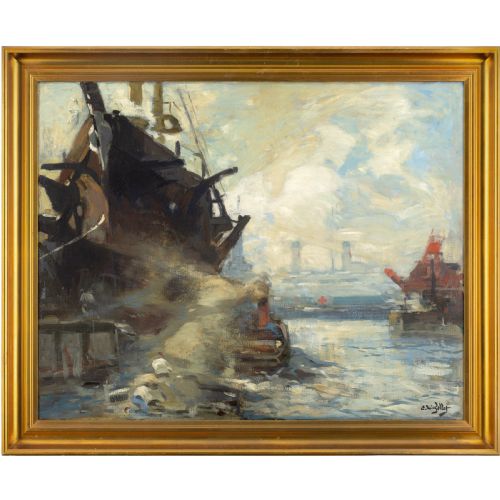
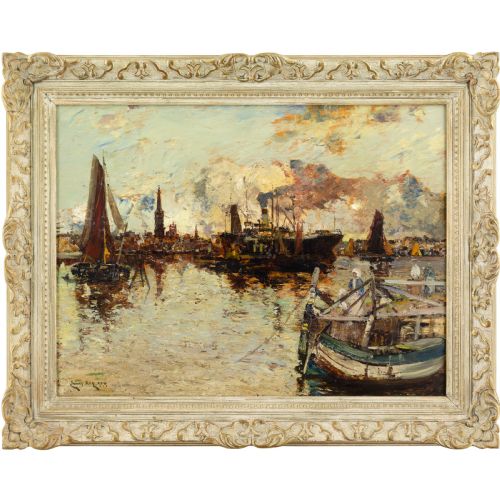
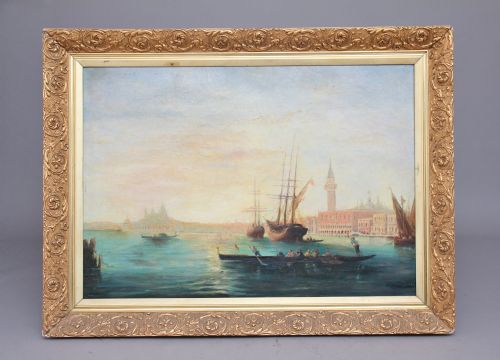
The selections available here range from Cornish fishing ports and French Riviera anchorages to quiet Venetian lagoons. British Impressionism and French Post-Impressionism dominate the forms, reflecting coastal communities where artists gathered to paint the sea directly from life.
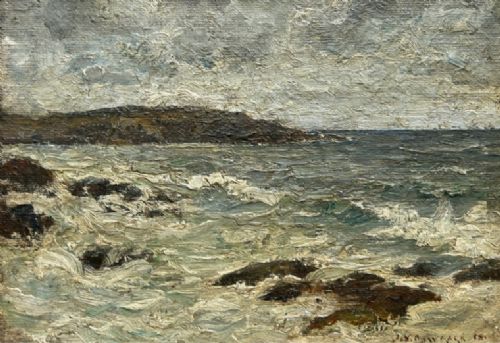
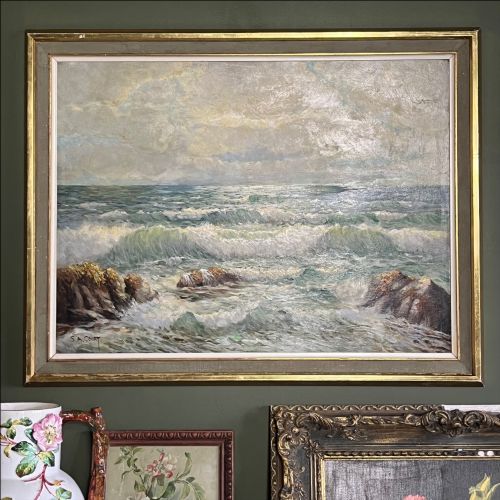
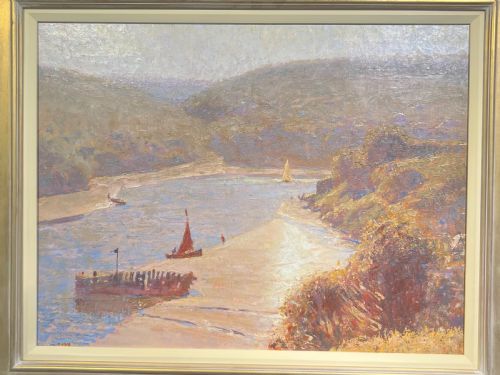
The visual vocabulary relies on broken colour, visible brushstrokes, and an emphasis on natural illumination over rigid topographical precision. Works span from dark, moody night scenes to sunlit Mediterranean harbours and heavy impasto studies of rocky shorelines.
Materials and Techniques
The foundational support for these seascapes is typically canvas stretched over wood frames, though paper and wooden panels also appear frequently in watercolour and oil studies. Artists applied oil paint and watercolour using direct brushwork, palette knives, and layered washes to capture the transient effects of coastal weather.
Impasto application builds physical texture into the paint surface, particularly to render churning waves, white foam, and rugged coastal rocks. En plein air methods required portable paints and supports, allowing painters to work rapidly outdoors before the shifting light of the shoreline vanished.
Several artists braved stormy Cornish tides and winds just to capture the exact spray of a wave before dinner.
Evaluating the Work
Quality rests primarily on the artist's ability to convey atmospheric weight and the specific movement of water rather than mere decorative accuracy. Superior examples demonstrate a confident handling of pigment where rapid brush marks resolve into coherent light, shadow, and depth across the canvas.
The strength of the composition and the subtlety of the colour palette distinguish exceptional paintings from routine topographical records. Works that capture the specific luminosity of a regional coast - whether the pale light of Cornwall or the intense sun of the Riviera - achieve greater artistic resonance.
Clifford Hanney·Eugène-Louis Gillot·James Kay·Edward Matthew Elliott·Louis Suire·Edward Seago
The Vintage Impressionist Seascape Glossary
- Impasto
- Paint applied thickly to a canvas or panel, leaving prominent brush or palette knife marks that stand proud of the surface. This technique creates physical texture and catches actual light.
- Plein air
- The practice of painting outdoors directly from the subject to capture transient natural light and weather conditions. Artists working in this manner rely on portable equipment.
- Post-Impressionism
- An artistic movement developing from impressionism that explored emotional response and structural form through bolder colour and defined outlines. Practitioners retained luminous palettes while seeking greater expressive weight.
- Maritime
- Pertaining to the sea, ships, and coastal navigation. In these works, the subject matter focuses heavily on harbours, fishing vessels, and tidal shores.
Vintage Impressionist Seascape: Frequently Asked Questions
What defines a vintage seascape?
These paintings capture coastal views, harbours, and open water using loose brushwork and an emphasis on natural light. They stem primarily from the late nineteenth century through the mid-twentieth century.
Unlike rigid topographical illustrations, these works prioritise mood, weather, and the transient effects of sun and shadow over precise architectural detail.
How do I care for oil paintings?
Oil paintings on canvas require stable indoor humidity and protection from direct, harsh sunlight to prevent pigment degradation and canvas warping. Dust the surface gently with a soft, dry brush without applying pressure.
Avoid using liquid cleaners or damp cloths on the paint layer. Professional conservation is recommended for any structural repairs or deep cleaning.
Where were these coastal scenes painted?
Painters travelled extensively to active fishing ports, quiet estuaries, and major maritime trading centres across Britain and continental Europe. Popular locations include Cornish harbour villages like St Ives and Polperro, alongside French coastal regions.
Artists gathered in these specific environments to work en plein air, recording the daily labour of fishermen and the unique atmospheric light of the coast.
How are watercolours framed differently?
Watercolours on paper require protection behind glass to prevent moisture damage and airborne dust from adhering to the delicate pigment surface. Acid-free mounts and framing materials are essential to stop the paper from yellowing over time.
Oil paintings on canvas or panel are typically framed openly without glass, allowing the textured paint surface and impasto relief to remain visible to the viewer.