


Vintage Impasto Artwork
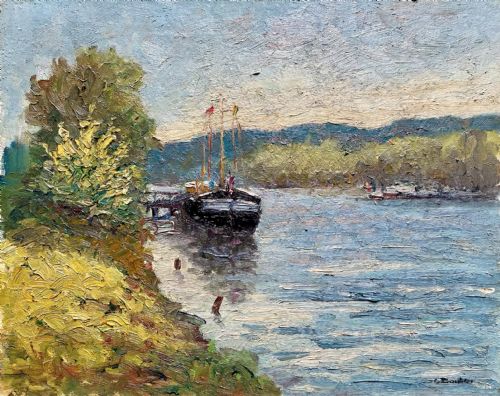
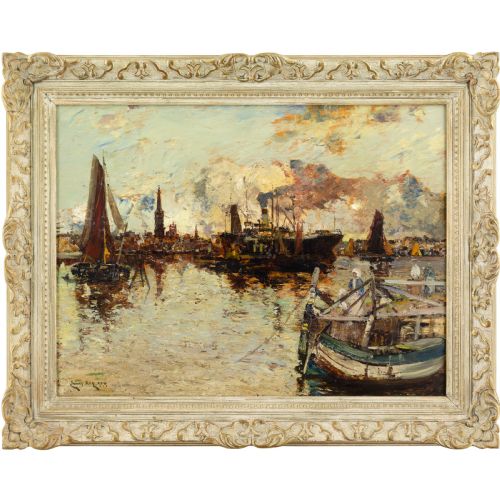
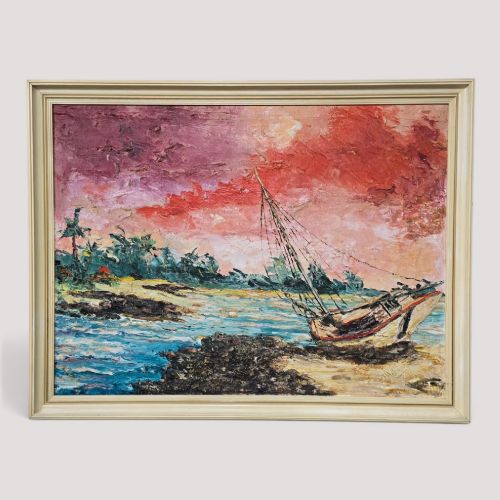
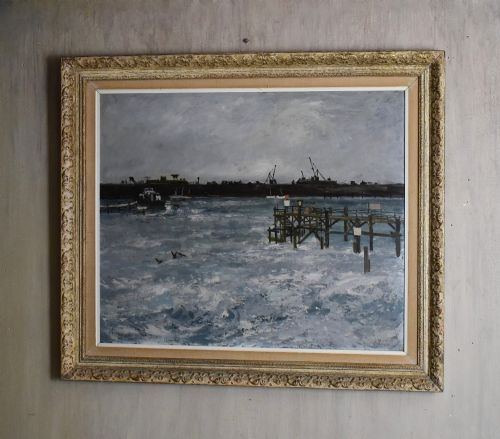
When you search for vintage impasto artwork, you enter a world of tactile oil paintings where heavy texture and layered pigment define the canvas.
Vintage Impasto Artwork
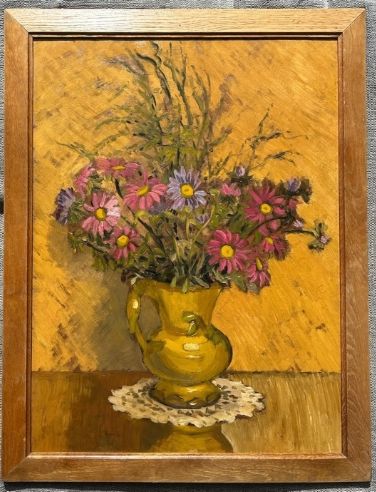
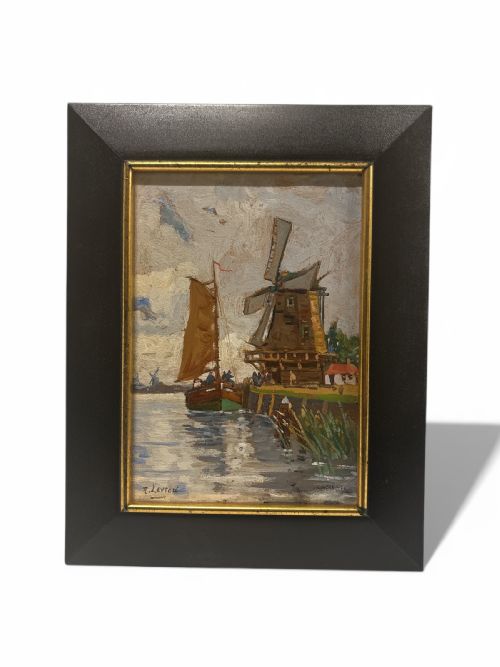
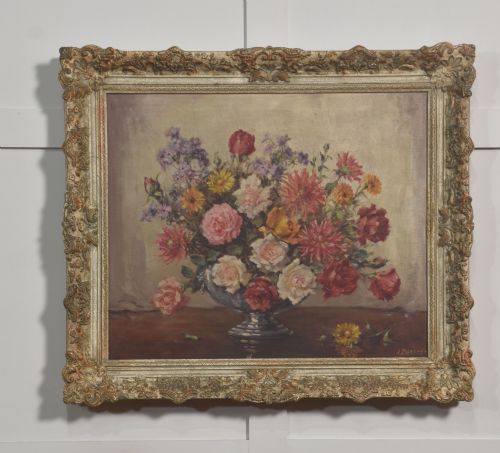
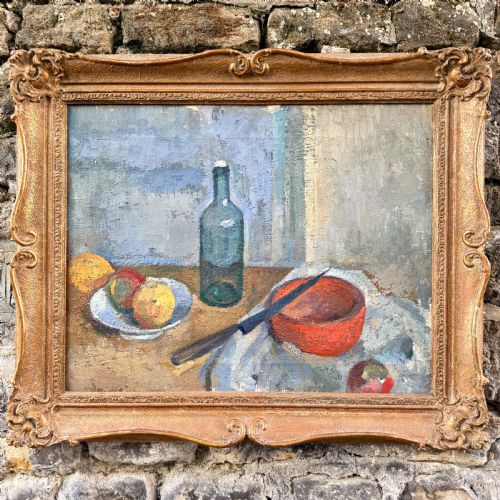
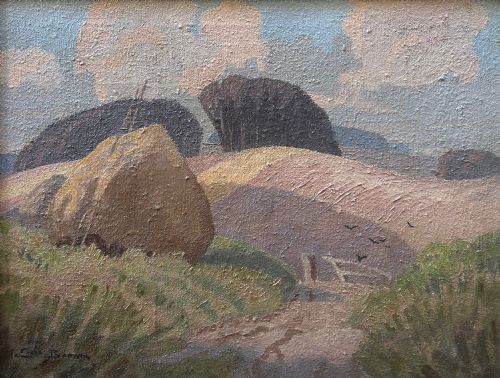
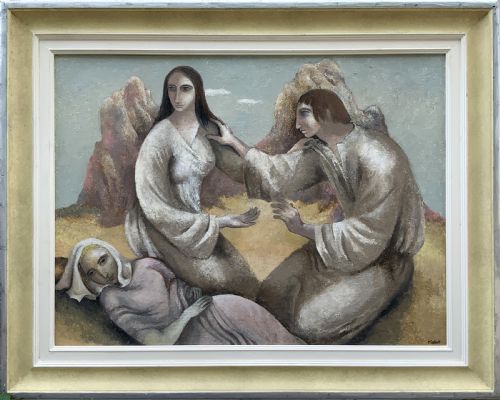
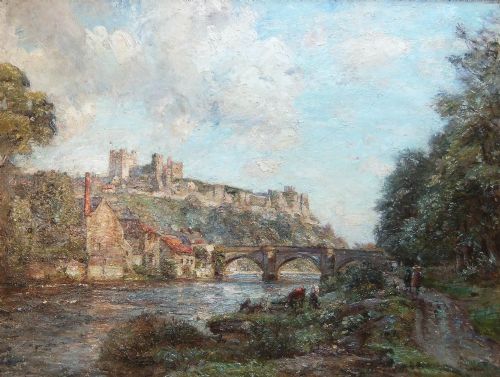
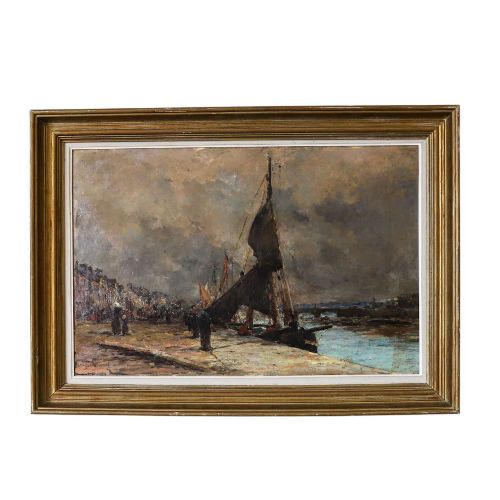
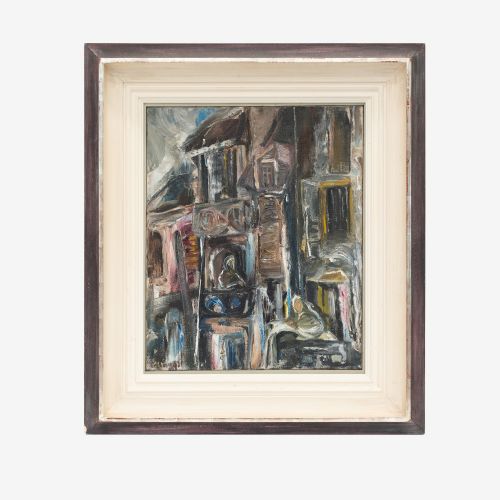
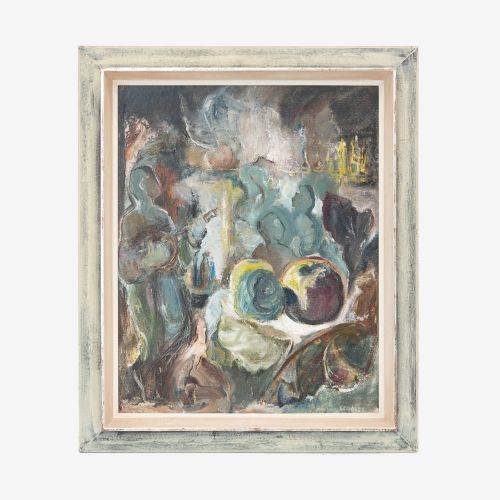
Vintage impasto artwork comprises oil paintings produced from the nineteenth century through the mid-twentieth century that rely on thick, raised applications of paint. Buyers encounter maritime scenes, harbour views, still lifes, and townscapes rendered with substantial physical depth on the surface.
The selections available span British and continental European traditions, including works from French Post-Impressionism, mid-century expressionism, and British impressionist movements. Canvases and boards carry tangible brushwork and knife marks that project outward from the support.
Makers range from named British and French artists to unsigned hands working within established regional traditions. These pieces reflect the shift toward expressive surfaces and tactile representation across the decades.
Materials and technique
Artists built these surfaces using oil paint applied thickly onto woven canvas or rigid wooden board, sometimes framed in gilt wood. The medium allowed pigments to retain the distinct ridges and peaks left by brushes and palette knives.
Makers manipulated oil paint directly without smoothing the transitions, letting the body of the paint hold its shape as it dried. This technique created varied topographies across the picture plane, catching light on the highest points of pigment.
Listings feature works spanning the nineteenth century through the 1960s, executed primarily in oil on canvas or board.
Variations in quality
Quality rests in the deliberate handling of the heavy pigment and the structural integrity of the support, whether canvas or board. Strong compositions use the thick paint to direct light and shadow across the forms rather than applying texture at random.
Condition plays a central role, particularly the stability of the thick paint layers against cracking or flaking over time. Superior examples maintain the original impasto relief intact without excessive surface flattening or later overpainting.
Kenneth Cozens·Peter Brannan·Eric Brown·Herbert Royle·Lilian Colbourn·Ronald Ossory Dunlop·James Fry·Gabriel Dauchot·Baruch Shalom Oskotsky
The Vintage Impasto Artwork Glossary
- Impasto
- A technique where paint is laid onto a canvas in very thick areas, usually thick enough that the brush or painting-knife strokes are visible. Paint can also be mixed directly on the canvas.
- Post-Impressionism
- A predominantly French art movement that developed roughly between 1886 and 1905, extending impressionism while rejecting its limitations. Artists eschewed faithful depiction of light in favour of more symbolic and expressive content.
- Oil paint
- A type of slow-drying paint that consists of particles of pigment suspended in a drying oil, commonly linseed oil. The medium permits thick application and extended working times.
- Gilt frame
- A wooden picture frame coated with a thin layer of gold leaf or gold paint. These frames frequently accompany period oil paintings to complement the composition.
- Board
- A rigid flat panel used as a support for painting instead of stretched canvas. Artists often applied oil directly to wooden or composite boards.
Vintage Impasto Artwork: Frequently Asked Questions
How should I clean a textured oil painting?
Dust accumulation on heavy paint surfaces requires gentle removal with a soft, dry brush rather than liquid cleaners. The raised pigment can catch particles in the crevices.
Professional conservators handle deeper cleaning to avoid disturbing the vulnerable ridges of dried oil paint.
Are these paintings supplied with frames?
Many pieces retain their period frames, including traditional gilt wooden surrounds that match the era of the canvas. Framing choices often reflect the decade of creation.
Listings specify whether a work includes its original frame or is sold unmounted.
How do I identify the date of a piece?
Dates appear through artist signatures, exhibition records, stylistic markers of mid-century modernism or impressionism, and the physical composition of the canvas or board. Period documentation helps anchor the creation year.
Analysing the stretcher bars and backing materials also offers clues to the age of the physical object.
What subjects are most common?
Landscapes, coastal scenes, marine views, and still lifes dominate the selection, reflecting regional British and French painting traditions. Urban townscapes and floral arrangements also appear frequently.
Artists focused on capturing local light and atmosphere through expressive brushwork.