


Vintage Imari Display Bowl
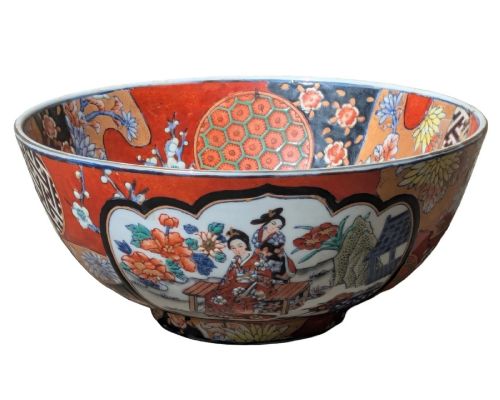
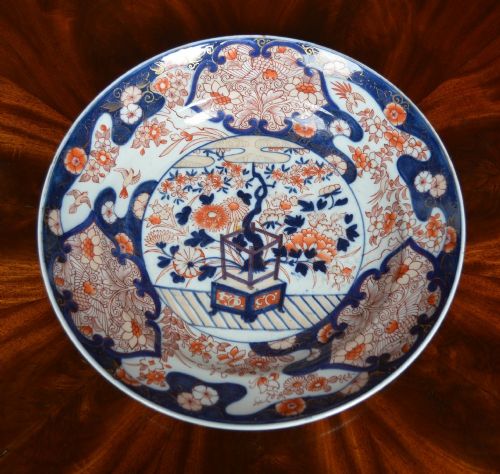
A vintage imari display bowl brings rich cobalt glaze, enamel, and gold leaf into a room, offering centuries of Japanese ceramic craft.
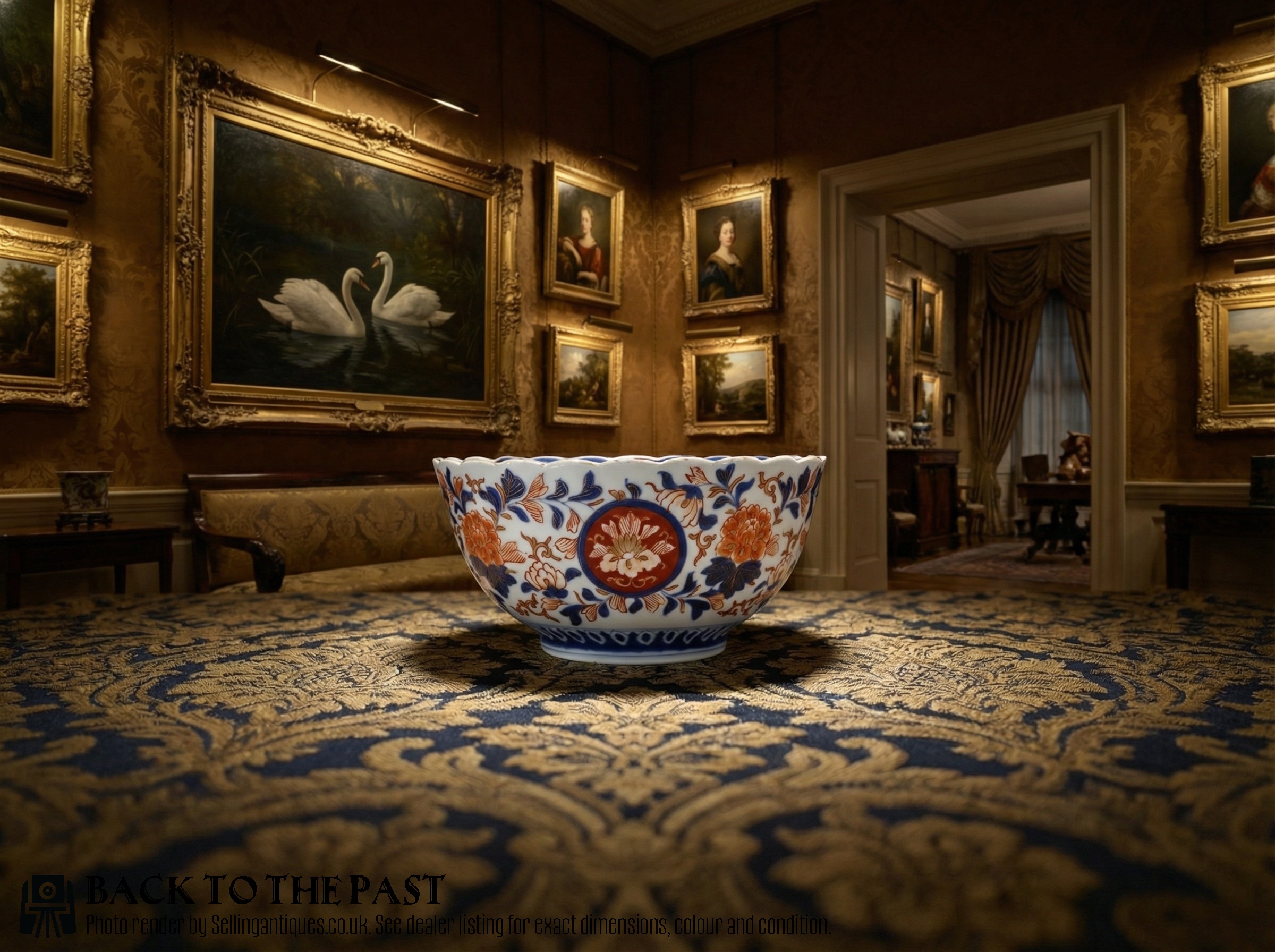
Vintage Imari Display Bowl
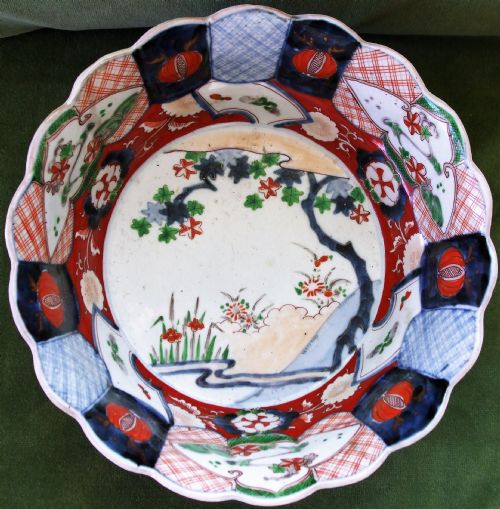
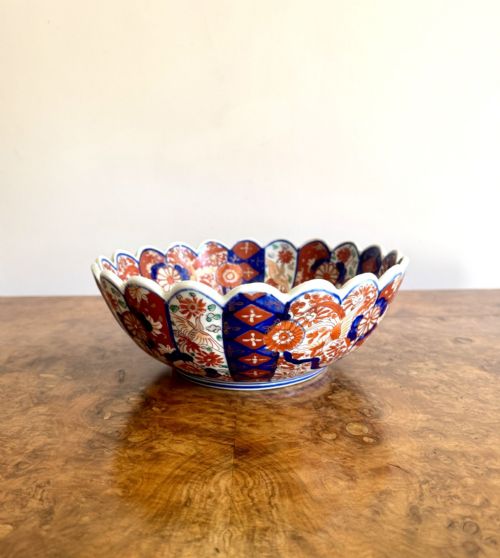
When you search for a vintage imari display bowl, you are looking at decorative porcelain pieces originating from Japan, spanning from the seventeenth century through the Meiji period and into the twentieth century. These vessels take various forms including decorative bowls, plates, chargers, and tripod bowls, often featuring scalloped or hexagonal edges.
The pieces you are most likely to meet on this page date predominantly around nineteen hundred, alongside items from the nineteenth century, the Meiji period, and occasional seventeenth or eighteenth century examples. They serve primarily as display items, showcasing traditional Japanese Imari aesthetics across domestic settings.
How they were made
These ceramic pieces utilise porcelain shaped into bowls and plates, fired and painted with cobalt glaze. Artisans applied additional enamel colours and gold leaf or gilding to create the characteristic palette associated with Japanese Imari ware.
Production techniques across the periods represented in the evidence include hand-forming methods for hexagonal and scallop shaped edges, tripod bases, and shallow bowl profiles. The combination of glaze, enamel, and gilt details defines the physical construction of each vessel.
Materials recorded across the available pieces include porcelain, ceramic, cobalt glaze, enamel, gold leaf, gilding, and gilt.
What varies in quality
The standard of an imari bowl or plate rests on the precision of the cobalt glaze work and the application of enamel and gold leaf. Finer examples display crisp detail in the painted motifs and careful execution of shaped edges, such as scallop forms and hexagonal geometry.
Variations also appear in the consistency of the porcelain body and the richness of the gilding. Pieces from different periods, from seventeenth century Arita production to nineteen hundred items, show distinct shifts in technical execution and decorative depth.
The Vintage Imari Display Bowl Glossary
- Imari
- A style of Japanese porcelain decorated in underglaze blue, iron red, and gold, originating from the port of Imari. This aesthetic defines the visual character of the bowls and plates seen here.
- Cobalt Glaze
- A blue pigment applied beneath the transparent glaze before firing. It provides the deep blue foundation characteristic of traditional Imari decoration.
- Gilding
- The application of gold leaf or gilt onto the ceramic surface. This technique highlights specific patterns and adds metallic brilliance to the design.
- Meiji Period
- A span of Japanese history lasting from 1868 to 1912. Many of the decorative bowls and plates on this page date from this era.
- Arita
- A Japanese town and the primary centre for porcelain production in Hizen province. Arita kilns produced the early wares that influenced the Imari style.
Vintage Imari Display Bowl: Frequently Asked Questions
What is a vintage imari display bowl?
A vintage imari display bowl is a Japanese porcelain vessel decorated in cobalt glaze, enamel, and gilding, designed primarily for visual presentation.
These pieces range from seventeenth century Arita wares to later twentieth century items, taking forms such as shallow bowls, tripod vessels, and scalloped plates.
How do I identify a Meiji period imari bowl?
Meiji period imari bowls are identified by their distinct Japanese Imari styling, combining underglaze blue with rich enamel and gold leaf details.
They often feature characteristic forms like scallop shaped edges or hexagonal designs, reflecting the craftsmanship of late nineteenth and early twentieth century Japan.
Where were imari bowls made?
Imari bowls were made in Japan, specifically associated with the production centre of Arita from where wares were shipped through the port of Imari.
The listings include pieces originating directly from Japan across various historical periods, including the Edo and Meiji eras.
How should I display an imari bowl?
Imari bowls and plates are best placed in settings where their cobalt glaze, enamel, and gold leaf can catch the light.
Due to their decorative nature and forms such as chargers and tripod bowls, they suit prominent display surfaces within a room.