
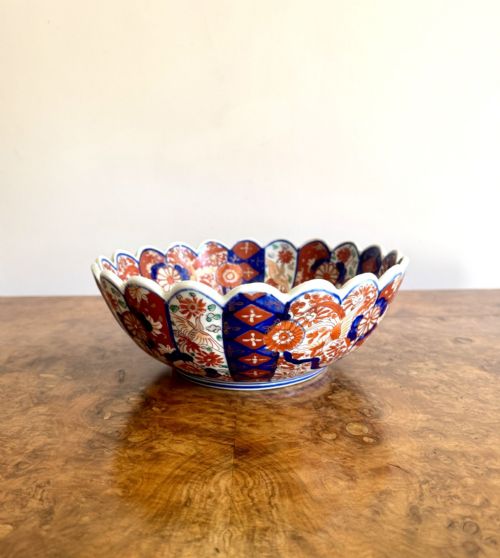


Edwardian Imari Porcelain
These pieces of edwardian imari porcelain bring together English bone china and Japanese-inspired palettes for everyday display.
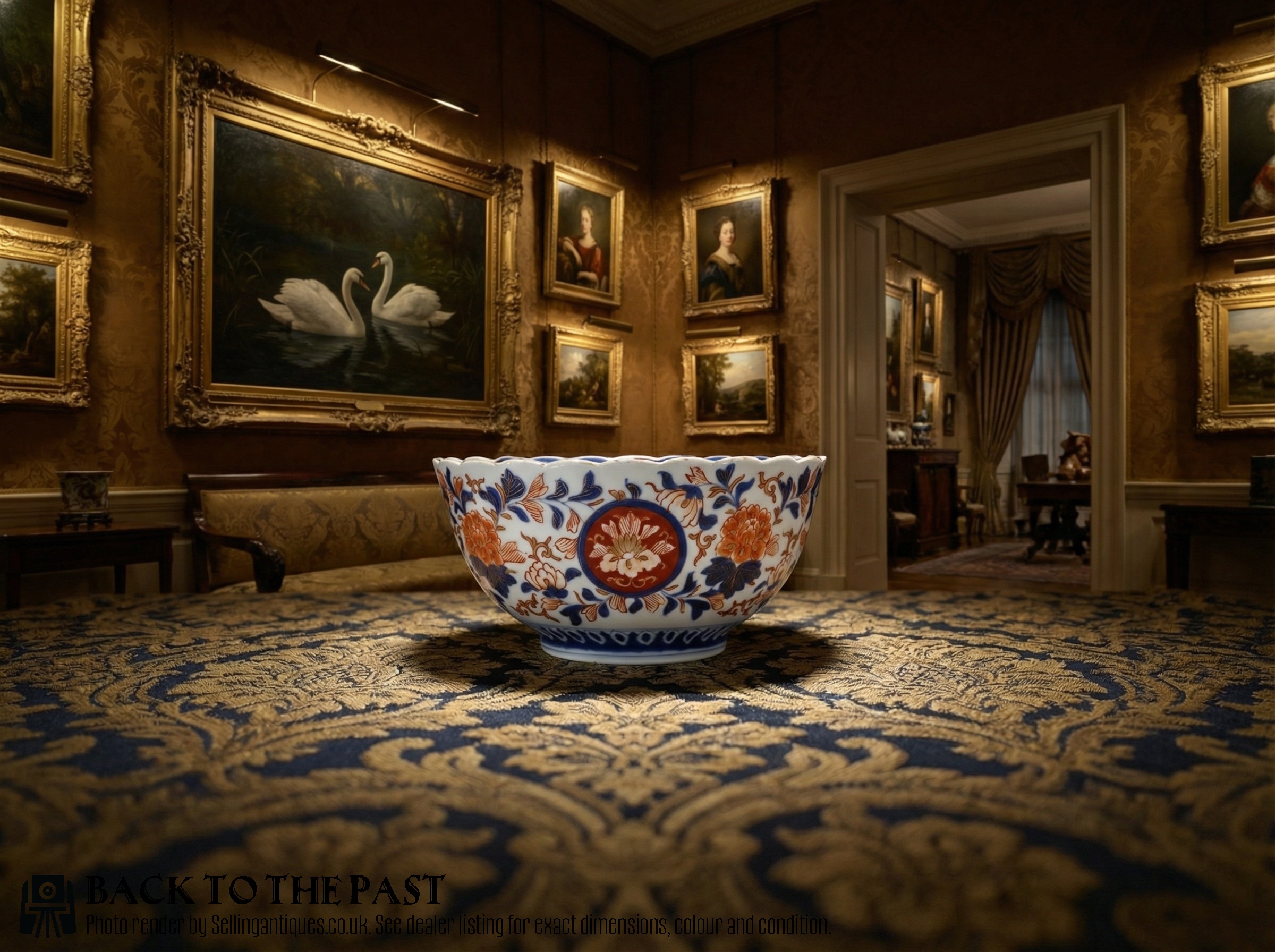
Edwardian Imari Porcelain
When you search for edwardian imari porcelain, you encounter a distinct cross-cultural blend of English forms and traditional Japanese motifs. The selection encompasses bone china and porcelain items produced around the turn of the twentieth century, alongside authentic Japanese imports from the Meiji period.
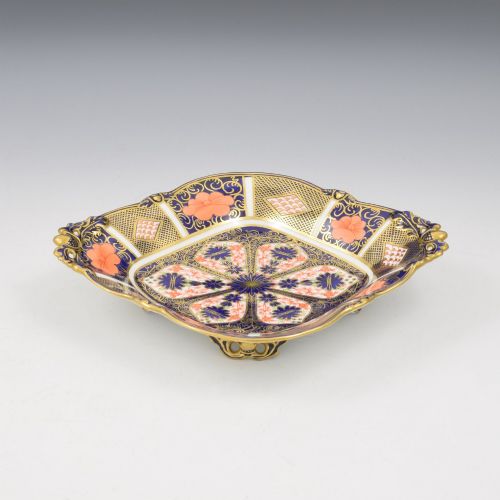
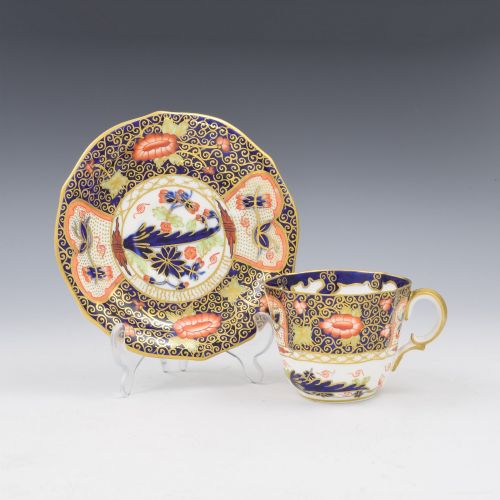
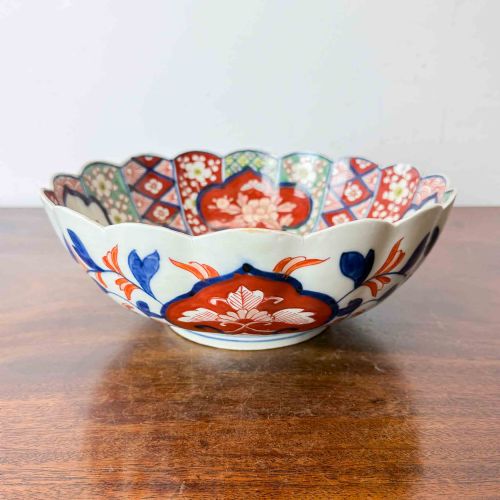
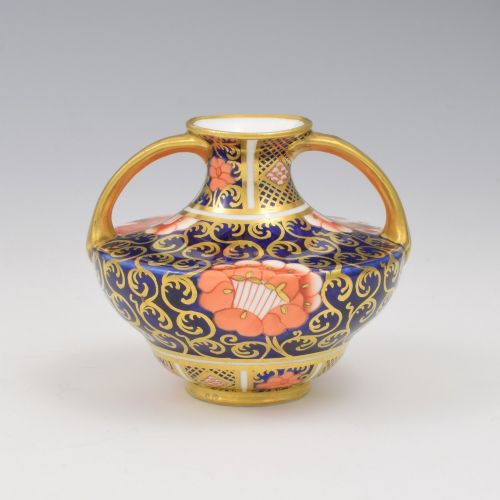
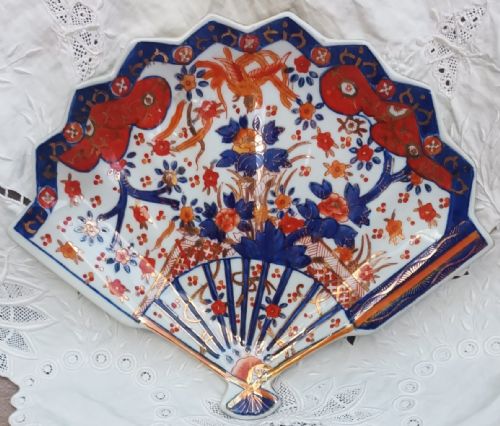
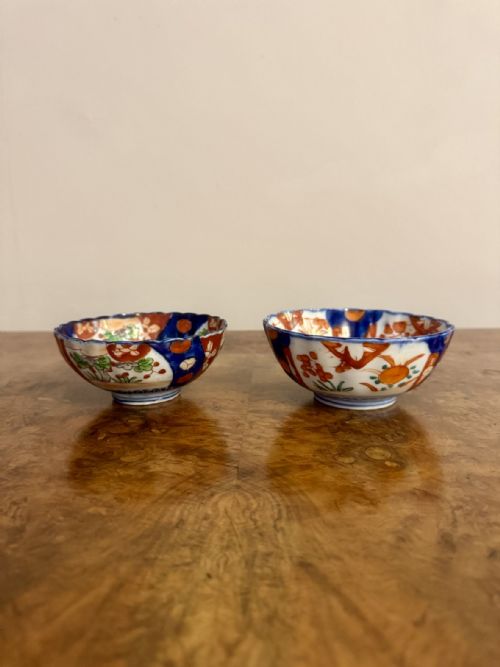
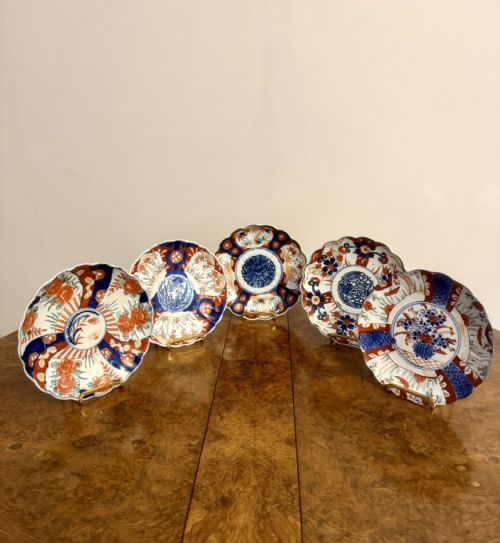
The dominant English maker appearing in this category is Royal Crown Derby, whose porcelain pieces often carry specific pattern numbers like 1128, 4591, 6299, and 2444. Alongside these tableware and cabinet pieces, you find Japanese Imari plates, bowls, dishes, and vases featuring scalloped edges and fluted bodies.
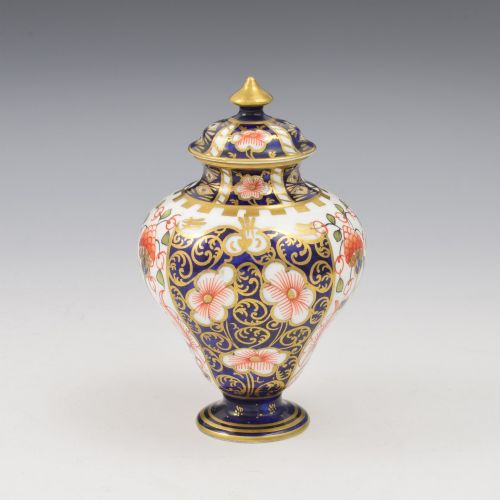
The assortment balances miniature vases and covered vessels with larger decorative plates, serving dishes, and biscuit barrels. These objects reflect both domestic Edwardian tea culture and the enduring British fascination with imported Japanese design.
How they were made
Makers utilised porcelain and bone china as the primary white ceramic bodies for these items. The physical structure relies on high-temperature firing to achieve a durable base before decoration begins.
Artisans applied enamel colours alongside gold gilding and gold leaf to create the vibrant palette characteristic of Imari wares. Overglaze painting techniques allowed for intricate geometric and floral patterns that stand out against the white ceramic ground.
Pattern 6299 is affectionately known among collectors as Imari Witches.
What varies in quality
The standard of execution in the hand-painted enamel work and the precision of the gold gilding define the upper tiers of these ceramics. Crisp outlines and rich, saturated colours distinguish finer cabinet pieces from standard production wares.
Form and complexity also separate everyday items from exceptional examples, such as pierced serving trays, twin-handled miniature vases, and pieces with complex scalloped or fluted modelling.
Royal Crown Derby
The Edwardian Imari Porcelain Glossary
- Imari
- A style of Japanese porcelain decorated in underglaze blue and overglaze red, gold, and green. British potteries subsequently adopted this distinctive palette for bone china production.
- Bone china
- A type of soft-paste porcelain incorporating bone ash, developed in England for strength and translucency. It forms the body of many domestic pieces in this category.
- Meiji period
- The era of Japanese history spanning from 1868 to 1912, corresponding with significant export of decorative ceramics to Western markets. Pieces from this time often feature traditional hand-painted motifs.
- Gilding
- The application of gold leaf or gold paint to the surface of ceramics for decorative accent. This technique highlights rims, handles, and pattern borders.
- Biscuit barrel
- A ceramic container with a fitted lid, often mounted with silver plate, designed for storing dry biscuits at the table. Edwardian examples frequently utilise Imari designs.
Edwardian Imari Porcelain: Frequently Asked Questions
What is edwardian imari porcelain?
These items combine English porcelain or bone china production with the rich red, blue, and gold palette associated with Japanese Imari traditions. Many originate from English potteries working during the early twentieth century.
The category also includes authentic Japanese export pieces from the Meiji period that heavily influenced British design tastes of the era.
How do I identify royal crown derby pieces?
Look for specific pattern numbers painted or printed on the base, such as pattern 1128 or 6299. These numbers correspond to classic Imari designs produced in England.
Form and execution also help, as these items often include specific shapes like coffee cups and saucers, bud vases, and pierced serving trays.
Were these items used daily?
Many pieces served functional roles in Edwardian dining and tea service, including teacups, sugar bowls, and biscuit barrels. Others functioned purely as decorative cabinet pieces.
Items like plates and serving dishes saw regular use during formal meals, while miniature vases were strictly ornamental.
How do I display these ceramics?
Their strong cobalt blue and iron-red enamel colours suit wooden sideboards, glass-fronted cabinets, and open shelving. Mixing plates and bowls creates visual contrast against neutral walls.
Keep them away from direct, harsh sunlight to preserve the vibrancy of the overglaze enamels and gold leaf details.