


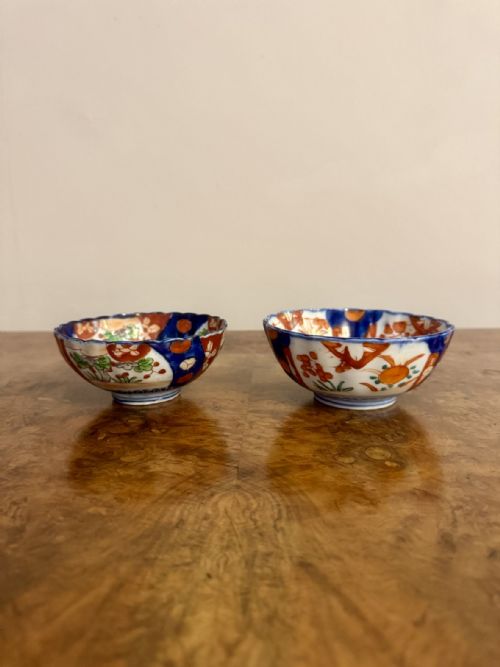
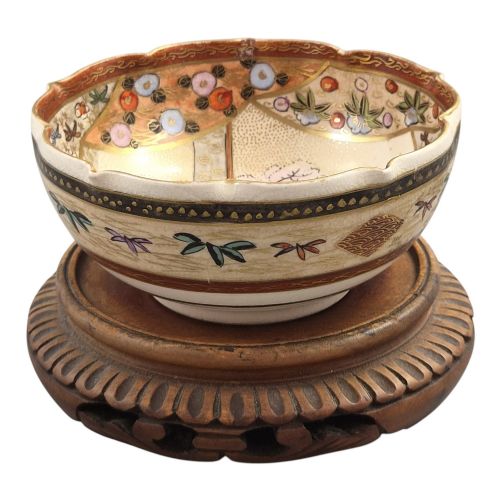
Oriental Painted Porcelain Bowl
An oriental painted porcelain bowl brings centuries of East Asian ceramic artistry into a room, offering rich colours and intricate hand-painted detail for daily display.
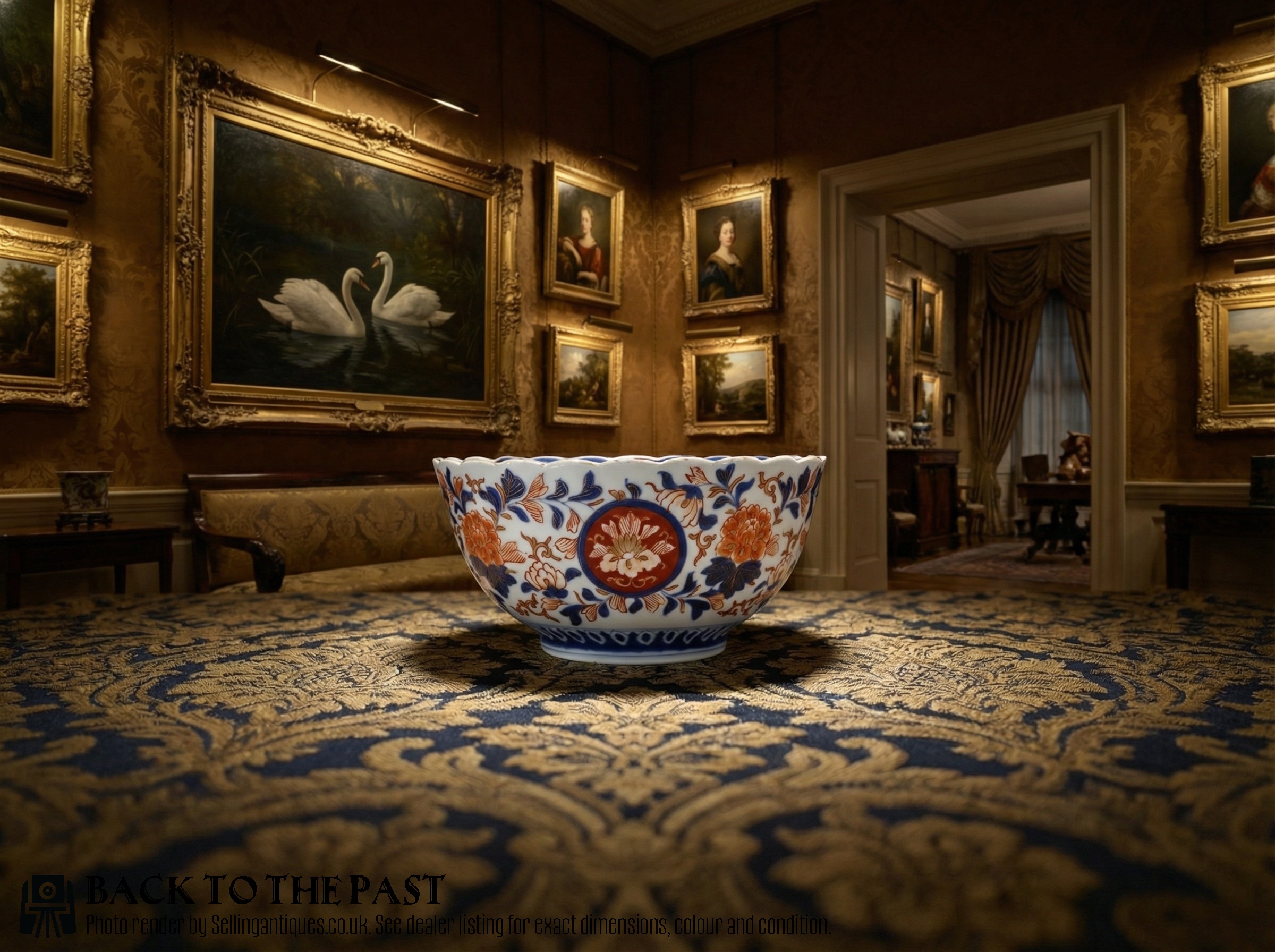
Oriental Painted Porcelain Bowl
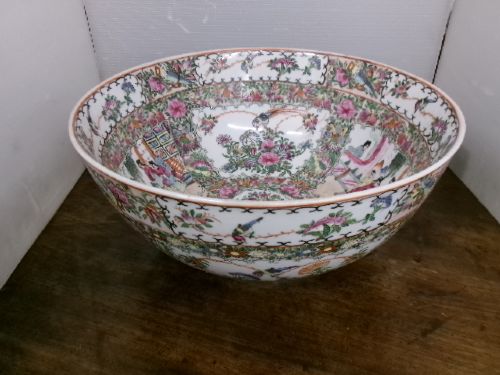
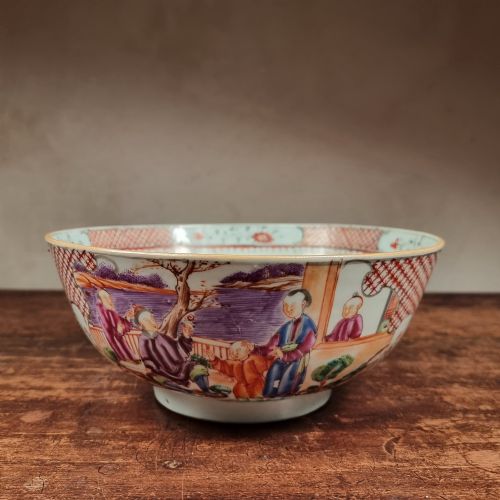
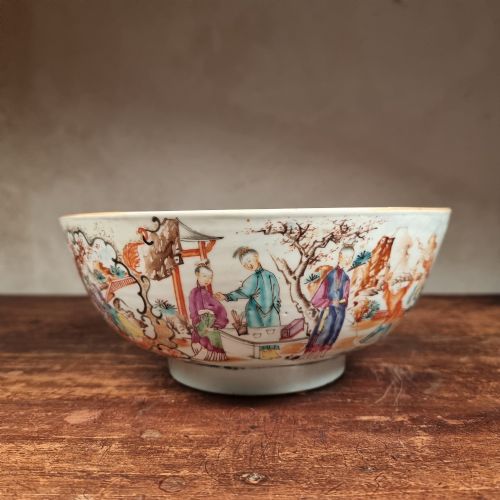
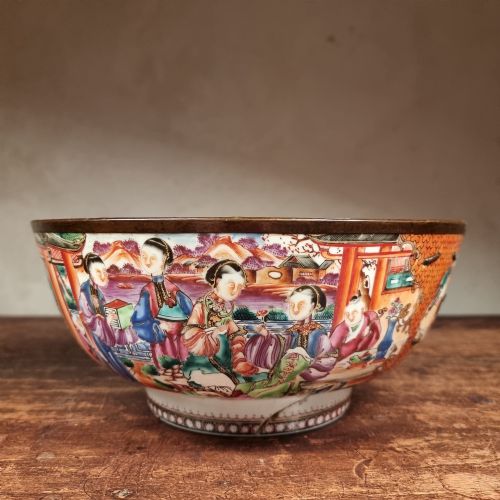
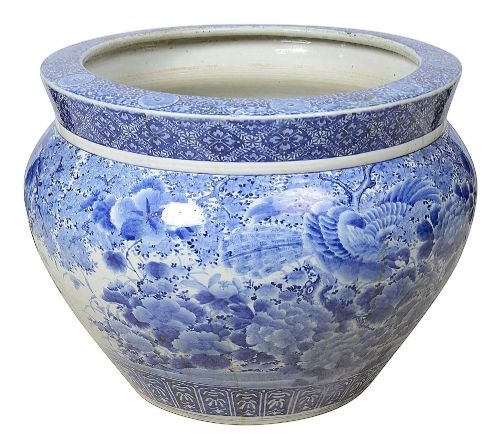
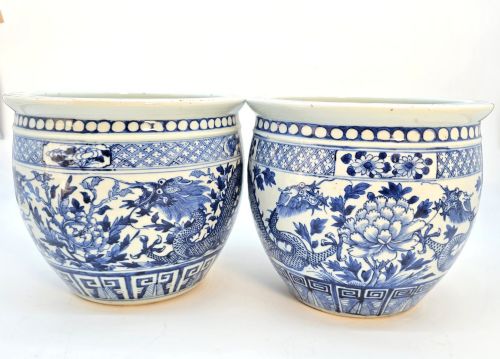
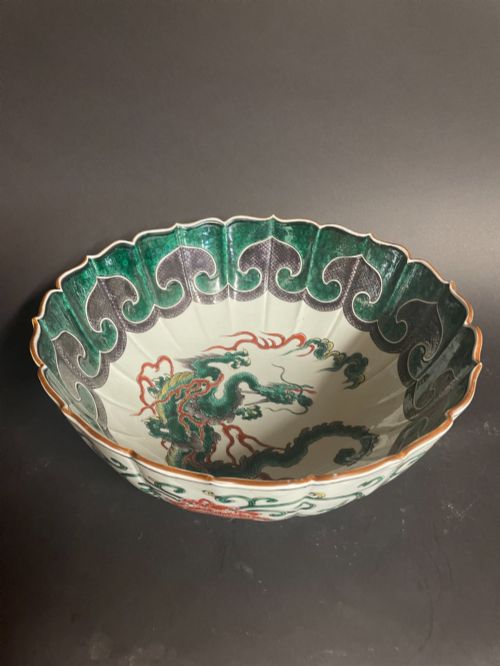
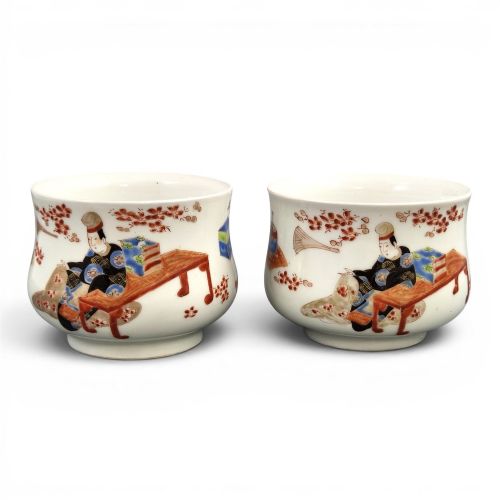
An oriental painted porcelain bowl encompasses a wide range of decorative and functional vessels originating from China and Japan over multiple centuries. The selection spans robust punch bowls and large jardinieres alongside delicate tea cups and brush washers.
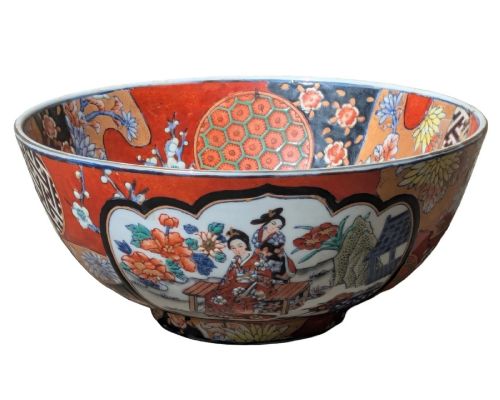
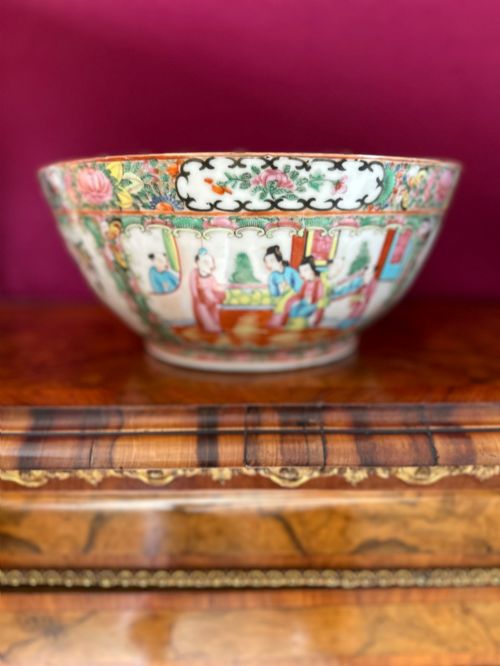
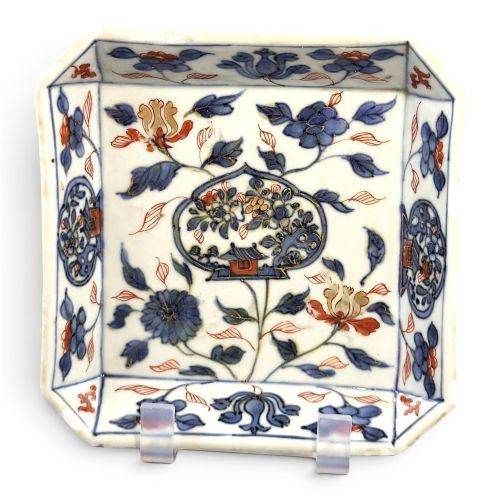
Most examples encountered here date from the nineteenth century, with strong representation from the Meiji period in Japan and the Qing dynasty in China. Pieces range from grand Canton and Famille Rose centrepieces to intricately patterned Japanese Imari wares.
Materials and technique
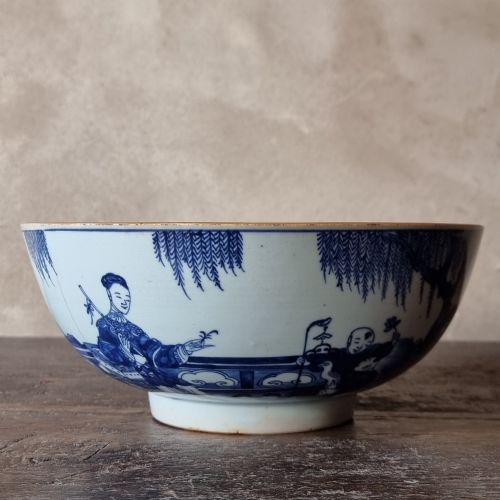
Potters shaped fine porcelain and earthenware clays before applying mineral glazes and underglaze cobalt pigments to create durable ceramic bodies. Kiln firing vitrified the clay at high temperatures to produce a hard, non-porous surface ready for detailed painting.
Artisans applied polychrome enamels, cobalt underglaze, and occasionally gold leaf by hand, often building up complex motifs in multiple firings. This technique allowed for the precise rendering of figures, flora, and geometric borders found on Canton and Satsuma pieces.
Scholarly brush washers share display space with grand punch bowls designed for historical dining tables.
Standards of craftsmanship
The weight of the porcelain body and the refinement of foot rims also distinguish masterworks from standard domestic output. Signed works from known Meiji period workshops or substantial punch bowls with complex heraldic or figural scenes represent the upper tier.
Ginshōtei Gyokushi·Gyokkō·Kozan·Shizan
The Oriental Painted Porcelain Bowl Glossary
- Imari
- A style of Japanese porcelain featuring a distinct palette of underglaze blue, iron red, and gilt highlights. These wares were heavily exported to Europe from the Edo period onward.
- Famille Rose
- A major palette of Chinese ceramic enamels introduced in the Qing dynasty, dominated by opaque pink or rose colours mixed with other soft mineral pigments.
- Jardiniere
- A large decorative ceramic pot or planter designed to hold growing plants or flowers. They often feature heavy walls to support soil and moisture.
- Edo Period
- The period in Japanese history spanning from 1603 to 1868, characterised by economic growth and stable arts production. Many export wares trace their aesthetic roots to this era.
- Brush Washer
- A small ceramic vessel used in traditional East Asian calligraphy and painting to clean ink brushes. These pieces often feature specialised interior shapes and subtle glazes.
Oriental Painted Porcelain Bowl: Frequently Asked Questions
How do I date an oriental porcelain bowl?
Dating relies on stylistic markers, palette characteristics, and the reign marks or signatures painted on the base. Comparing the potting style and enamel types against known periods like the Meiji era or Qing dynasty helps narrow the timeframe.
Changes in trade patterns and export styles also provide clues, as nineteenth-century Canton wares differ visibly from earlier eighteenth-century punch bowls in both scale and pigment vibrancy.
Were these bowls meant for daily use?
Many larger vessels, such as punch bowls and jardinieres, served functional roles at banquets or in wealthy households for dining and floral display. Smaller tea cups and brush washers had specific domestic or scholarly applications.
Export pieces made during the nineteenth century were frequently acquired by European collectors strictly for decorative display in parlours and drawing rooms.
How should I clean a painted porcelain bowl?
Dusting gently with a soft, dry cloth is usually sufficient for regular maintenance of antique ceramic surfaces. Avoid harsh chemical cleaners and abrasive scrubbing pads that can strip delicate overglaze enamels and gold leaf.
If washing is necessary, use lukewarm water and mild soap, ensuring the piece is dried completely by hand afterwards to protect any unglazed foot rims.