
Vintage Horse Prints
Vintage horse prints bring the energy of the track and the field onto the wall through enduring equine imagery.
Vintage Horse Prints
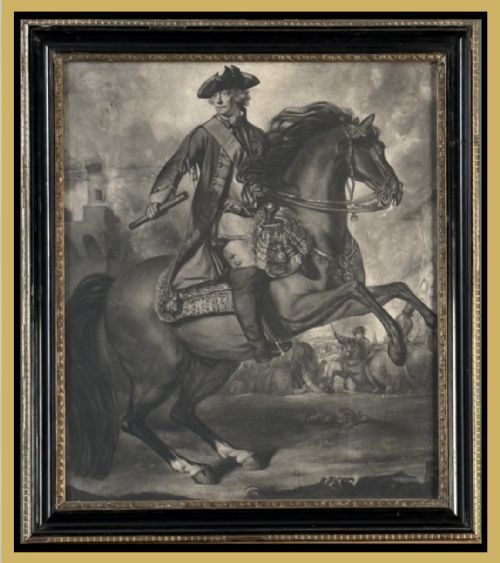
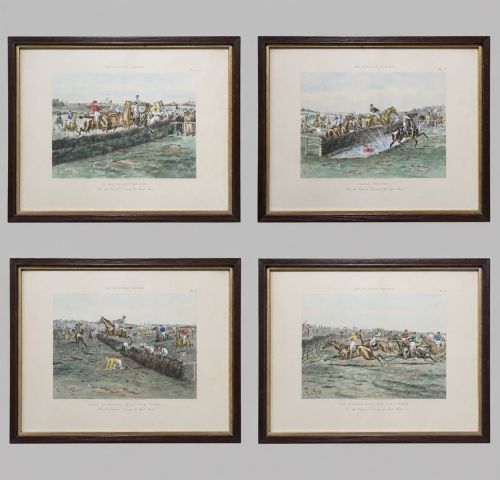
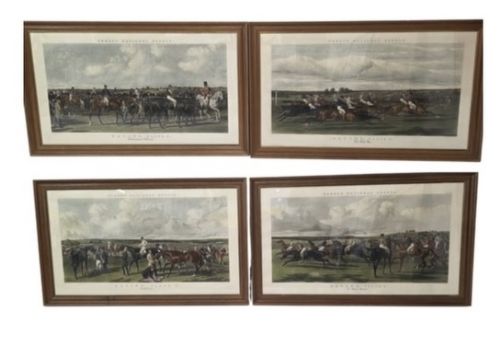
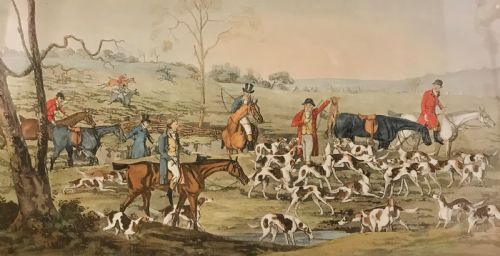
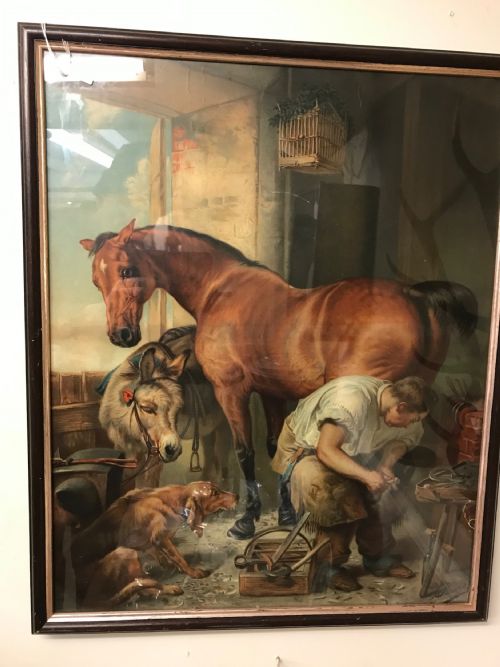
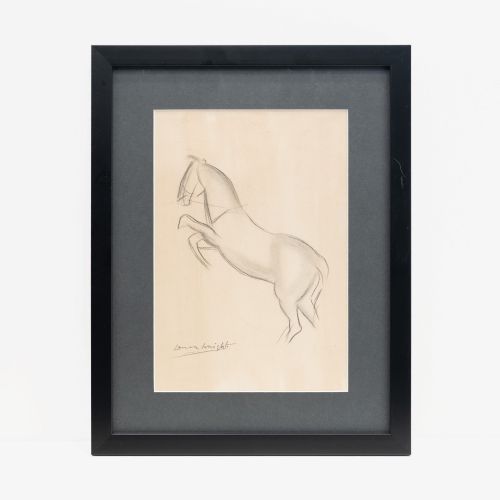
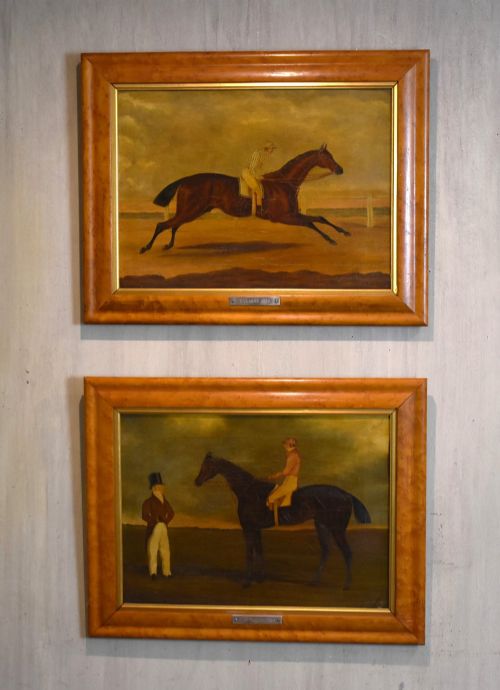
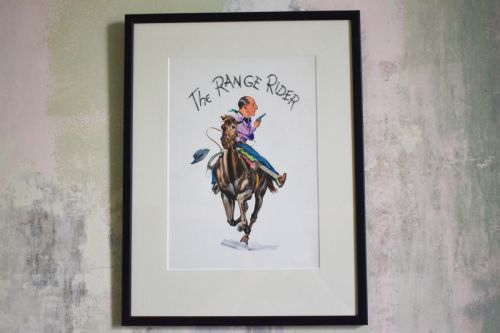
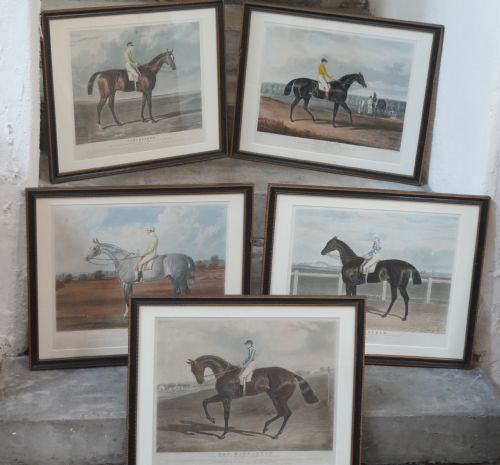
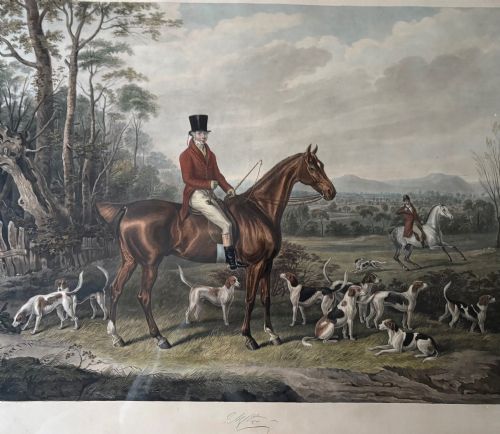
Vintage horse prints capture the spirit of equestrian tradition through framed works that range from racing scenes and hunting meets to detailed animal portraits. Buyers seeking this aesthetic will encounter everything from mid-century lithographs and Vanity Fair double pages to nineteenth-century engravings and early twentieth-century plates.
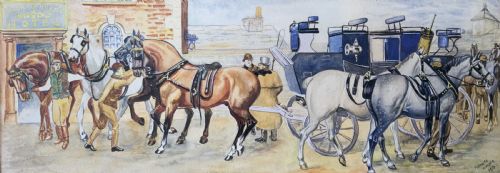
The selection leans heavily toward British sporting art, reflecting a long cultural fascination with racing, coaching, and fox hunting. These pieces frequently appear in original oak frames, glass-fronted and ready to hang in studies, hallways, or living spaces.
How they were made
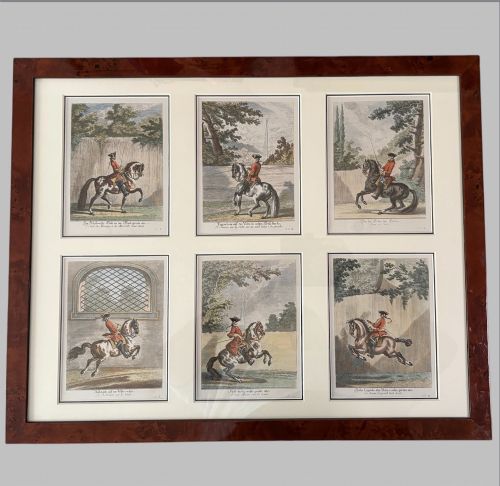
These works rely on traditional printmaking techniques such as lithography, aquatint, engraving, and drypoint, executed on paper and often finished with hand-applied watercolour. Copperplate engravings and chromolithographs provide the sharp lines and rich tonal depth characteristic of earlier periods.
Framing materials play a defining role in presentation, with dark wood, particularly oak, and protective glass shielding the delicate paper surfaces from environmental damage over decades.
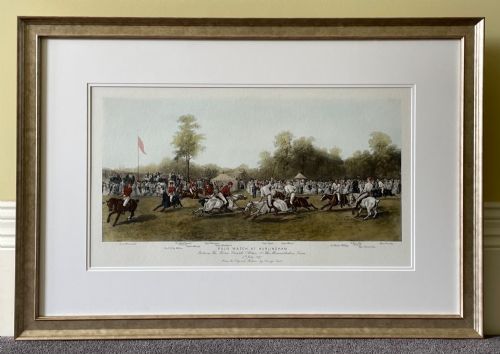
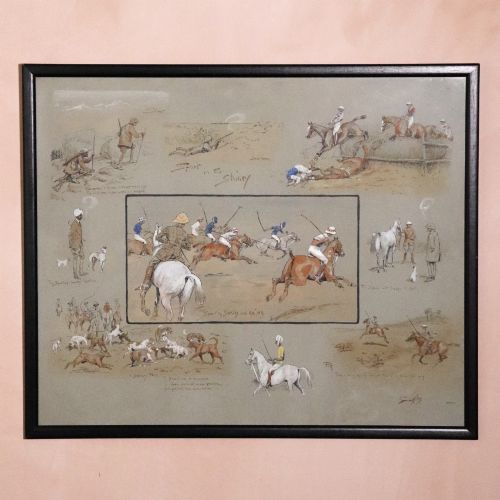
Several pieces capture spirited equine moments, from polo tumbles to racing thoroughbreds caught mid-gallop by observant artists.
What varies in quality
Quality in these works rests upon the crispness of the impression and the fidelity of the printing technique, where early strikes from plates yield sharper details than later reproductions. Hand-colouring adds another layer of distinction, separating hurried commercial tinting from nuanced, skilful application of pigment.
The integrity of the paper and the authenticity of the framing further elevate a piece, distinguishing well-preserved works from those compromised by fading or damp.
Edward Fisher·Kurt Meyer-Eberhardt·William Powell Frith·George Finch Mason·Edwin Henry Landseer·Dame Laura Knight·John Frederick Herring Snr·John Rattenbury Skeaping·Anne Goldthwaite·Gabriel Dauchot·Abraham Cooper·Alfred Wheeler·John Atkinson
The Vintage Horse Prints Glossary
- Lithography
- A planographic printing method using a stone or metal plate where ink adheres to grease-treated areas to produce an image. This technique allowed for smooth gradations and efficient reproduction of detailed illustrations.
- Aquatint
- A variant of etching that produces tonal areas resembling watercolour washes through acid-resistant resin applied to a metal plate. It was widely utilised for atmospheric sporting scenes.
- Drypoint
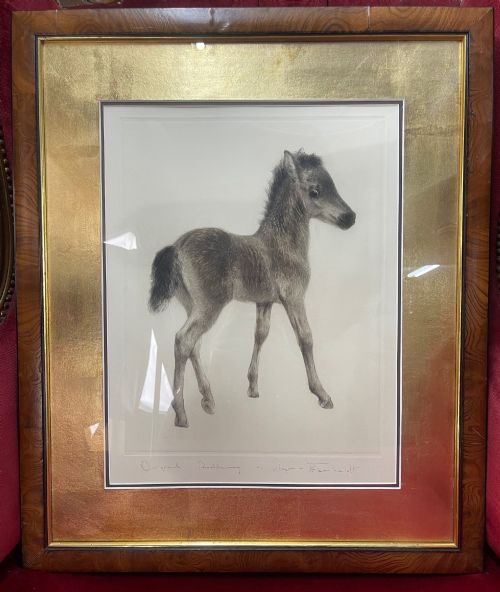
- A printmaking process where an image is scratched directly into a metal plate with a sharp needle, creating a burr that holds ink for velvety lines. This method yields limited impressions due to rapid wear on the plate.
- Chromolithography
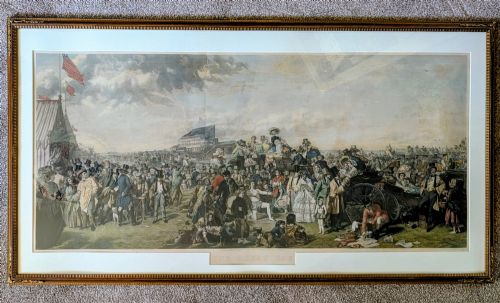
- A multicolour planographic printing process that builds up an image using separate stones for each pigment. It produced vibrant, saturated prints popular in Victorian publications.
- Mezzotint
- A tonal engraving method where the printing plate is roughened uniformly and then scraped to achieve light areas. This process creates rich, velvety darks prized for portraiture.
Vintage Horse Prints: Frequently Asked Questions
How do I care for framed paper art?
Keep prints away from direct sunlight to prevent the ink and any hand-applied watercolour from fading over time. Maintaining a stable indoor climate also protects the paper and the original wooden framing from warping.
Ensure that the glass remains intact to shield the surface from dust and atmospheric moisture. Professional framing using acid-free backing materials helps preserve the longevity of older pieces.
Are these works original antique prints?
The selection includes period engravings, lithographs, and etchings created during the nineteenth and early twentieth centuries. Each technique bears the physical characteristics of its production era.
Signatures, publisher imprints, and paper characteristics help differentiate original period impressions from later photographic reproductions.
What subjects are most common?
Equestrian themes dominate these works, capturing horse racing, fox hunting, polo matches, and individual horse portraits. These subjects reflect the prominent place of sporting art in British culture.
Scenes range from dynamic race day crowds to intimate studies of foals and famous thoroughbreds by notable artists.
How are periods identified?
Dating relies on printing technology, paper types, publishing details, and stylistic markers associated with Victorian, Edwardian, or Georgian eras. Chromolithographs and Vanity Fair prints, for instance, point firmly toward the later nineteenth century.
Framing styles and typography on the margins offer further contextual clues to establish the approximate age of a piece.