



Antique Racing Art
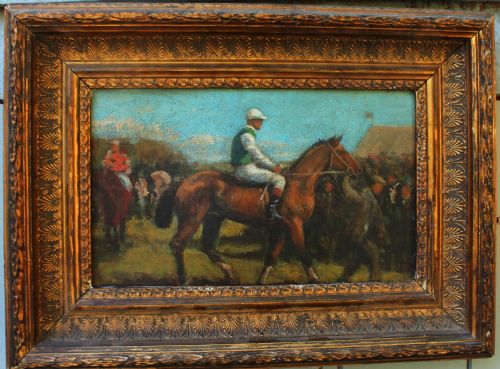
Antique racing art captures the speed and spectacle of historic competition through paintings, prints, and posters that bring notable horses, cyclists, and cars into the room.
Antique Racing Art
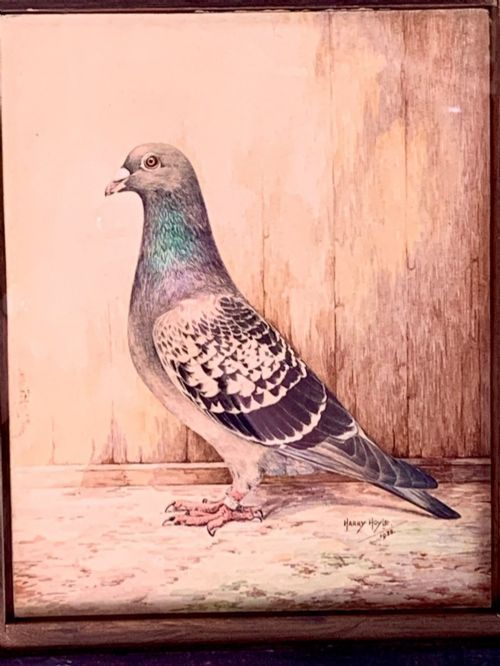
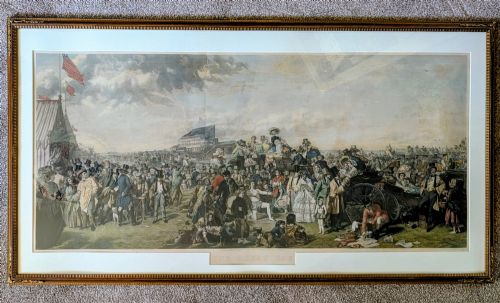
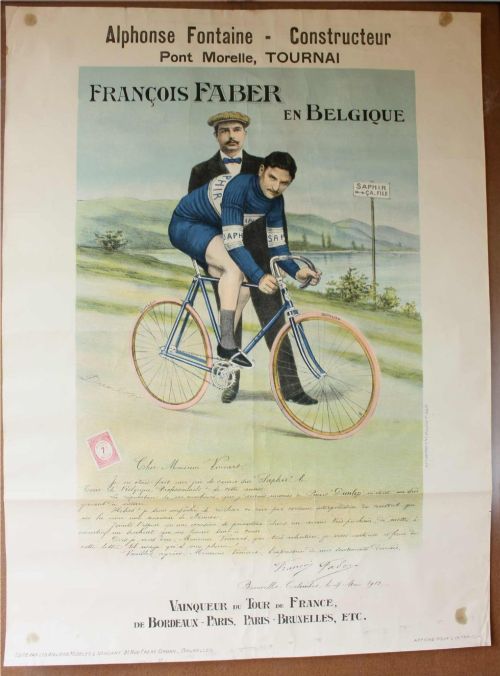
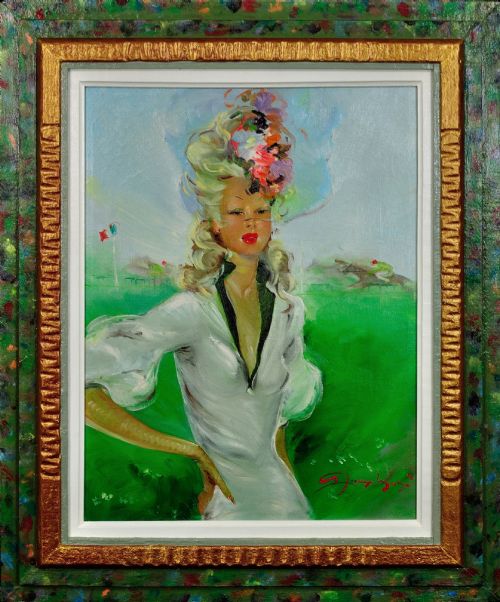
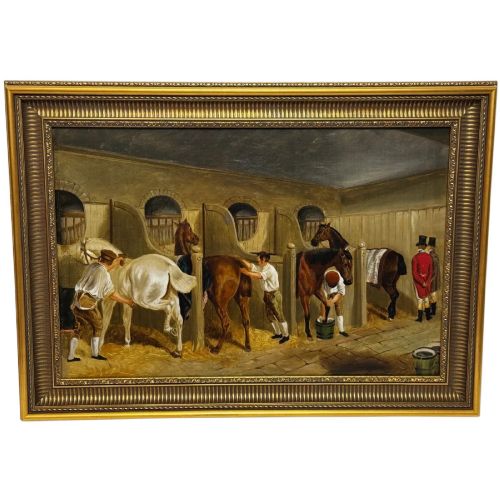
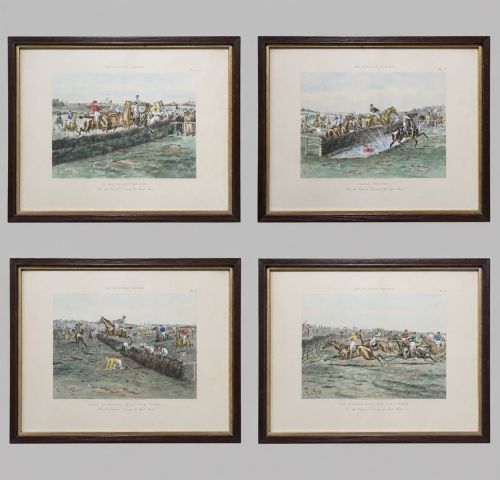
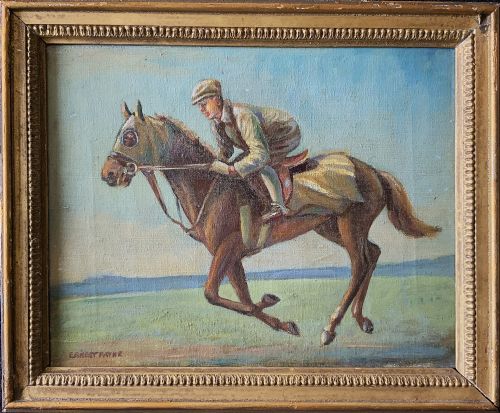
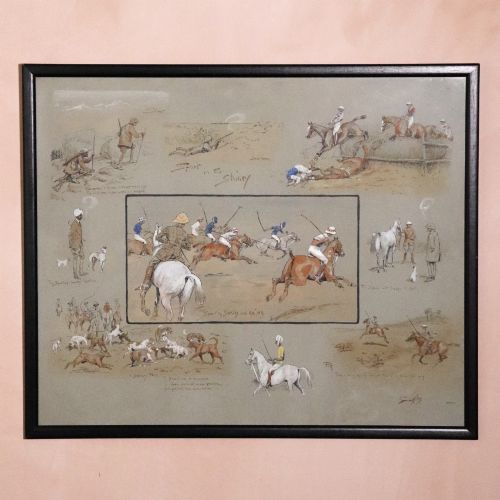
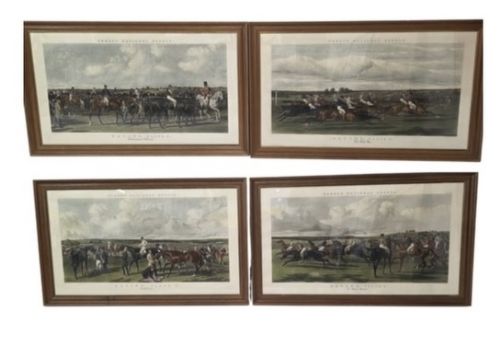
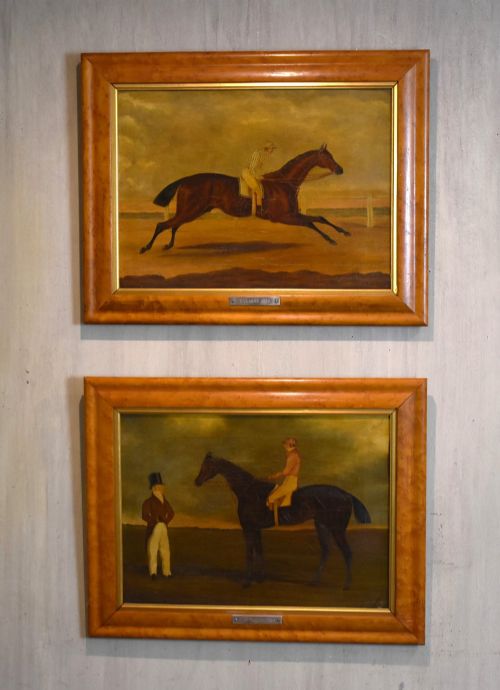
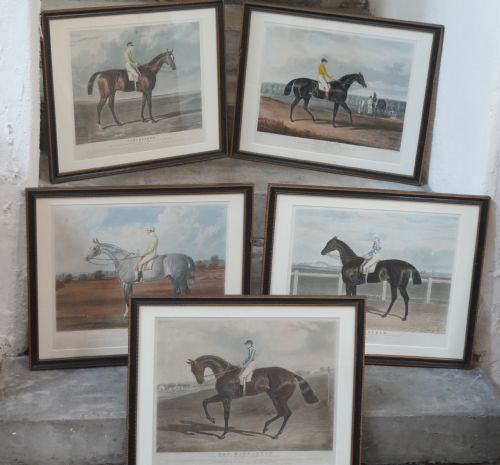
Antique racing art encompasses everything from Victorian horse racing prints and oil paintings of celebrated thoroughbreds to early twentieth-century cycling and motoring posters. Buyers seeking these pieces encounter a rich mix of framed engravings, watercolours, and oils recording turf history.
Horse racing subjects dominate the selection, spanning nineteenth-century scenes of Epsom and Newmarket alongside portraits of famous jockeys and winners. Alongside equine subjects, the category includes sailing yachts, greyhounds, and early automotive competitions rendered in period frames.
Materials and methods
Artists and publishers utilised oil on canvas, watercolour, and ink, alongside traditional printmaking techniques like engraving, chromolithography, and aquatint. Many pieces retain their period gilt wood or Hogarth frames, paper supports, and glass glazing.
Needlework, reverse silhouette painting on glass, and cast metal mascots demonstrate the diverse mediums applied to sporting subjects. Paper prints often arrive mounted and glazed to protect fragile watercolours and ink details from light damage.
Listings feature works spanning the Georgian era through the nineteenth century, Edwardian period, and 1950s.
Judging quality in racing works
Quality rests upon the precision of movement and anatomical accuracy captured by the artist, distinguishing spirited studies from stiff mechanical copies. Masterful handling of light and atmosphere separates accomplished oil paintings and original prints from mass-produced decorative reproductions.
The survival of original pigment, crisp plate marks on engravings, and untouched period framing contribute significantly to a piece's integrity. Works carrying specific named horses, jockeys, or verifiable nineteenth and early twentieth-century dates command greater attention from collectors.
William Powell Frith·George Finch Mason·Ernest Payne·John Frederick Herring Snr·Charles Johnson Payne Snaffles·Alfred Wheeler·John Atkinson·Isaac Cullin·Louis Lejeune
The Antique Racing Art Glossary
- Aquatint
- An intaglio printmaking technique that produces areas of tone resembling watercolour washes. It was frequently used for nineteenth-century sporting prints.
- Chromolithography
- A planographic colour printing method used to produce multi-coloured posters and journal plates. It creates vibrant images without manual hand-colouring.
- Diorama
- A three-dimensional scene enclosed in a glass-fronted case. Maritime examples depict sailing vessels racing at sea.
- Engraving
- A printmaking process where lines are cut directly into a metal plate with a sharp tool. This method produces crisp, fine details on early racing prints.
- Gilt wood
- Wood coated with a thin layer of gold leaf or gold paint. It is commonly found on nineteenth-century picture frames.
Antique Racing Art: Frequently Asked Questions
How do I date antique racing prints?
Dating relies on paper types, printing methods like lithography or engraving, and stylistic clues within the clothing and architecture depicted. Handwritten inscriptions on the reverse often record the specific race or horse.
Comparing the paper quality and framing style with known production periods helps narrow down the decade of publication.
Where should I hang racing art?
These works suit studies, hallways, and living rooms, particularly when grouped alongside other sporting memorabilia or traditional furniture. Ensure they hang away from direct sunlight to protect watercolours and coloured inks from fading.
Pairing framed prints in matching Hogarth frames creates a cohesive display along a staircase or corridor.
What subjects are included besides horses?
The category extends to cycling posters, greyhound racing, sailing yacht competitions, and early motoring events from the twentieth century. Needlework panels and painted glass silhouettes also represent historic sporting pursuits.
Each subject shares a focus on speed, competition, and nineteenth or early twentieth-century sporting culture.
How do I care for framed paper pieces?
Keep framed prints and watercolours out of bright, direct sunlight and maintain stable indoor humidity levels. Avoid hanging them on damp external walls where moisture might damage the paper support or backing boards.
Dust wooden frames gently with a dry cloth and leave glass cleaning to exterior surfaces without spraying liquid directly onto the frame edge.