
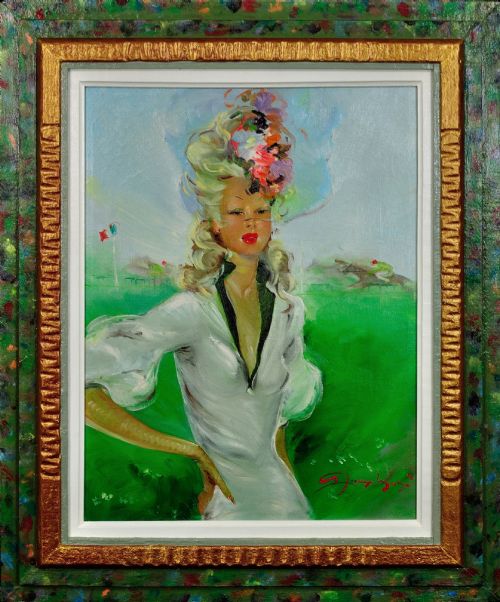

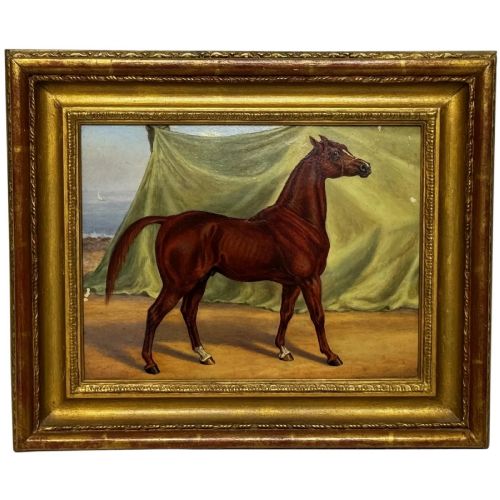

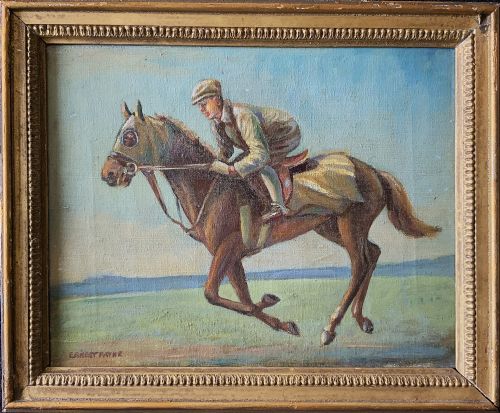
Vintage Horse Portrait
A vintage horse portrait brings the rich tradition of British sporting art directly onto your wall, capturing individual animals with enduring character.
Understanding the style
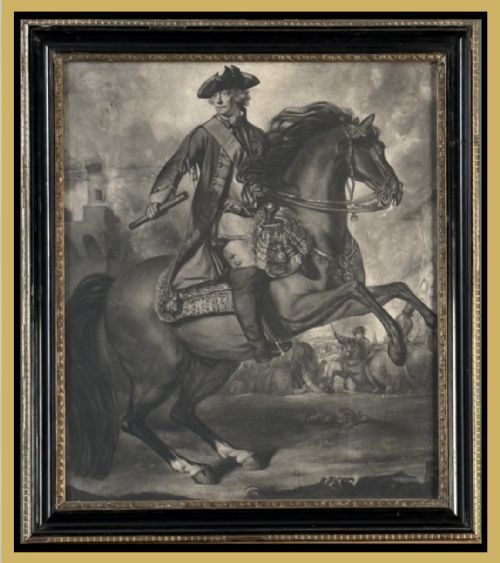
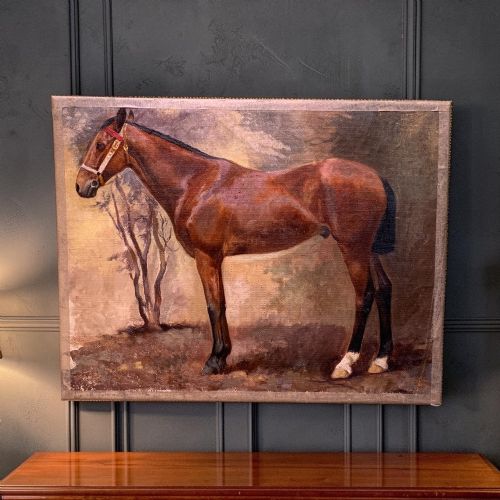
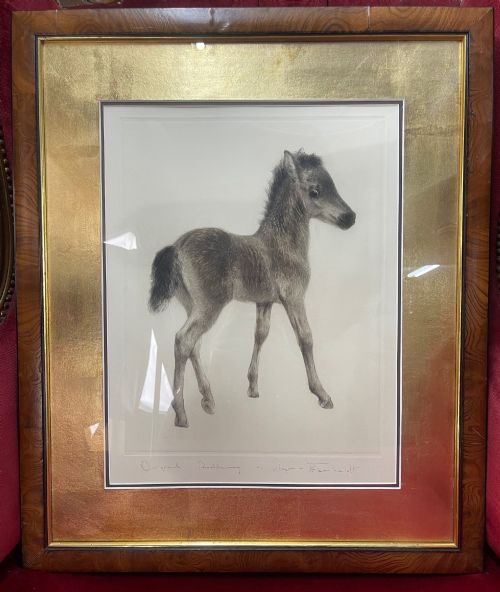
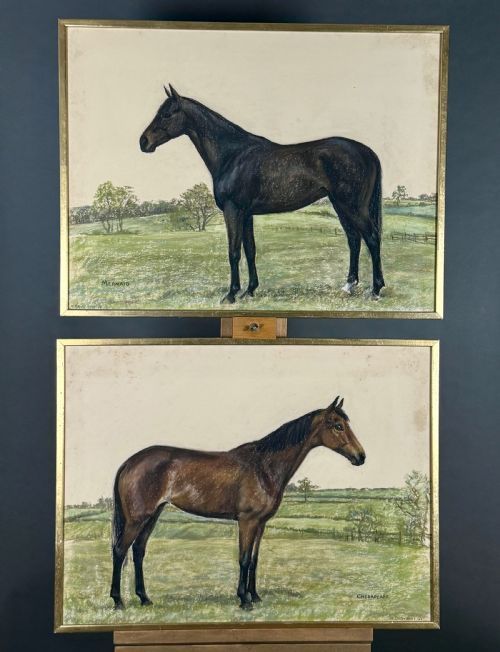
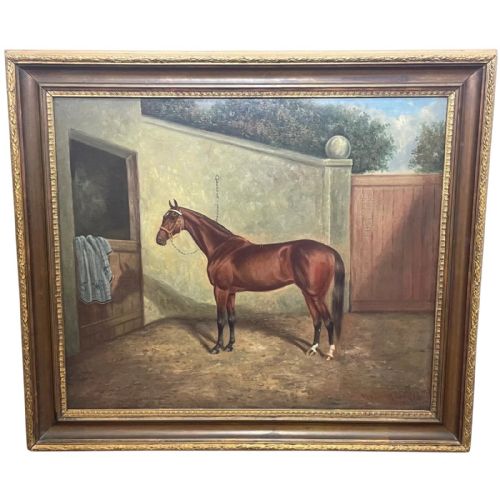
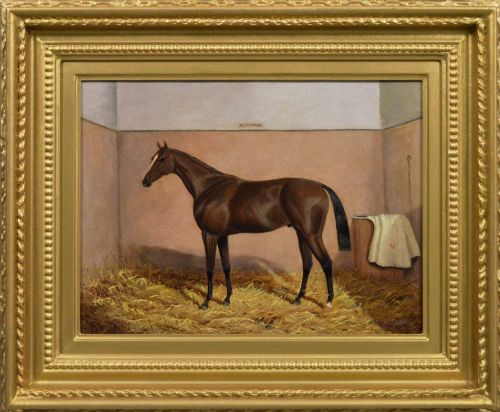
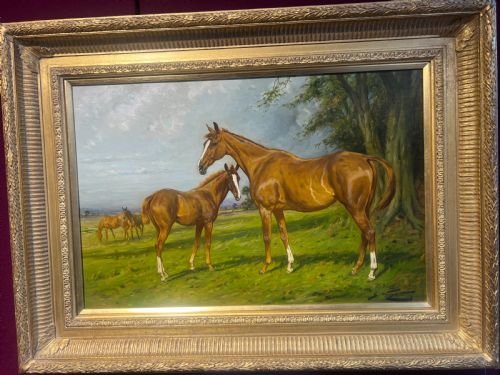
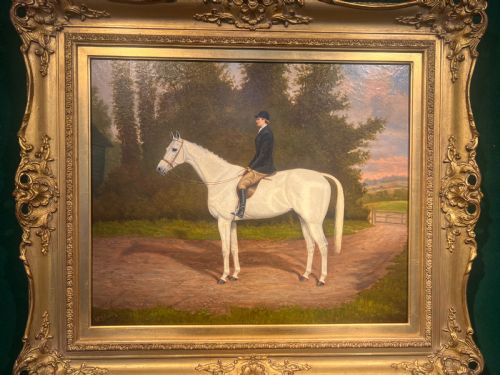
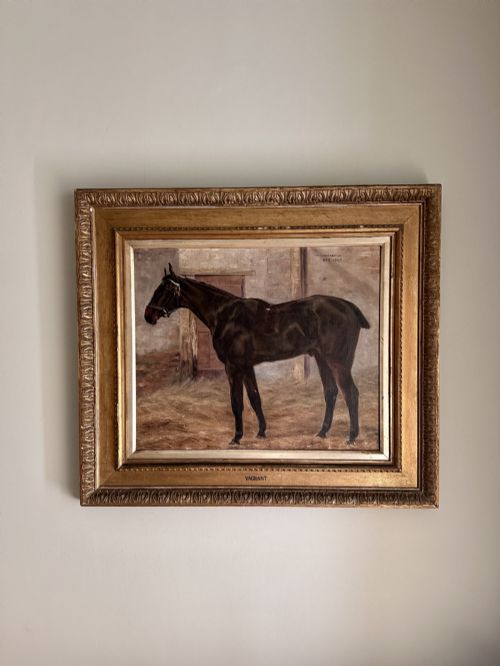
A vintage horse portrait represents a specific equine subject, often rendered by artists working within the British School or Victorian Sporting Art traditions. These works capture animals such as grey mares, chestnut foals, hunters, and named racehorses like Worcester.
The pieces available span from the mid nineteenth century through to the mid twentieth century, encompassing both detailed oil paintings and pastel studies. Some examples originate from recognised practitioners like Abraham Cooper RA and Albert Clark, alongside unsigned works from the English School.
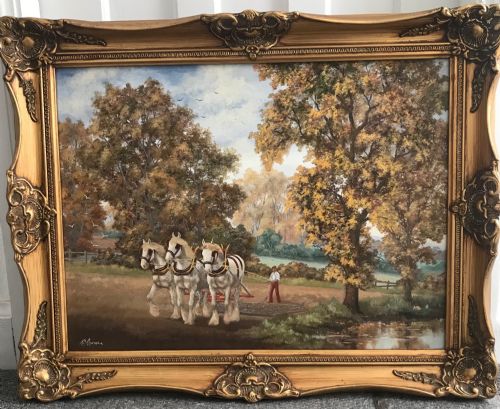
Subjects range from individual animal studies to broader hunting landscapes featuring horses and fox hounds. Each piece reflects the historical appreciation for equestrian subjects in British visual culture.
Materials and construction
These works are executed using traditional media, predominantly oil pigment on canvas or oil painting on board, alongside pastel on paper or similar supports. Canvases are frequently housed within wooden frames finished with gilt, gold leaf, or gilt wood.
The application of oil paint allows for subtle tonal gradations in depicting the musculature and coats of bay, grey, and chestnut horses. Pastel studies employ fine dry pigments to capture softer textures and immediate observational details.
Retail Price Guide 2026
Typical UK retail prices for vintage horse portrait, calculated from the Sellingantiques database of over a million retail prices indexed since 2003. This retail price guide relies exclusively on Sellingantiques data; no external sources or auction records are used, so the figures do not describe the wider market.
One hunting landscape cheekily includes a self-portrait of the artist tucked away on the verso.
Markers of distinction
Quality in a vintage horse portrait rests upon the anatomical precision and expressive depth achieved by the artist. Stronger examples demonstrate a sophisticated handling of light across the coat and a convincing rendering of bone structure and posture.
Provenance and attribution elevate certain pieces, particularly those bearing the hand of established Royal Academicians or documented sporting artists. The integration of period frames, especially those employing original gilt wood and gold leaf, further contributes to the overall integrity of the piece.
Albert Clark·Abraham Cooper RA
The Vintage Horse Portrait Glossary
- British School
- A term denoting artists trained or working within Britain, sharing stylistic conventions across generations. This designation groups together diverse painters influenced by national artistic traditions.
- Sporting Art
- A genre of painting dedicated to rural pursuits, equestrian subjects, and animals associated with field sports. These works balance artistic merit with accurate zoological observation.
- Gilt Wood
- Timber surfaces coated with a thin layer of gold leaf or metallic powder to create a decorative metallic sheen. This finish is commonly found on period frames enclosing nineteenth-century canvases.
- Pastel
- A dry painting medium consisting of powdered pigment and a binder, enabling delicate blending and soft lines. Pastels are typically protected beneath glass.
- Provenance
- The documented history of ownership and origin surrounding an artwork. A clear provenance helps establish authenticity and historical context.
Frequently Asked Questions
What periods do these portraits cover?
The available pieces span from the mid nineteenth century through to the mid twentieth century, capturing evolving approaches to sporting art.
Earlier works often reflect Victorian sporting conventions, while mid-century examples include both oil paintings and pastel studies.
Are the horses usually named?
Many portraits identify specific animals, such as named racehorses or individual hunters, adding a biographical dimension to the artwork.
Pastel studies and paintings are sometimes inscribed with titles or names like Worcester, Prince Regent, Hungry, or Tosca.
What framing do these paintings have?
Many works are presented in period wooden frames, frequently enhanced with gilt, gold leaf, or gilt wood details.
These traditional surrounds complement the nineteenth and twentieth-century origins of the canvases and boards.
How do oils and pastels differ?
Oil paintings utilise pigment suspended in drying oils on canvas or board, offering rich colour depth and durable surfaces.
Pastels consist of compressed dry pigment, providing a softer texture that is traditionally preserved beneath glass.