
Vintage Horse Painting
When you search for a vintage horse painting, you are looking for equine portraiture and sporting art that captures the character of the animal.
Vintage Horse Painting
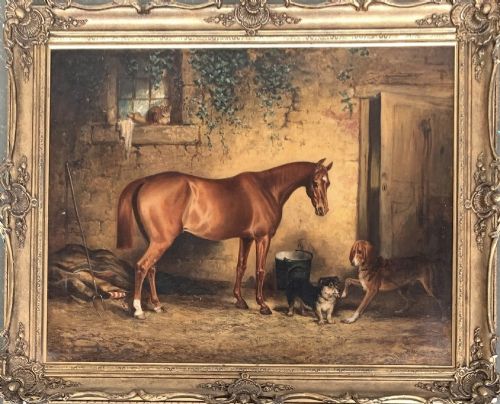
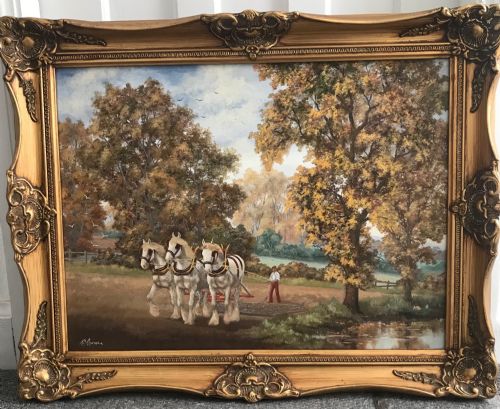
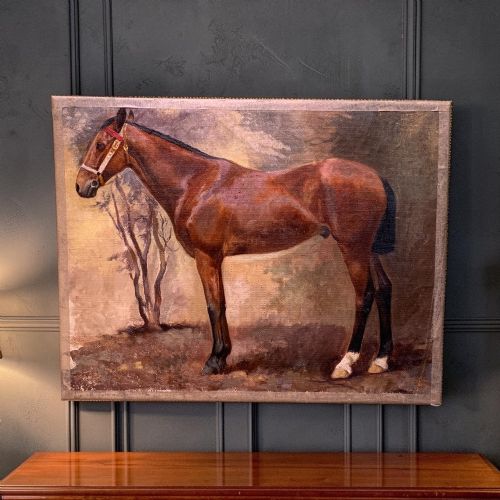
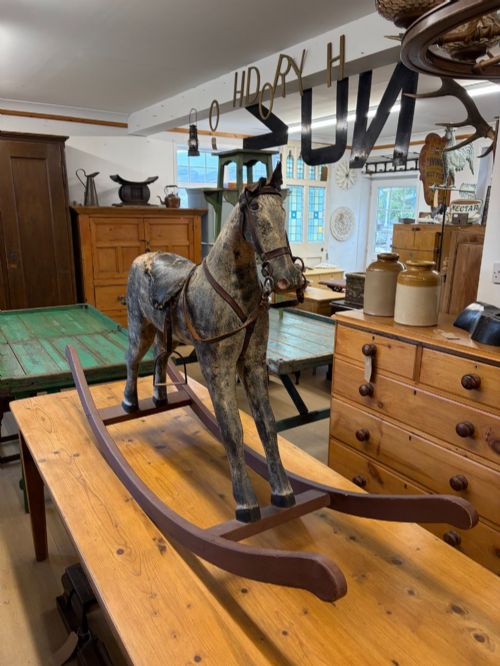
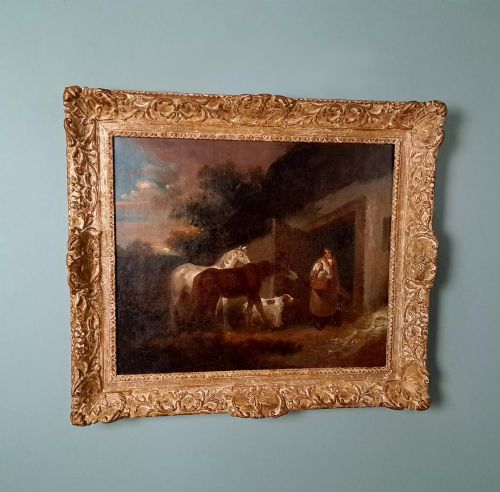
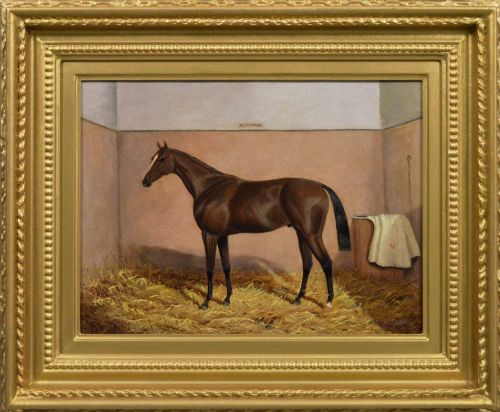
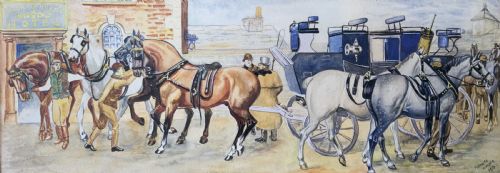
A vintage horse painting brings together equine portraiture, rural village life, and sporting art spanning the nineteenth century through the mid-twentieth century. The selection ranges from detailed oil paintings of individual racehorses and stable scenes to broader coaching landscapes and folk art expressions.
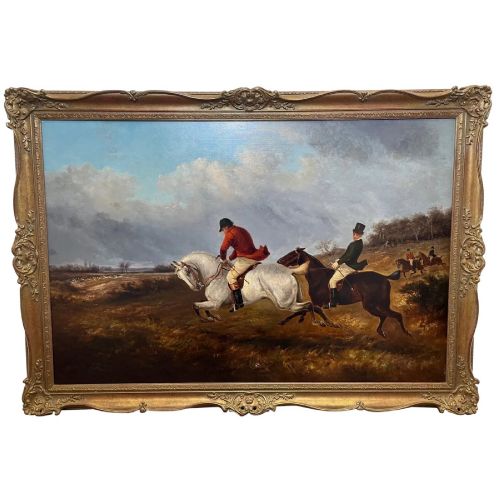
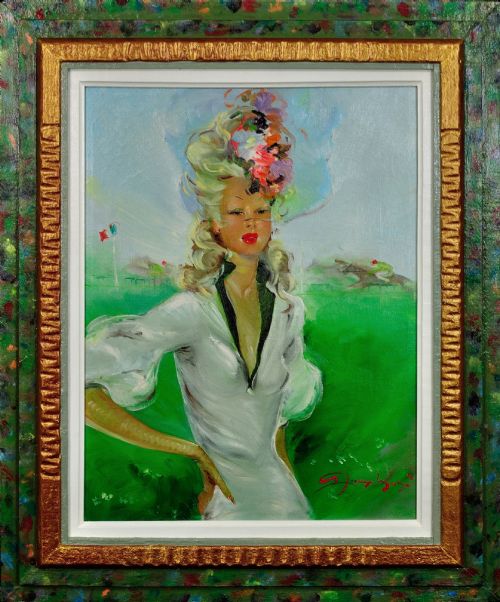
Buyers will encounter Victorian sporting art alongside Edwardian coaching scenes and mid-century modern interpretations. Works often depict specific subjects such as famous racehorses, ploughing horses in farmers' fields, and fox hunting expeditions.
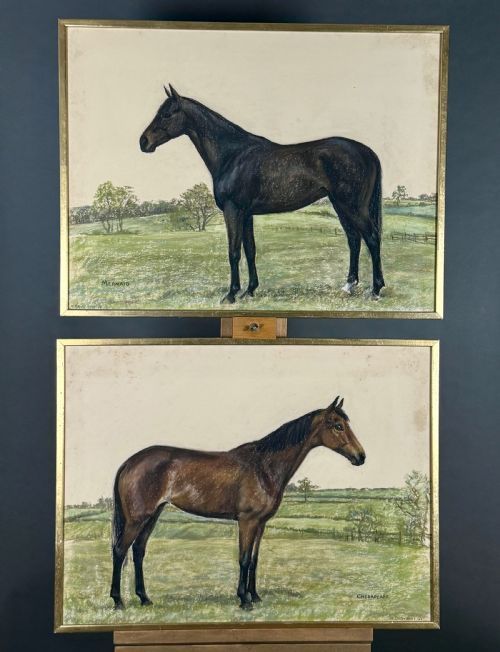
Beyond traditional canvas and board paintings, the category occasionally encompasses pastel studies on paper, watercolours, and related equestrian visual art. These pieces reflect diverse regional schools from British realists to French and Irish rural traditions.
How they were made
Artists predominantly worked with oil paint on canvas or wooden panel, building up rich layers to render the musculature and coats of the horses. Pastels on paper and watercolour washes were also utilised for softer equestrian studies and preparatory sketches.
Framing played an integral role in the presentation of these artworks, with many pieces housed in period wooden frames, including giltwood designs that complement the composition. Support materials range from stretched canvas to board and thick paper, often bearing the marks of their original creators through signatures and dates.
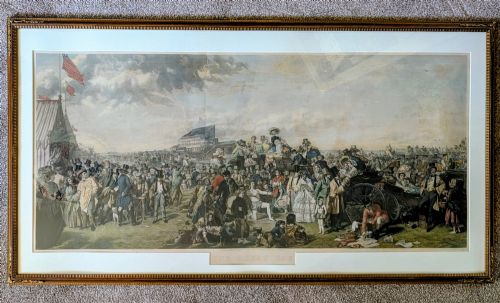
Several pieces capture the exact moment a horse named Spion Kop galloped to victory at the Epsom Derby.
What varies in quality
The anatomical accuracy and proportion in rendering the horse distinguish accomplished works from more rudimentary examples. Master painters capture tension in the muscles and light in the eye, whereas lesser pieces lack depth and anatomical precision.
Provenance and documentation elevate certain pieces, particularly when a painting identifies a named racehorse, a known winner, or carries signatures and exhibition history. The handling of background landscapes and stable interiors also contributes to the overall cohesion and success of the composition.
William Joseph Shayer Senior·Thomas Smythe·Frederick Albert Clark·Henry Barraud·Fred Fitzpatrick·Ernest Payne·Vernon DeBeauvoir Ward·Philip Rideout·Thomas Walker Bretland·Albert Ludovici Jnr
The Vintage Horse Painting Glossary
- Equine portraiture
- Artwork focused specifically on rendering the likeness and physical form of a horse. These portraits often recorded prized livestock, race winners, or beloved hunters for their owners.
- Sporting art
- A genre of painting dedicated to depicting rural sports, horse racing, hunting, and coaching scenes. It flourished in Britain throughout the nineteenth and early twentieth centuries.
- Giltwood
- Wood that has been coated with a thin layer of gold leaf or gold paint. Frames constructed in this manner frequently accompany period oil paintings.
- Pastel
- A dry painting medium consisting of powdered pigment and a binder, used on paper. It produces velvety textures well suited to soft equestrian studies.
- Provenance
- The documented history of ownership of an artwork, tracing its lineage from the artist or original estate to the present day.
Vintage Horse Painting: Frequently Asked Questions
How do I date a vintage horse painting?
Dating relies heavily on artist signatures, framing materials, and stylistic cues found within the composition. Clues such as the clothing of riders or the canvas preparation often point to specific decades like the Victorian era or the mid-century period.
Examining the reverse of the canvas or board can reveal old gallery labels, inscriptions, or stamps that provide further historical context.
What is the difference between an equine portrait and a hunting scene?
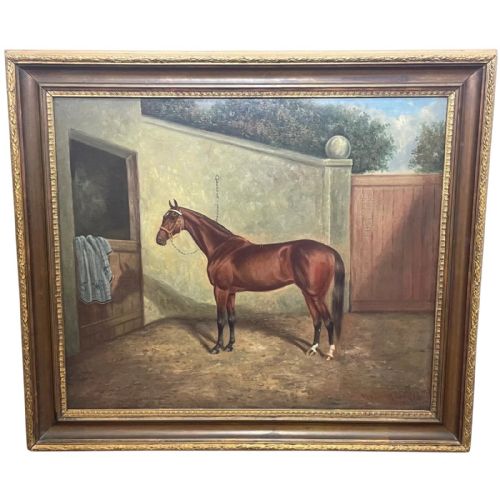
An equine portrait concentrates on a single animal, frequently showcasing a prized racehorse, stallion, or hunter either in a stable or standing in a landscape. These works celebrate the specific physical attributes and identity of the horse.
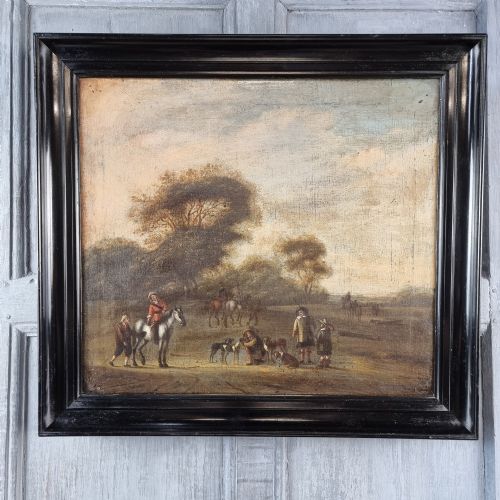
In contrast, a hunting scene captures dynamic action involving multiple horses, hounds, riders, and expansive countryside views, prioritising the narrative of the sport over an individual animal's likeness.
Where were most of these paintings produced?
The majority of the works originate from British and Irish traditions, reflecting the deep cultural roots of horse racing, hunting, and rural farming life in those regions. Other European schools, particularly French artists, also contributed distinct stylistic interpretations to the genre.
Regional variations appear in the handling of light and landscape, connecting the animals directly to their specific local environments.
How should I display an oil painting on canvas?
Oil paintings on canvas thrive in environments with stable humidity and temperature away from direct sunlight. Proper hanging ensures the structural integrity of both the canvas support and its original frame.
Allowing adequate wall space lets the detail of the brushwork and the depth of the horse's coat stand out without visual clutter.