



Coaching Art
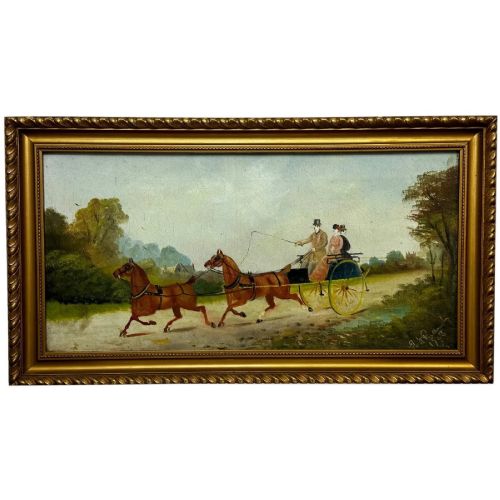
Coaching art captures the motion of historic road travel through paintings and panels that bring traditional British sporting life into a room.
Coaching Art
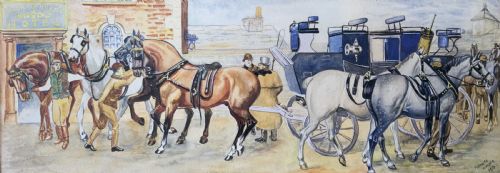
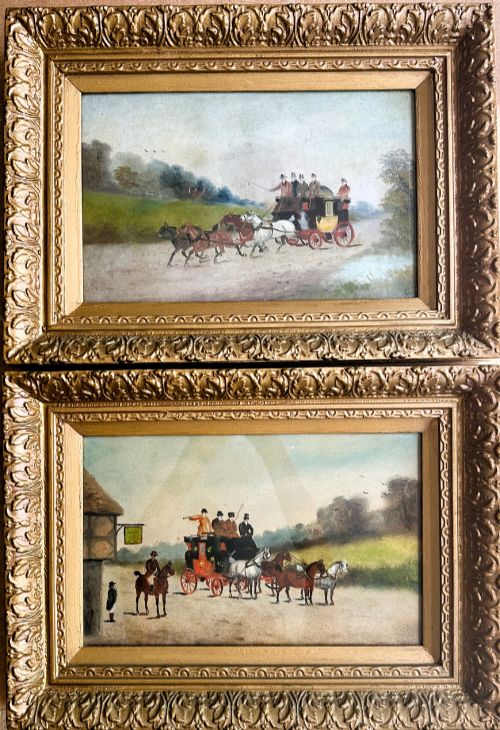
When you search for coaching art, you encounter oil paintings, watercolours and framed prints depicting mail coaches, stagecoaches and horses on the move. The pieces span periods from the nineteenth century into the twentieth century, alongside earlier Georgian and Regency examples.
You frequently meet detailed winter snow scenes, inn stops and roadside events rendered by named artists. Wall art and framed artwork dominate the selection, capturing the atmosphere of traditional British coaching routes and sporting scenes.
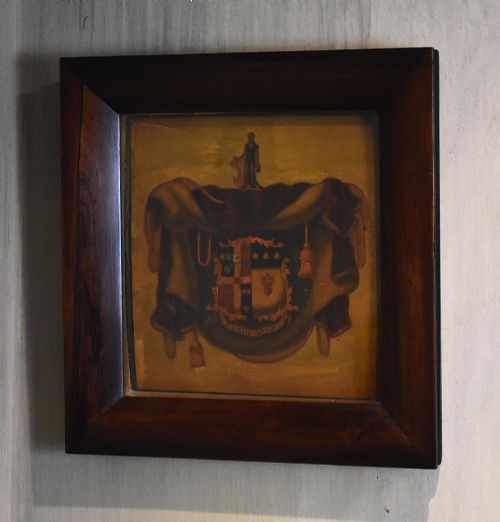
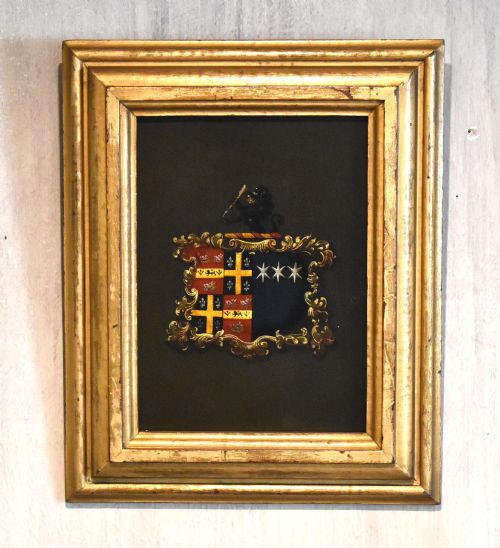
Beyond paintings, the category includes painted coach panels carrying heraldic coats of arms and specific folding tables designed for travel use. These objects reflect the practical and artistic heritage of horse-drawn transport across Britain.
Materials and techniques
Artists relied primarily on oil paint on canvas or panel, and watercolour on paper, to capture the texture of horses, snow and carriage woodwork. Frames often incorporate wood, oak, or giltwood, complementing the traditional subjects.
Several Victorian snow scenes capture passengers abandoning stuck mail coaches to seek warmth in nearby coaching inns.
Evaluating coaching art
Quality rests on the precision of the draughtsmanship in rendering horses, harness details and carriage proportions. The handling of atmospheric conditions, such as snowstorms or crisp daylight, distinguishes accomplished artists from routine practitioners.
Provenance and clear attribution to recorded equine and sporting painters elevate a piece significantly. The integrity of the original framing, surface preservation and the clarity of the painted narrative determine the standing of each work.
Philip Rideout·George Wright·Philip Henry Rideout·Samuel Henry Alken·John Charles Maggs·John Richard Worsdale·Frank Dadd·John Atkinson·Martin Pierre Denis·James Pollard
The Coaching Art Glossary
- Coaching art
- Depictions of horse-drawn mail and stagecoaches, typically set against landscapes, inns or winter weather. These works form a distinct branch of traditional British sporting art.
- Reverse glass painting
- An image applied directly to the back of a glass sheet so the front provides a glossy protective finish. This technique requires the artist to paint foreground details before background elements.
- Coach panel
- A wooden panel, frequently bearing heraldic arms or crests, originally mounted on the side of a carriage. Such panels were often preserved as decorative wall pieces.
- Sporting art
- Fine art dedicated to equestrian subjects, hunting, coaching and field sports. This genre flourished in Britain throughout the eighteenth and nineteenth centuries.
Coaching Art: Frequently Asked Questions
What subjects appear in coaching art?
Paintings show mail coaches, stagecoaches, horses changing at inns, and carriages navigating winter snowstorms. Heraldic panels and coaching tables also feature.
Scenes often record specific English and Scottish locations, coaching inns and equestrian meets.
How do I date a coaching painting?
Dating relies on costume details, carriage design, artist signatures and exhibition records. Nineteenth-century works often show distinct mail coach uniforms and vehicle styling.
Comparative style with known sporting artists provides a reliable guide to the period of execution.
Where should I hang coaching art?
These works suit libraries, studies and hallways where traditional British sporting subjects complement period interiors. Framing in oak or giltwood matches standard nineteenth-century display.
Keep pieces away from direct sunlight to protect watercolours and oil surfaces from fading.
What is a coaching table?
A folding wooden table designed for portability during travel and coaching journeys. They typically feature sturdy frames and timber construction such as oak or mahogany.
Surviving examples serve as practical occasional tables in modern interiors.