





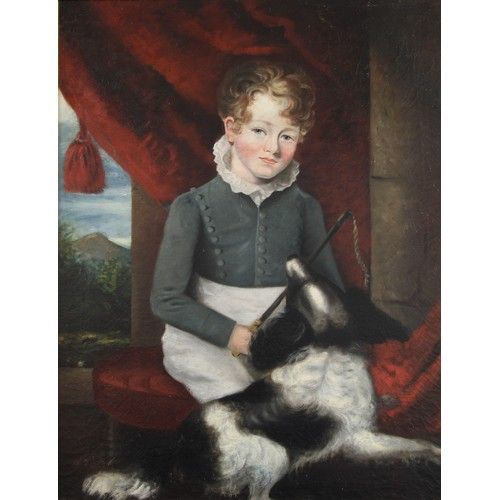

Regency Equestrian Painting
A regency equestrian painting captures the spirit of the period through oil on canvas and watercolour works depicting horses, riders, and rural scenes.
Regency Equestrian Painting
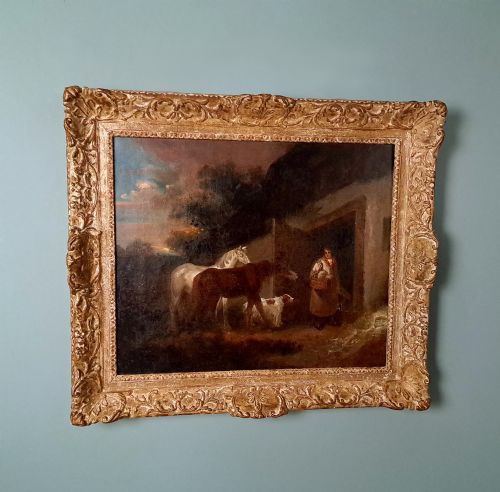
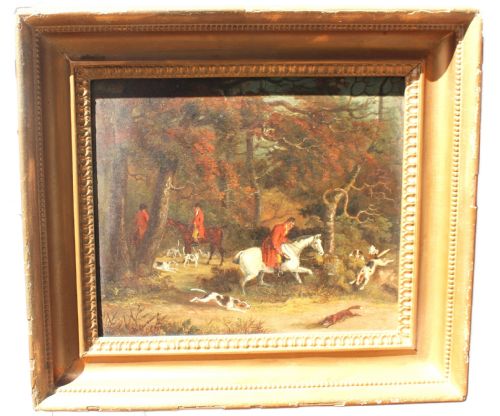
When you search for a regency equestrian painting, you encounter works dating from the 19th Century, Georgian, and Regency eras that focus on horses, hunting scenes, and rural landscapes.
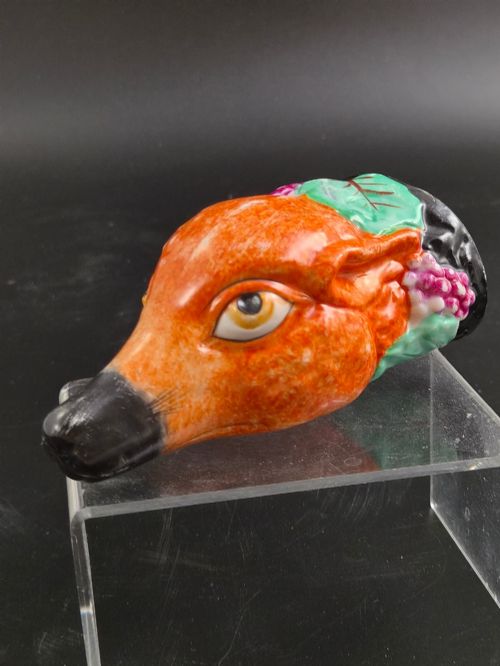
The pieces on this page include oil paintings on canvas as well as watercolours on paper, alongside related items such as porcelain stirrup cups and painted papier-mâché trays.
Many of these works portray specific animals in river landscapes, stables, or coaching settings, reflecting the artistic focus of British Sporting Art and 19th-Century British Pastoral styles.
Judging quality in these works
Quality rests in the precision of the brushwork and the anatomical accuracy of the horse and rider within the landscape.
The distinction between standard works and superior examples lies in the depth of the background scenery and the reputation of the named artist.
Regency Equestrian Painting Retail Price Guide 2026
Typical asking prices for regency equestrian painting among the pieces listed under this phrase on Sellingantiques today, from the lower quarter to the upper quarter. They describe what is for sale here now, not the wider market.
Even a humble papier-mâché tray could find itself pressed into service as a canvas for a galloping hunt scene.
Royal Staffordshire Porcelain·William Joseph Shayer Senior·John Ferneley Senior·John Augustus Atkinson·Clifton Tomson·John Nost Sartorius·James Barenger·Samuel John Egbert Jones·Jennens and Bettridge·Harry Ashby
The Regency Equestrian Painting Glossary
- Regency
- A period in British history spanning the early 19th Century, noted for distinct architectural and artistic developments. It influences the styling found in many paintings and decorative objects of the time.
- Canvas
- A heavy woven fabric used as a surface for oil paintings. Painters stretch it over a wooden frame before applying their pigments.
- Watercolour
- A painting method where the paints are made of pigments suspended in a water-based solution. Artists typically apply these onto paper.
- Papier-mâché
- A composite material consisting of paper pieces or pulp, sometimes reinforced with textiles, bound with an adhesive. Manufacturers shaped it into trays before painting and lacquering the surface.
Regency Equestrian Painting: Frequently Asked Questions
What subjects do these paintings show?
These works depict horses, grooms, hunting scenes, coaching events, and rural landscapes. They often capture specific animals in stable or river settings.
Some pieces also record military subjects, such as hussars in combat, alongside portraits featuring riding crops and dogs.
How do I identify the period of a painting?
Dating relies on stylistic elements, costume details of the riders, and the framing or canvas preparation. Reference to the early 19th Century or Georgian eras provides a baseline.
Signatures, inscriptions, and artist attributions also help place the work within the Regency timeframe.
Are all pieces oil paintings?
While oil on canvas is common, the selection includes watercolour paintings on paper. Other mediums such as painted porcelain and decorated papier-mâché trays also appear.
Each medium reflects the diverse decorative and fine art output of the 19th Century.
How should I care for an oil on canvas?
Keep the canvas away from direct sunlight and fluctuating humidity to protect the oil paint and wood stretcher. Gentle dusting with a soft, dry brush maintains the surface.
Avoid using water or cleaning solvents on the paint layer or the gold leaf frame.