


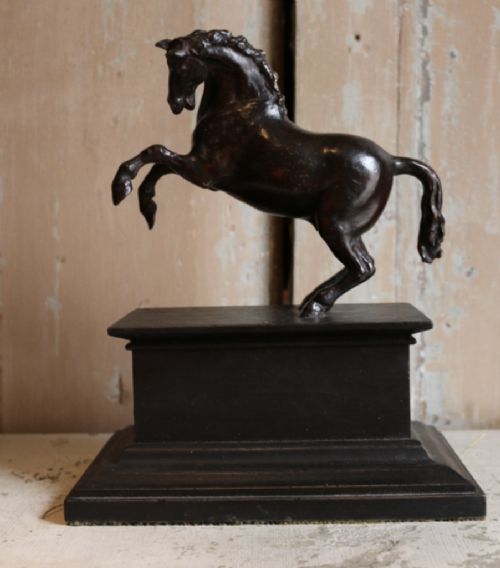

Vintage Horse Figurine
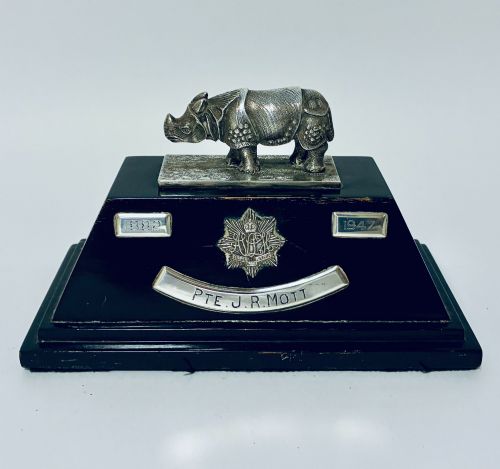
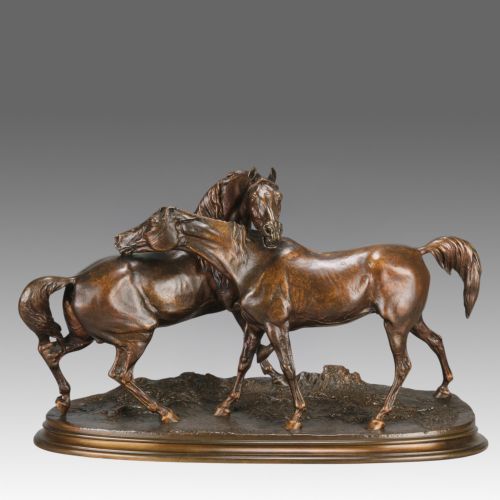
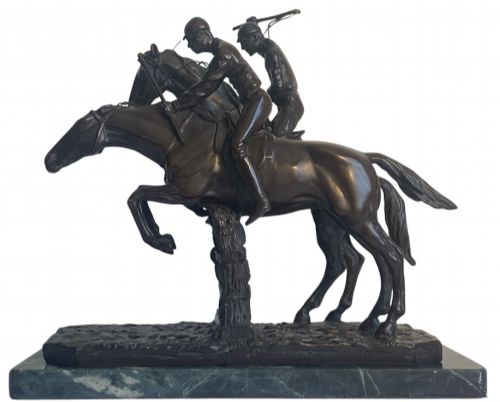
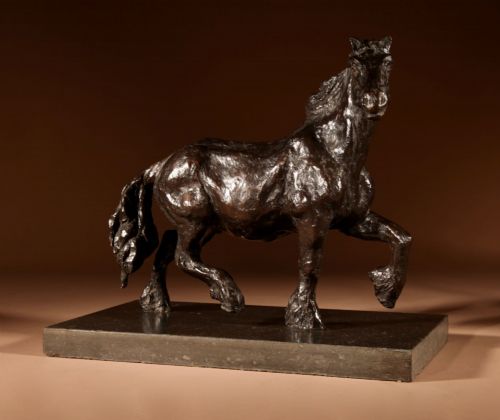
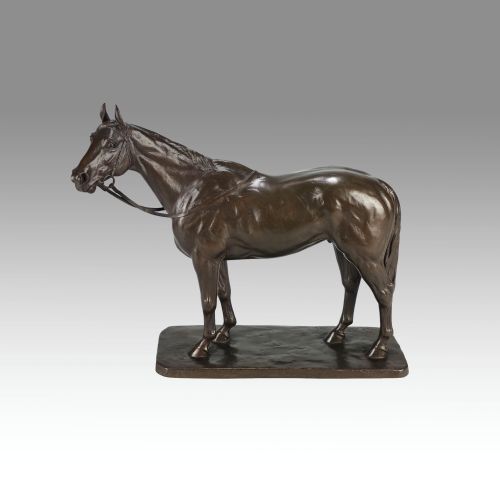
A vintage horse figurine captures equine form in bronze, wood, brass, and earthenware, bringing dynamic motion and character to a desk or mantelpiece.
Vintage Horse Figurine
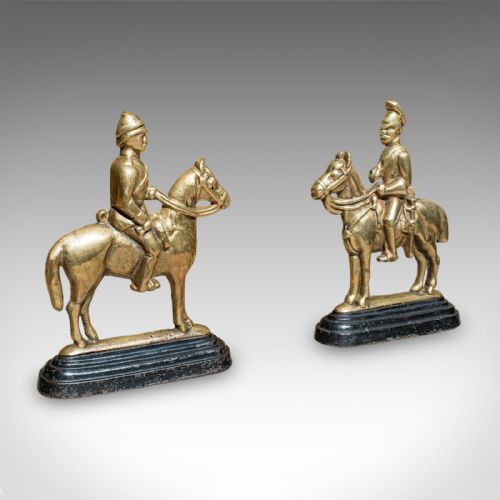
A vintage horse figurine encompasses sculptural representations ranging from functional brass doorstops to finely cast bronze models and folk art carvings. When exploring this phrase, buyers encounter pieces spanning the Victorian era through the mid-twentieth century, reflecting diverse international traditions.
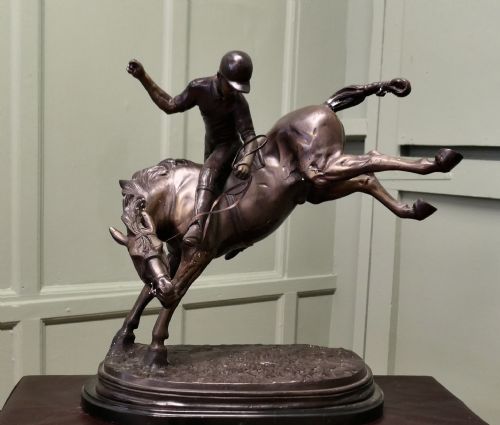
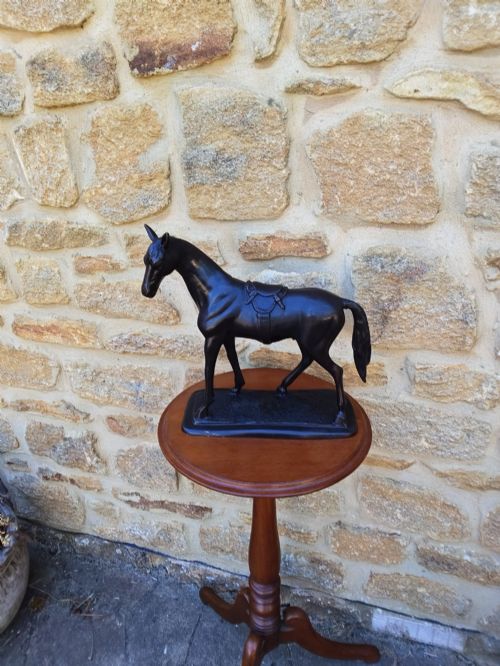
The selections on this page heavily feature bronze and brass castings, alongside carved wood models and earthenware figures. Makers from British, French, Italian, and Asian workshops utilised these materials to capture drafting horses, racing thoroughbreds, and equestrian riders.
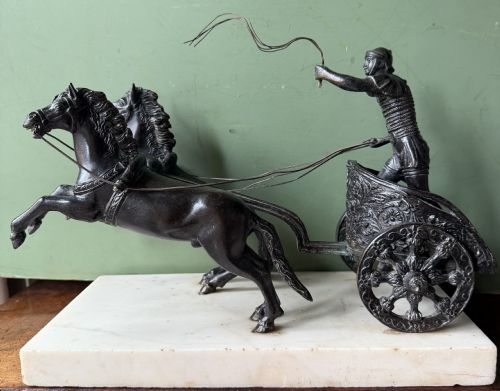
Forms vary from grand Grand Tour souvenirs and Grand National presentation trophies to modest folk art models and decorative bookends. Each object represents an era's particular fascination with equine anatomy and equestrian sport.
How they were made
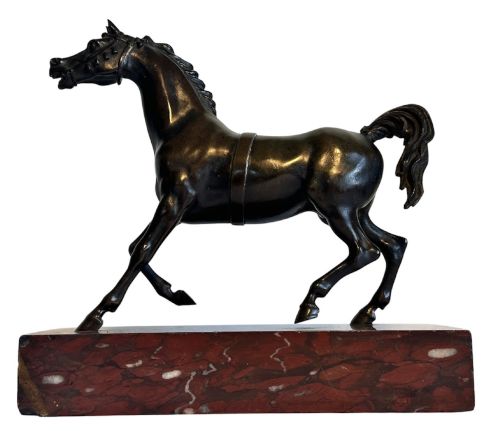
Metal castings dominate the selection, utilising bronze and brass shaped through traditional foundry methods often finished with applied patinas or gilding. Marble plinths frequently support heavier bronze groups, anchoring the dynamic compositions.
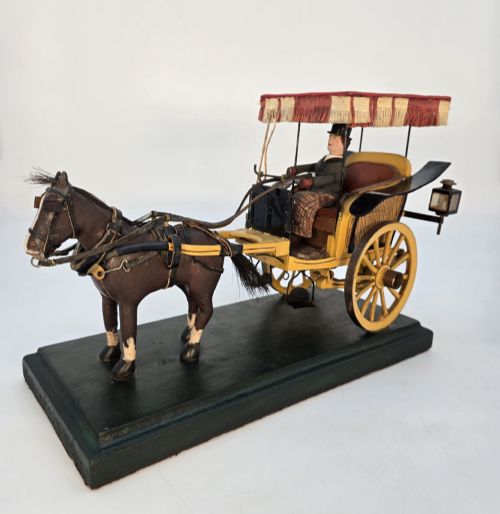
Carved wooden examples rely on hand-tooling techniques, utilising native timbers to shape detailed sinews and flowing manes in folk art traditions. Earthenware and pottery pieces combine moulded clay bodies with glazes like Sancai or traditional enamel paints.
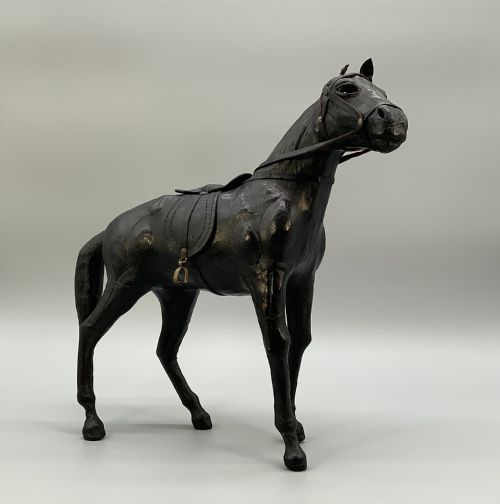
Leather-bound models employ stretched hide over structural armatures, showcasing an alternative tactile approach seen in Arts and Crafts and mid-century design. Each technique dictates the surface texture and structural weight of the finished sculpture.
Materials in these listings range from traditional cast bronze and marble to carved wood, brass, and glazed earthenware.
What varies in quality
The degree of anatomical precision and muscular definition separates superior castings and carvings from simpler commercial output. Finer pieces capture tension in the legs and movement in the head with exact observation.
Surface finish and patina contribute significantly to a piece's visual depth, with carefully applied dark or golden tones enhancing the underlying metalwork. Secondary mounts, such as veined marble bases, also indicate the tier of the original commission.
The distinct touch of a named workshop or studio elevates a piece beyond anonymous decorative ware, demonstrating superior artistic intent and foundry skill.
P J Mêne·Jules Bonheur·Kunio Itô·Franz Bergman·Liberty And Co·Royal Dux
The Vintage Horse Figurine Glossary
- Animalier
- A nineteenth-century artistic movement dedicated to the realistic portrayal of animals, particularly horses and lions, often cast in bronze.
- Grand Tour
- A traditional trip through Europe undertaken by upper-class travellers, yielding small bronze souvenirs of classical sculptures and architectural monuments.
- Patina
- The surface coloration and sheen developed naturally over time or applied chemically by a founder to accent the metallic contours of a bronze.
- Sancai
- A three-colour glaze tradition originating in Chinese pottery, frequently utilised on moulded ceramic horse figures.
- Doorstop
- A heavy utilitarian object, commonly cast in brass or iron, designed to hold doors open while doubling as decorative sculpture.
Vintage Horse Figurine: Frequently Asked Questions
What periods do these horse figures come from?
The selection includes pieces created across the nineteenth and twentieth centuries, spanning Victorian, Edwardian, Art Deco, and mid-century aesthetics.
Earlier items often reflect Grand Tour traditions or strict Animalier realism, while later decades introduce modernist stylings and folk art interpretations.
How were brass and bronze horses displayed?
Many metal horses were mounted directly onto heavy marble bases or stone plinths to provide stability for rearing or active postures.
Smaller figures functioned as desk ornaments, bookends, or specialised presentation trophies won at equestrian events.
Are wooden horse sculptures hand carved?
Folk art and traditional models typically feature hand-carved wooden construction, utilising local timbers to achieve distinctive textures.
Some pieces incorporate leather stretched over frames, reflecting specific Arts and Crafts methods of the period.
What materials are most common?
Bronze and brass form the majority of the metal sculptures, often accompanied by marble, wood, and earthenware bodies.
Glazes, paints, and gilt surfaces appear across ceramic and metal pieces to add colour and highlight fine anatomical details.