
Vintage Horse Canvas Art
Vintage horse canvas art brings together centuries of equine portraiture, sporting scenes, and rural landscapes painted in oil.
Vintage Horse Canvas Art
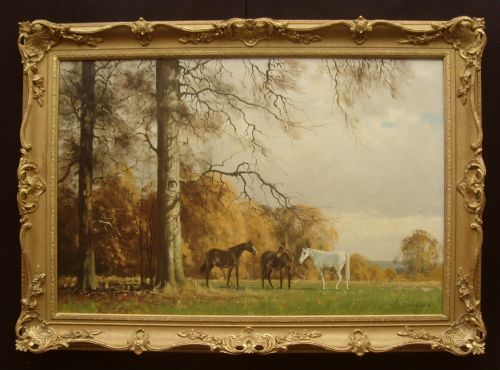
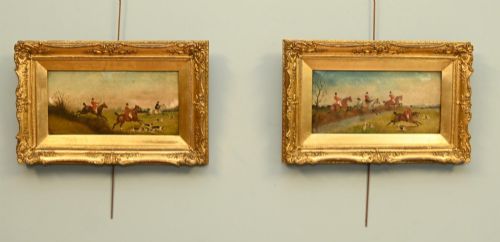
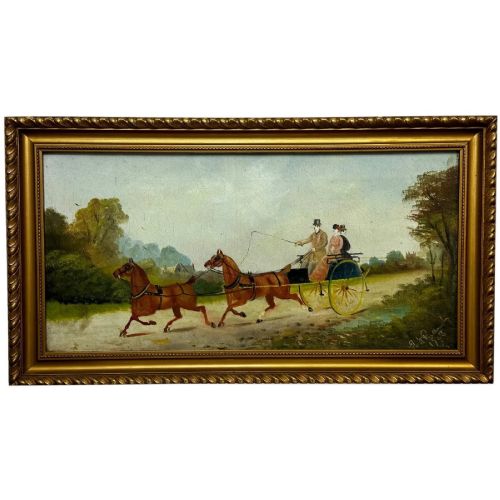
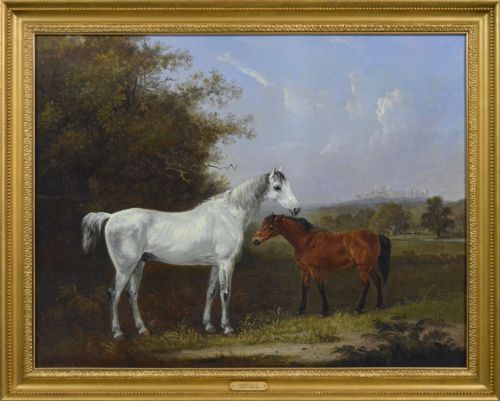
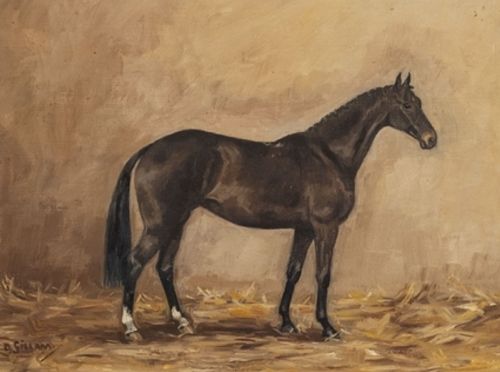
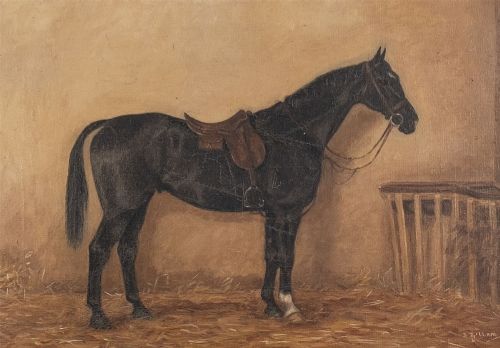
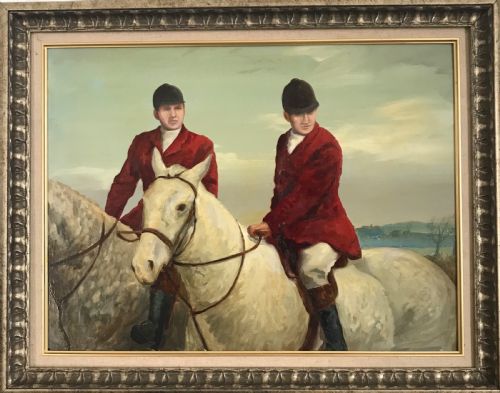
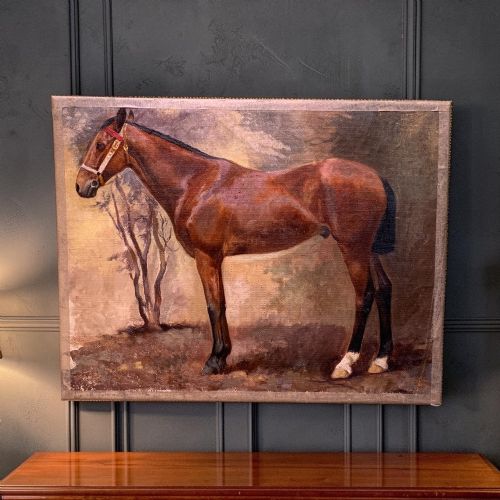
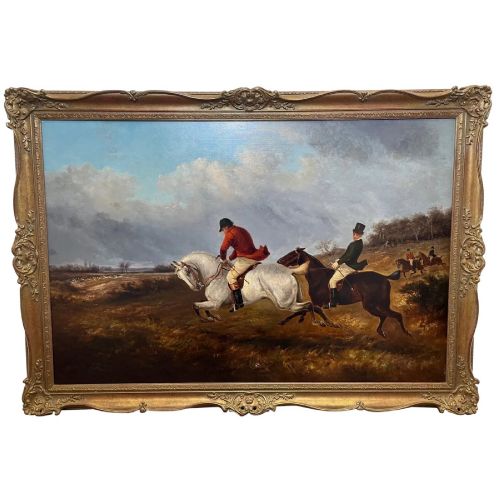
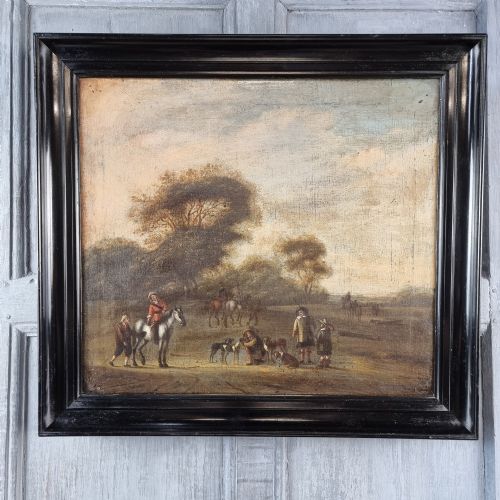
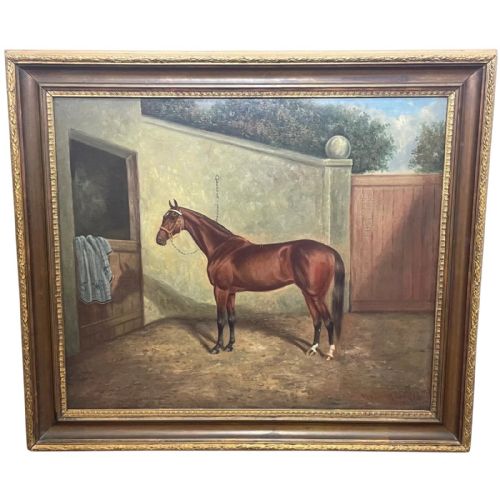
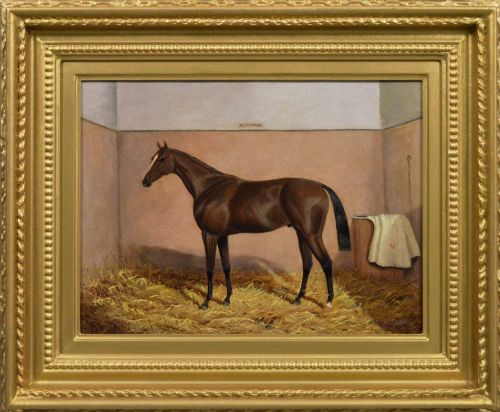
Vintage horse canvas art encompasses oil paintings of bay hunters, racehorses, shire horses ploughing fields, and foxes with hounds set within landscapes or stables.
Most pieces met on this page date from the Victorian period through to the mid-20th century, capturing individual named horses, local winners, and rural working animals.
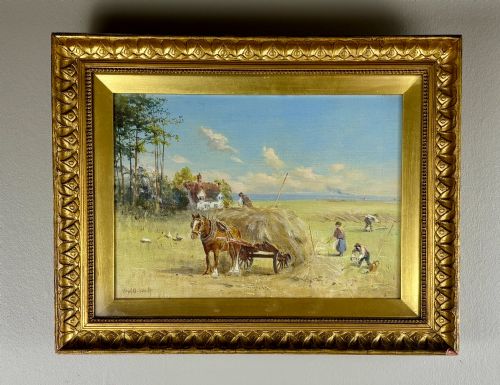
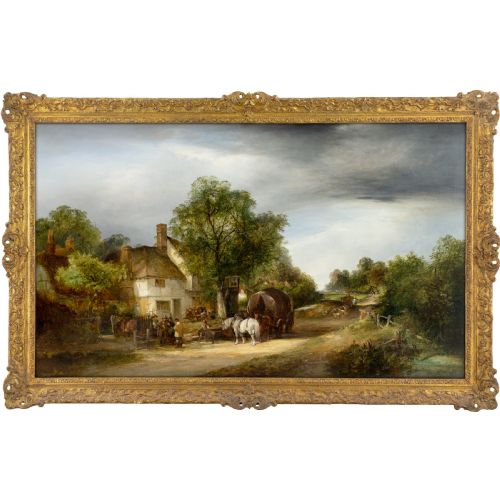
The subjects range from formal equine portraits by sporting artists to atmospheric rural village life paintings featuring hay wagons and coaching scenes.
Canvas, oil paint, and wood framing
These works are painted in oil paint on woven canvas stretched over wooden frames, often housed within period giltwood or wooden frames.
The technique relies on the layering of oil paint to render the muscular form of the horse, the texture of the coat, and the light within stables or open fields.
Buffalo Bill occasionally shares the canvas with a grey horse.
Anatomical precision and painterly handling
Quality rests upon the artist's command of equine anatomy, perspective, and the liveliness of the brushwork in capturing movement or stillness.
Works by established sporting painters demonstrate superior draughtsmanship in rendering the specific conformation of a racehorse or hunter compared to anonymous studio pieces.
Henry Barraud·Thomas Smythe·Albert Clark·Thomas Walker Bretland·George Wright
The Vintage Horse Canvas Art Glossary
- Bay
- A horse colour characterised by a reddish-brown body with a black mane, tail, and lower legs. This coat colour appears frequently in traditional equine portraits.
- Giltwood
- Wood carved and covered with a thin layer of gold leaf or gold paint. Frames of this material often accompany 19th-century oil paintings.
- Equestrian
- Pertaining to horses, horse riding, or horse racing. In art, this denotes subjects featuring horses, riders, and racing scenes.
- Equine
- Relating to horses. The term describes the primary subject matter of these canvas paintings.
Vintage Horse Canvas Art: Frequently Asked Questions
What periods do these paintings come from?
The pieces span from the 17th century through the Victorian and Edwardian eras up to the mid-20th century. Many date from the 19th century and the decades leading to the 1960s.
Earlier works often feature named racehorses and formal portraits, while later 20th-century pieces capture ponies in stables or rural landscapes.
How do I identify the horse in the painting?
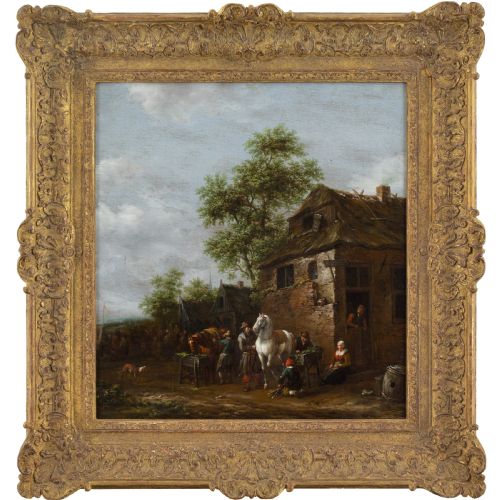
Many paintings include inscriptions on the canvas or frame naming the horse, such as Spion Kop, Flying Fox, or Grisette. Some works record specific events like the Epsom Derby or locations such as Nantwich and Bombay Stables.
Artist signatures and dated inscriptions also help connect the work to historical racing records and sporting art archives.
How were these canvas paintings displayed?
These works were traditionally hung in country houses, estate offices, and sporting clubs within heavy giltwood or carved wooden frames. The frames were chosen to complement the dark tones of the oil paint and the interior decor of the period.
Today, they suit traditional studies, living rooms, and hallways where period oil paintings create a focal point.
What subjects are most common?
The most frequent subjects are individual portraits of racehorses and hunters standing in stables or paddocks. Other common motifs include fox hunting scenes, coaching inns, shire horses ploughing, and race meetings.
Landscapes with horses working in rural fields or children with childhood ponies also appear across the mid-20th century works.