
Vintage Horology
Vintage horology gathers timepieces from pocket watches to carriage clocks, offering mechanical precision housed in period materials like silver, brass, and mahogany.
Vintage Horology
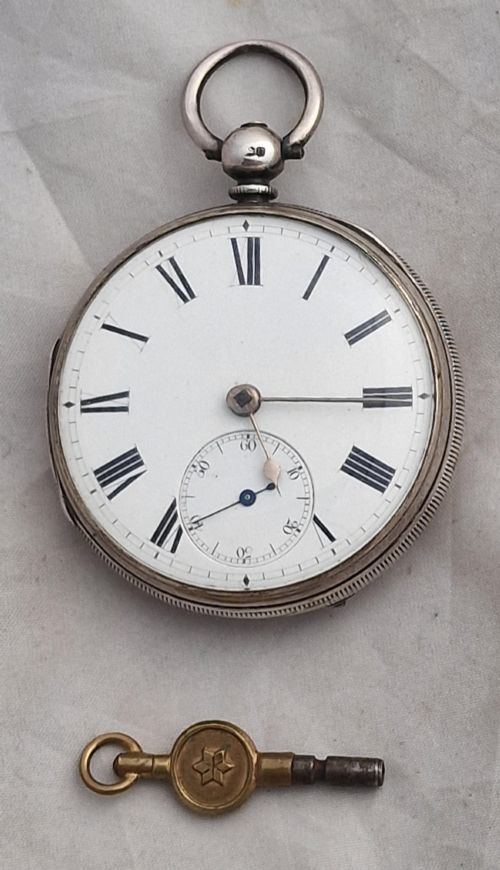
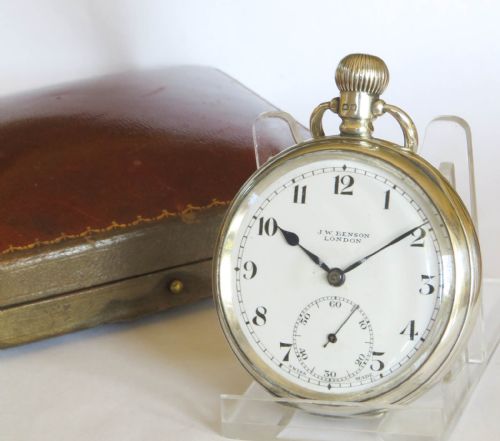
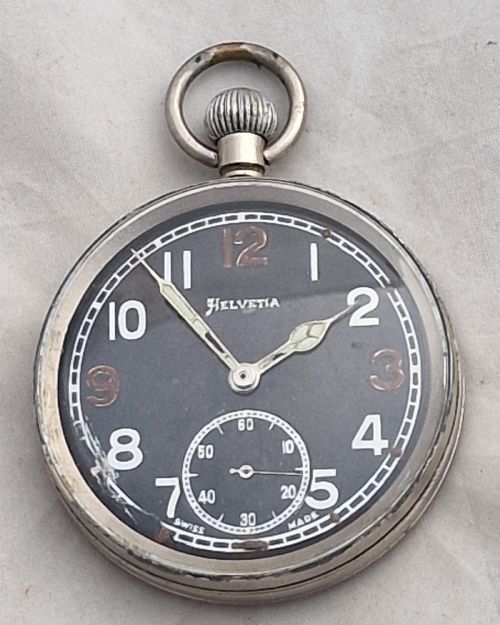
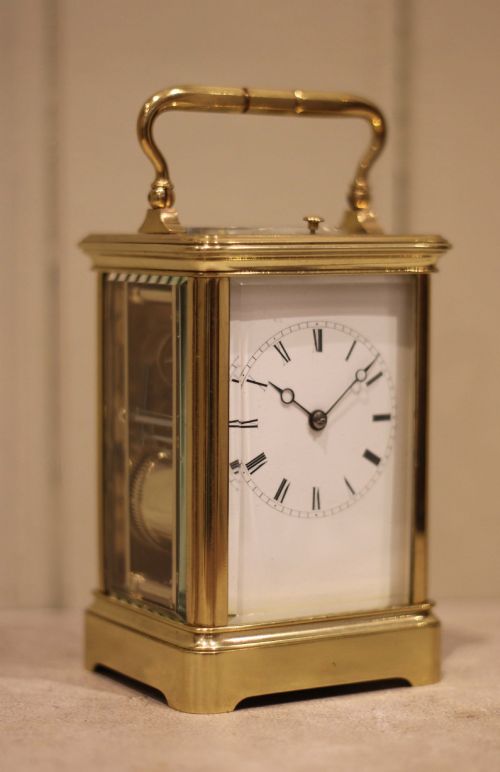
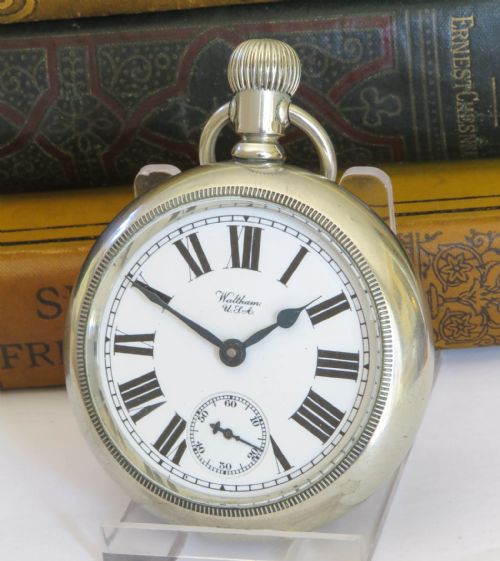
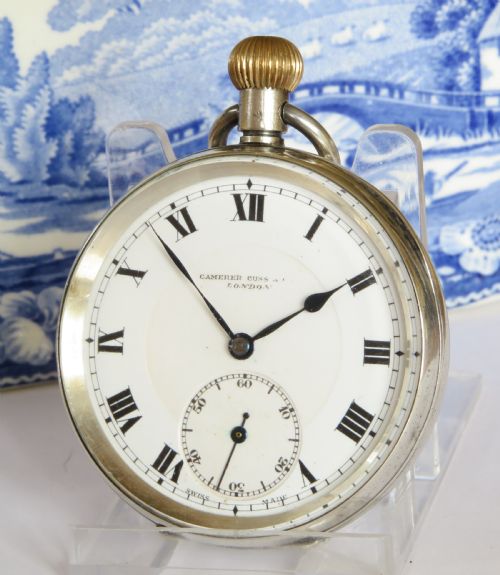
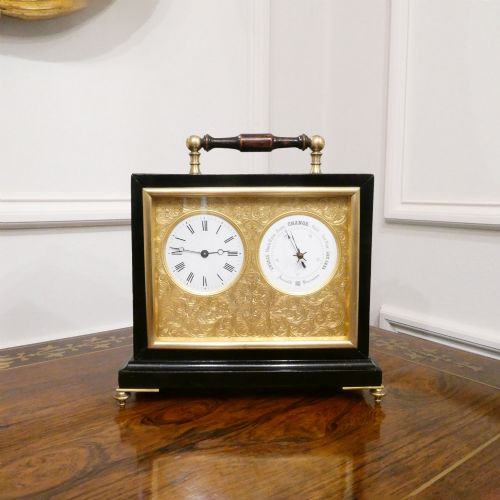
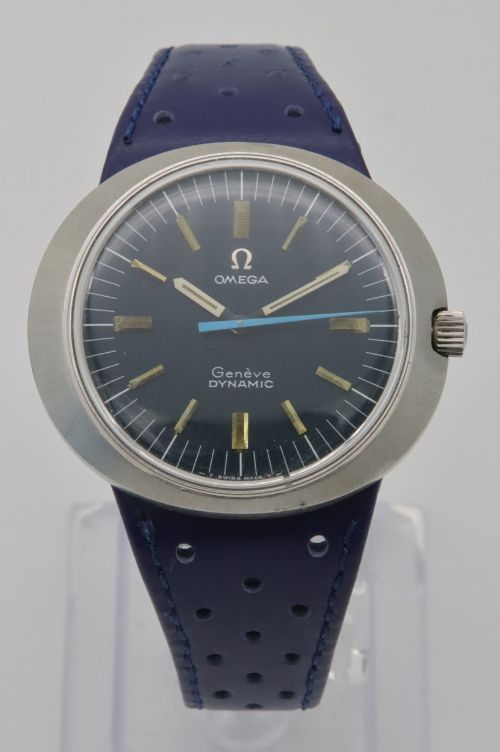
Vintage horology encompasses portable timekeepers and stationary clocks spanning the Victorian, Edwardian, and mid-century eras. Pocket watches dominate the selection, alongside carriage clocks, mantel pieces, and wall clocks.
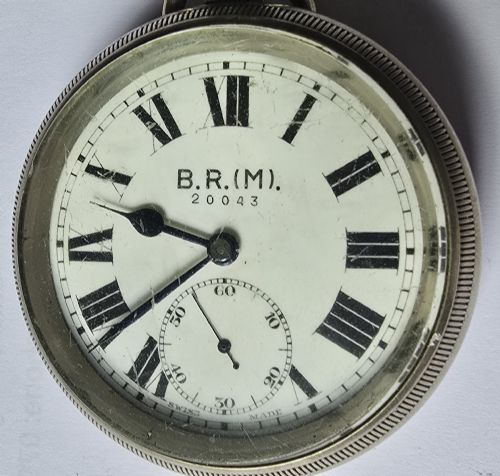
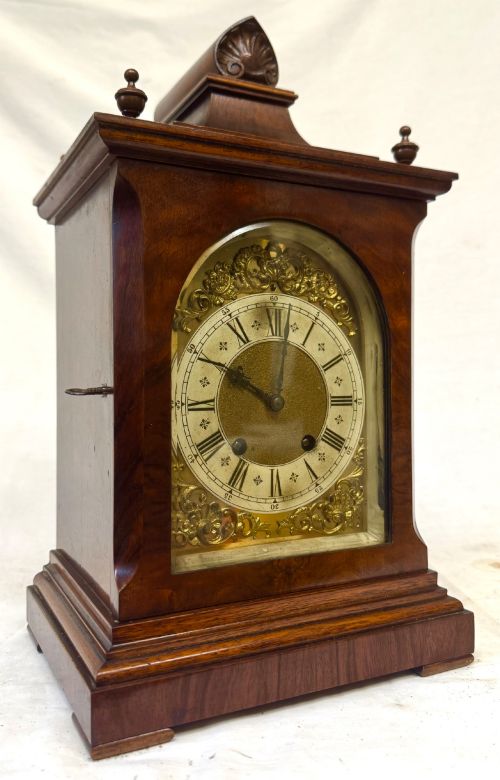
Buyers encounter items ranging from military issue pocket watches and railway timekeepers to decorative bracket clocks. Most pieces originate from British and European workshops active during the nineteenth and twentieth centuries.
Materials and construction
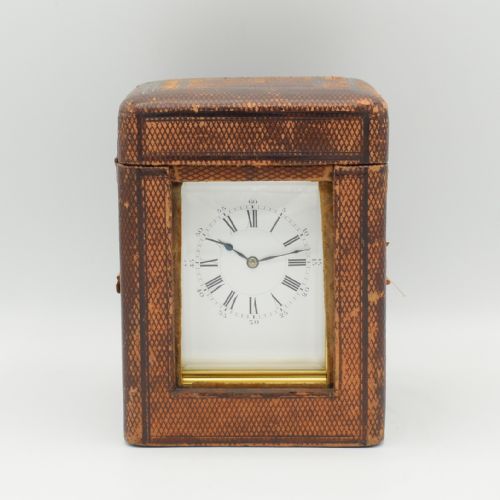
Cases utilise metals such as silver, brass, gunmetal, and steel, paired with glass dials and occasionally leather travel cases. Wooden enclosures feature mahogany, walnut, oak, and burr walnut veneers.
Movements rely on mechanical escapements, fusee mechanisms, and lever systems assembled by hand. Dials incorporate enamel for numerals and markings, supported by brass backplates and finely geared components.
Listings feature periods from the Georgian era through the 1950s, utilising materials such as silver, brass, mahogany, and enamel.
Quality factors
Distinction lies in the complexity of the movement, such as repeating complications, fusee drives, or calendar moonphase displays. Hand-finished engraving on plates and balance cocks signals superior workshop output.
The integrity of the case construction, matching components, and legible enamel dials distinguish standard production timepieces from those produced by premier makers.
J W Benson·Lenzkirch·Henri Jacot·Mappin & Webb·Lange & Sohne
The Vintage Horology Glossary
- Fusee
- A conical pulley used on older timepieces to maintain even tension on the chain as the mainspring unwinds.
- Carriage clock
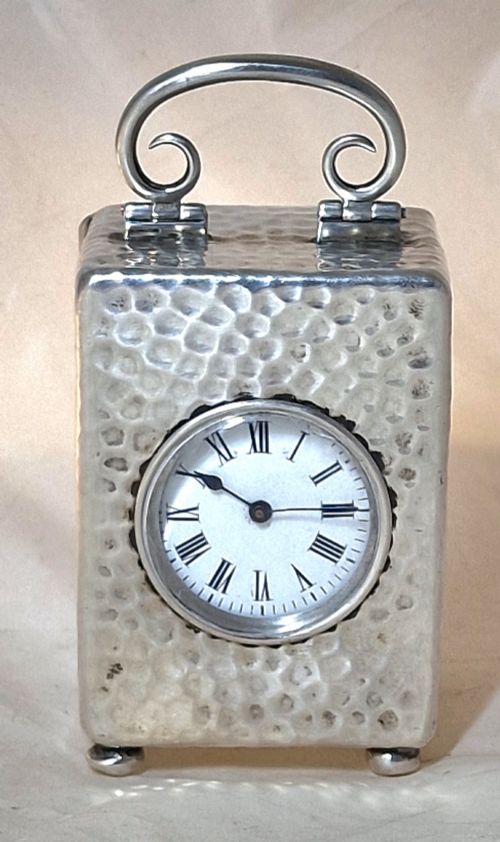
- A small, spring-driven clock designed for travel, typically fitted with a carrying handle and glass panels.
- Escape wheel
- A tooth-wheeled component in a clock or watch movement that works with the lever or anchor to control the release of power.
- Half hunter
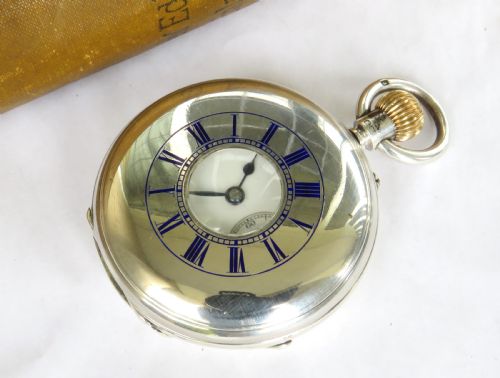
- A pocket watch case featuring a glass or open centre in the front cover, allowing time reading without opening the lid.
- Bracket clock
- A portable table clock historically placed on a wall bracket or furniture surface.
Vintage Horology: Frequently Asked Questions
How do I wind a mechanical pocket watch?
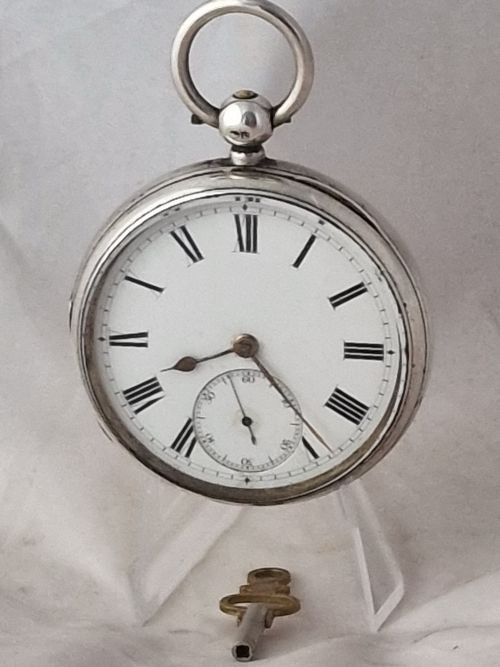
Wind the crown gently clockwise between your thumb and forefinger until you feel resistance. Stop immediately to avoid over-tensioning the mainspring.
Keep the watch flat while winding to protect the internal arbors and balance staff from lateral strain.
What is the difference between a carriage clock and a mantel clock?
Carriage clocks are compact, portable timepieces enclosed in brass frames with bevelled glass panels and top handles. They were originally built for travel.
Mantel clocks sit stationary on furniture surfaces, housed in substantial wooden cases made from walnut, oak, or mahogany.
How do I identify the period of a clock?
Examine the case timber, dial style, and movement architecture alongside any hallmarked silver components. Victorian and Edwardian pieces often display distinct casework proportions compared to Georgian or mid-century examples.
Maker signatures and engraved serial numbers on the movement backplate provide further chronological markers.
Where should I place a wall dial clock?
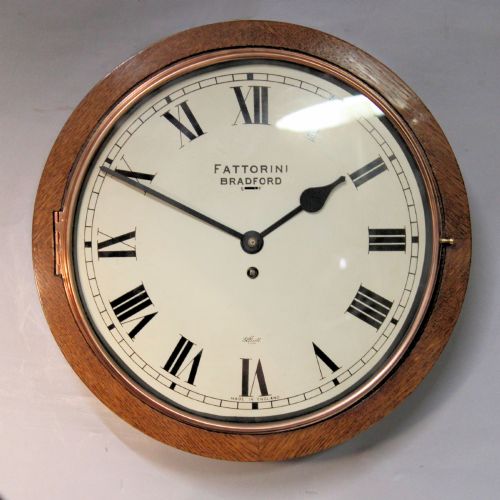
Hang wall clocks on interior partitions away from direct sunlight, dampness, and major temperature fluctuations. Secure them directly to wall studs using appropriate fixings.
Ensure the wall surface is flat so the pendulum or lever escapement beats evenly without binding.