




Vintage Horology Timekeeper
A vintage horology timekeeper brings mechanical precision into a room, offering the steady tick of pocket watches and carriage clocks built to last.
Vintage Horology Timekeeper
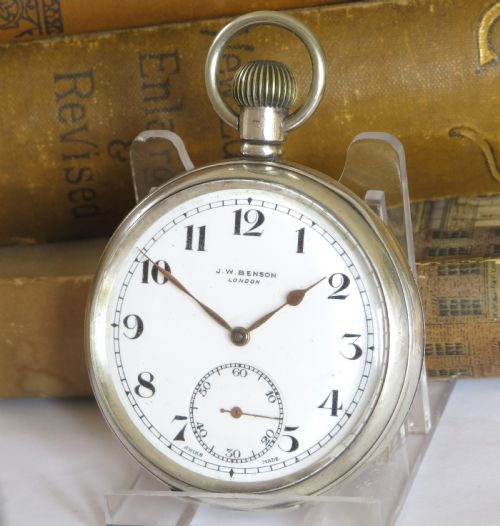
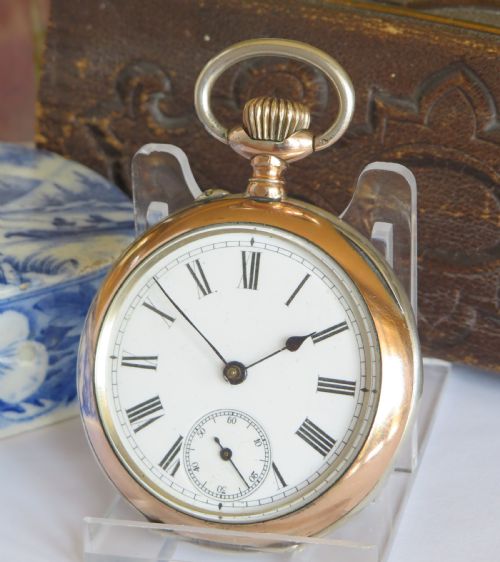
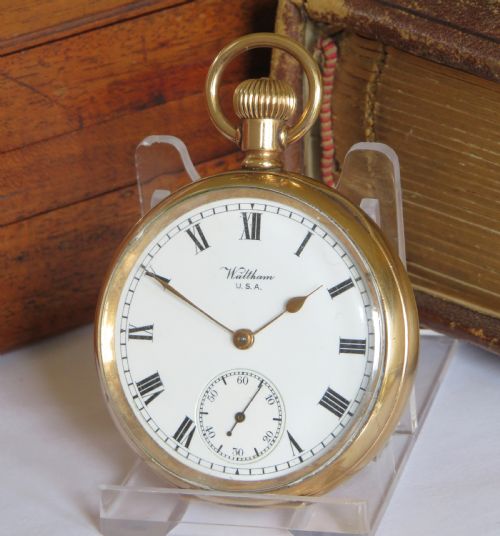
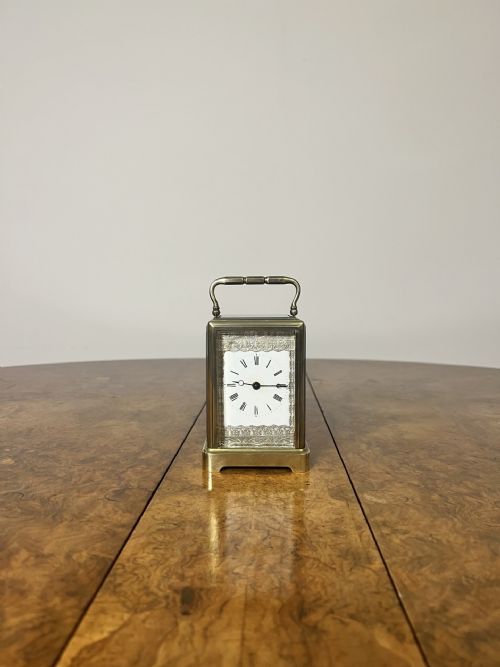
A vintage horology timekeeper covers mechanical clocks and portable watches spanning the nineteenth and twentieth centuries. Buyers seeking these items encounter brass carriage clocks, railway pocket watches, and wooden wall timepieces.
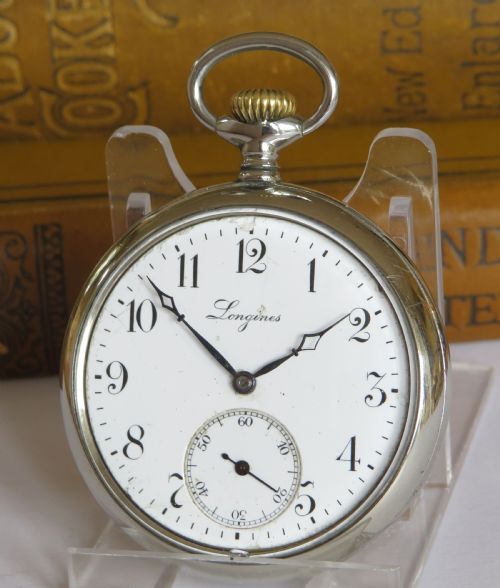
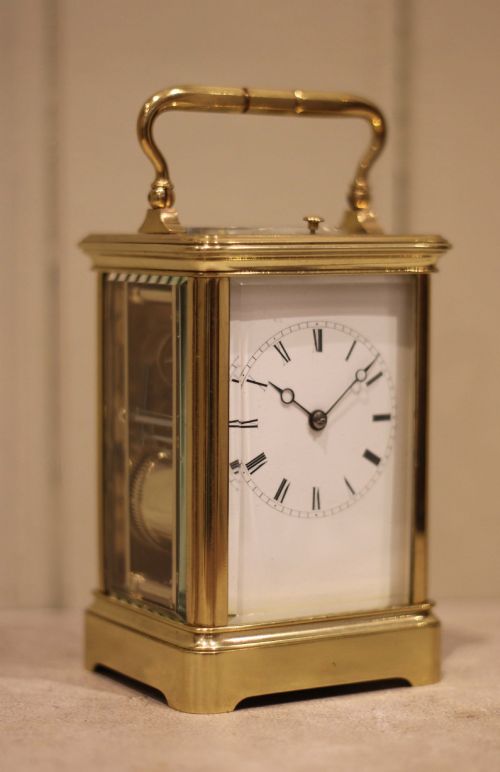
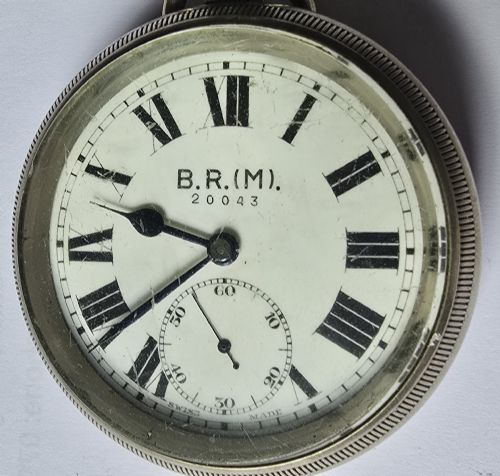
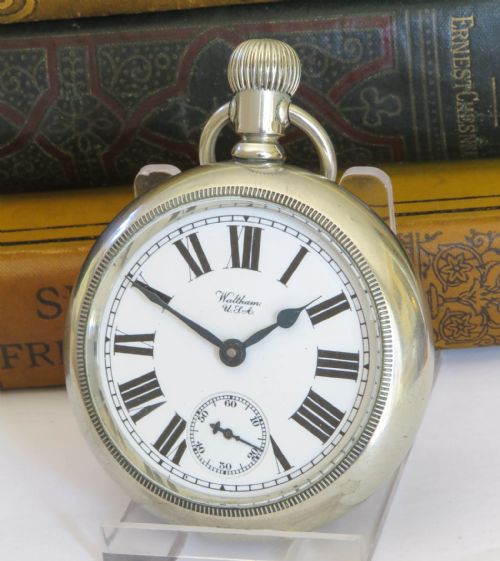
The selection on this page relies heavily on French carriage clocks housed in brass corniche cases and British or Swiss pocket watches from the Victorian, Edwardian, and Art Deco eras.
How they were made
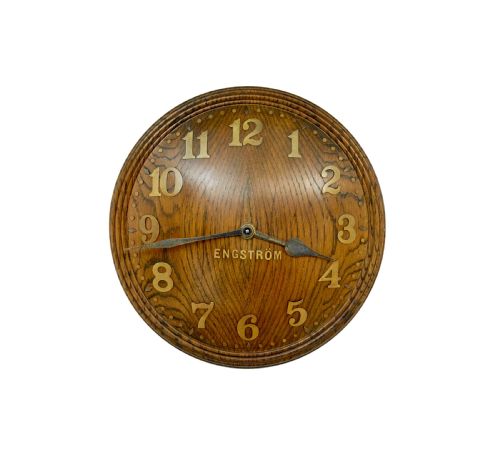
Cases combine polished brass, gilt brass, silver, steel, and occasionally horn or oak, enclosing intricate gear trains driven by mainsprings. Glass panels often protect the dial and expose the escapement within carriage clocks.
Dials utilise enamel with painted Roman or Arabic numerals, paired with delicate blued steel hands. Movements depend on manual winding, sometimes incorporating striking and repeating mechanisms.
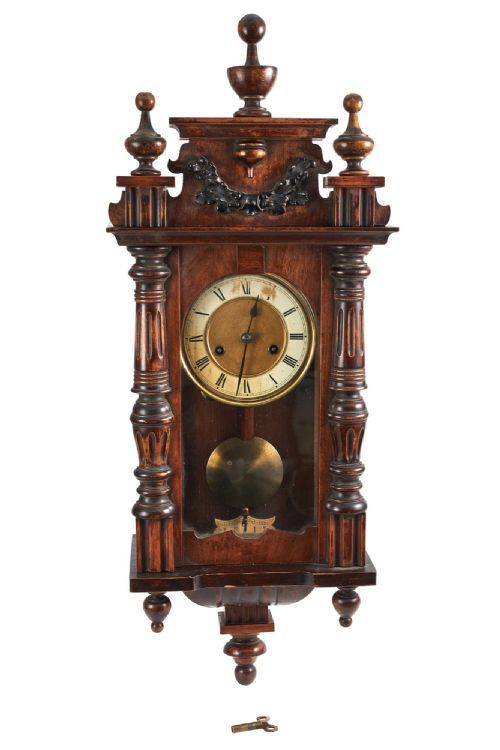
Object types include carriage clocks, wall clocks, pocket watches, and ships wheel clocks from French, Swiss, and British makers.
What varies in quality
The standard of a timekeeper depends on the complexity of its movement, distinguishing simple time-only pieces from those with alarm, striking, or repeating functions. Maker reputation and case finishing also elevate certain examples.
Solid gilt brass framing, signed enamel dials, and original fitted leather cases set superior pieces apart from standard utility items.
J W Benson·Dwerrihouse And Bell·J Batson And Son·Bourdin Paris·Zenith
The Vintage Horology Timekeeper Glossary
- Carriage clock
- A portable spring-driven clock designed for travel during the nineteenth century. These feature glass panels in brass frames to view the movement.
- Repeater
- A mechanism in a clock or pocket watch that chimes the hours and quarters on demand when a lever is pressed. This complication requires advanced horological skill.
- Corniche case
- A rectangular brass carriage clock case with rounded columns at the corners and a flat top and bottom. It represents a standard French form.
- Escapement
- The internal mechanism that controls the release of power to maintain the motion of the clock or watch. It converts continuous force into regulated impulses.
Vintage Horology Timekeeper: Frequently Asked Questions
How do I wind a carriage clock?
Insert the key into the appropriate square arbor on the backplate and turn it gently until resistance is felt. Avoid over-winding to protect the mainspring.
Ensure you support the clock securely by its handle when moving it after winding. Most eight-day movements require a steady weekly routine.
What is a repeating carriage clock?
A repeating clock sounds the last elapsed hour and quarter-hour when a button or cord is activated on the case. This allowed users to check the time in the dark.
These striking trains involve complex gear arrangements separate from the standard timekeeping train.
How do I date a pocket watch?
Examine the movement for serial numbers, maker signatures, and hallmarks stamped inside the silver or gold case. These marks connect the watch to specific assay offices and active production years.
Matching the case style and dial typography provides additional clues to the era of manufacture.
Where were carriage clocks made?
The majority of fine carriage clocks originate from workshops in Paris, France, dating from the nineteenth century. Makers exported these portable timepieces across Europe and Britain.
Some British makers also retailed or produced specialised models during the Victorian and Edwardian periods.