


Vintage Railway Watch
A vintage railway watch carries the heavy timekeeping heritage of the lines, built for punctuality across the network.
Vintage Railway Watch
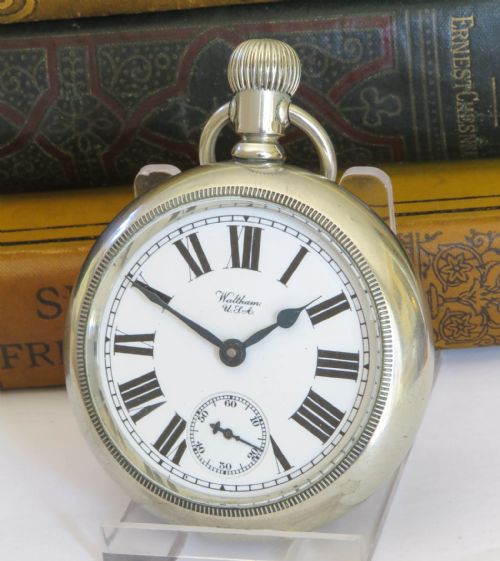
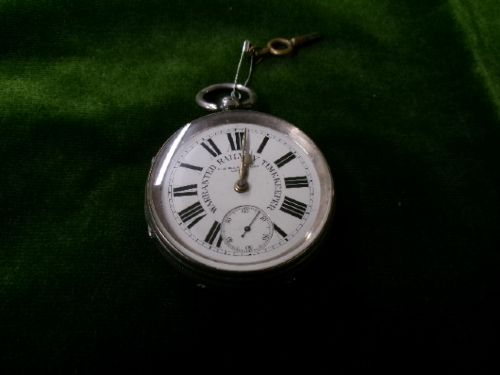
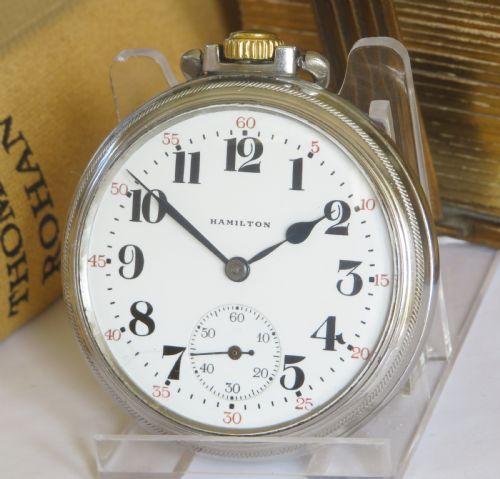
A vintage railway watch represents the precision timekeeping tools issued to station masters, guards, and engine drivers across historic British networks. These portable timepieces range from Victorian silver pocket watches bearing specific regional railway company stamps to mid-century issues.
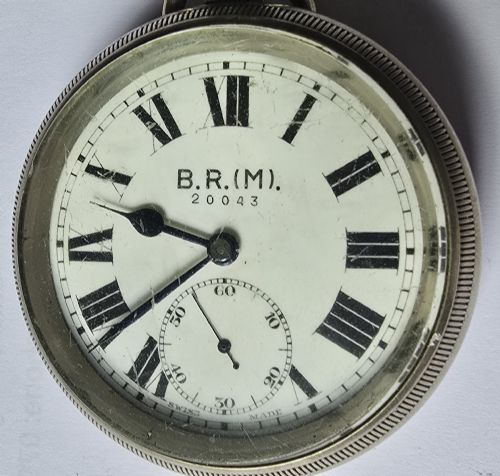
The selections span pocket watches stamped for companies such as the British Rail Midland Region, the South Eastern and Chatham Railway, and the Great Northern Railway, alongside larger round dial wall clocks. Pocket watch formats predominate, often accompanied by issue numbers and engraved company initials directly on the metal cases.
Origins stretch from the late Victorian period through the Edwardian era into the mid-twentieth century, capturing shifts in railway administration and transport history. Collectors encounter both mass-produced utilitarian models and specific maker-signed pieces from firms associated with railway contracting.
What Varies in Quality
Quality rests in the legibility and preservation of the enamel dial, the crispness of engraved railway company inscriptions, and the integrity of the metal case. Clear company lettering such as specific regional issue numbers elevates the historical documentation of the piece.
The presence of original maker signatures on the dial or movement, combined with documented historical associations to particular lines like the Taff Vale Railway or North British Railway, defines the standing of individual examples.
Listings span from the Victorian period through 1950, recording materials from sterling silver and brass to glass and enamel.
H W Bedford London·Anglo Swiss Watch Co·Elgin·John Walker·Hamilton
The Vintage Railway Watch Glossary
- Pocket Watch
- A portable timepiece designed to be carried in a waistcoat pocket, frequently secured with a chain. These formed standard equipment for railway staff needing accurate timekeeping.
- Enamel Dial
- A fused glass powder surface applied to a metal dial plate, fired to create a smooth, durable white face with painted numerals. It provides high contrast for quick reading.
- Sterling Silver
- A precious metal alloy consisting of silver and other metals for added strength, used for high-grade watch cases bearing traditional hallmarks like those from Chester.
- Round Dial Wall Clock
- A large circular timepiece designed for station interiors or offices, often framed in mahogany and built for stationary visibility rather than personal transport.
- Issue Number
- An engraved number stamped onto a watch case or dial linking the specific instrument to a worker or station within a designated railway network.
Vintage Railway Watch: Frequently Asked Questions
How do I date a railway watch?
Dating relies on engraved railway company names, specific issue numbers, and hallmarks stamped onto the metal cases.
Changes in corporate ownership and regional grouping eras, such as pre-1922 or pre-1925 markers, help narrow the production window.
What materials are common in these watches?
Casings are typically fashioned from nickel, brass, steel, silver-tone metal, or solid sterling silver for durability.
Faces feature glass crystals protecting enamel dials designed for maximum readability under difficult working conditions.
Were these watches used by drivers or station masters?
Both, along with guards and other operational personnel who required synchronised time across the rail network.
Specific pieces carry inscriptions denoting station master or guard assignments alongside company abbreviations.
What is the difference between a pocket watch and a station clock?
Pocket watches are portable personal timepieces issued to individual staff members for on-the-move scheduling.
Station clocks are larger wall-mounted fixtures housed in mahogany surrounds for public and staff timekeeping inside buildings.