

Vintage Hearth Guard
These vintage hearth guard pieces keep rooms safe and tidy, offering brass, copper and iron protection built across the nineteenth and early twentieth centuries.
Vintage Hearth Guard
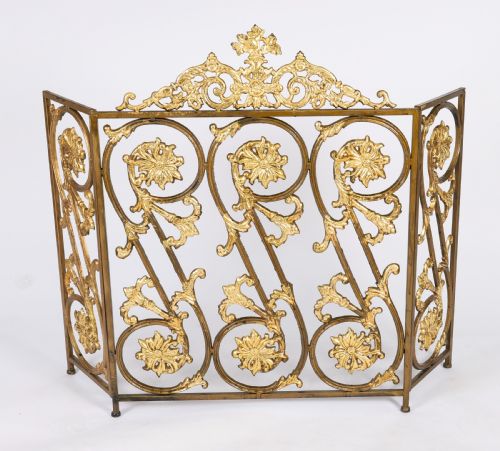
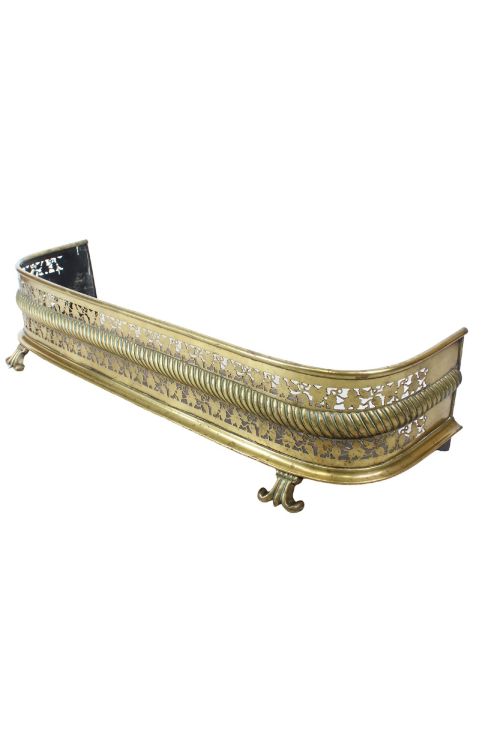
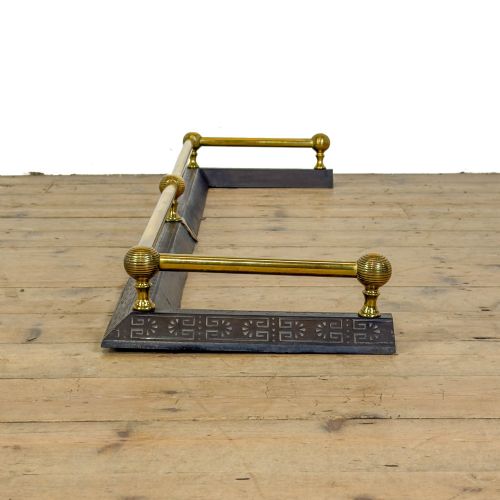
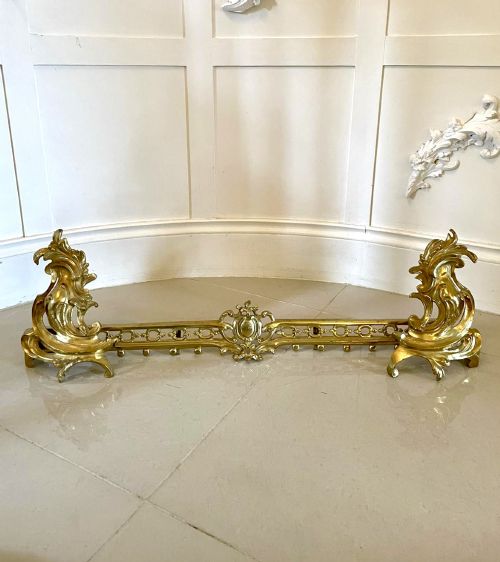
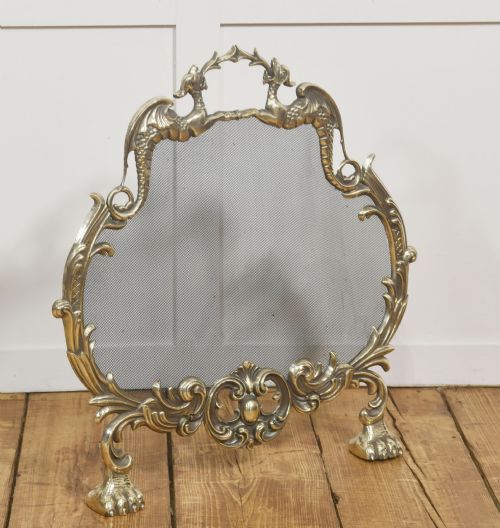
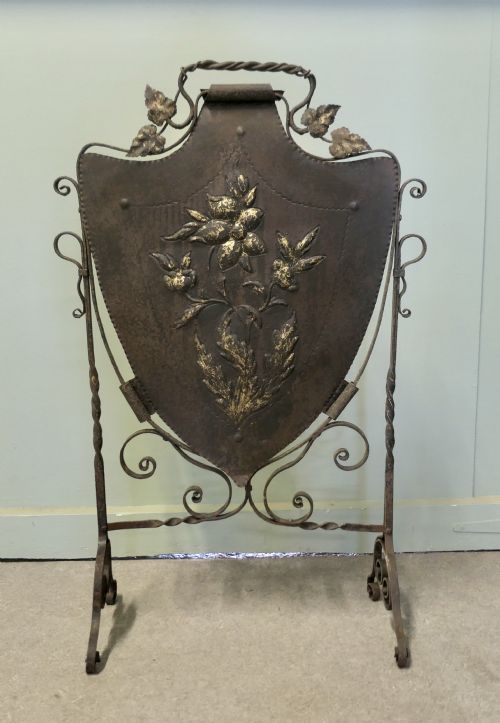
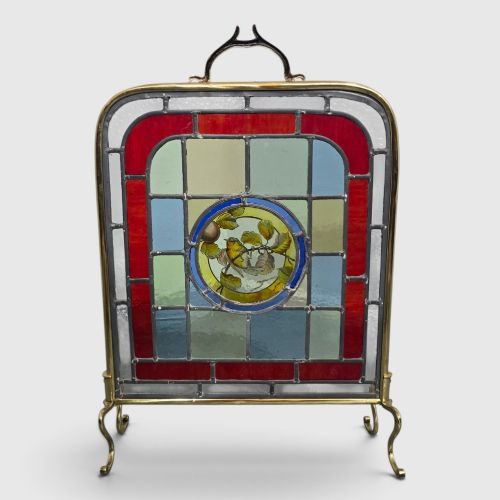
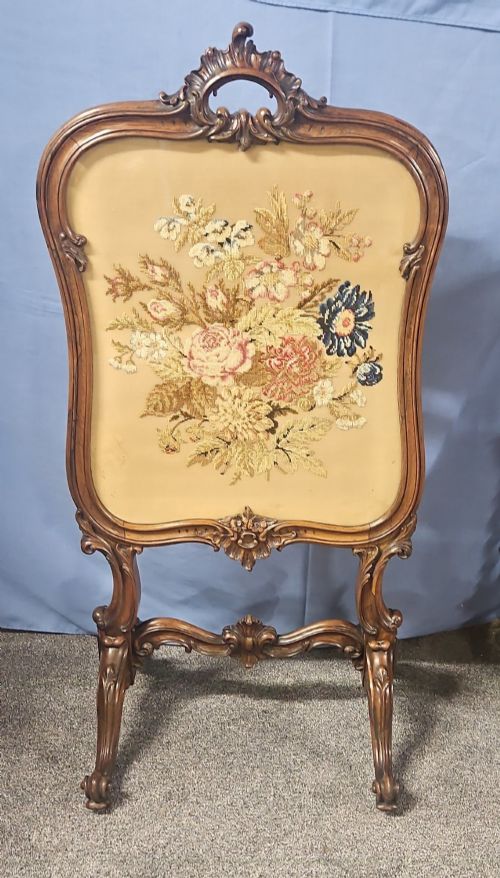
A vintage hearth guard encompasses protective brass and iron fenders, spark guards and folding screens designed to sit around domestic fireplaces. The selections span Victorian, Edwardian and early twentieth century periods, showing French Rococo Revival, Arts and Crafts and Art Nouveau influences.
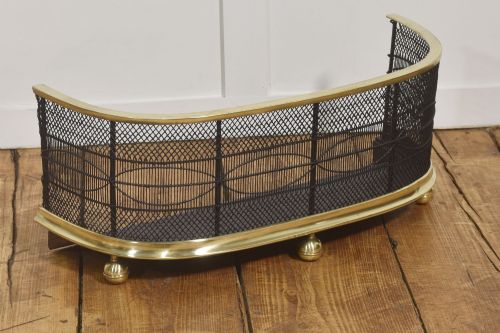
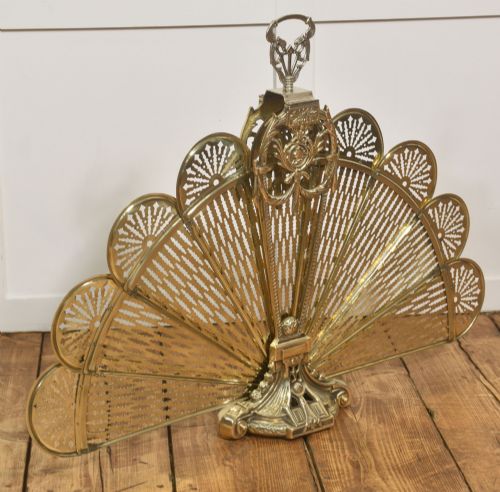
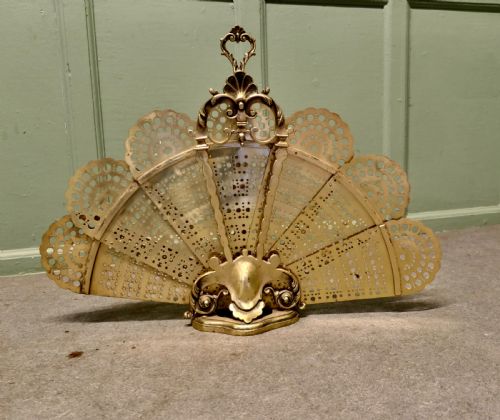
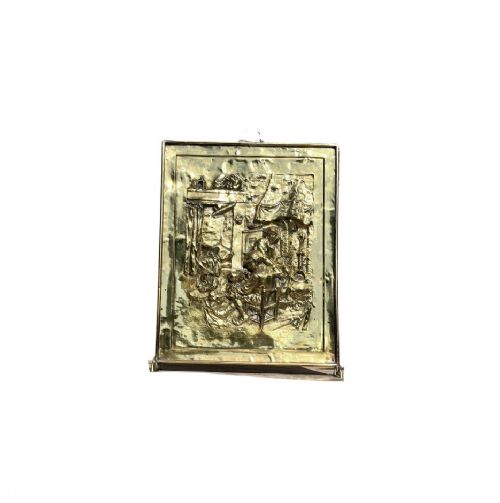
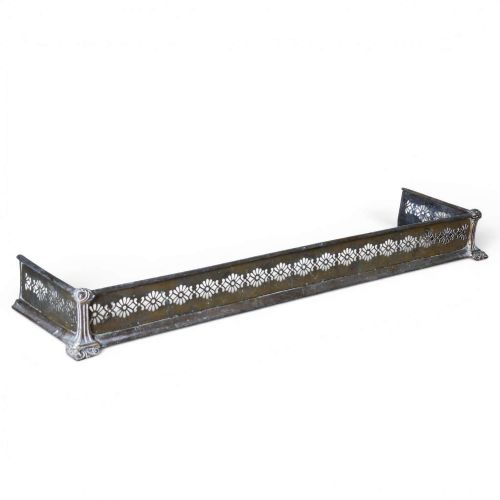
Most pieces you encounter take the form of folding brass peacock fan screens, extending club fenders or pierced metal fire guards. These objects range from simple wirework meshes to ornate gilded brass frames adorned with floral and musical motifs.
Origins stretch across English, French and Dutch workshops, utilising materials that responded to nineteenth and early twentieth century domestic heating needs. You will find floor-standing fenders alongside folding spark guards designed for coal and wood fires.
How they were made
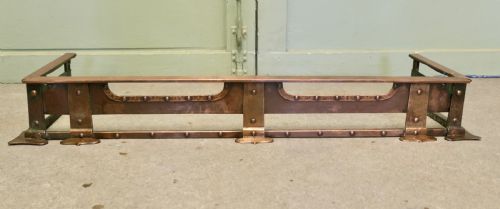
Makers shaped these guards using brass, copper, iron and steel, often combining wire mesh with cast and pierced sheet metal. Many examples employ riveted copper plates, wrought iron frameworks and leather upholstery on club fender seats.
Decorative surfaces relied on embossing, chasing and gilding, particularly on French ormolu and gilt bronze fire screens. Artisans also utilised black finishes and patinated bronze alongside traditional pierced brass work to achieve decorative contrast.
The listings show materials spanning brass, wire mesh, copper, iron, steel, gilt brass, wrought iron and leather.
What varies in quality
Quality rests in the crispness of the casting, the weight of the metal and the complexity of the hand-chased details on brass and bronze. Finer guards display intricate pierced work and robust extending mechanisms rather than simple folded wire.
Materials dictate longevity and finish, with heavy cast brass and riveted copper outlasting lighter wirework alternatives. The presence of specialised details like leather upholstery or integrated family coats of arms separates standard utility pieces from exceptional examples.
The Vintage Hearth Guard Glossary
- Club fender
- A low fireside seat framed in brass or steel with leather-upholstered top rails. These allowed people to sit directly beside the hearth.
- Peacock fan screen
- A folding spark guard constructed from overlapping metal blades that fan outward. They fold flat when not in use.
- Patera
- A circular ornamental bas-relief disc resembling a classical libation dish. You often see them applied to Victorian copper and brass fenders.
- Nursery fender
- An extra-tall protective barrier enclosing the entire hearth to keep children away from open flames. They typically feature solid metal top rails.
- Spark guard
- A fine wire mesh screen designed to catch flying embers from coal or wood fires. They appear in single panels or multi-folding sections.
Vintage Hearth Guard: Frequently Asked Questions
What is the difference between a fender and a screen?
Fenders are low frames that sit directly on the floor around the hearth perimeter, sometimes incorporating seats. Screens stand upright to block radiant heat and contain sparks from the fire.
While fenders define the boundary of the fireplace, screens act as a vertical barrier between the flames and the room. Many period setups utilised both accessories simultaneously.
How do I date a brass hearth guard?
Dating relies on stylistic clues like Victorian Gothic motifs, Art Nouveau plant tendrils or Edwardian proportions. Manufacturing techniques such as hand-riveting versus machine stamping also help determine age.
Nineteenth-century pieces often show heavier cast brass and hand-chased detailing, while later twentieth-century examples tend toward simpler folding wire and tubular steel.
Were club fenders used for sitting?
Yes, club fenders were specifically engineered with padded leather top rails to provide seating very close to the fire. They became popular in gentleman's clubs and large country houses.
The sturdy brass or steel base protects the floor while the upholstered corners offer a warm seat during cooler months.
How do I clean antique brass guards?
Cleaning antique brass requires gentle dusting and occasional wiping with a soft cloth to preserve the historic patina. Avoid harsh chemical abrasive polishes that strip away the aged surface.
Many collectors prefer leaving the natural darkening and tarnish intact, as excessive shining can remove evidence of age and reduce character.