



Vintage Hearth Fire Grate
These vintage hearth fire grate options bring period character to a room, offering functional warmth and structural presence.
Vintage Hearth Fire Grate
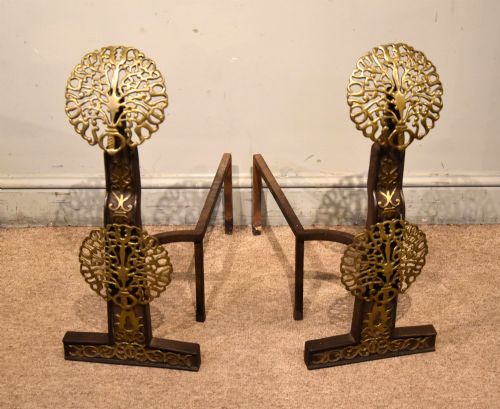
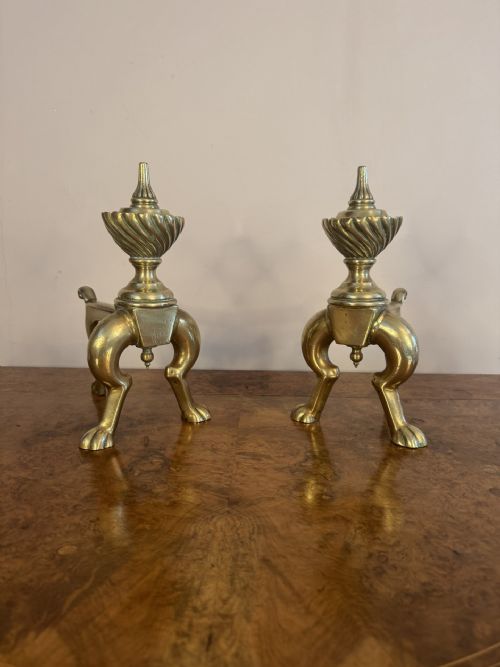
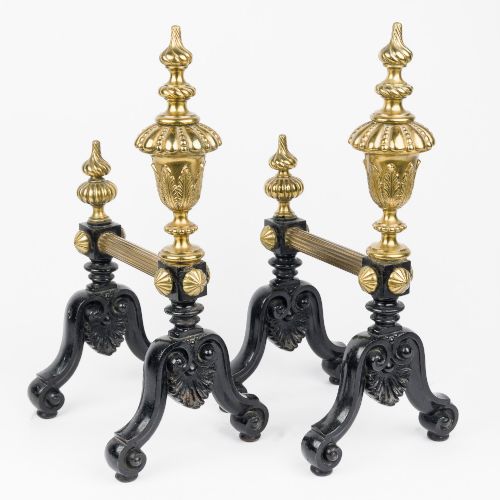
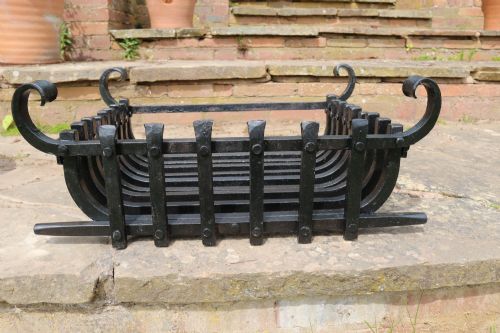
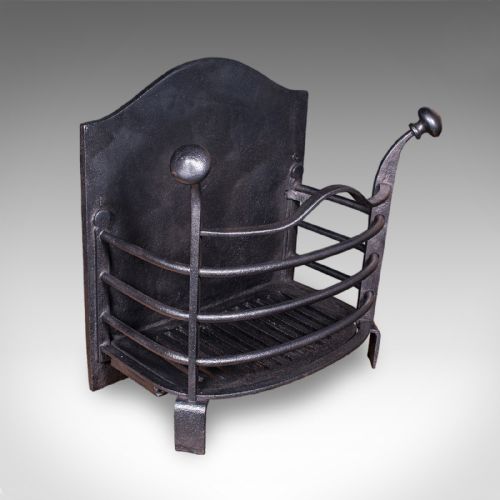
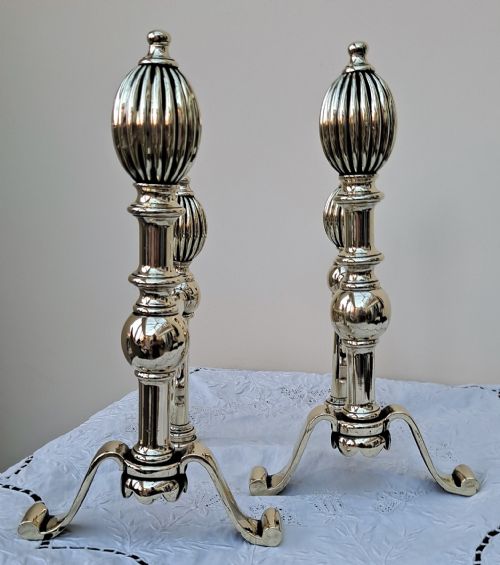
When you search for a vintage hearth fire grate, you encounter a variety of forms including fire baskets, fire dogs, andirons, and hearth trivets. These pieces originate from periods spanning the Georgian era, the Regency period, and the Victorian age, through to the 1920s and 1930s.
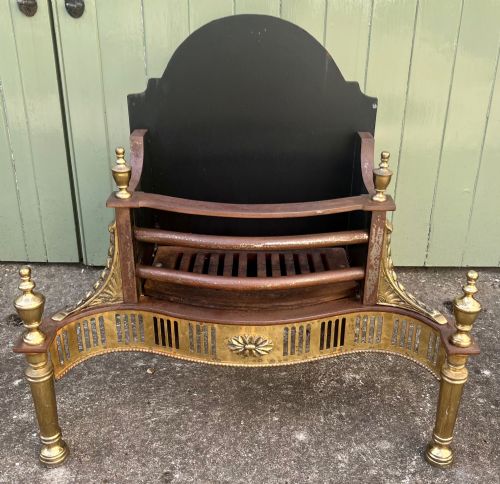
The selections on this page commonly take the form of freestanding fire baskets and grates designed for open fireplaces. Many incorporate decorative elements drawing upon Adam style, Gothic Revival, and Neoclassical design traditions.
Objects range from small cast iron grates to complete fireplace sets complete with andirons and firebacks. Each item serves to contain fuel while establishing the visual centre of the hearth.
How they were made
The primary construction relies on cast iron, wrought iron, and steel to provide the necessary weight and heat resistance for containing solid fuel fires. Metalworking techniques of the period involved casting heavy iron alongside hand-wrought elements to shape the baskets and grates.
Brass components appear frequently as decorative highlights, seen on fire dogs, finials, and mounting plates. Firebrick is also utilised within the internal structure of certain grates to manage high temperatures.
Vintage Hearth Fire Grate Retail Price Guide 2026
Typical asking prices for vintage hearth fire grate among the pieces listed under this phrase on Sellingantiques today, from the lower quarter to the upper quarter. They describe what is for sale here now, not the wider market.
Some sets include mulling andirons, ready to warm spiced drinks beside the flames.
What varies in quality
Quality shows in the weight of the metal and the crispness of the casting work on decorative panels and brass fittings. Finer examples display carefully detailed ornamentation in Adam or Gothic Revival styles rather than plain industrial casting.
The integrity of the structural joints and the thickness of the iron determine how well a piece withstands heat over generations. Complete sets that retain their original matching andirons demonstrate higher cohesion than assembled groups.
The Vintage Hearth Fire Grate Glossary
- Fire basket
- An open metal container designed to hold coal or wood within a fireplace. It sits raised on legs or rests upon andirons.
- Andirons
- Supports placed on the hearth to hold logs burning in an open fireplace. They often feature decorative brass or iron terminals.
- Fireback
- A heavy iron plate placed at the back of a fireplace to protect the wall and reflect heat into the room.
- Hearth trivet
- A small metal stand placed near the fire to keep kettles or food warm. These portable items form part of the wider array of hearth accessories.
Vintage Hearth Fire Grate: Frequently Asked Questions
What is a fire grate?
A fire grate is a metal framework that holds fuel securely within an open fireplace. It allows air to circulate underneath the fire to improve combustion.
These pieces range from simple iron baskets to elaborate designs featuring brass details and matching fire dogs.
How do I choose the right size?
Measure the internal width, depth, and height of your fireplace opening before selecting a basket. Leave adequate clearance around the sides and back for proper airflow and safety.
Freestanding models offer flexibility in placement compared to fixed inserts, provided they match your hearth dimensions.
Can these grates burn real wood?
Most period grates and fire baskets were built to burn coal or wood, using heavy cast iron and firebrick linings to withstand intense heat. Check the internal depth and bar spacing to ensure it suits your chosen fuel type.
Lighter decorative pieces or footmen serve auxiliary purposes rather than holding a primary hearth fire.
How do I care for cast iron?
Maintain ironwork by brushing away ash regularly and applying appropriate grates polish or oil to prevent surface oxidation. Avoid using harsh chemical cleaners that can strip the historic finish.
Brass elements can be polished gently if a bright shine is preferred, or left to age naturally with the iron.