


Vintage Hat Mould
These vintage hat mould pieces are solid workplace survivors, and you want one for their honest sculptural presence.

Vintage Hat Mould
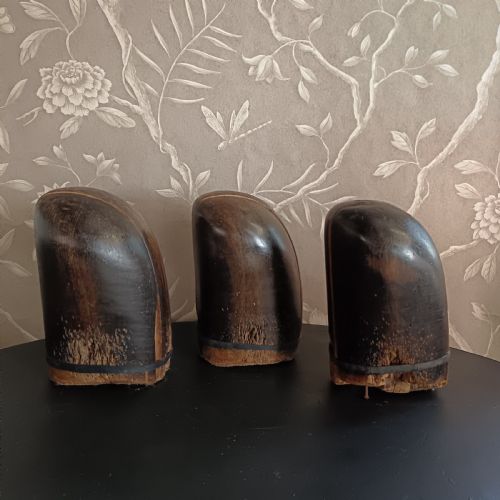
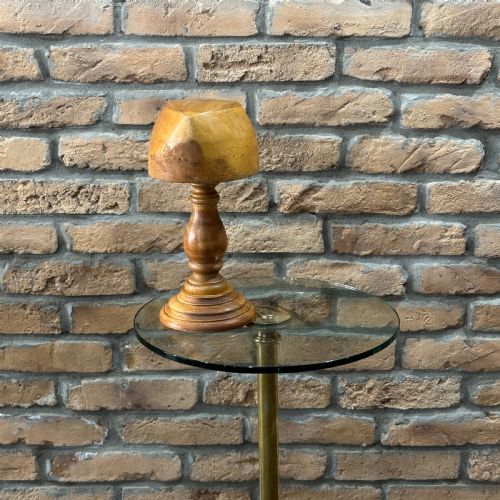
A vintage hat mould encompasses timber forms, aluminum blocks, and iron stretchers originating from the nineteenth and early twentieth centuries. These objects served utilitarian roles in traditional haberdashery workshops before transitioning into decorative and sculptural interior items.
Most examples you encounter on this page span the Victorian era through the 1920s, including carved milliner heads and specialised blocks for military caps. French and English origins appear frequently across the oak, fruitwood, and metal constructions.
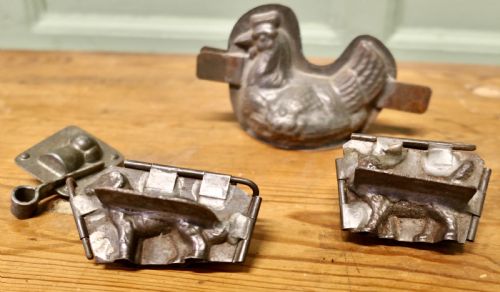
Millinery forms and chocolate moulds share similar industrial origins, though true hat blocks remain the primary focus of this search. Their straightforward utilitarian shapes bring direct historical character to a room.

Materials and construction
Makers shaped these pieces from dense timbers such as beech, oak, and walnut, often hand-carving the wooden milliner heads and hat blocks. Metal versions utilise cast iron, tinned steel, and aluminum, cast or formed for industrial durability.
Traditional turning and joining methods produced solid wooden forms designed to withstand heavy daily use in hat production. Surface patinas develop naturally from handling, wax, and workshop exposure over decades of service.
Vintage Hat Mould Retail Price Guide 2026
Typical asking prices for vintage hat mould among the pieces listed under this phrase on Sellingantiques today, from the lower quarter to the upper quarter. They describe what is for sale here now, not the wider market.
Materials recorded across the selection include solid beech, oak, walnut, cast iron, tinned steel, and aluminum.
Evaluating the pieces
The choice of dense hardwoods like oak and beech, or cleanly cast aluminum, dictates the tactile presence of the object. Pieces that retain clear workshop tool marks and deep patinas carry greater visual weight.
The Vintage Hat Mould Glossary
- Hat block
- A solid wooden form used by milliners to shape and size hats during manufacture. These are often sculpted from beech or fruitwood.
- Milliner
- A maker and designer of women's hats who utilised specialised wooden and metal forms. Their workshops supplied the bulk of these surviving pieces.
- Hat stretcher
- A mechanical tool employed to expand or adjust the size of finished headwear. They typically combine iron mechanisms with wooden components.
- Haberdashery
- The trade and materials associated with small items of sewing and dressmaking. Hat moulds formed an essential part of this commercial ecosystem.
- Folk art
- Items produced by artisans or tradespeople outside academic traditions, often applying decorative skill to everyday objects. Carved wooden heads frequently display this vernacular style.
Vintage Hat Mould: Frequently Asked Questions
What is a vintage hat mould used for today?
Today these objects serve as sculptural display pieces and decorative focal points in domestic interiors.
Collectors often use them to display hats, wigs, or scarves, or simply place them on shelves for their industrial aesthetic.
How do I date a wooden hat block?
Dating relies on observing the wood species, tool marks, and overall manufacturing style associated with specific periods.
Victorian pieces often show hand-carving and heavier timbers, while 1920s examples frequently introduce aluminum or simpler turned profiles.
Are aluminium hat moulds authentic?
Aluminum examples date primarily to the 1920s and represent the industrial evolution of millinery equipment.
Workshops adopted metal for durability and precision, producing blocks that differ markedly in weight and texture from traditional wood.
Where were these hat blocks made?
The available pieces originate from English and French workshops operating during the nineteenth and early twentieth centuries.
Regional preferences show up in the choice of woods, such as French fruitwood or English oak.
How should I clean a wooden hat mould?
Maintenance should be minimal to preserve the aged surface and historical patina built up in the workshop.
Dusting with a dry cloth is sufficient, avoiding harsh cleaners or oils that alter the dry wood finish.