


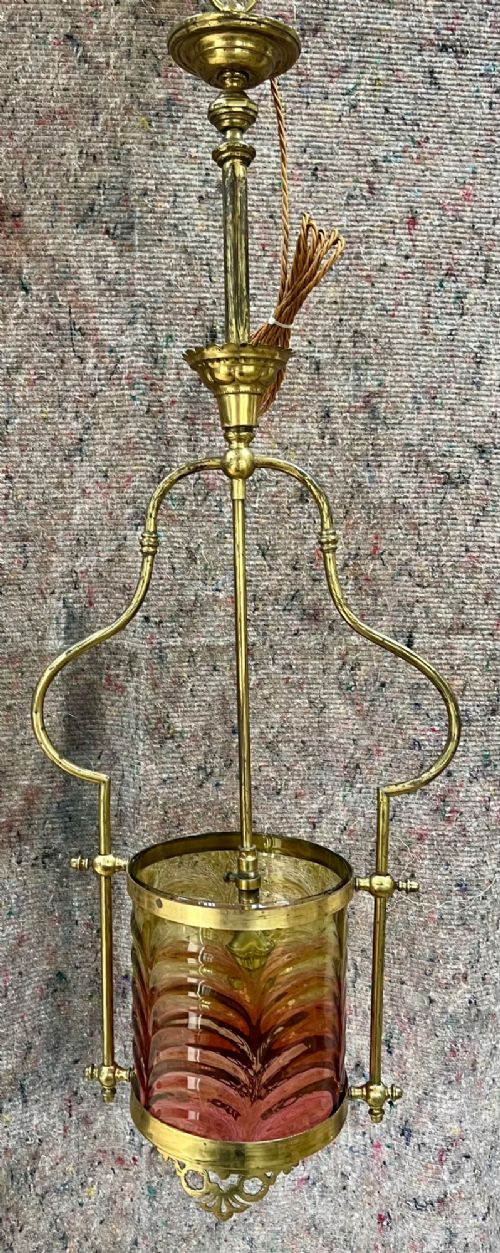
Vintage Hanging Lamp
A vintage hanging lamp brings period character to a room, offering both illumination and architectural presence overhead.
Vintage Hanging Lamp
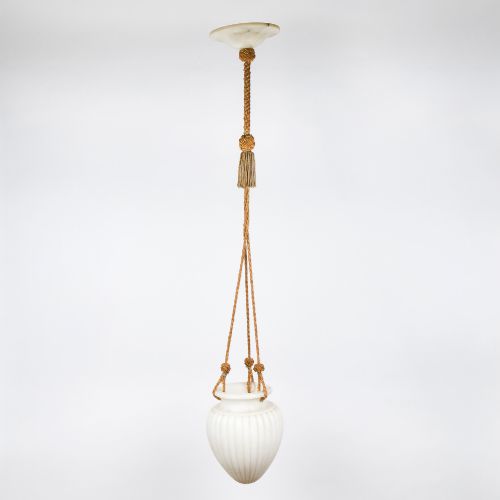
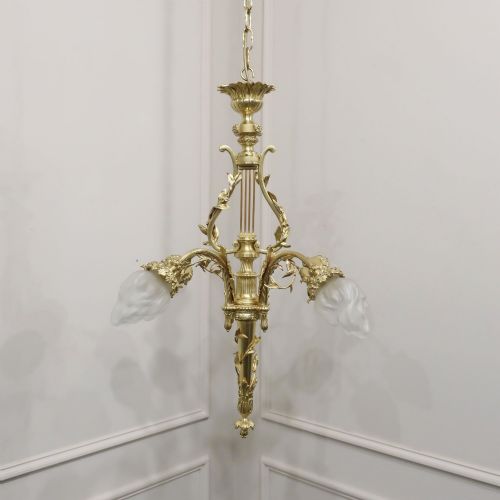
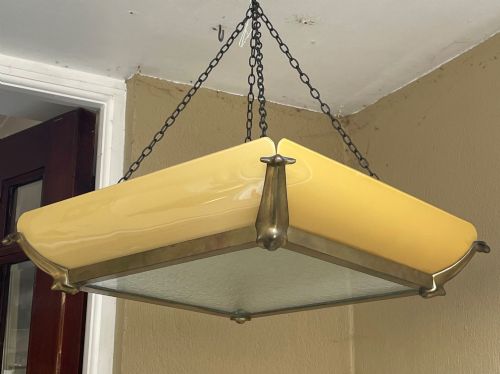
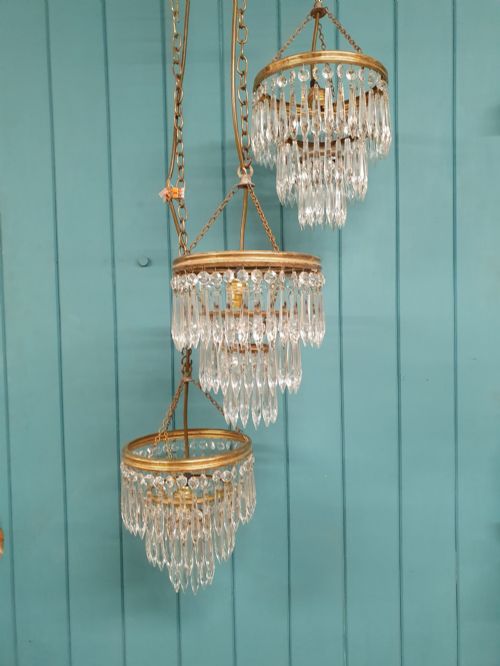
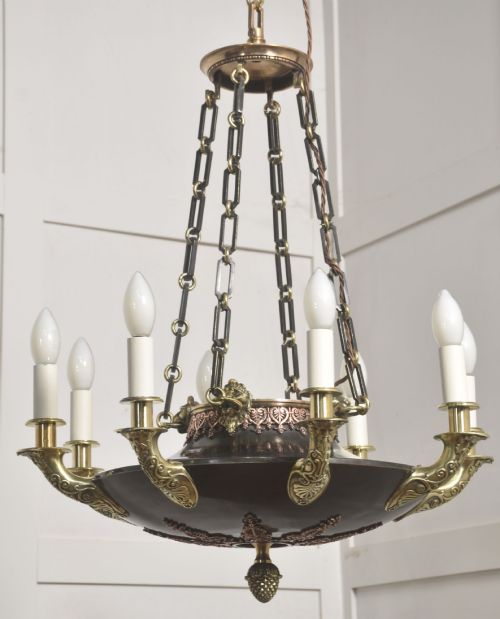
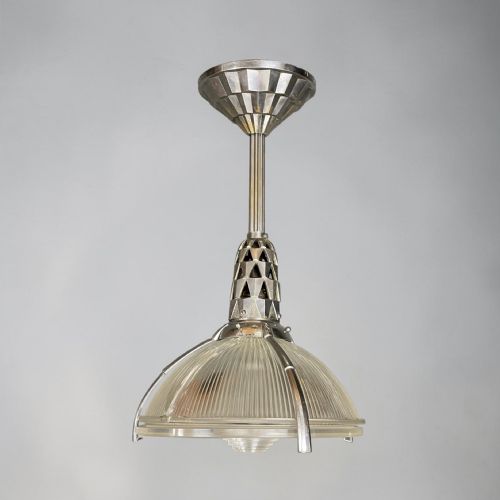
A vintage hanging lamp encompasses a wide variety of overhead lighting fixtures, from multi-armed chandeliers and hall lanterns to single glass pendants and ceiling lights. When searching for a vintage hanging lamp, buyers encounter pieces spanning the Victorian and Edwardian eras through to Art Deco and Mid-Century Modern designs.
The materials and aesthetic movements reflect their origins, ranging from industrial copper and brass lanterns to ornate French gilded bronze and crystal chandeliers. Many examples originate from the nineteenth and early twentieth centuries, capturing the decorative shifts from elaborate historicism to cleaner modernist lines.
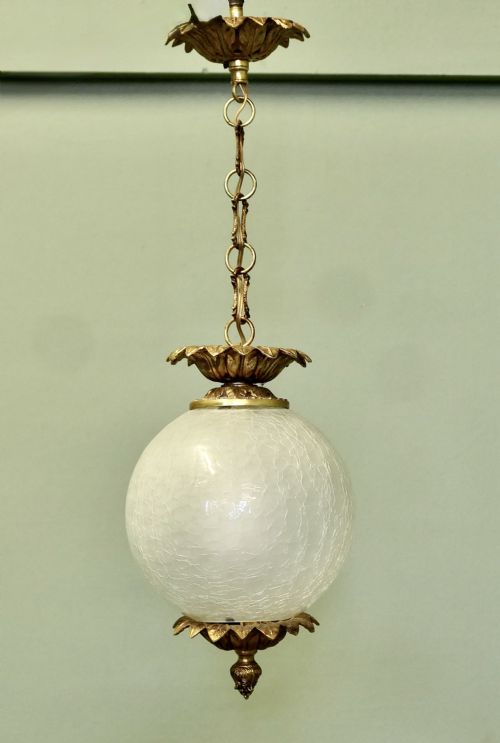
Form follows function across these ceiling lights, with specific configurations designed for hallways, stairwells, and principal living spaces. Buyers frequently find brass-framed lanterns, opaline glass globes, and cut-glass pendants representing popular domestic lighting choices of their respective decades.
Distinctions in Quality
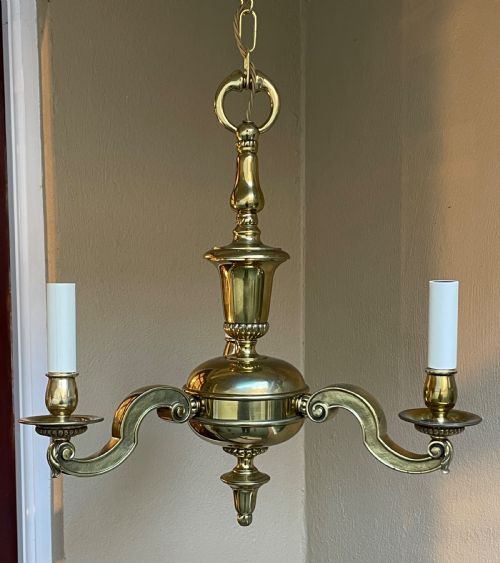
Quality in a vintage hanging lamp reveals itself in the weight and finish of the metal components, where crisply cast brass or hand-chased bronze outshines thin stamped metal. The depth of gilding, the integrity of structural joins, and the thickness of the frame dictate the overall durability and visual substance of the piece.
The refinement of the glass elements further separates standard production from finer examples, seen in heavy hand-cut crystal drops, uniform opaline coloration, or complex leaded glass construction. Original components, such as matched glass shades and period burners, elevate the integrity of the entire fixture.
Railway guards and Edwardian ship captains once relied on the sturdy copper lanterns that now illuminate modern kitchens.
Émile-Jacques Ruhlmann·Hinks Burner·VESTARAY·Holophane Lighting
The Vintage Hanging Lamp Glossary
- Plafonnier
- A ceiling-mounted light fixture with a bowl-shaped shade that sits close to the ceiling surface. These often feature cut glass or frosted panels held within a metal frame.
- Opaline Glass
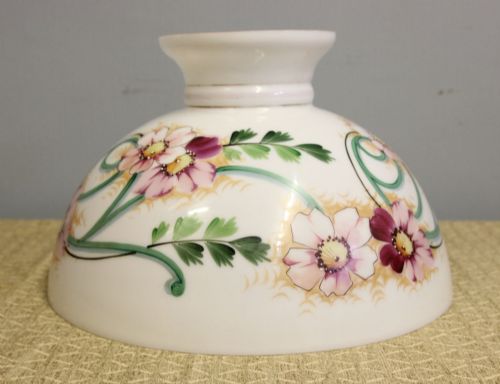
- An opaque or translucent white glass popular in nineteenth and early twentieth-century lighting. It diffuses light softly and can be hand-painted with floral motifs.
- Gilt Bronze
- Bronze metal treated with a thin layer of gold or gold-coloured alloy to impart a rich, reflective surface finish. It is frequently found on decorative French chandeliers and lanterns.
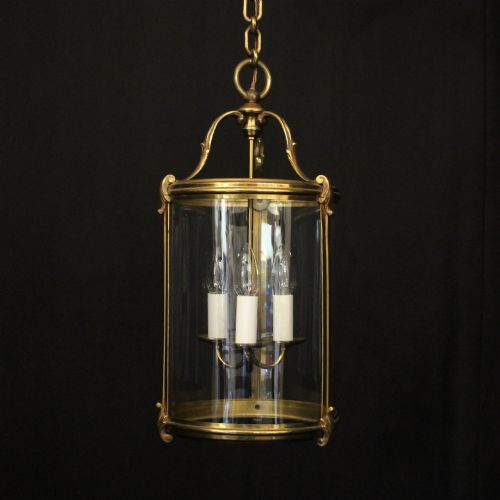
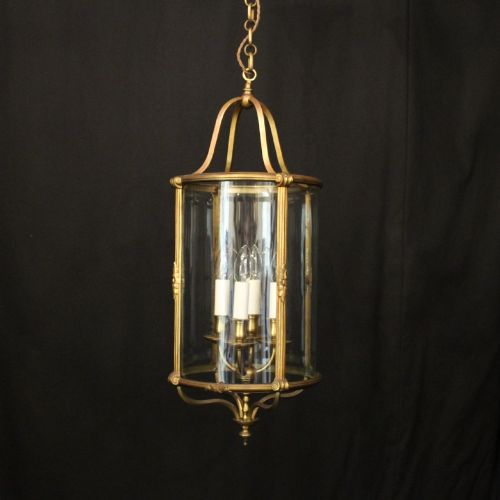
- Hall Lantern
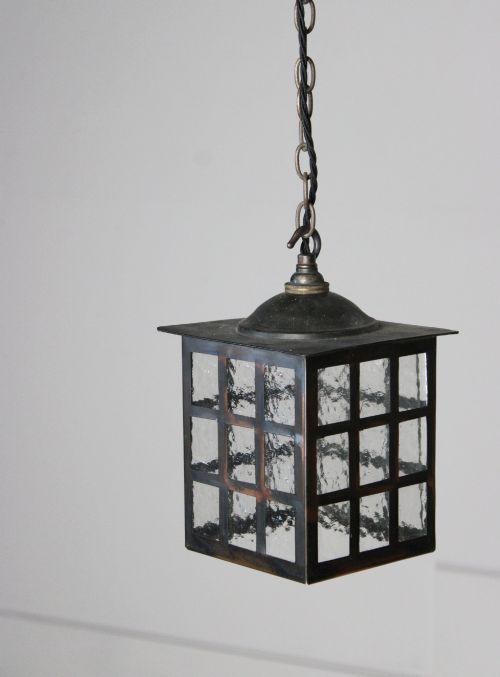
- An enclosed ceiling fixture designed specifically for entranceways and narrow passages. They typically feature glazed glass panels supported by a brass or copper framework.
- Rise and Fall Chandelier
- A mechanical ceiling light equipped with a weighted pulley system that allows the height of the lamp to be adjusted manually. This design was common in domestic interiors for targeted table illumination.
Vintage Hanging Lamp: Frequently Asked Questions
How do I hang a heavy vintage chandelier safely?
Heavy fixtures require direct support from ceiling joists rather than relying solely on standard lath and plaster or electrical junction boxes. A professional electrician should install a rated hook or joist hanger capable of taking the full weight.
Ensuring the hanging chain or rod is securely fastened to both the ceiling mount and the fixture body prevents structural failure over time.
Can these old lamps use modern electrical bulbs?
Many vintage hanging lamps accommodate modern screw or bayonet LED bulbs, provided the internal wiring and lampholders meet current safety standards. Rewiring is frequently recommended for older fixtures to ensure compatibility with modern circuits.
Consulting a qualified restorer ensures the original sockets and internal channels are adapted safely without compromising the external appearance of the lamp.
How do I clean delicate glass shades?
Glass shades and crystal drops should be removed from the metal frame whenever possible and washed gently in lukewarm water with mild soap. Avoid harsh chemical cleaners that can damage painted surfaces or antique patination.
Allowing components to air dry completely before reassembly prevents moisture damage to surrounding metal parts and electrical connections.
What is the best room for a hall lantern?
Hall lanterns suit entranceways, corridors, and high-ceilinged stairwells where their enclosed glazed panels direct illumination downward and outward. Their compact footprint makes them ideal for transitional spaces that require focused ambient light.
Proportioning the scale of the lantern to the dimensions of the hallway ensures the fixture complements the surrounding architecture without obstructing movement.